

Yacht insurance is defined as a specialized form of marine insurance that protects both the physical vessel and the owner’s financial exposure to liability. At its core, every policy rests on two pillars: hull insurance, which covers physical damage to the yacht itself, and Protection and Indemnity (P&I) insurance, which covers the liability risks that come with owning and operating a vessel on open water. Understanding yacht insurance basics before you buy or renew a policy is the difference between genuine peace of mind and a false sense of security. Beyond those two foundations, coverage is highly customizable, and the choices you make at the policy stage determine how well protected you are when something goes wrong.
What do yacht insurance basics actually cover?
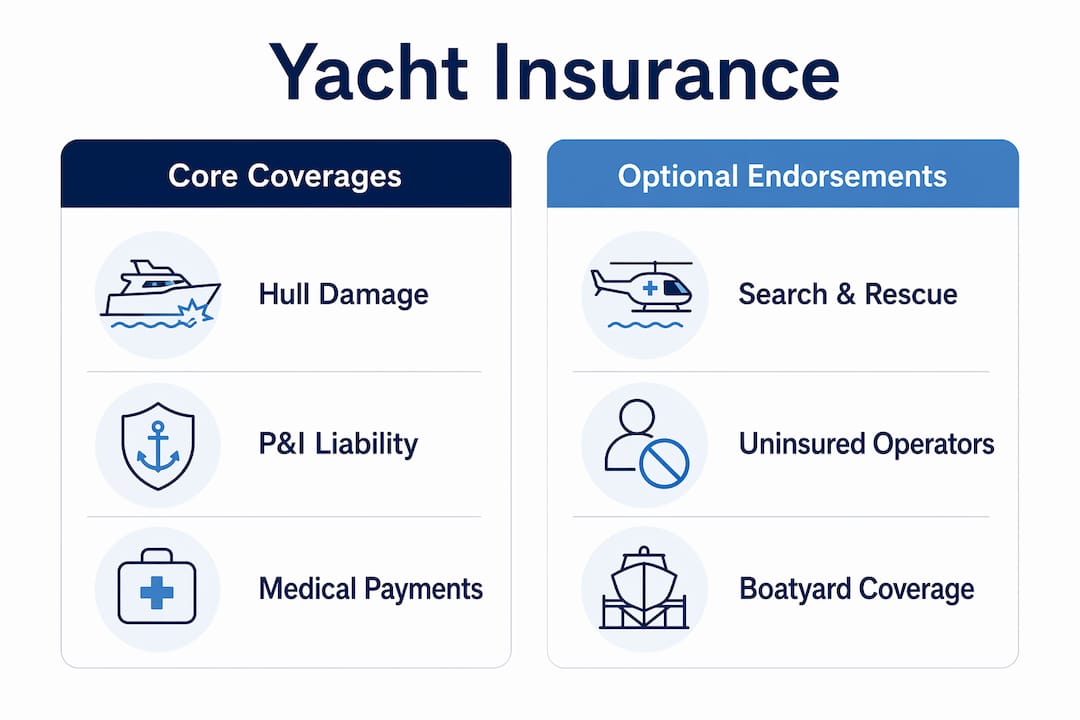
Hull and machinery coverage protects the physical structure of your vessel against damage from collisions, grounding, fire, theft, and severe weather. Most quality policies are written on an agreed value basis, meaning agreed value policies pay out the full insured amount on a total loss without depreciation. That distinction matters enormously on a vessel worth several million dollars. One important caveat: items subject to wear and tear, such as sails and outboard motors, are frequently excluded from hull coverage.
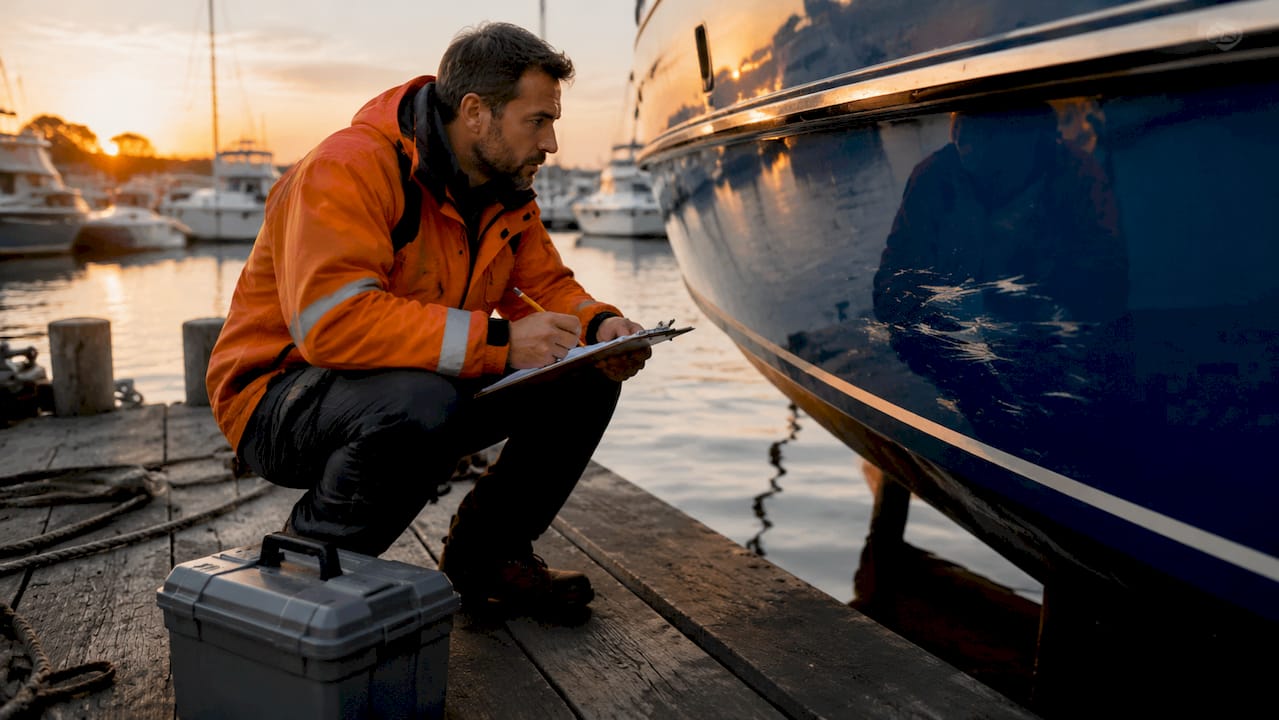
P&I insurance covers third-party bodily injury, property damage, pollution liability, and legal defense costs in admiralty courts. Maritime law is complex, and a single incident involving another vessel or a guest injury can trigger legal proceedings that dwarf the cost of the yacht itself. P&I is the financial safety net that keeps that scenario from becoming catastrophic.
A standard yacht policy typically includes several additional protections beyond hull and P&I:
- Medical payments coverage for injuries sustained by guests or crew on board
- Wreck removal costs, which can be substantial in regulated waterways
- Pollution liability for fuel spills or discharge incidents
- Personal effects coverage for clothing, electronics, and valuables kept on board
- Tenders and water toys such as jet skis and inflatables attached to the main vessel
- Search and rescue expenses, either included as standard or available as an add-on
Pro Tip: Ask your insurer specifically whether search and rescue costs are included as standard or require a separate endorsement. Many owners assume this is automatic and discover otherwise at the worst possible moment.
How do insurers determine your premium and eligibility?
Underwriters build your premium from a detailed picture of both the vessel and the people operating it. Accurate quote information requires vessel length, year built, builder, hull material, and a recent professional marine survey, particularly for older vessels. Each of these details shifts the risk profile in ways that directly affect your annual cost.
The factors underwriters weigh most heavily include:
- Vessel specifications: Length, construction material, age, and builder reputation all influence base risk.
- Insured value and survey results: A current marine survey validates the vessel’s condition and supports the agreed value figure.
- Owner and crew qualifications: Owner and crew experience are primary risk factors. Formal certifications from bodies like the U.S. Coast Guard or the American Sailing Association carry real weight in underwriting decisions.
- Declared navigation area: Where you intend to sail determines exposure to weather events, piracy risk, and rescue access.
- Intended use: Pleasure cruising, chartering, and racing each carry different risk profiles and require different policy structures.
Yacht insurance premiums typically range between 0.5% and 1.5% of the vessel’s insured value annually. Two identical yachts can receive very different quotes based on where they sail and who is at the helm. A 100-foot motor yacht insured at $4 million could carry an annual premium anywhere from $20,000 to $60,000 depending on those variables.
Pro Tip: Completing a recognized boating safety course before applying for coverage can meaningfully reduce your premium. Insurers reward demonstrated competence with lower rates.
Which optional coverages are worth considering?
Standard versus optional coverages represent one of the most consequential decisions in the policy process. Owners frequently discover coverage gaps only after an incident, at which point the endorsement they skipped becomes an expensive lesson. The optional additions most relevant to luxury yacht owners include:
- Charter liability insurance: If you rent your vessel to third parties, your standard policy almost certainly does not cover commercial use. Charter liability is a separate endorsement and non-negotiable if you plan to generate income from the yacht.
- Racing and regatta coverage: Standard hull policies exclude damage sustained during organized racing events. A dedicated racing endorsement covers the vessel during competition, including damage from contact with other boats.
- Crew liability and captain errors coverage: Protects against claims arising from a paid captain’s or crew member’s negligence. This is distinct from P&I and addresses employment-related liability.
- Lay-up and shipyard risk endorsements: Many policies exclude coverage while the vessel is in a boatyard for maintenance or winter storage. A lay-up endorsement closes that gap explicitly.
- Advanced electronics and custom systems: High-end navigation suites, satellite communication systems, and custom entertainment installations often exceed standard personal effects limits. A scheduled endorsement ensures full replacement value.
- Environmental damage and pollution protection: Beyond standard P&I pollution liability, extended environmental coverage addresses cleanup costs in sensitive marine ecosystems where regulatory fines can be severe.
The right combination of endorsements depends entirely on how you use your yacht. A vessel that spends six months in a Mediterranean shipyard and participates in the Rolex Sydney Hobart Yacht Race needs a very different policy than one used for private cruising in the Caribbean.
What documentation do you need to secure accurate coverage?
Preparation before you approach an insurer is what separates a smooth underwriting process from weeks of back-and-forth. Vessel documentation and a current marine survey are the two most critical elements, and both directly influence the accuracy of your quote and the success of any future claim.
The documents and details you should have ready include:
- Proof of ownership and registration: USCG documentation or state registration, depending on vessel size and use
- Professional marine survey report: For vessels over ten years old, most insurers require a survey conducted within the past three to five years
- Builder and modification records: Original builder specifications plus any structural or systems modifications
- Crew credentials: Licenses, certifications, and operational history for any paid captain or crew
- Intended navigation area: A clearly defined cruising range, because navigation limits are a critical underwriting factor and noncompliance can void claims entirely
| Document | Why It Matters |
|---|---|
| Marine survey report | Validates vessel condition and supports agreed value |
| USCG or state registration | Confirms legal ownership and vessel identity |
| Builder and modification records | Establishes original specs and any structural changes |
| Crew certifications | Demonstrates operational competence to underwriters |
| Navigation area declaration | Defines geographic coverage limits and affects premium |
Accurate documentation does more than speed up the quoting process. It protects you at claim time. An insurer who discovers undisclosed modifications or a navigation area violation after a loss has legitimate grounds to reduce or deny the payout. The marine survey process is also your own due diligence tool, revealing mechanical or structural issues before they become your problem on open water.
Key takeaways
Yacht insurance is built on hull coverage and P&I liability protection, and the endorsements you add determine whether your policy actually matches how you use your vessel.
| Point | Details |
|---|---|
| Two core coverages | Every yacht policy starts with hull insurance and P&I liability as its foundation. |
| Agreed value matters | An agreed value policy pays full insured value on total loss without depreciation deductions. |
| Premiums vary widely | Annual premiums range from 0.5% to 1.5% of insured value based on vessel, crew, and navigation area. |
| Optional endorsements close gaps | Charter, racing, and lay-up endorsements prevent costly coverage gaps for active owners. |
| Documentation drives outcomes | Accurate vessel records and a current marine survey protect both your quote and your claims. |
What i’ve learned after years of watching owners get this wrong
The single most common mistake I see yacht buyers make is treating insurance as an afterthought. They spend months selecting the right vessel, negotiating the purchase, and planning their first voyage. Then, two weeks before delivery, they call an insurer and expect a comprehensive policy to materialize overnight. That rush almost always produces a policy that fits the yacht but not the owner’s actual plans.
The owners who fare best engage with a marine insurance broker early, ideally during the purchase process itself. They arrive with a complete marine survey, clear documentation, and a realistic picture of how they intend to use the vessel. That preparation gives underwriters what they need to write a policy that genuinely covers the life you plan to live on the water.
I also want to be direct about navigation limits, because this is where I have seen real financial pain. Sailing outside your declared cruising area is not a technicality. It is a policy violation that gives the insurer grounds to deny a claim entirely. If you plan to cross the Atlantic or cruise the South Pacific, declare it upfront. The premium adjustment is almost always smaller than owners expect, and the protection is absolute.
Finally, review your coverage every time your circumstances change. A yacht that moves from private pleasure use to charter, or from summer sailing to year-round liveaboard, needs a different policy. The vessel is the same. The risk is not.
— Jason
How Yachts-bysteve helps you get the full picture
At Yachts-bysteve, the purchase process does not end at the sales agreement. The team guides clients through the full ownership transition, including the documentation, survey coordination, and insurer communication that determine how smoothly coverage falls into place. Whether you are buying your first luxury yacht or adding to an existing fleet, having an experienced broker in your corner means the paperwork is organized, the survey is scheduled with the right professional, and nothing falls through the cracks. If you are ready to take the next step, choosing the right broker is the most consequential decision you will make before the ink dries on any purchase agreement.
FAQ
What is the difference between hull insurance and p&i?
Hull insurance covers physical damage to the vessel itself, while P&I (Protection and Indemnity) insurance covers your legal liability to third parties for bodily injury, property damage, and pollution incidents. Both are considered foundational to any complete yacht policy.
How much does yacht insurance typically cost?
Annual premiums generally fall between 0.5% and 1.5% of the vessel’s insured value, though the final figure depends heavily on cruising area, owner experience, and vessel specifications.
Does my policy cover the yacht while it is in a boatyard?
Not automatically. Many standard policies exclude coverage during boatyard lay-up or maintenance periods unless a specific shipyard risk endorsement is added. Confirm this with your insurer before any scheduled haul-out.
Do owner qualifications affect my insurance rate?
Yes, significantly. Owner and crew qualifications are among the primary underwriting factors, and formal certifications from recognized organizations can reduce your premium while improving eligibility for broader coverage.
What happens if i sail outside my declared navigation area?
Sailing outside your declared limits risks full coverage denial on any claim that occurs in that area. Navigation area noncompliance is one of the most common grounds insurers use to contest claims, so always notify your underwriter before changing your cruising plans.
Recommended
Featured Listings
2019 Bilgin MOONRAKER
$21,404,500
156
West Palm Beach Florida

2028 Columbus Yachts
$22,900,008
137
Ancona
2012 Benetti PATIENCE
$10,975,000
132
Fort Lauderdale Florida
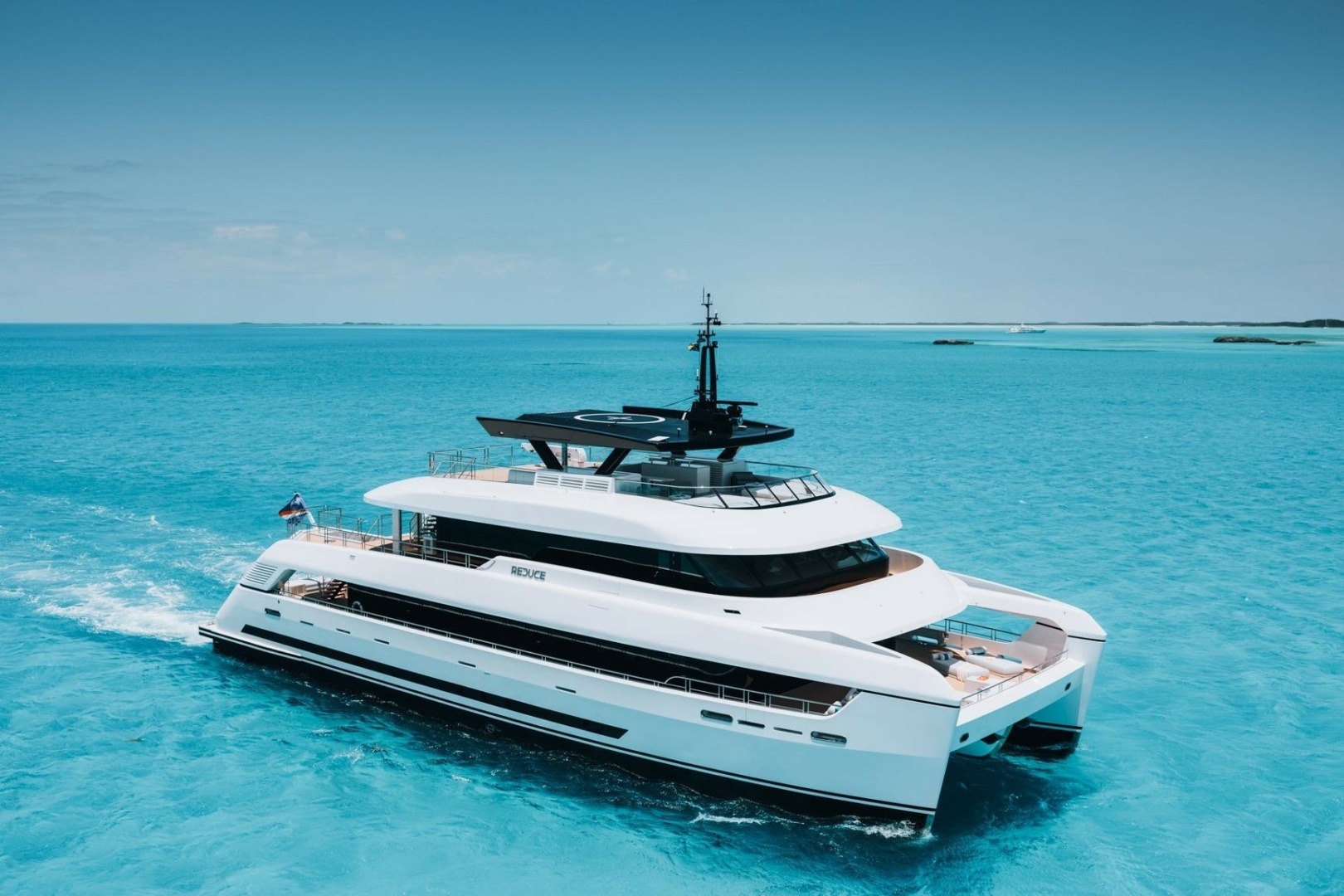
2024 Silver Yachts
$25,400,000
117
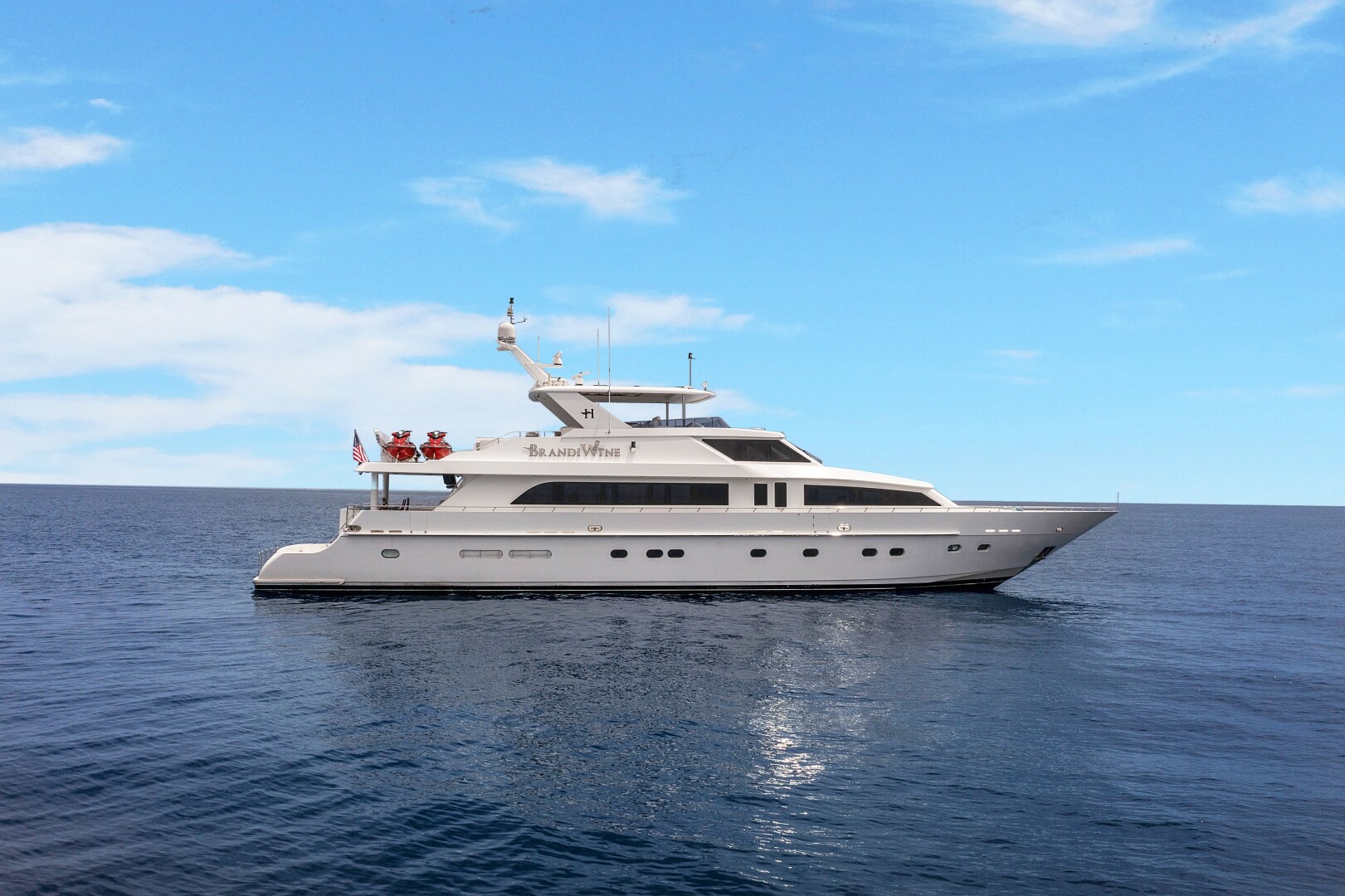
2009 Hargrave BRANDI WINE
$2,995,000
114
Fort Lauderdale Florida

2028 Extra Yachts
$21,404,500
100
Ancona

2028 Extra Yachts Extra 96
$9,495,000
96
Ancona
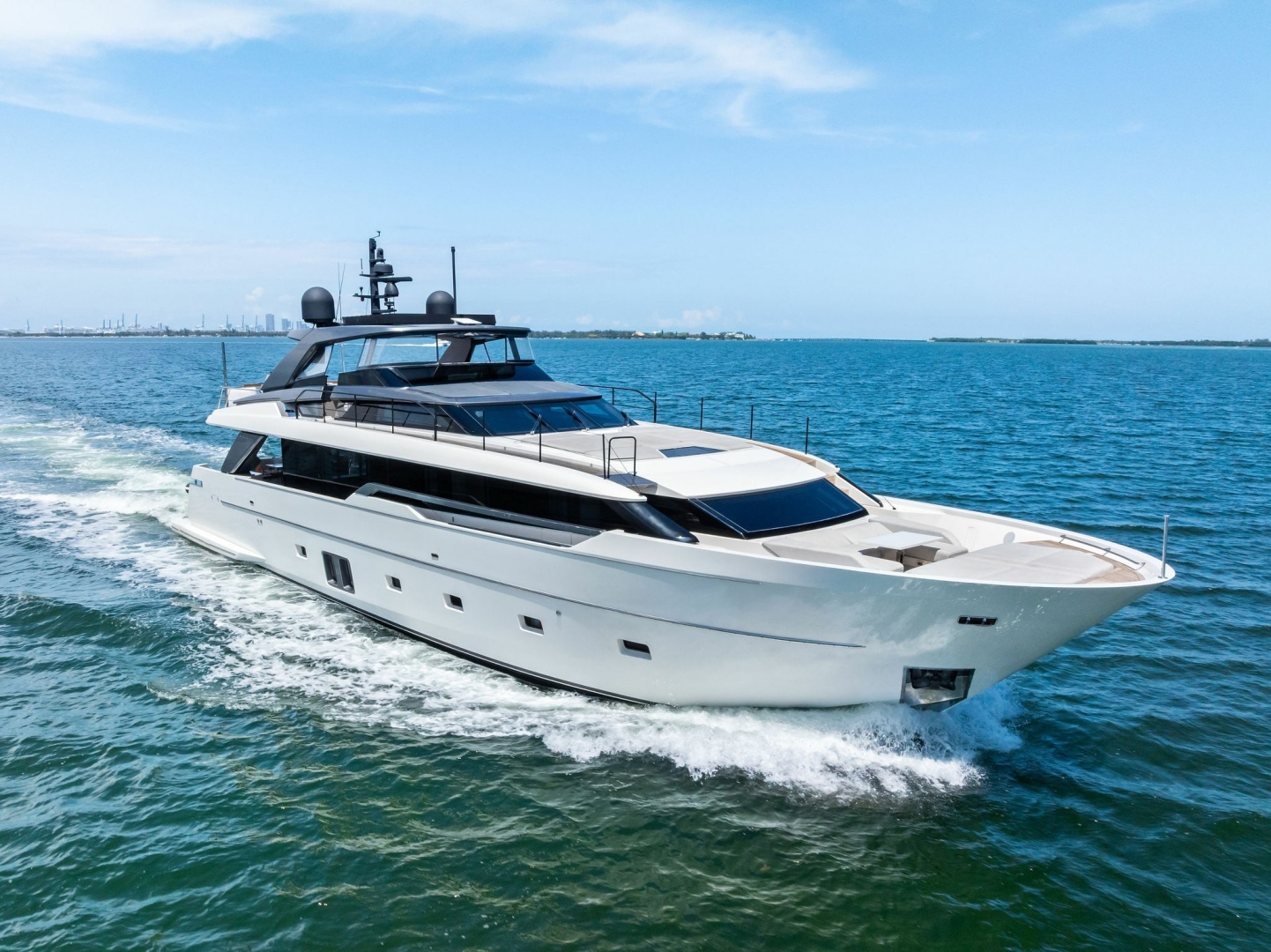
2021 Sanlorenzo GATSBY
$6,795,000
96
Miami Beach Florida

1999 Northern Marine OFF LINE
$2,495,000
84
Ft Lauderdale Florida
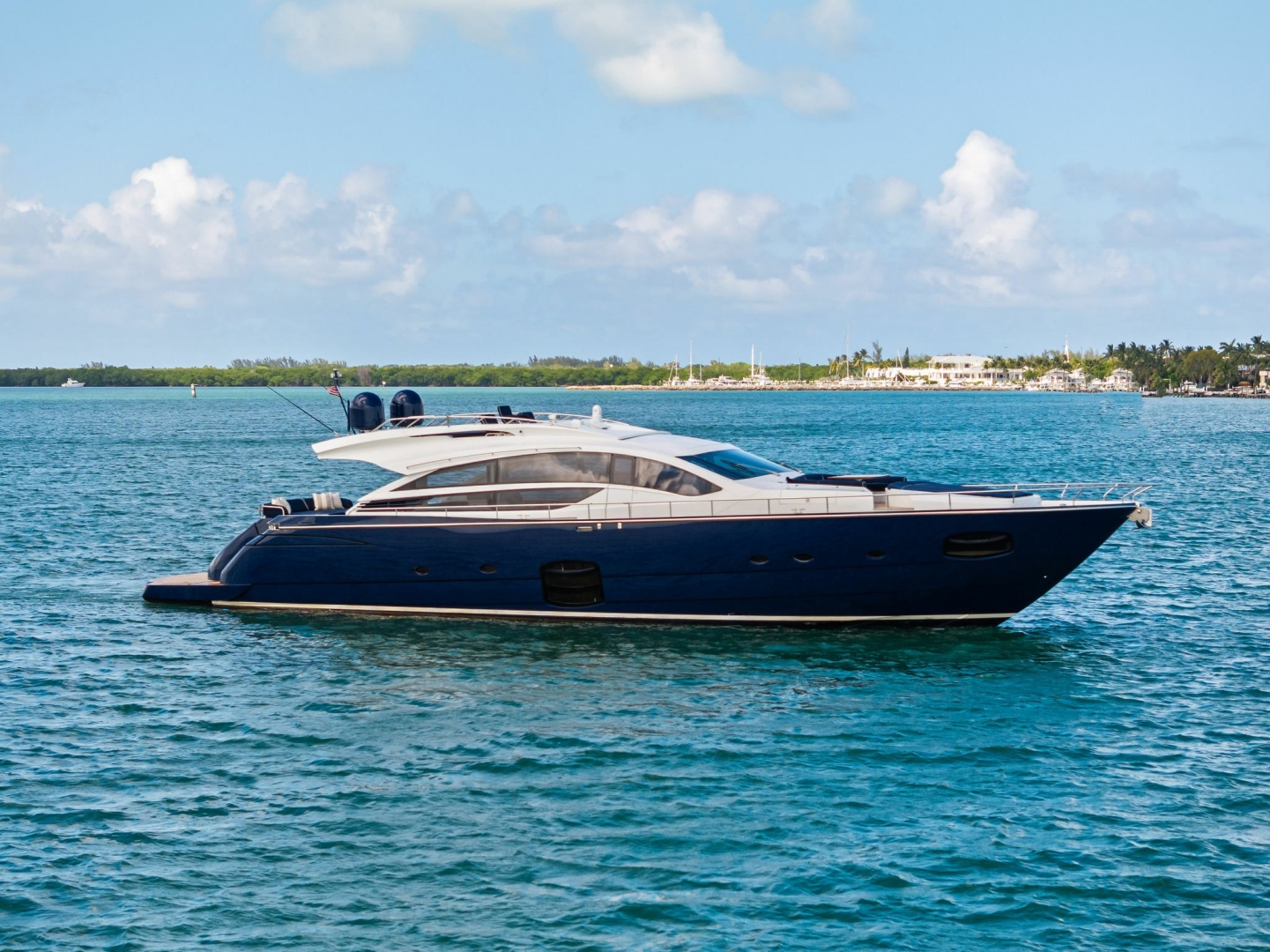
2013 Pershing DOROTHY ANN
$1,750,000
82
Miami Beach Florida

1997 Ferretti Yachts
$850,000
80
La Paz
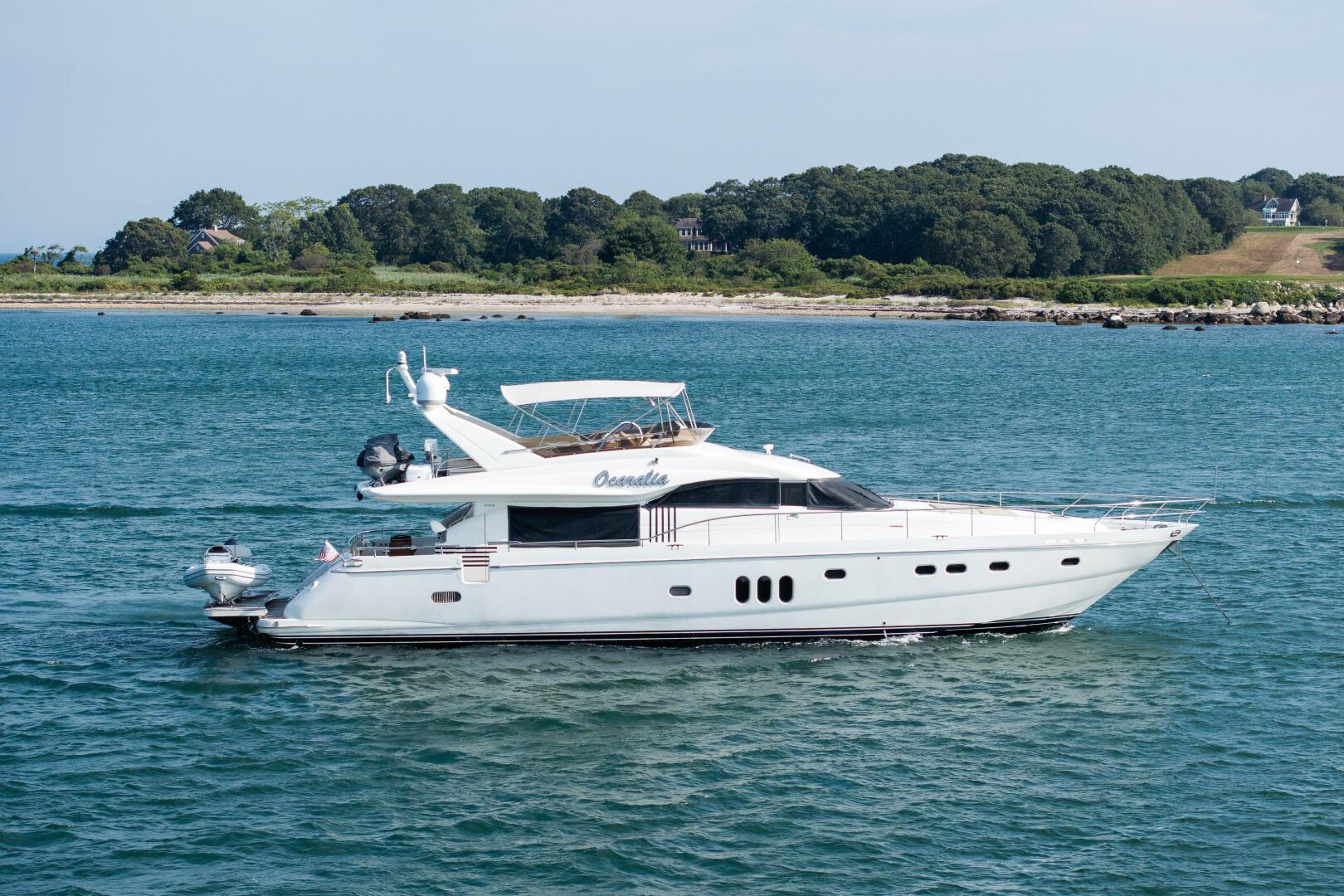
2008 Princess Yachts OCARALIA
$1,095,000
75
Charleston South Carolina
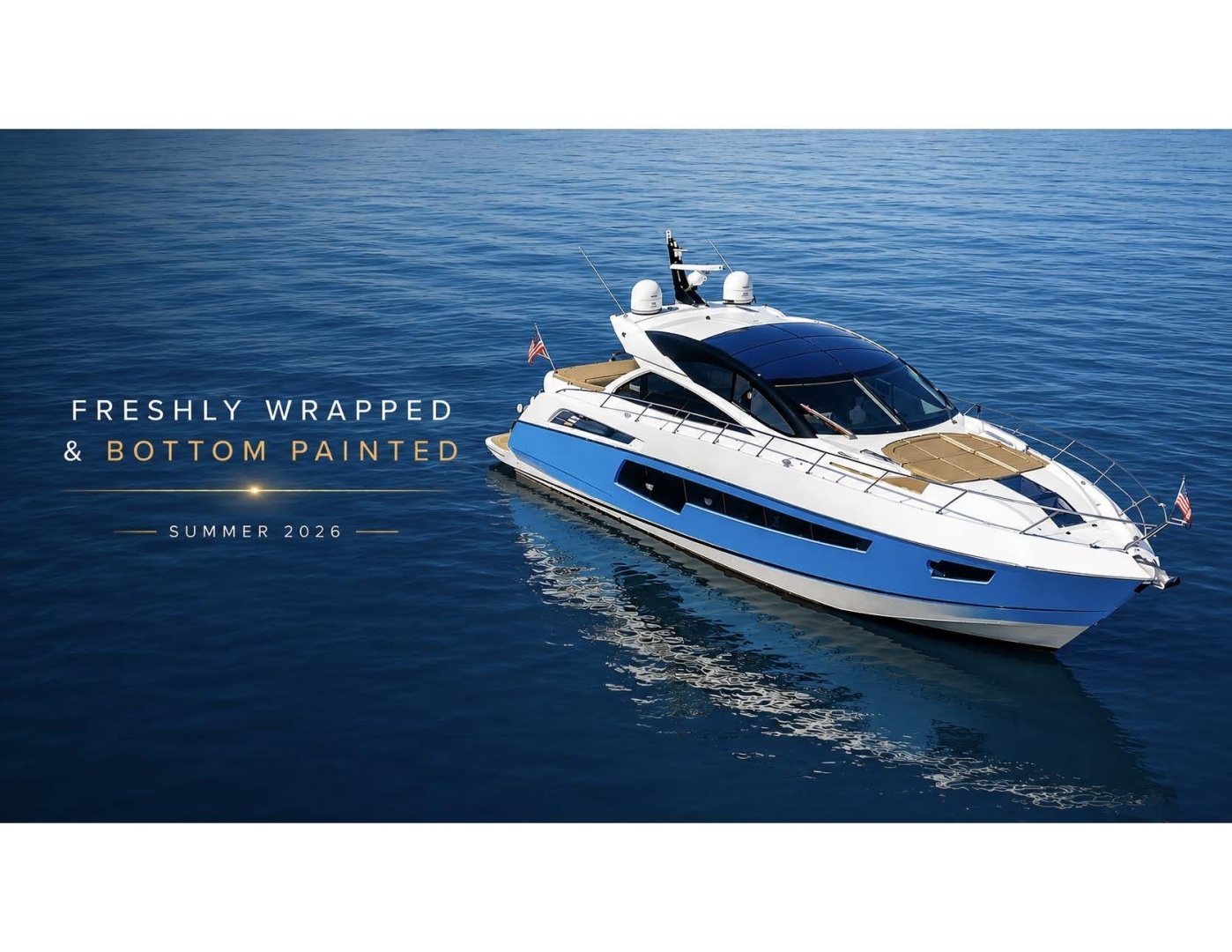
2014 Sunseeker
$1,400,000
68
New York New York

2024 Fairline
$2,750,000
68
Ft. Lauderdale Florida

2024 Sunreef Catallaxi
$3,700,000
60
Newport Rhode Island
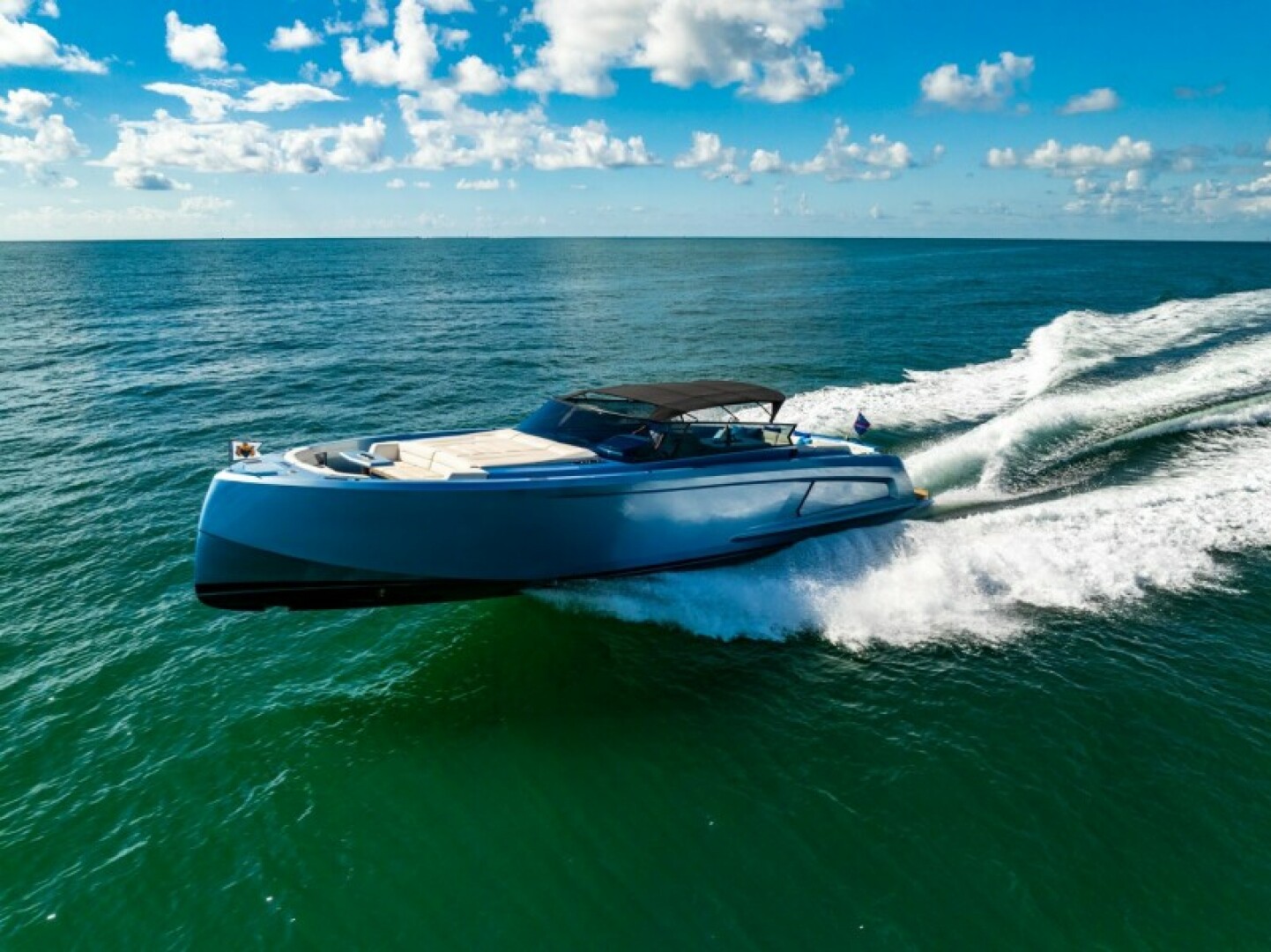
2019 Vanquish Yachts IMPULSIVE
$1,799,000
58
Miami Beach Florida
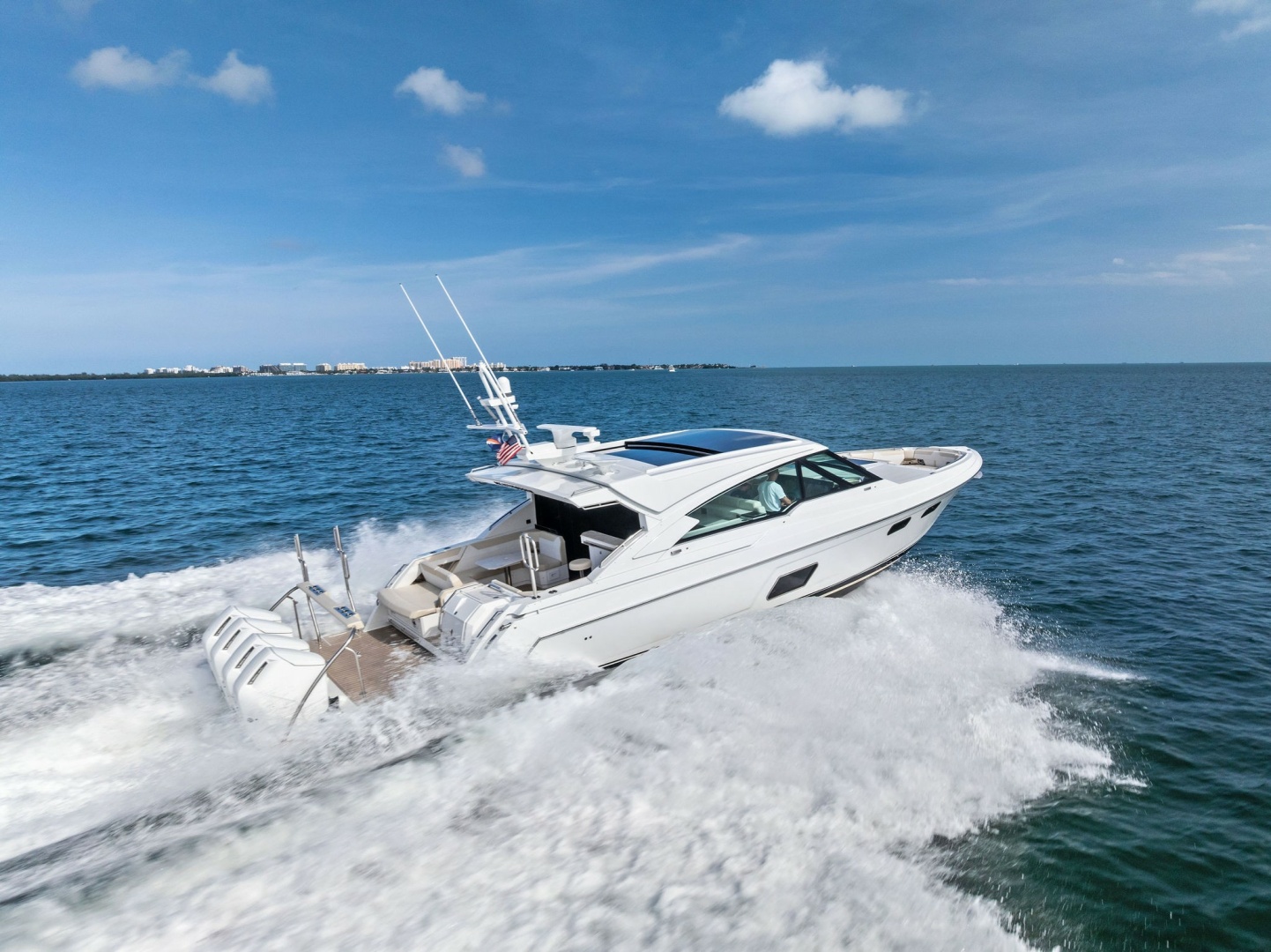
2025 Formula BREAKTHROUGH III
$1,895,000
53
Miami Beach Florida

2023 Fairline
$900,000
45
Fort Lauderdale Florida
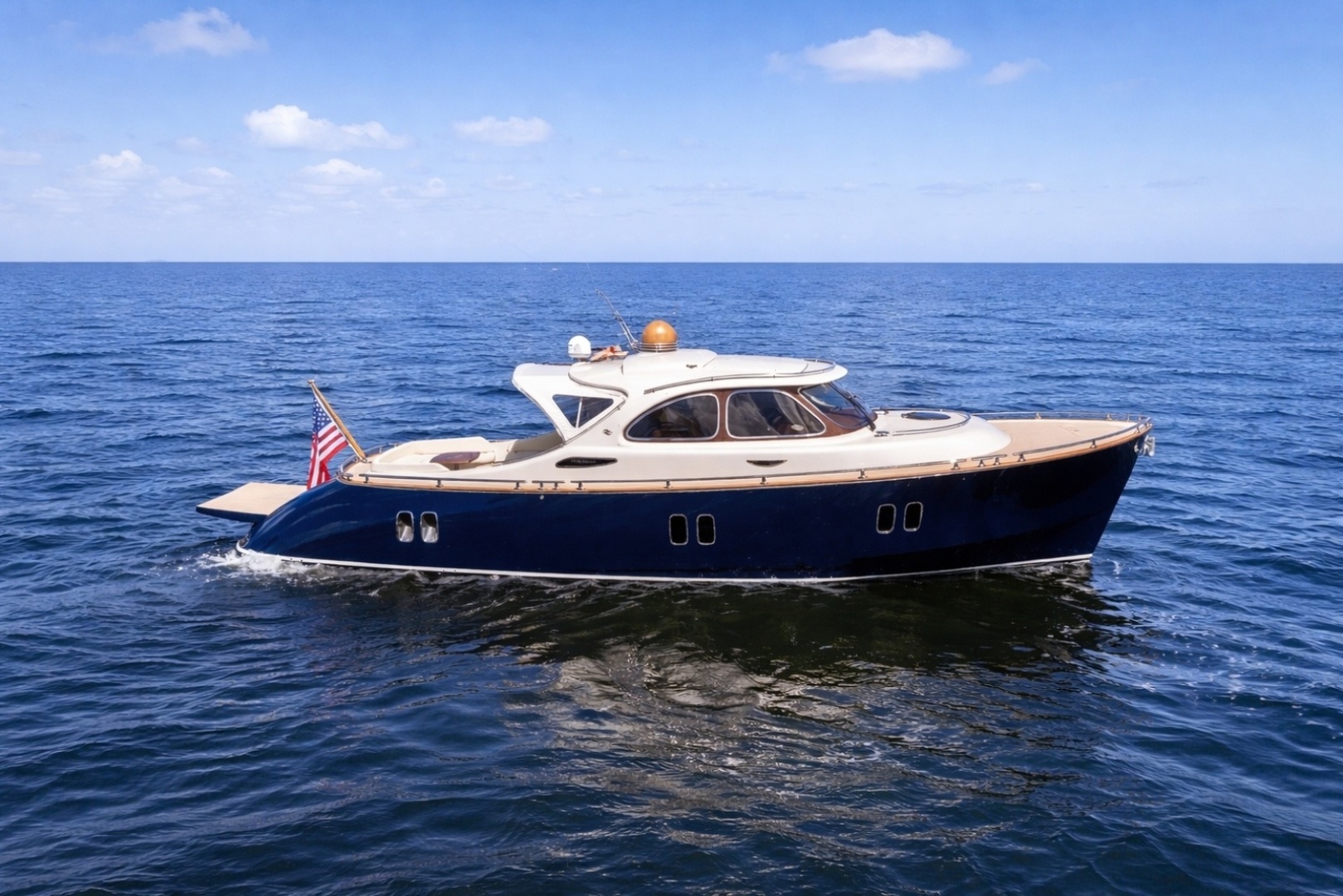
2012 Zeelander Mississippi Queen
$575,000
44
West Palm Beach Florida
2019 Bilgin 156'
$21,404,500
2028 Columbus Yachts 137'
$22,900,008
2012 Benetti 132'
$10,975,000
2024 Silver Yachts 117'
$25,400,000
2009 Hargrave 114'
$2,995,000
2028 Extra Yachts 100'
$21,404,500
2028 Extra Yachts 96'
$9,495,000
2021 Sanlorenzo 96'
$6,795,000
1999 Northern Marine 84'
$2,495,000
2013 Pershing 82'
$1,750,000
1997 Ferretti Yachts 80'
$850,000
2008 Princess Yachts 75'
$1,095,000
2014 Sunseeker 68'
$1,400,000
2024 Fairline 68'
$2,750,000
2024 Sunreef 60'
$3,700,000
2019 Vanquish Yachts 58'
$1,799,000
2025 Formula 53'
$1,895,000
2023 Fairline 45'
$900,000
2012 Zeelander 44'
$575,000