

Owning a luxury yacht is one of life’s most profound expressions of freedom, and yet beneath that sense of open water lies a legal landscape as intricate as any ocean chart. A single misstep in documentation, flag registration, or tax structuring can transform your floating sanctuary into a source of financial and legal distress. Vessel seizures, contested ownership claims, and charter disputes are not abstract risks; they are documented realities that catch even experienced yacht owners off guard. This guide walks you through every essential category of yacht legal service so that your time on the water remains exactly what it should be: seamless, exclusive, and entirely on your terms.
Table of Contents
- Core legal services for yacht transactions
- Yacht registration, flag selection, and international compliance
- Maritime tax planning and financial structuring
- Yacht chartering, crewing, and operational legalities
- Dispute resolution, vessel arrests, and maritime finance
- What most yacht owners miss about legal services
- Next steps: Secure your yachting experience with expert help
- Frequently asked questions
Key Takeaways
| Point | Details |
|---|---|
| Specialized contracts matter | Poorly drafted yacht agreements and missing paperwork cause major legal headaches. |
| Flag selection shapes liability | Choosing the right registry impacts taxes, privacy, and operational risks. |
| Tax strategy saves money | Smart VAT planning and ownership structures can protect assets and avoid surprise costs. |
| Dispute planning prevents losses | Efficient contracts and proactive legal advice reduce expensive conflicts or vessel arrests. |
| Integration is key | Combining legal, tax, and operational strategies gives the best long-term outcomes. |
Core legal services for yacht transactions
Every successful yacht purchase or sale begins long before the champagne is uncorked. The foundation is a precisely drafted sale and purchase agreement, which includes the Memorandum of Agreement (MoA) and Bill of Sale. These documents establish price, delivery conditions, warranty scope, and liability transfer. Poorly worded clauses in either document have triggered years of costly litigation, and courts consistently favor the party whose contract terms were explicit and unambiguous.
Before any agreement is signed, thorough due diligence on title and liens is non-negotiable. Buyers need to verify clear chain of ownership, identify any maritime liens, and assess the seller’s financial standing to ensure no creditors can later claim an interest in the vessel. Skipping this step has left buyers holding expensive assets that arrived with hidden debt obligations attached.

Consider the lessons from the Maltese Falcon 2025 resale proceedings, where ambiguous contractual language around equipment warranties generated a multi-month dispute that delayed the transfer and cost both parties significant legal fees. That outcome was entirely preventable with precise drafting from the outset.
Essential steps in any yacht transaction:
- Negotiate and draft a watertight MoA with clear payment milestones
- Commission an independent survey and verify all equipment lists
- Conduct title searches through the vessel’s flag state registry
- Confirm no outstanding liens or mortgages with maritime authorities
- Execute a compliant Bill of Sale upon final payment confirmation
Pro Tip: Always request a certified extract from the flag state registry immediately before closing. Liens can be registered at the last moment, and a same-day search is the only reliable protection.
“A contract is only as strong as its weakest clause. Courts do not rewrite agreements for parties who failed to anticipate disputes in writing.” This reality, reinforced in commercial yacht litigation across London, Miami, and Monaco in recent years, underscores why specialized maritime legal counsel is indispensable from day one.
For a broader understanding of how these protections fit together, our yachting legal guide offers additional context, and our personalized yacht sale support ensures you never navigate those steps alone.
Yacht registration, flag selection, and international compliance
Once ownership is secured, the next critical decision is where to register your vessel. Flag state selection shapes everything from insurance premiums and charter eligibility to tax exposure and crew certification requirements. This is not a one-size-fits-all decision.
Popular flag states for tax and privacy benefits include the Cayman Islands, Malta, and the Marshall Islands, each offering distinct advantages depending on your cruising area, charter intentions, and ownership structure.
| Flag State | Tax Advantages | Privacy | Charter Eligibility | Compliance Burden |
|---|---|---|---|---|
| Cayman Islands | High | Very High | Excellent | Moderate |
| Malta | EU VAT benefits | High | Full EU access | High |
| Marshall Islands | Minimal taxation | High | Global | Low to Moderate |
| US (USCG) | N/A | Moderate | US waters only | High |
Beyond registration, your vessel must comply with an overlapping series of international regulatory regimes, including ISM (International Safety Management), ISPS (International Ship and Port Facility Security Code), MLC (Maritime Labour Convention), and SOLAS (Safety of Life at Sea). For vessels operating in American waters, the Jones Act adds a separate layer of domestic cabotage law that restricts foreign-flagged vessels from transporting passengers between US ports.
Pros and cons of offshore flag registration:
- Pros: Reduced annual fees, favorable tax treatment, stronger confidentiality, access to international charter markets
- Cons: Potential perception issues in certain jurisdictions, stricter insurance scrutiny, need for ongoing flag state compliance monitoring
Non-compliance carries consequences that range from port detentions to full vessel seizure. Italy, in particular, has enforced aggressive VAT compliance checks on superyachts in its waters, triggering seizures for unpaid VAT obligations exceeding €10,000. Choosing the right flag state from the start, and maintaining ongoing compliance, is genuinely protective.
Pro Tip: Flag choice directly affects your charter license eligibility. If you intend to generate charter income in European Union waters, Malta’s flag provides direct access to EU VAT mechanisms that can be structured to your financial advantage. Failing to align your flag with your charter territory is one of the most avoidable and expensive mistakes owners make.
For detailed guidance on this process, our flag registration guidelines and overview of types of yacht ownership provide practical frameworks to help you choose with confidence.
Maritime tax planning and financial structuring
The waters of yacht taxation are deceptively complex. VAT, customs duties, and import levies apply differently depending on where your vessel was built, where it cruises, and how it is owned. A yacht delivered outside the EU and brought into European waters without proper customs clearance can face immediate import VAT liability, which on a multimillion-dollar vessel represents a very significant sum.
Maritime tax planning, VAT structuring, and Temporary Admission relief are specialized legal tools that, when applied correctly, allow owners to manage or defer substantial fiscal obligations. Temporary Admission, for instance, permits non-EU flagged yachts to cruise EU waters for up to 18 months without triggering import VAT, provided strict conditions are met.
Steps to claim Temporary Admission status:
- Confirm the yacht is registered under a non-EU flag and owned by a non-EU resident
- Submit the appropriate customs declaration upon entering EU territorial waters
- Maintain detailed logs of the vessel’s itinerary and usage to demonstrate compliance
- Monitor the 18-month timeline and plan departure or formalization before expiry
- Consult with a maritime tax lawyer before any charter activity, which can void Temporary Admission status
Equally important is the choice of ownership structure. The entity through which you hold your yacht determines your personal liability exposure, your privacy, and your tax obligations across multiple jurisdictions.
| Ownership Structure | Privacy | Liability Protection | Tax Efficiency | Succession Ease |
|---|---|---|---|---|
| Individual Ownership | Low | None | Jurisdiction-dependent | Complex |
| LLC | Moderate | Strong | Moderate to High | Moderate |
| Trust | Very High | Strong | High (with planning) | Excellent |
| One-Ship Company | High | Strong | High | Moderate |
Pro Tip: EU succession law, particularly under EU Regulation 650/2012, can impose the inheritance laws of the country where the owner was habitually resident at the time of death. This can override carefully constructed ownership structures if succession is not planned in advance. Engaging an estate planning attorney alongside your maritime lawyer before registering your yacht is a step that many owners defer and later regret.
Explore our guides on yacht tax strategies and ownership structure optimization to understand how these decisions compound over time.
Yacht chartering, crewing, and operational legalities
If your yacht will generate charter income, whether seasonally or as a primary commercial strategy, the legal framework governing those arrangements requires its own careful architecture. Charter agreements must clearly define the scope of the charterer’s rights, the owner’s retained responsibilities, insurance obligations, and the precise conditions under which either party may terminate the arrangement.
Bareboat charters, in particular, present distinct legal exposure. The Songa Pride case established important precedent around owner repossession obligations when a vessel is returned in a condition materially different from delivery. As one maritime judge summarized:
“The owner’s duty to take back a bareboat-chartered vessel does not suspend their liability for the vessel’s compliance with port state regulations at the moment of redelivery. The legal obligation travels with the hull, not the charter agreement.”
This underscores why every charter agreement must address redelivery standards explicitly, including condition surveys, fuel levels, outstanding port dues, and crew clearance documentation.
Crewing contracts and maritime social legislation represent another frequently underestimated area. The Maritime Labour Convention sets minimum standards for crew employment contracts, rest hours, health coverage, and repatriation obligations. Non-compliance exposes owners to port state detentions and crew claims that can freeze a vessel’s operations entirely.
Key elements every charter agreement should address:
- Delivery and redelivery condition standards, including independent survey rights
- Liability allocation for onboard incidents and third-party damage
- Insurance requirements for both owner and charterer
- Arbitration clause specifying jurisdiction and governing law
- Cancellation terms and deposit forfeiture conditions
Pro Tip: Including a well-drafted arbitration clause specifying London Maritime Arbitrators Association (LMAA) or the Society of Maritime Arbitrators (SMA) rules can resolve disputes in months rather than years, and typically at a fraction of the cost of full litigation.
Our guide on yacht co-ownership benefits extends these principles into shared ownership arrangements, where clear legal agreements are even more critical.
For a visual sense of how premier yachts are presented in charter contexts, this superyacht tour with broker illustrates the environment your legal framework is ultimately protecting.
Dispute resolution, vessel arrests, and maritime finance
Even with the strongest contracts, disputes arise. Maritime law provides a structured framework for resolving them, though the options available to you depend heavily on the agreements you signed, the jurisdiction where the dispute arose, and whether a vessel is involved as collateral.
Maritime litigation and arbitration cover the full spectrum of yacht-related disputes, from unpaid purchase installments and contested survey findings to crew injury claims and collision liability. Arbitration is generally preferred in the yachting world for its speed, confidentiality, and access to specialist decision-makers who understand the technical and commercial realities of the industry.
Vessel arrest is among the most powerful tools in maritime law. When a creditor has a legitimate maritime claim, they can apply to arrest a yacht in rem, meaning they sue the vessel itself rather than (or in addition to) the owner. This mechanism can freeze a yacht in port until security is provided or the claim is resolved.
Common triggers for vessel arrest:
- Unpaid mortgage or ship finance obligations
- Disputed sale and purchase agreements
- Crew wage claims and repatriation costs
- Collision damage claims
- Unpaid port dues or fuel supplier invoices
However, in rem jurisdiction has defined limits. Under English Admiralty law, a creditor can only arrest the specific vessel against which the claim arose. The doctrine does not extend to sister ships for unrelated debts, which has significant implications for owners who hold multiple vessels under a single group structure.
“Vessel finance arrangements, including preferred ship mortgages and shipbuilding contracts, carry their own distinct legal regimes. A mortgage registered under one flag may not be automatically recognized by the courts of another jurisdiction without specific legal steps to enforce it.” This nuance matters enormously when vessels transit multiple legal territories.
Pro Tip: If your vessel is seized for VAT non-compliance in Italy, the process escalates quickly. Italian authorities can initiate criminal proceedings when the unpaid VAT exceeds €10,000. Engaging a local maritime attorney within the first 24 hours is not just advisable; it is the difference between a swift resolution and a prolonged ordeal.
Vessel finance and mortgages also require specialized attention, particularly when cross-border enforcement is anticipated. Preferred ship mortgages, shipbuilding contracts, and refitting finance all carry specific registration and priority rules that interact in complex ways with insolvency and arrest proceedings.
What most yacht owners miss about legal services
Here is the truth that most legal guides avoid: the individual services described above are each valuable in isolation, but their real protective power comes from strategic coordination. Many owners engage a tax lawyer for one transaction, a charter specialist for another, and a disputes lawyer only when something goes wrong. This fragmented approach leaves gaps that experienced opposing counsel will find.
The owners who navigate yacht ownership most smoothly are those who treat legal structuring as an ongoing strategy, not a series of isolated tasks. Selecting your flag state without considering succession implications, or structuring your charter income without aligning it with your ownership entity, are the kinds of disconnections that surface years later as expensive surprises.
We have seen clients use integrated legal structuring to build ownership frameworks that simultaneously protect privacy, optimize tax, simplify charter compliance, and provide a clear succession pathway. That kind of holistic approach requires specialists who communicate with each other and who understand how maritime law, tax law, and commercial contract law intersect.
Pro Tip: Schedule an annual review of your legal framework with your full advisory team, including your maritime lawyer, tax counsel, and brokerage advisor. Regulations change, flag state requirements evolve, and the EU has shown consistent appetite for tightening VAT enforcement on pleasure vessels. An annual review costs a fraction of what reactive legal intervention demands.
Next steps: Secure your yachting experience with expert help
The legal architecture surrounding your yacht is as essential as the engineering beneath the waterline. When it is built correctly, you never notice it. When it fails, everything stops.
At Yachts by Steve, we work alongside clients who understand that the purchase or sale of a luxury vessel is only the beginning of the relationship. Whether you are exploring how to choose a yacht broker who genuinely understands the legal dimensions of a transaction, or you want to understand the full scope of expert yacht brokerage support available to you, we are here to connect the right resources with the right moment in your journey. Our yacht specification guidance further ensures that what you purchase aligns not just with your aspirations but with your legal and operational realities.
Reach out to our team today. The right guidance at the right moment makes every voyage, and every transaction, one to remember.
Frequently asked questions
What is the most common legal problem in yacht transactions?
Title defects, unpaid liens, and missing documentation are the most frequent issues, and they routinely delay or completely derail yacht sales that otherwise appeared straightforward.
Which flag state is best for privacy and tax benefits?
The Cayman Islands, Malta, and Marshall Islands are the most popular choices for tax efficiency and privacy, but the best option depends on your cruising area, domicile, and charter intentions.
How is yacht charter income taxed?
Charter income is typically subject to VAT structuring and local tax obligations, and careful advance planning is essential to access available reliefs and avoid double taxation across jurisdictions.
What happens if my yacht is seized for unpaid VAT?
In Italy, yacht seizures for VAT non-compliance over €10,000 can trigger criminal proceedings, making immediate expert legal intervention critical to securing a timely release.
Can I arrest a different vessel for unpaid yacht debts?
Under English Admiralty in rem jurisdiction, the arrest power applies only to the specific vessel involved in the claim, not to sister ships or related vessels in a group.
Recommended
Featured Listings
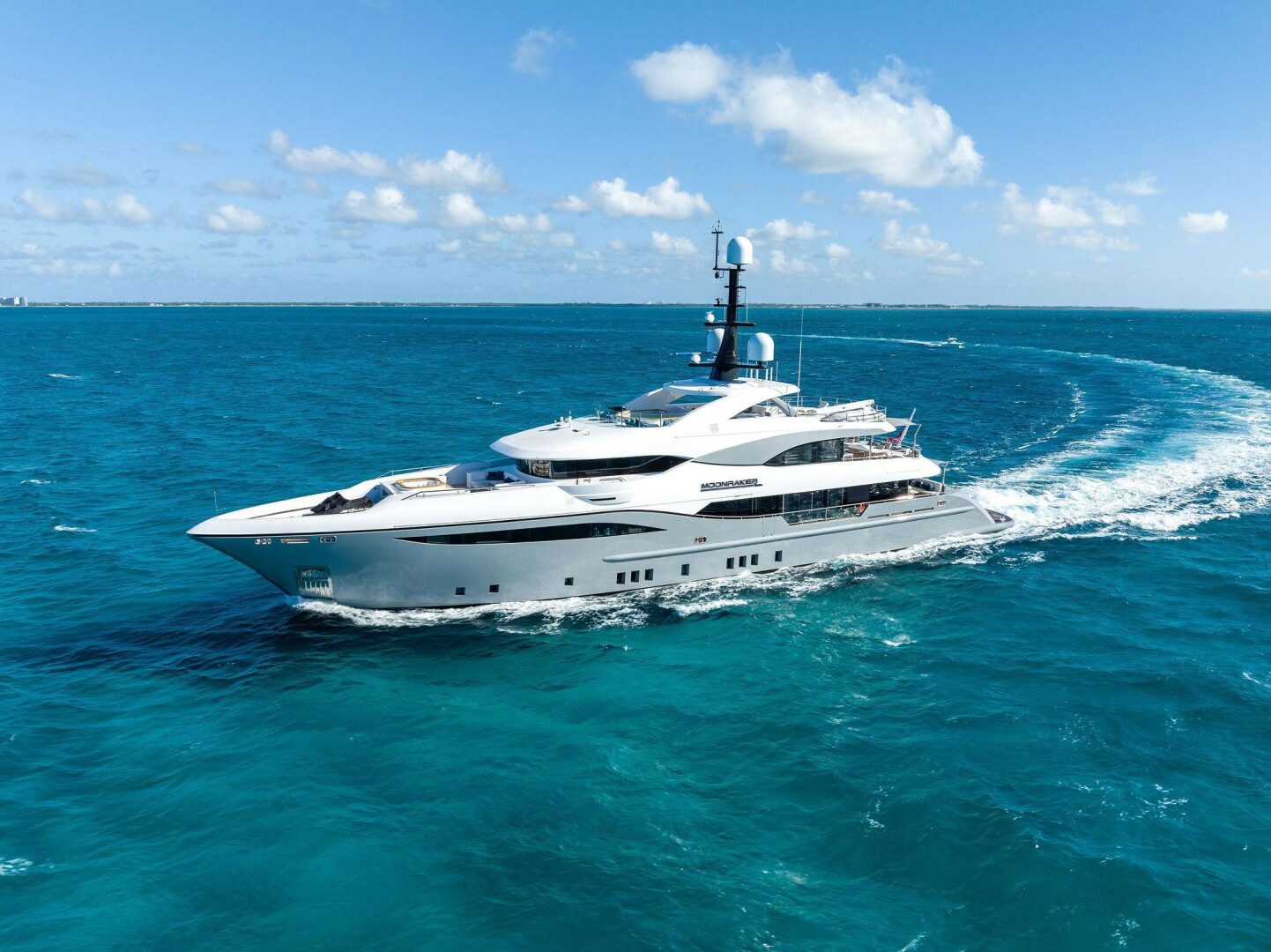
2019 Bilgin MOONRAKER
$21,404,500
156
West Palm Beach Florida

2028 Columbus Yachts
$22,900,008
137
Ancona
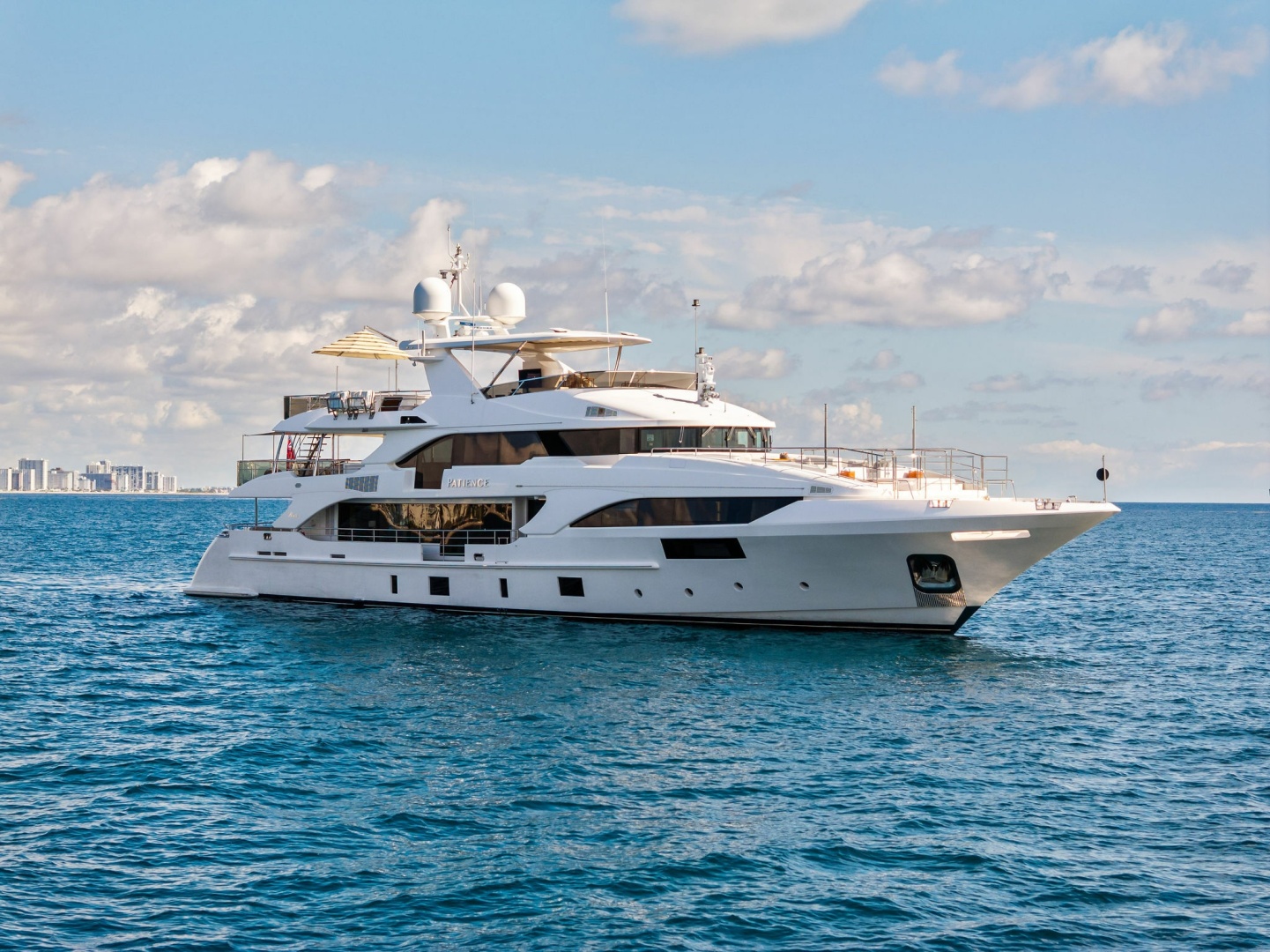
2012 Benetti PATIENCE
$10,975,000
132
Fort Lauderdale Florida
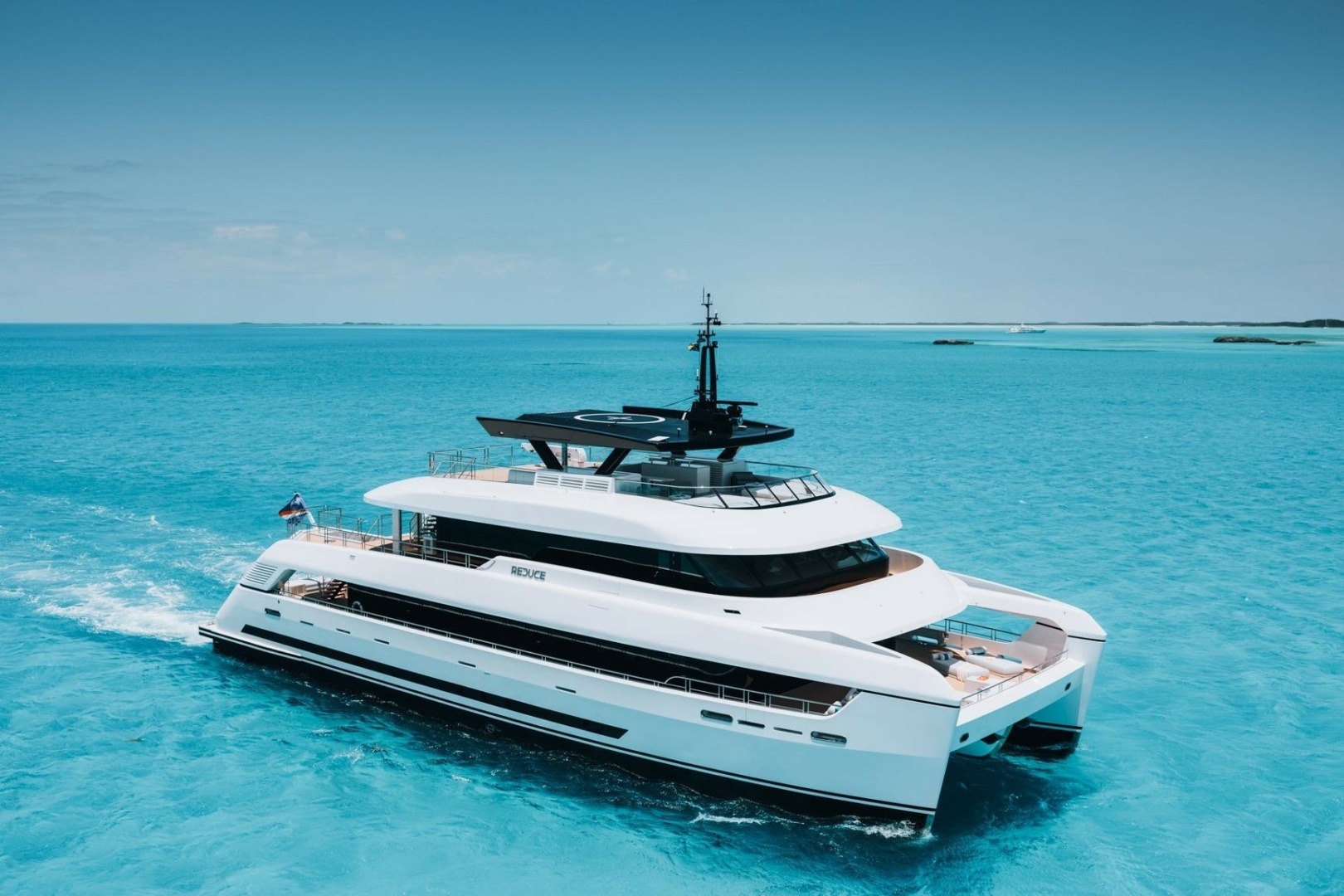
2024 Silver Yachts
$25,400,000
117
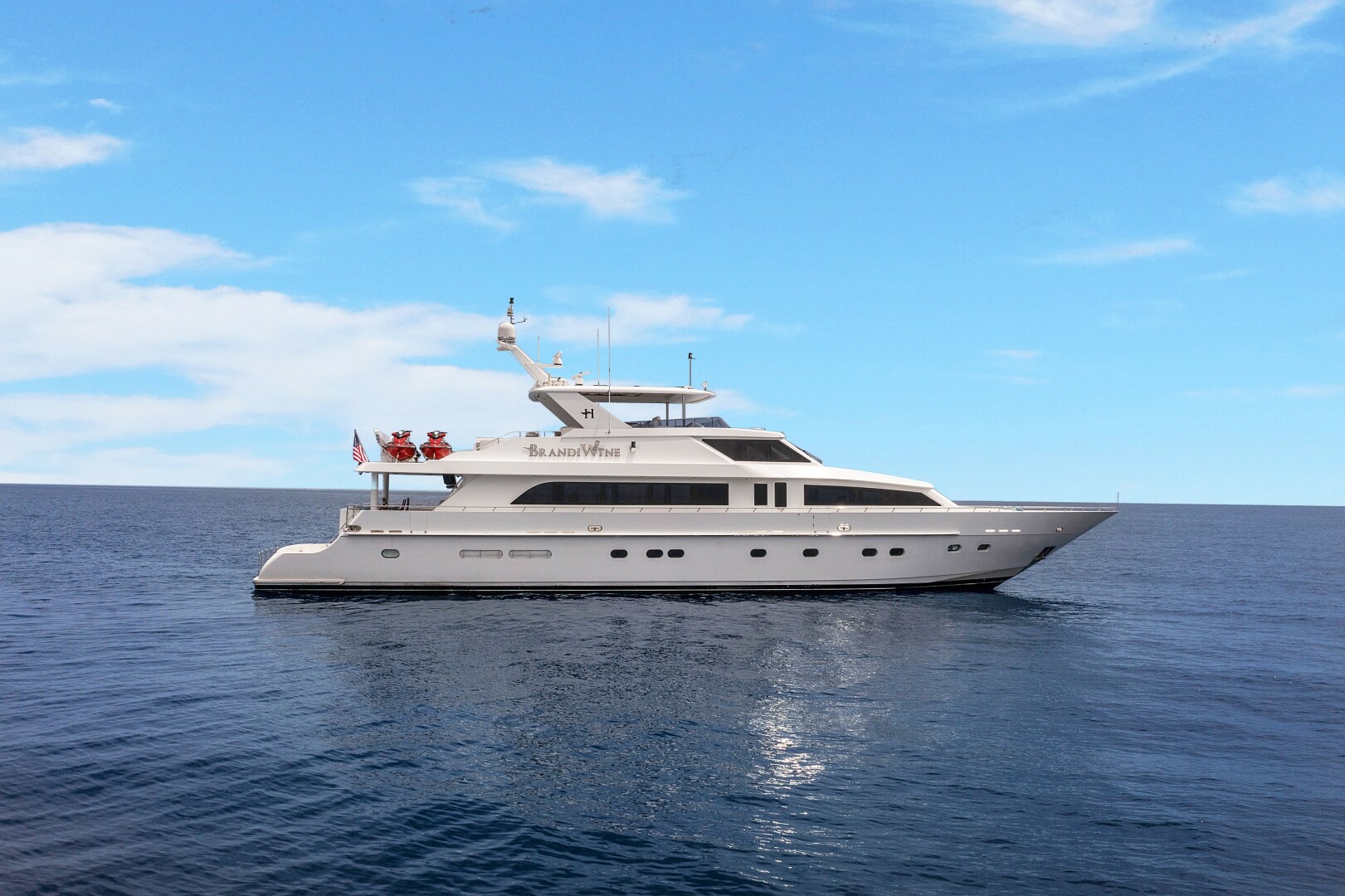
2009 Hargrave BRANDI WINE
$2,995,000
114
Fort Lauderdale Florida

2028 Extra Yachts
$21,404,500
100
Ancona

2028 Extra Yachts Extra 96
$9,495,000
96
Ancona
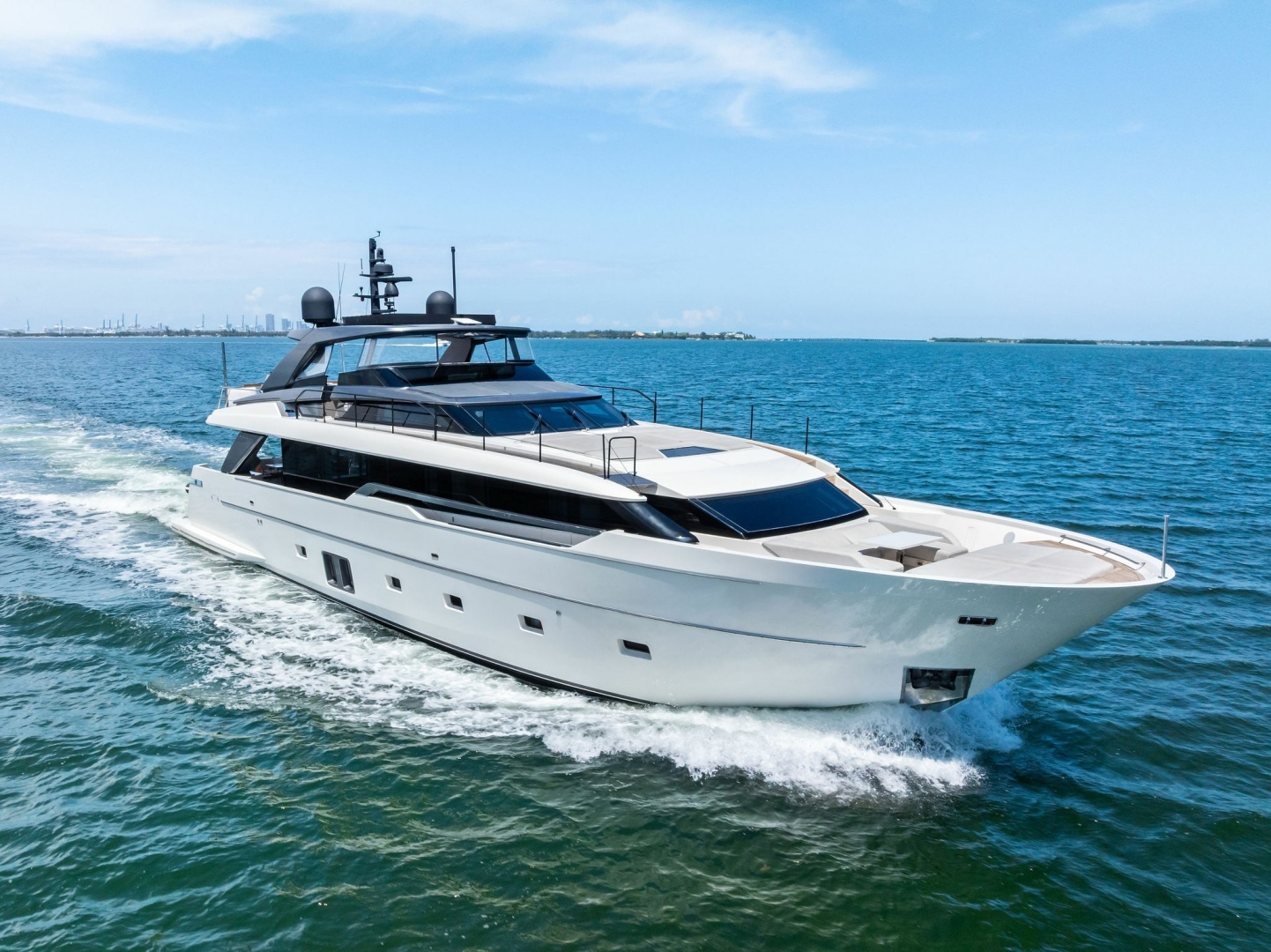
2021 Sanlorenzo GATSBY
$6,795,000
96
Miami Beach Florida

1999 Northern Marine OFF LINE
$2,495,000
84
Ft Lauderdale Florida
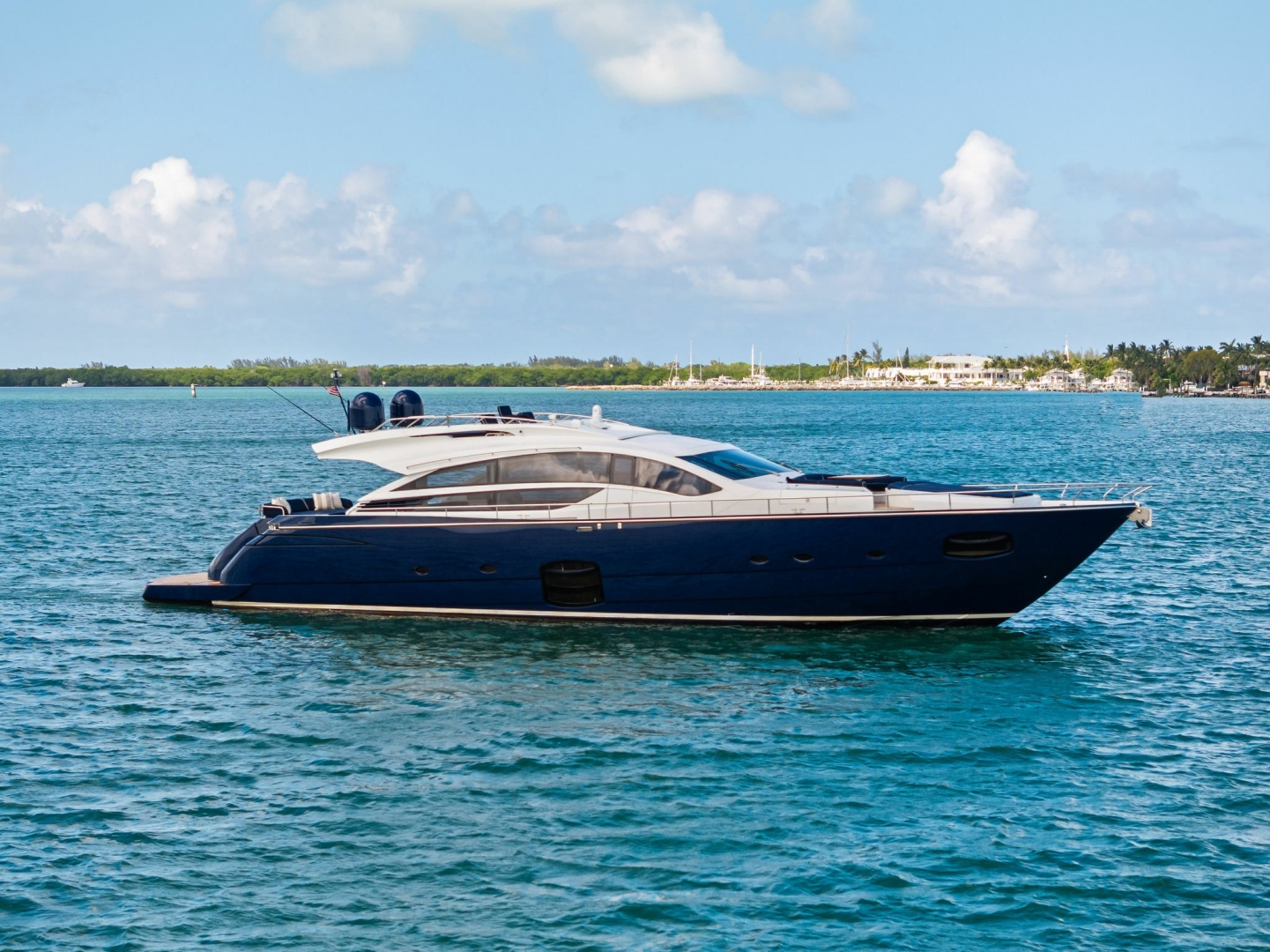
2013 Pershing DOROTHY ANN
$1,750,000
82
Miami Beach Florida

1997 Ferretti Yachts
$850,000
80
La Paz
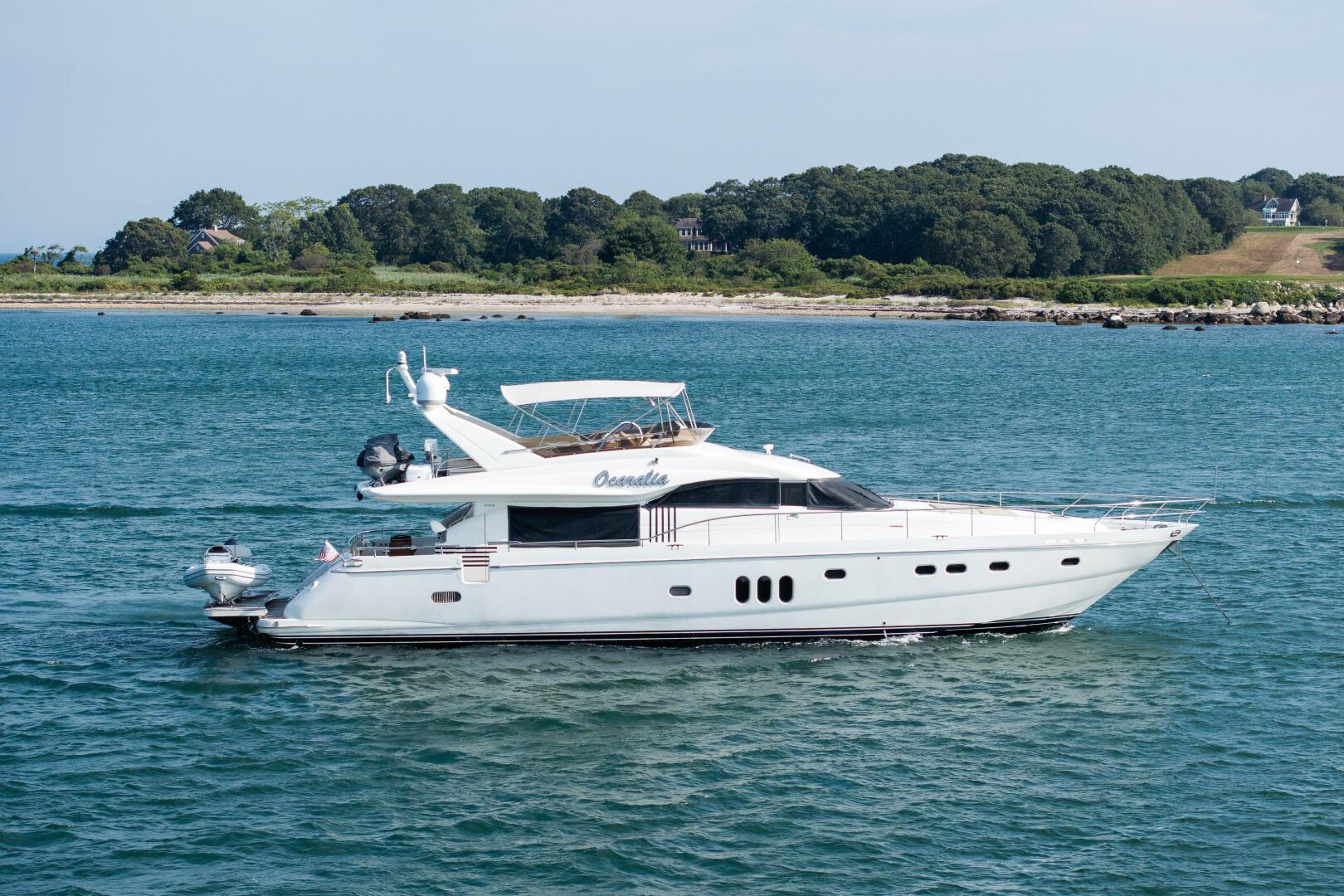
2008 Princess Yachts OCARALIA
$1,095,000
75
Charleston South Carolina
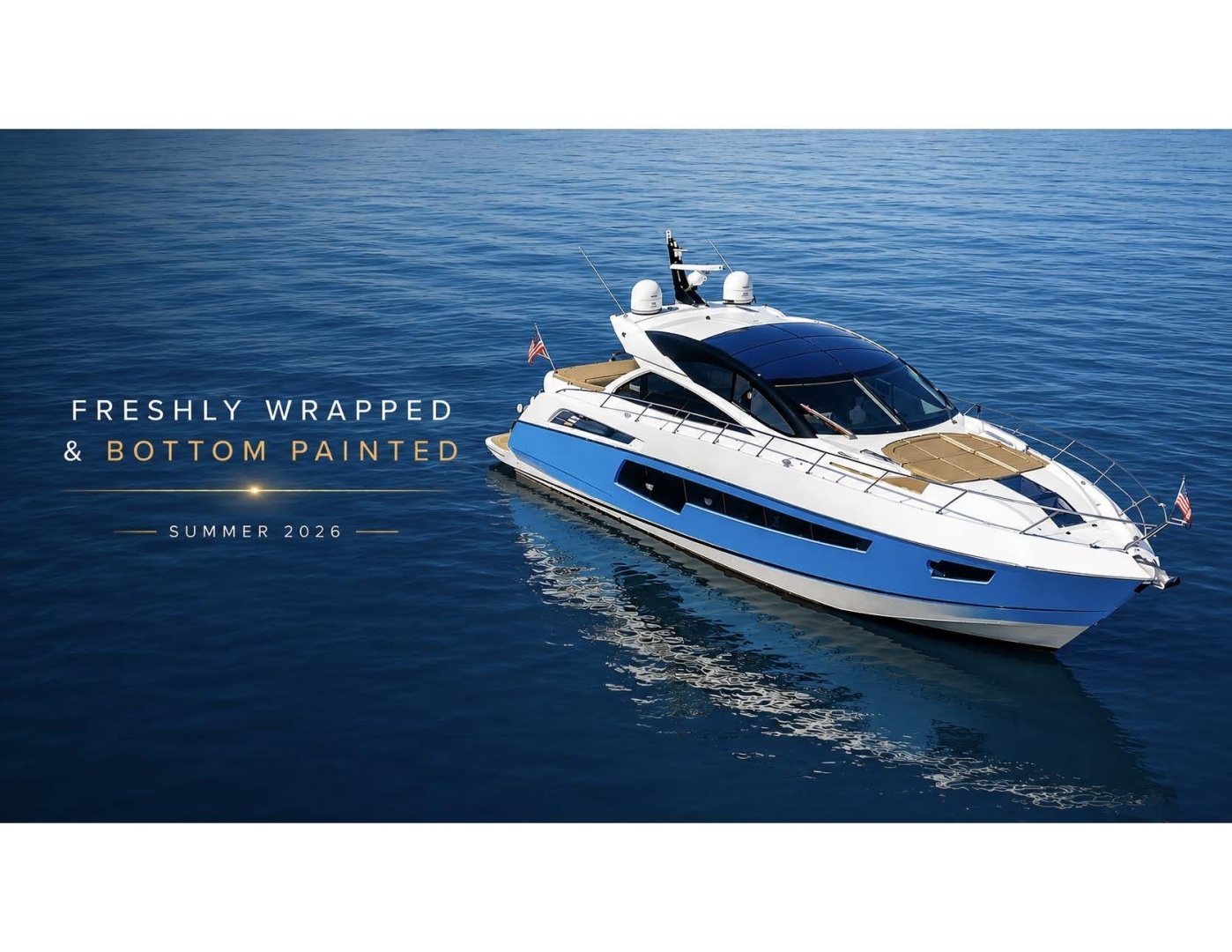
2014 Sunseeker
$1,400,000
68
New York New York

2024 Fairline
$2,750,000
68
Ft. Lauderdale Florida

2024 Sunreef Catallaxi
$3,700,000
60
Newport Rhode Island
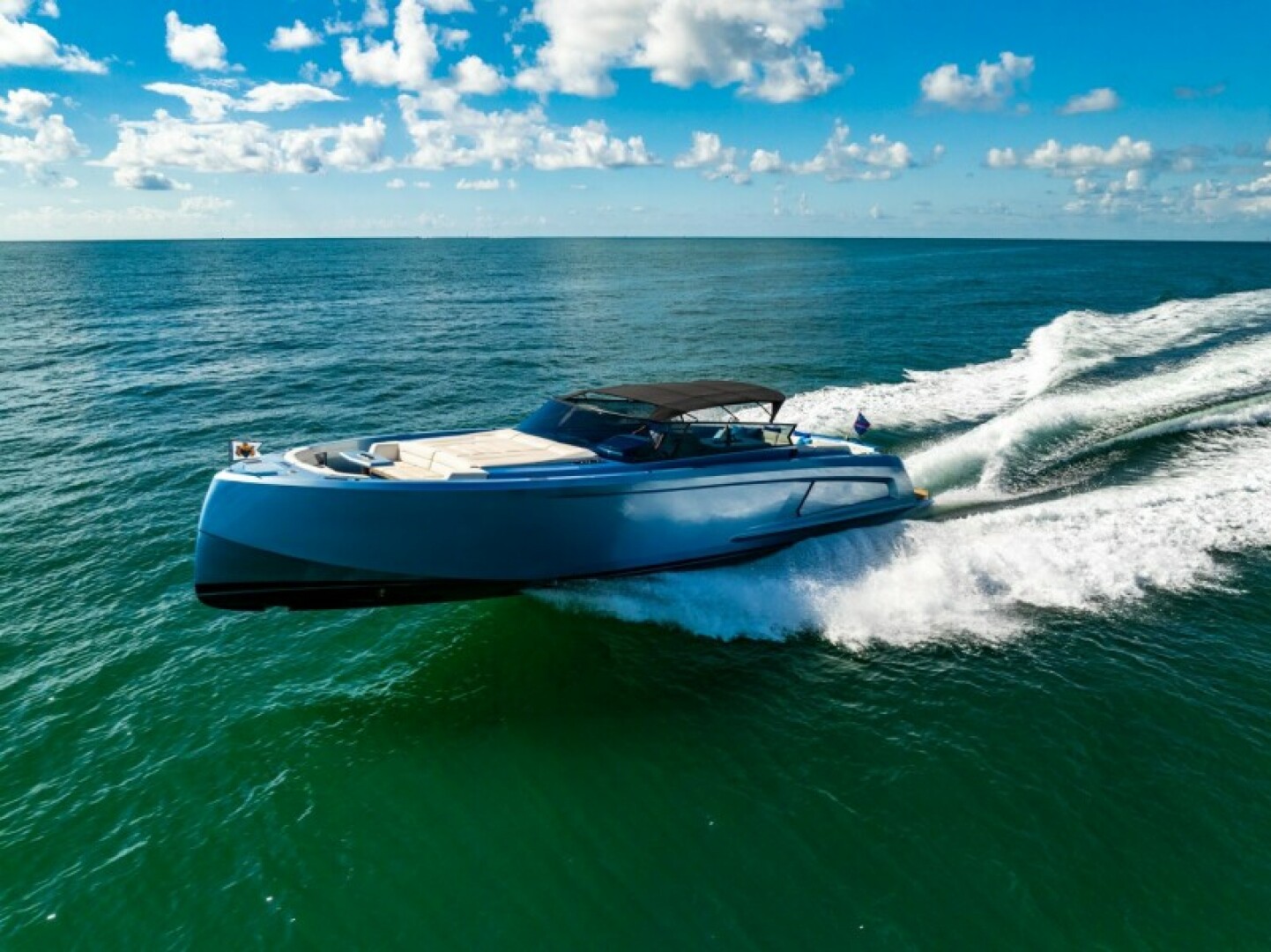
2019 Vanquish Yachts IMPULSIVE
$1,799,000
58
Miami Beach Florida
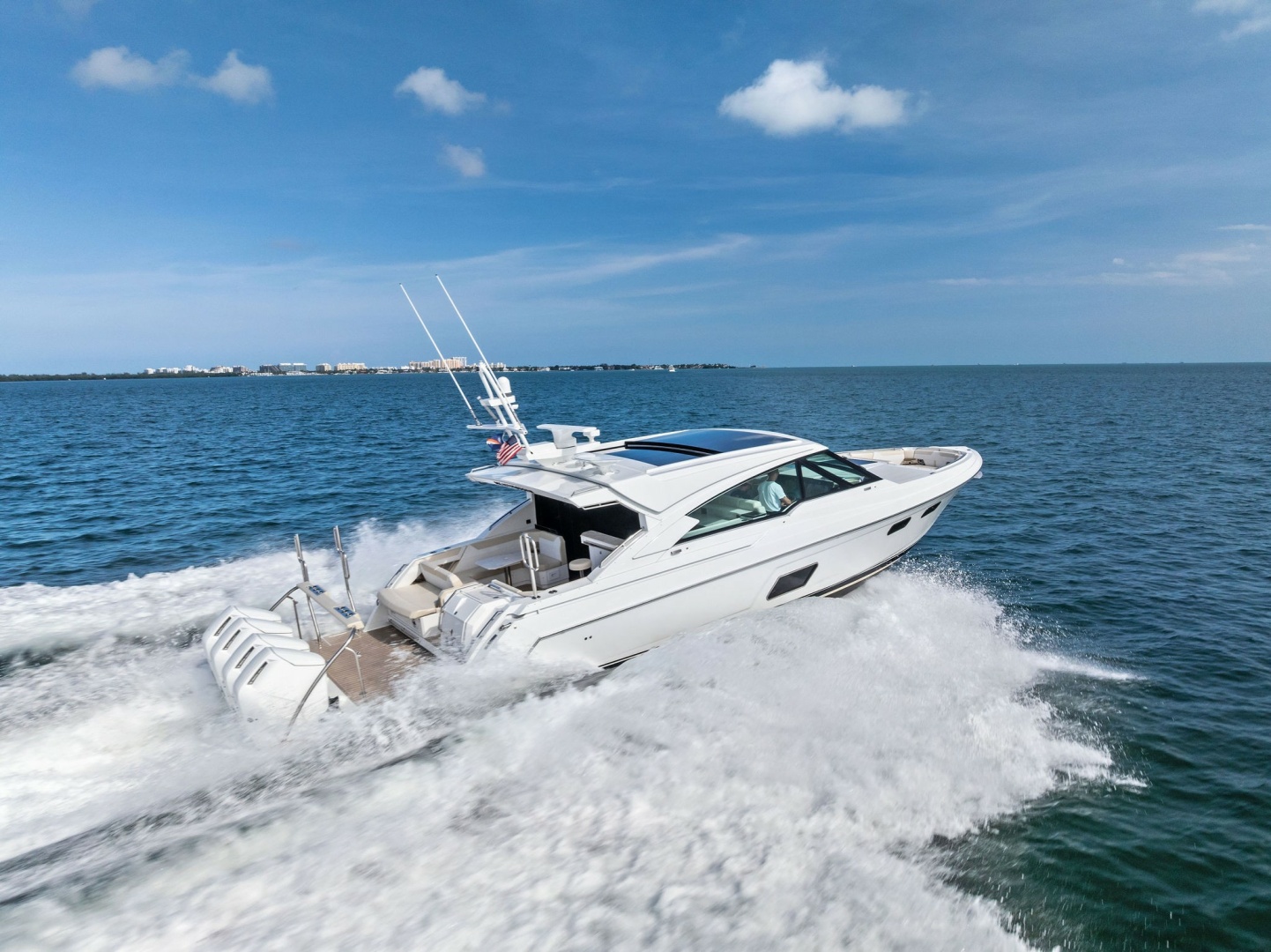
2025 Formula BREAKTHROUGH III
$1,895,000
53
Miami Beach Florida

2023 Fairline
$900,000
45
Fort Lauderdale Florida
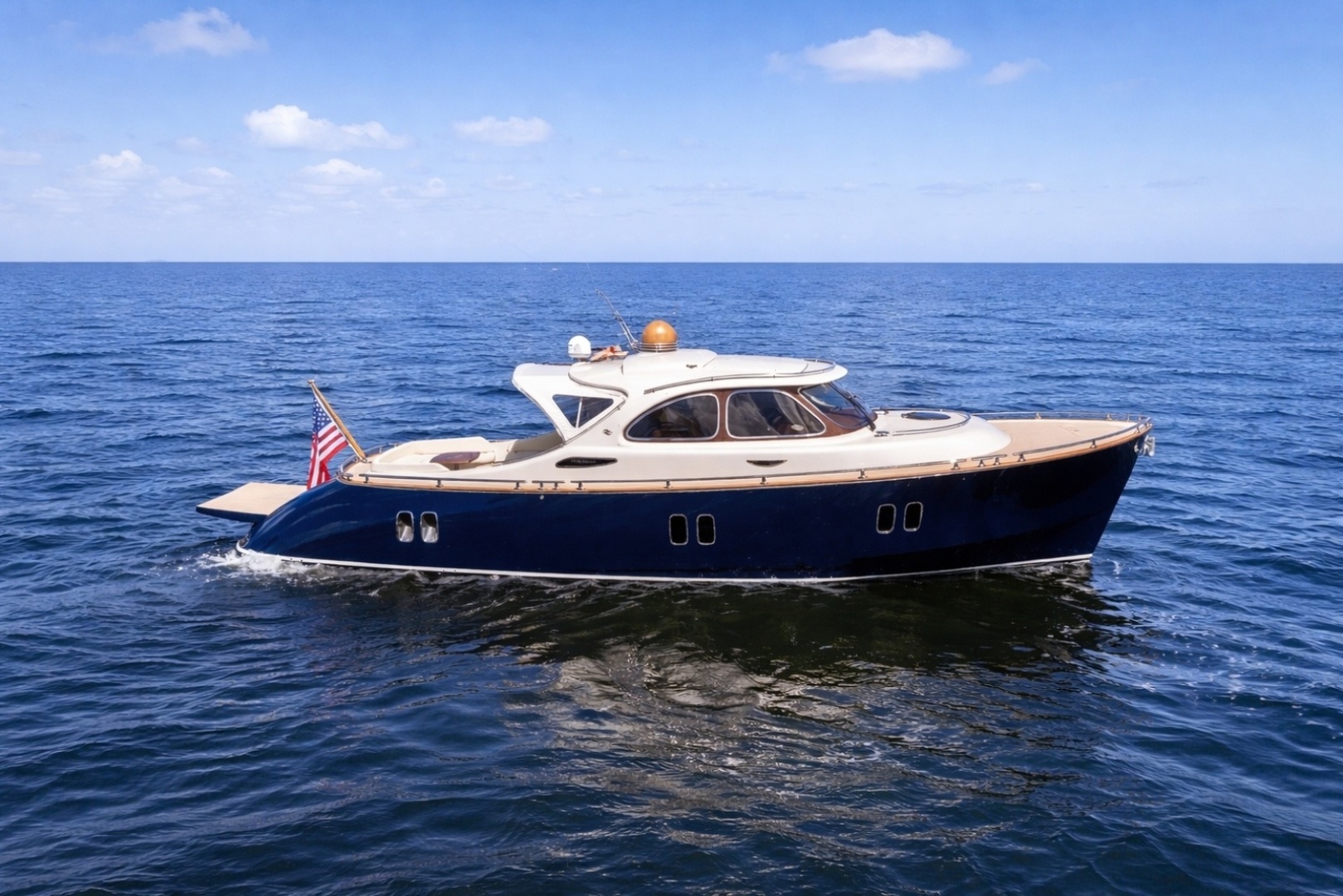
2012 Zeelander Mississippi Queen
$575,000
44
West Palm Beach Florida
2019 Bilgin 156'
$21,404,500
2028 Columbus Yachts 137'
$22,900,008
2012 Benetti 132'
$10,975,000
2024 Silver Yachts 117'
$25,400,000
2009 Hargrave 114'
$2,995,000
2028 Extra Yachts 100'
$21,404,500
2028 Extra Yachts 96'
$9,495,000
2021 Sanlorenzo 96'
$6,795,000
1999 Northern Marine 84'
$2,495,000
2013 Pershing 82'
$1,750,000
1997 Ferretti Yachts 80'
$850,000
2008 Princess Yachts 75'
$1,095,000
2014 Sunseeker 68'
$1,400,000
2024 Fairline 68'
$2,750,000
2024 Sunreef 60'
$3,700,000
2019 Vanquish Yachts 58'
$1,799,000
2025 Formula 53'
$1,895,000
2023 Fairline 45'
$900,000
2012 Zeelander 44'
$575,000