

Owning a luxury yacht represents a significant lifestyle investment, yet the path from initial interest to confident ownership remains unclear for many affluent buyers. The buying process involves complex financial planning, legal structuring, and ongoing operational responsibilities that extend far beyond the purchase price. This guide breaks down each step of yacht ownership, from preparation through active management, providing the clarity you need to make informed decisions and enjoy your vessel to its fullest potential.
Table of Contents
- Preparing For Yacht Ownership: What You Need To Know
- Step-By-Step Yacht Buying Process
- Managing Ongoing Yacht Ownership And Costs
- Using Chartering To Offset Ownership Expenses
- Explore Expert Yacht Brokerage Services
- Frequently Asked Questions
Key takeaways
| Point | Details |
|---|---|
| Financial planning is essential | Budget for purchase price plus 10-20% annual maintenance to avoid cost surprises. |
| Legal structure matters | LLC ownership protects personal liability and creates tax planning opportunities. |
| Financing requires equity | Expect to provide 20-30% equity upfront for yacht financing approval. |
| Chartering offsets costs | Charter programs can cover up to 60% of annual ownership expenses. |
| Registration impacts everything | Flag state selection affects taxes, compliance requirements, and insurance coverage options. |
Preparing for yacht ownership: what you need to know
Successful yacht ownership starts long before you sign purchase documents. Financial readiness extends beyond having funds for the purchase price. You need capital reserves for unexpected repairs, seasonal maintenance, crew salaries, and operating expenses that accumulate quickly.
Understanding yacht financing explained becomes crucial early in your planning. Lenders typically require 20-30% equity upfront, with the remaining balance financed over 10 to 20 years. Your credit profile, income documentation, and existing asset portfolio influence approval terms and interest rates significantly.
Legal ownership structure deserves careful attention before making offers. Many buyers establish limited liability companies (LLCs) to hold yacht title, protecting personal assets from maritime liability claims. These ownership structures for tax savings also create opportunities for tax optimization depending on your flag state and intended use patterns.
Registration, commonly called flagging, determines which nation’s maritime laws govern your vessel. This decision impacts tax obligations, privacy protections, crew requirements, and insurance availability. Popular flag states include the Cayman Islands, Marshall Islands, and various European registries, each offering distinct advantages for different ownership profiles.
Pro Tip: Engage maritime lawyers and financial advisors before making any offers to structure ownership correctly from day one, avoiding costly restructuring later.
Essential prerequisites to address during preparation include:
- Securing comprehensive marine insurance coverage
- Identifying qualified crew members or management companies
- Arranging a permanent mooring or marina slip
- Understanding import duties if purchasing internationally
- Reviewing your liquidity for first year operating costs
Working with specialists ensures compliance and maximizes financial benefits throughout the ownership period. These professionals navigate complex regulations that vary by jurisdiction, vessel size, and intended cruising areas.
Step-by-step yacht buying process
Once preparation is complete, the actual purchase follows a structured sequence designed to protect your investment. Each step builds on previous decisions while revealing new details about your prospective vessel.
- Define your specific requirements including size, range, accommodations, and intended cruising regions.
- Establish a realistic budget covering purchase, refit, and first year operations.
- Engage a qualified yacht broker through services like choosing a yacht broker to access comprehensive listings.
- Review available vessels matching your criteria and arrange viewings.
- Submit a letter of intent or preliminary offer on your selected yacht.
- Conduct thorough pre-purchase surveys with independent marine surveyors.
- Complete sea trials to assess mechanical systems, handling, and performance.
- Negotiate final terms based on survey findings and trial results.
- Execute purchase agreements with support from maritime legal counsel.
- Finalize financing, registration paperwork, and insurance policies.
- Complete brokerage compliance steps including documentation and title transfer.
- Take delivery and begin commissioning for your ownership period.
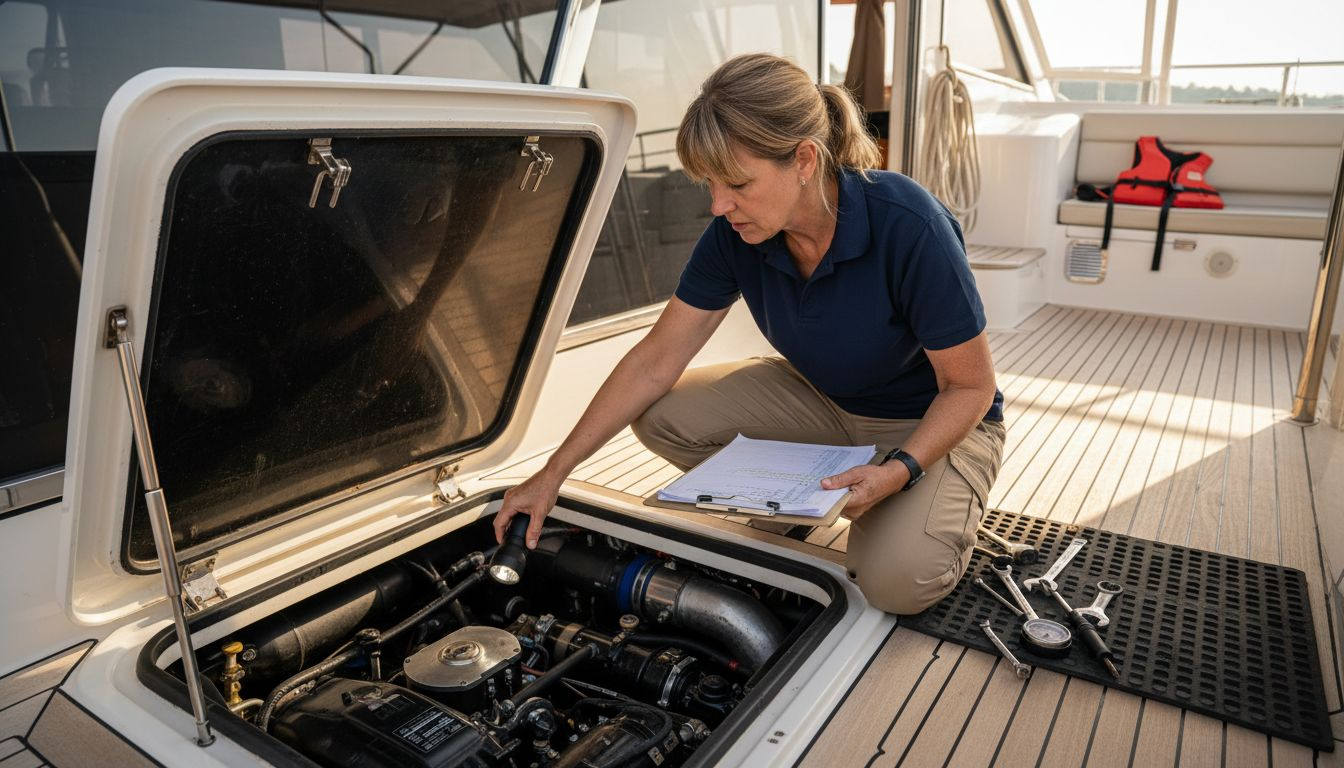
The inspection phase deserves particular attention since it reveals conditions that affect value and safety. Marine surveyors examine hull integrity, mechanical systems, electrical installations, and safety equipment. Sea trials demonstrate actual performance under operating conditions, exposing issues static inspections might miss.
Pro Tip: Create a detailed checklist covering every purchase phase to ensure nothing gets overlooked during the excitement of buying your yacht.
| Purchase Stage | Key Tasks | Timeline Importance |
|---|---|---|
| Search & Selection | Define criteria, review listings, arrange viewings | Establishes foundation for entire process |
| Due Diligence | Survey, sea trial, documentation review | Protects investment and reveals true condition |
| Legal & Financial | Contracts, financing, insurance, registration | Ensures proper structure and compliance |
| Closing & Delivery | Final payment, title transfer, commissioning | Completes ownership transition smoothly |
Your expert yacht buying guide provides additional depth on negotiation strategies and common pitfalls to avoid. Working with experienced brokers simplifies this complex process while providing market insights that individual buyers rarely access independently.
Managing ongoing yacht ownership and costs
Ownership responsibilities begin immediately after purchase and continue throughout your time with the vessel. Annual maintenance costs typically consume 10-20% of your yacht’s value, though actual expenses vary based on size, age, and usage patterns.
Maintenance encompasses regular servicing, seasonal preparations, and unexpected repairs. Engine overhauls, bottom painting, electronics updates, and interior refurbishment all demand budget allocation. Preventive maintenance schedules reduce long term costs while preserving vessel condition and resale value.
Staffing requirements scale with yacht size and complexity. Smaller vessels may operate with occasional crew, while larger yachts require full time captains, engineers, stewards, anddeckhands. Crew salaries, benefits, training, and turnover expenses represent substantial ongoing commitments.
Insurance premiums reflect vessel value, cruising areas, crew qualifications, and claims history. Comprehensive coverage protects against hull damage, liability claims, crew injuries, and environmental incidents. Annual policies require renewal with updated surveys for vessels over certain ages.
Pro Tip: Implement rigorous maintenance schedules from day one to prevent minor issues from becoming major expenses that hurt your yacht’s value.
Typical operating expenses as percentages of yacht value:
| Expense Category | Annual Percentage | Notes |
|---|---|---|
| Maintenance & Repairs | 10-20% | Industry standard range depending on age and condition |
| Crew Salaries | 5-10% | Scales dramatically with yacht size |
| Insurance | 1-2% | Varies by coverage, cruising area, claims |
| Dockage & Storage | 2-5% | Location dependent, premium marinas cost more |
| Fuel & Operations | 3-8% | Usage dependent, long range cruising increases costs |
Understanding your yacht valuation guide helps with budgeting and ensures proper insurance coverage. Market values fluctuate based on maintenance history, upgrades, and overall yacht market conditions.
Effective yacht pricing strategy when eventually selling depends heavily on documented maintenance and operational records. Professional yacht management benefits include expert oversight that maintains vessel condition while you focus on enjoyment rather than logistics.
Using chartering to offset ownership expenses
Chartering your yacht when not in personal use creates revenue streams that substantially reduce net ownership costs. Well managed charter programs can offset up to 60% of annual expenses, transforming ownership economics dramatically.
Legal requirements for chartering vary by flag state and vessel specifications. Commercial operation demands proper licensing, crew certifications, safety equipment beyond private use standards, and compliance with maritime employment regulations. Your flag state choice directly impacts charter eligibility and operational flexibility.
Marketing effectiveness determines charter success. Professional yacht management companies maintain broker relationships, handle booking systems, coordinate provisioning, and manage guest services. Quality photography, detailed specifications, and competitive pricing attract discerning charter clients who expect flawless experiences.
Maintaining exceptional vessel condition becomes essential for charter operations. Charter guests compare yachts extensively before booking, making presentation, cleanliness, and amenities crucial differentiators. Regular upgrades to entertainment systems, water toys, and interior furnishings justify premium charter rates.
Pro Tip: Partner with established yacht management companies specializing in charter operations to maximize bookings while protecting your vessel from wear and operational issues.
Considerations for successful charter programs include:
- Selecting charter-friendly flag states during initial registration
- Budgeting for commercial-grade equipment and safety systems
- Hiring crew experienced in hospitality and guest services
- Establishing clear maintenance standards between charters
- Understanding tax implications of charter income in your jurisdiction
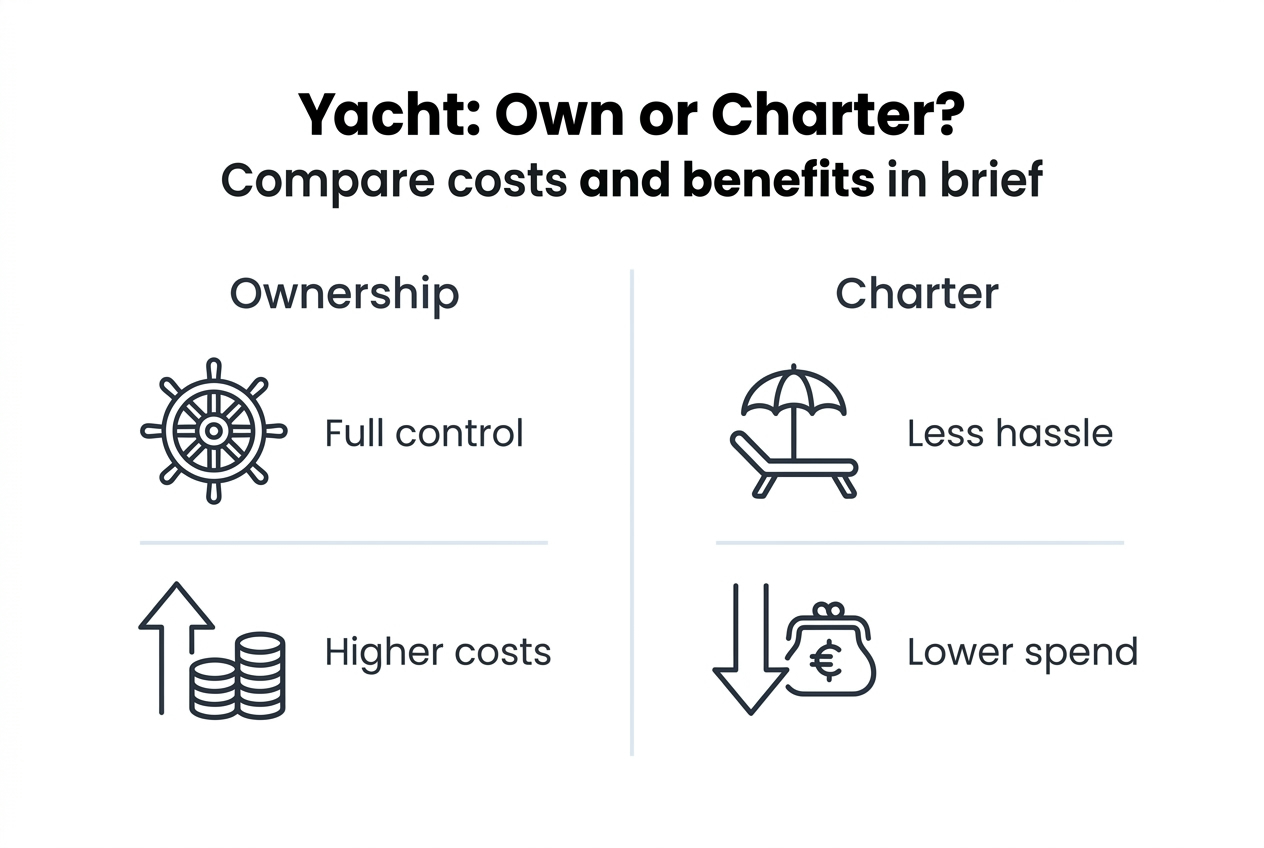
Comparing yacht charter vs purchase economics helps determine if charter operations align with your financial objectives. Some owners prefer exclusive personal use despite higher net costs, while others embrace charter revenue as essential to ownership sustainability.
Proper ownership structures tax savings through charter operations require professional guidance. Tax treatment of charter income, expense deductions, and depreciation benefits varies significantly across jurisdictions, making expert advice valuable for optimization.
Explore expert yacht brokerage services
Navigating yacht ownership successfully demands expertise across legal, financial, operational, and market domains that few individuals possess independently. Professional yacht brokers simplify the complex buying process by providing comprehensive support from initial search through final delivery and beyond.
Expert brokerage brings specialized knowledge of current market conditions, vessel valuations, negotiation strategies, and compliance requirements. Experienced brokers identify potential issues during due diligence that inexperienced buyers might overlook, protecting your investment from costly mistakes.
Leveraging professional services through choosing a yacht broker ensures access to exclusive listings, industry connections, and negotiation expertise that maximize your investment value. Understanding what is yacht brokerage clarifies how these professionals serve your interests throughout the ownership lifecycle.
Discover comprehensive yacht brokerage tips that enhance your buying experience and long term ownership satisfaction.
Frequently asked questions
What are the typical annual costs of owning a yacht?
Annual maintenance and operating expenses generally total 10-20% of your yacht’s purchase value, though actual costs vary significantly based on size, age, and usage patterns. These expenses cover routine maintenance, crew salaries, insurance, dockage, fuel, and unexpected repairs. Chartering your yacht during periods of non-use can offset a substantial portion of these recurring costs.
How does yacht registration (flagging) affect ownership?
Flag state selection determines which nation’s maritime laws govern your vessel, directly impacting tax obligations, privacy protections, liability exposure, and insurance options. Popular registries like the Cayman Islands or Marshall Islands offer distinct advantages for different ownership profiles. Choosing the appropriate flag state during initial purchase avoids costly re-registration and ensures compliance with your intended cruising areas and charter plans.
What equity is required for yacht financing?
Yacht financing typically requires 20-30% equity as a down payment, with the remaining balance financed over 10 to 20 years depending on vessel value and your financial profile. Lenders evaluate your credit history, income documentation, existing assets, and the yacht’s condition when determining approval and interest rates. Working with financial advisors experienced in marine lending helps secure favorable terms and structure financing to align with your broader wealth management strategy.
Can chartering a yacht generate income?
Chartering can offset up to 60% of annual ownership expenses when properly managed, creating substantial revenue that dramatically improves ownership economics. Success requires compliance with commercial operation regulations, professional crew trained in guest services, and marketing through established charter management companies. Tax implications of charter income vary by jurisdiction, making professional guidance essential for optimizing financial benefits while maintaining vessel condition and your personal usage schedule.
Recommended
Featured Listings
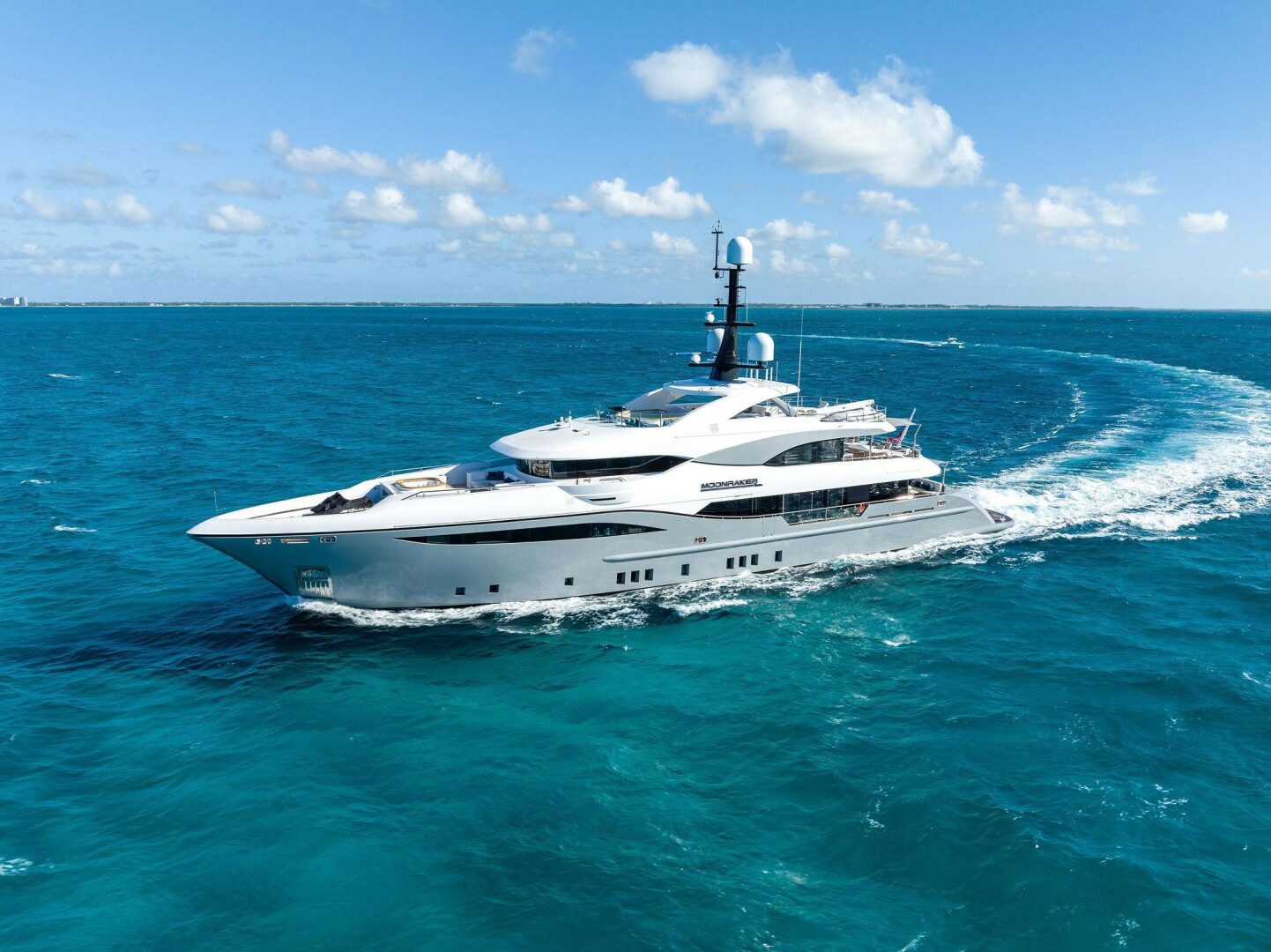
2019 Bilgin MOONRAKER
$21,404,500
156
West Palm Beach Florida

2028 Columbus Yachts
$22,900,008
137
Ancona
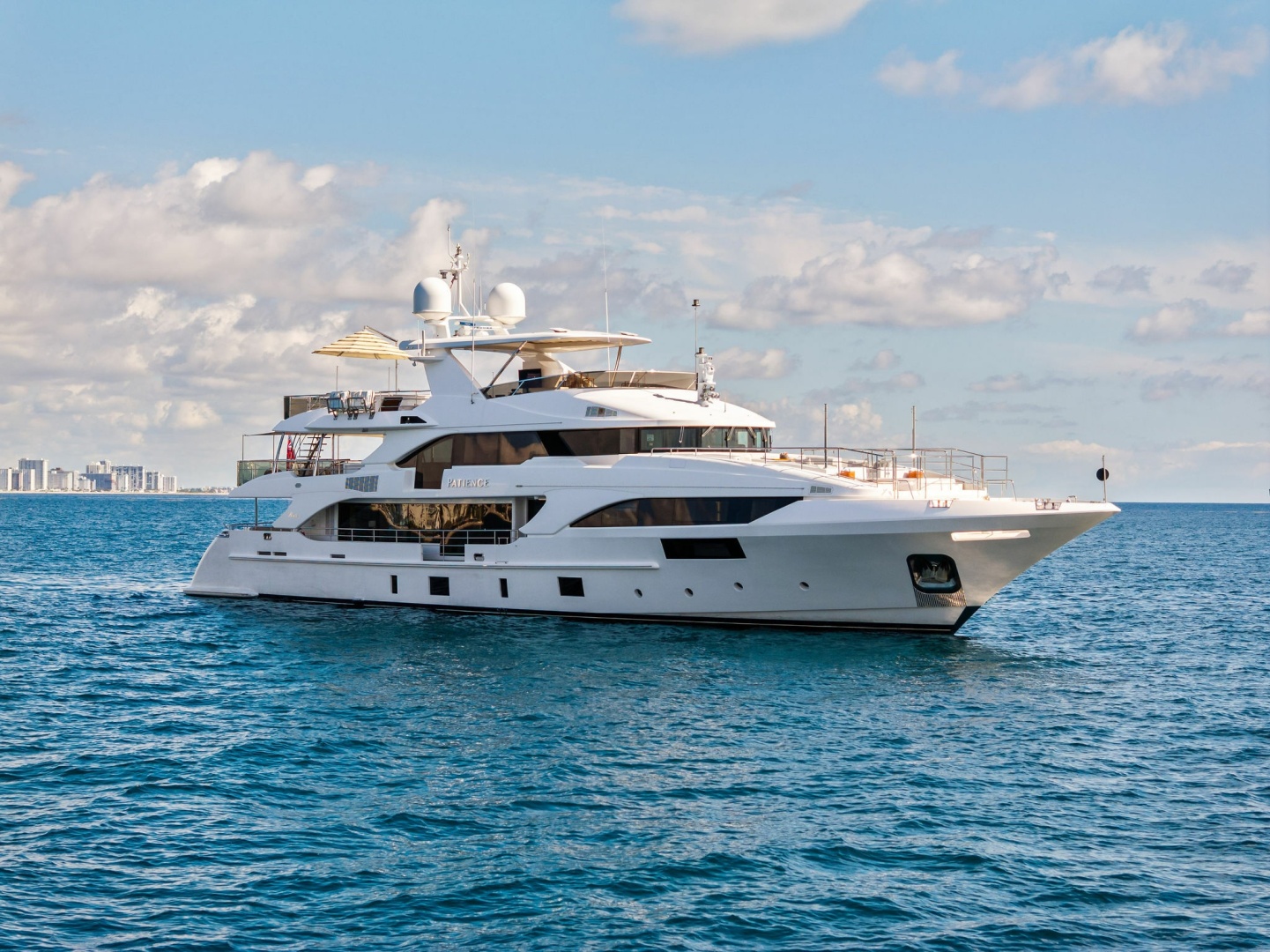
2012 Benetti PATIENCE
$10,975,000
132
Fort Lauderdale Florida
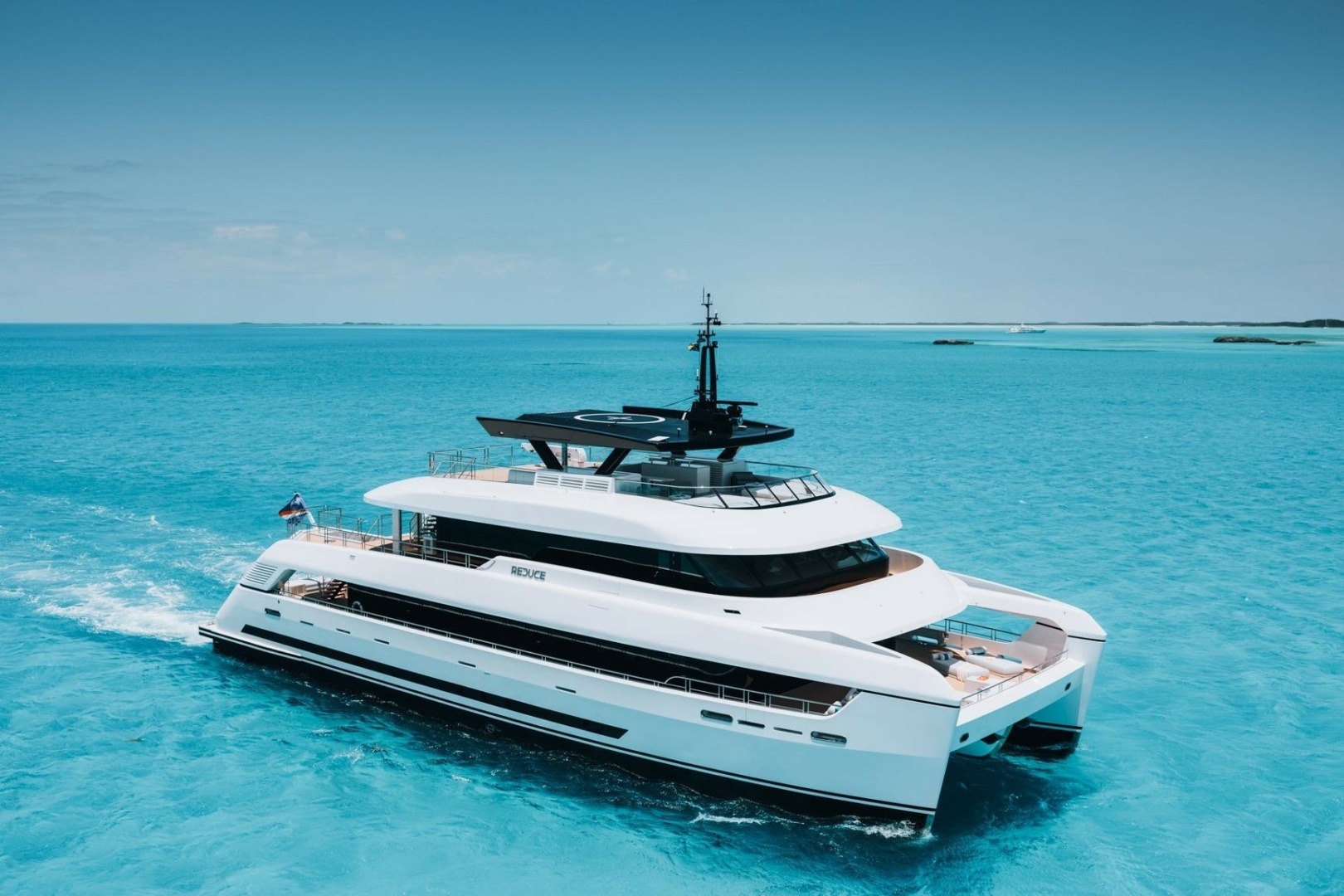
2024 Silver Yachts
$25,400,000
117
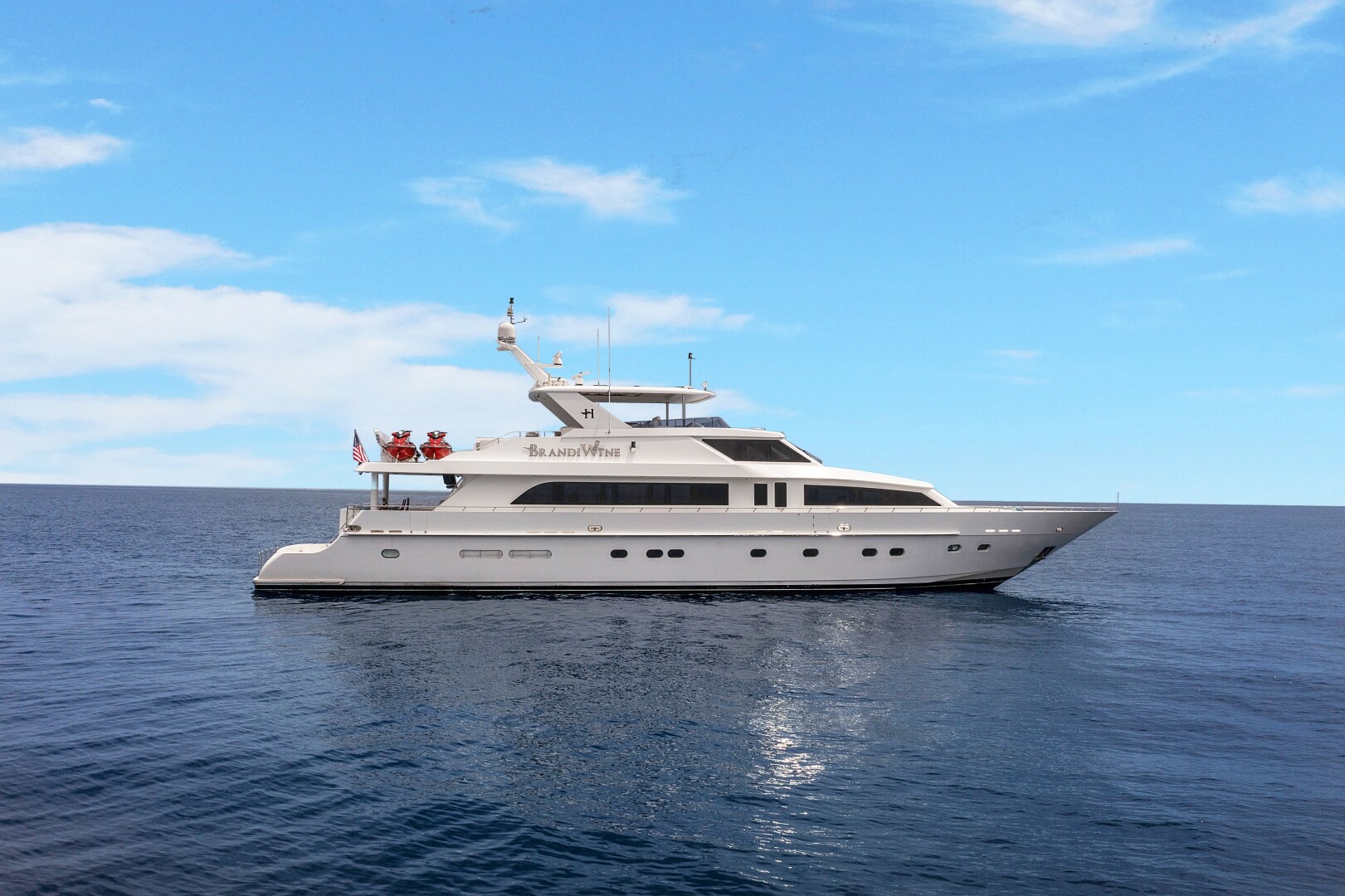
2009 Hargrave BRANDI WINE
$2,995,000
114
Fort Lauderdale Florida

2028 Extra Yachts
$21,404,500
100
Ancona

2028 Extra Yachts Extra 96
$9,495,000
96
Ancona
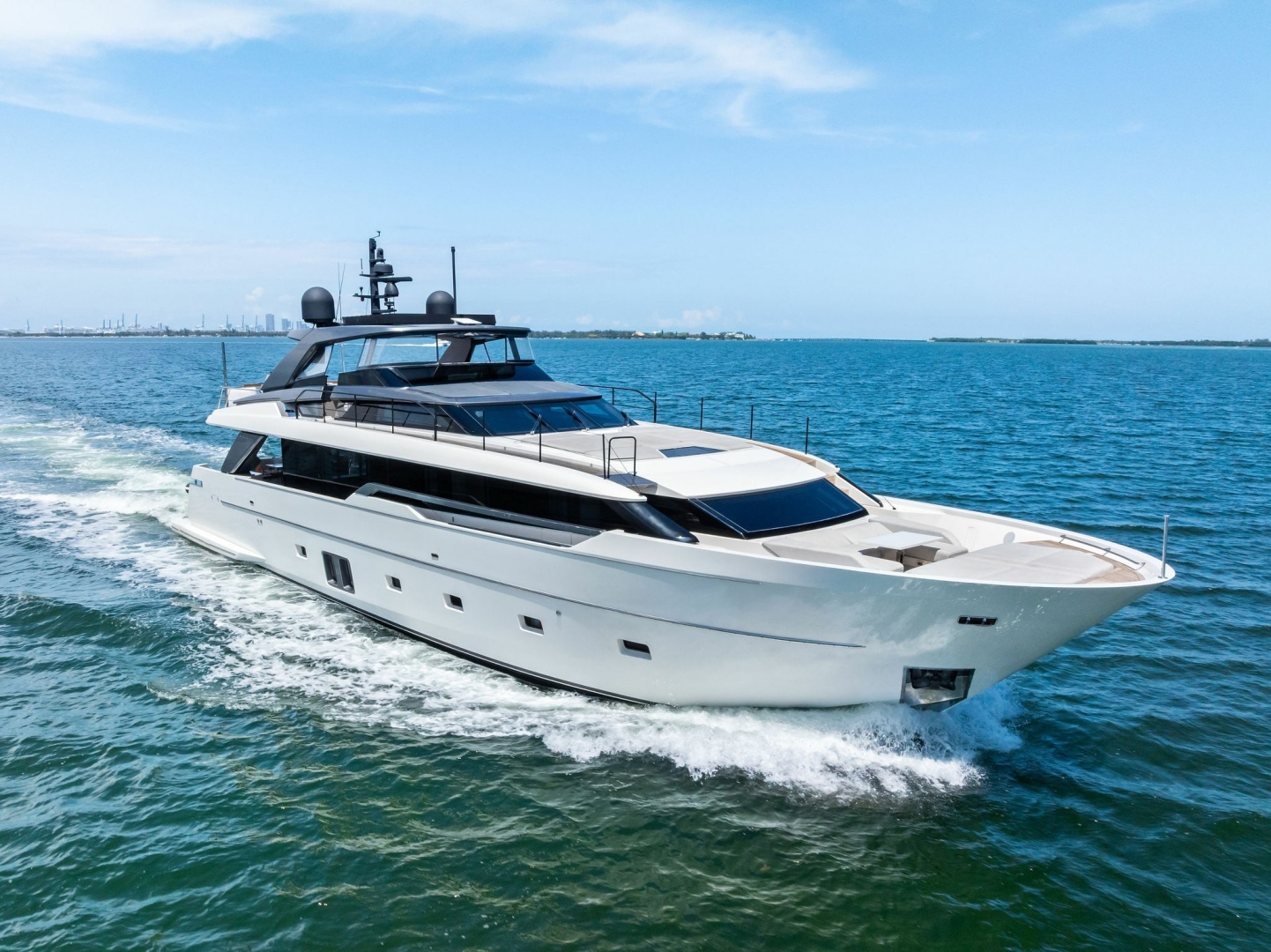
2021 Sanlorenzo GATSBY
$6,795,000
96
Miami Beach Florida

1999 Northern Marine OFF LINE
$2,495,000
84
Ft Lauderdale Florida
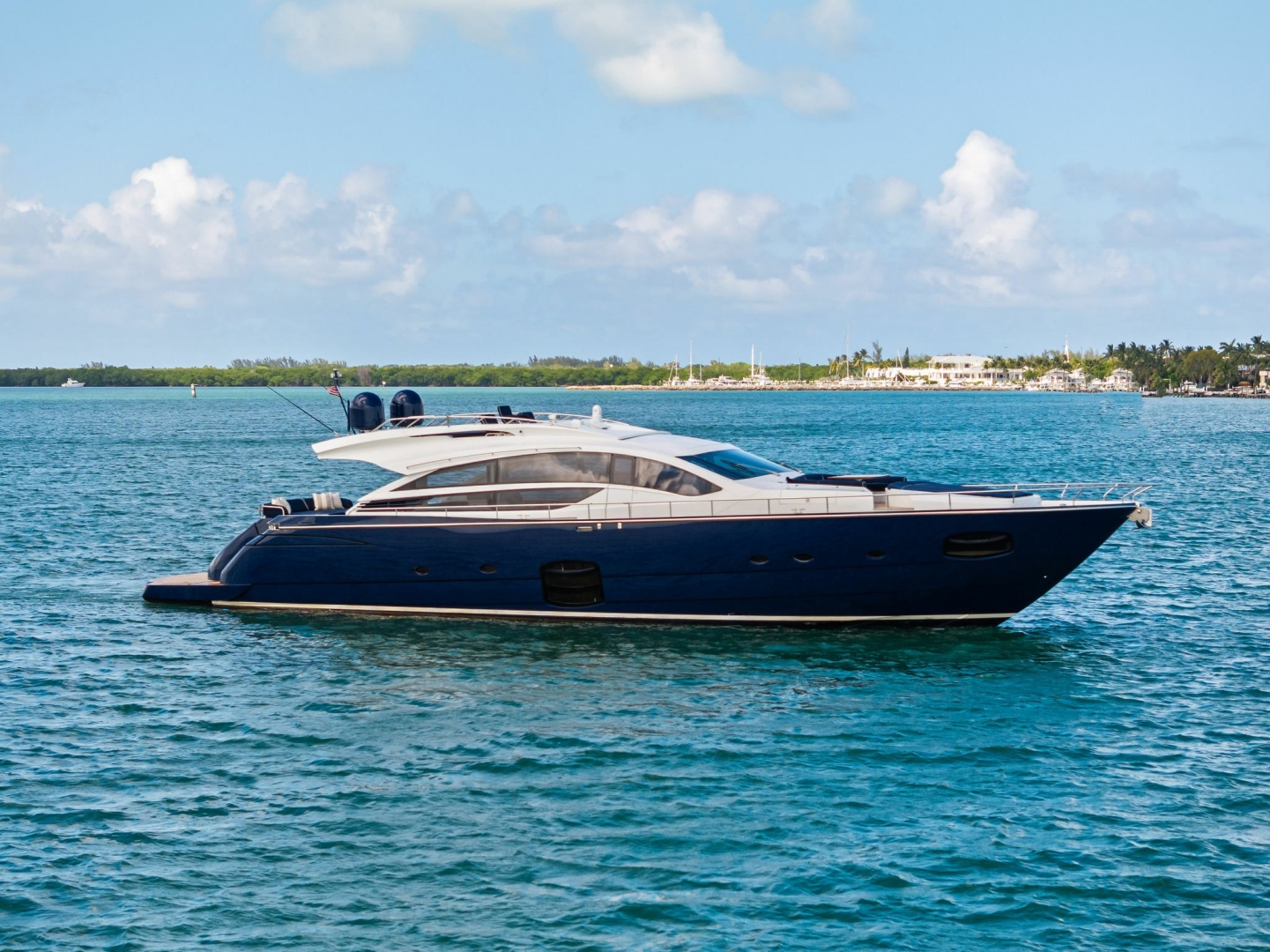
2013 Pershing DOROTHY ANN
$1,750,000
82
Miami Beach Florida

1997 Ferretti Yachts
$850,000
80
La Paz
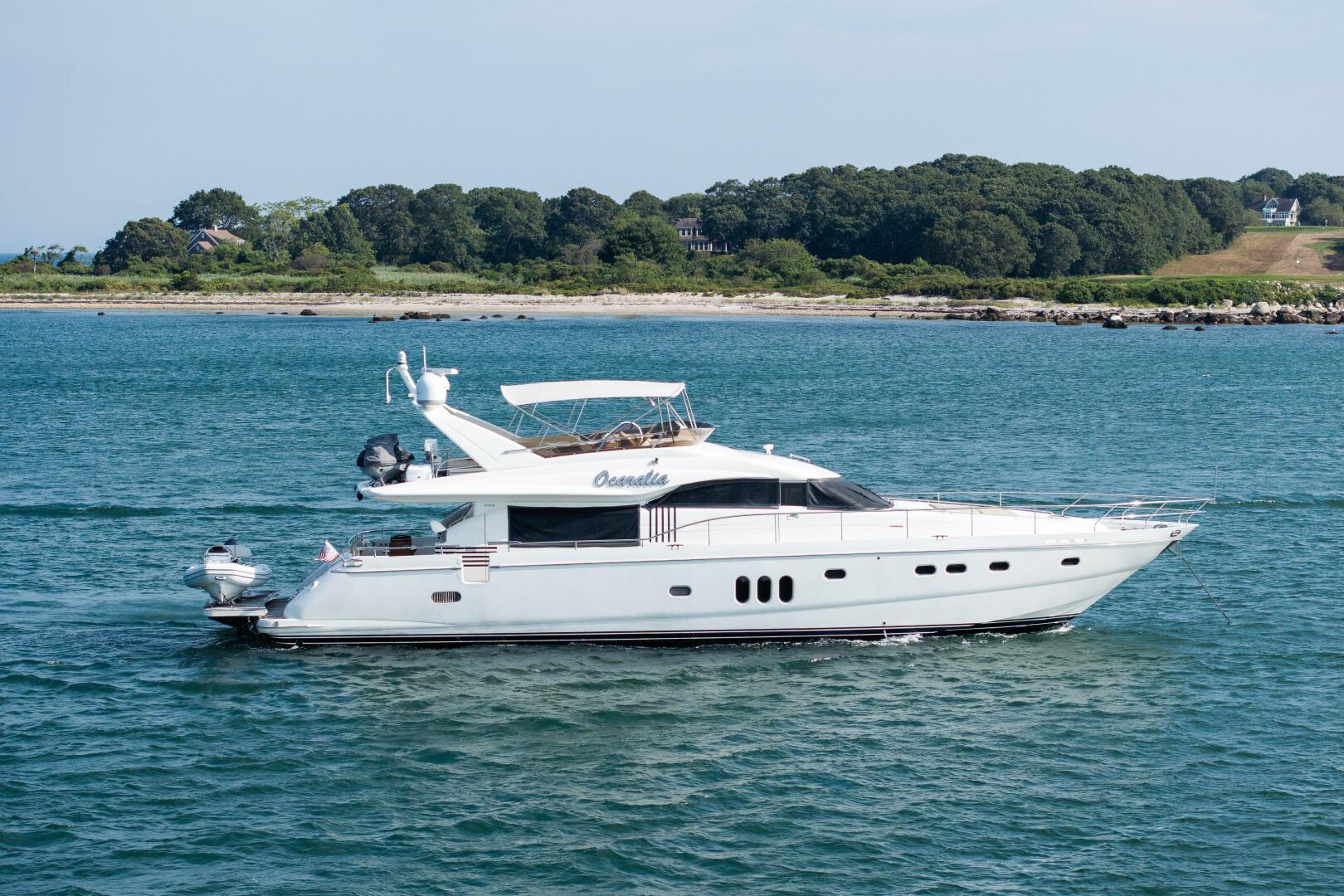
2008 Princess Yachts OCARALIA
$1,095,000
75
Charleston South Carolina
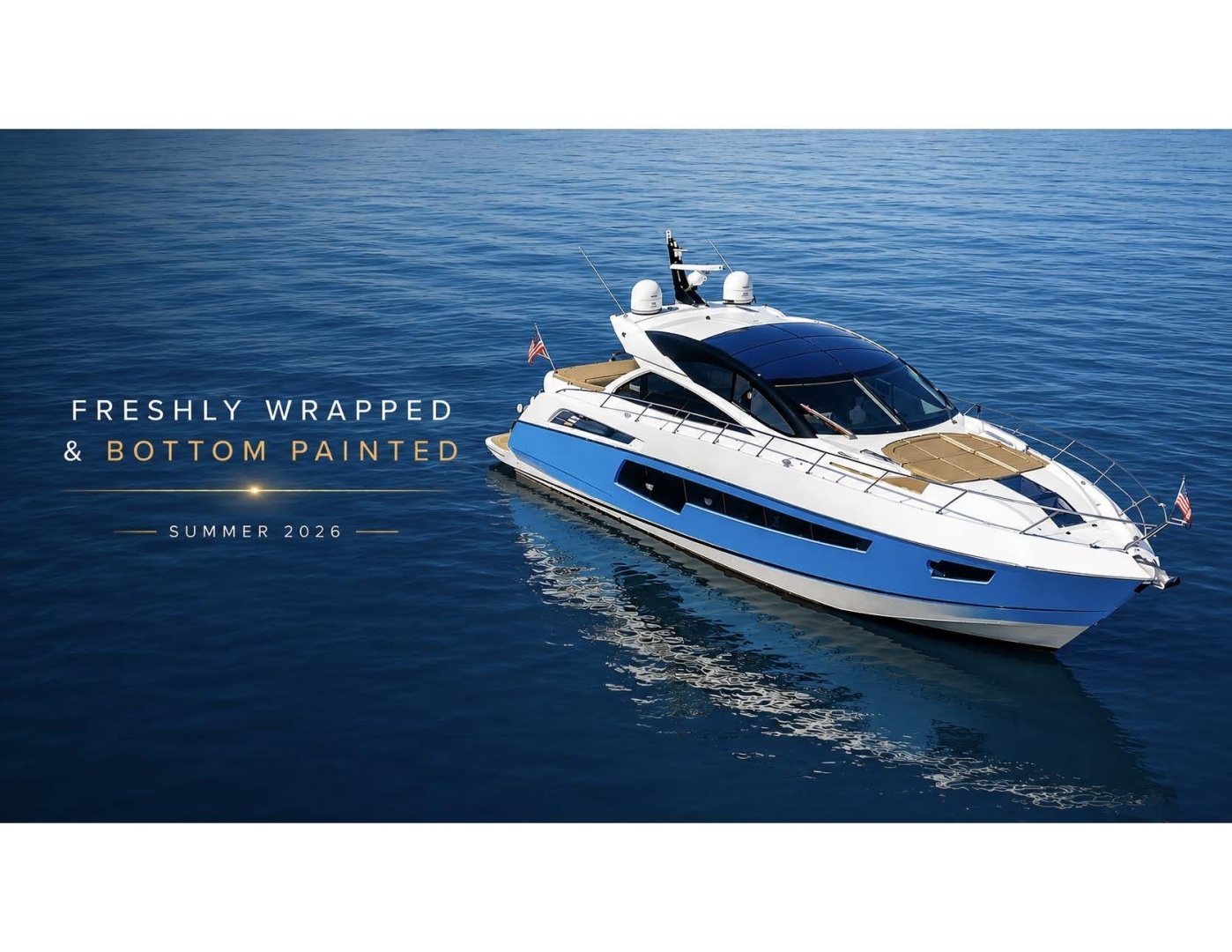
2014 Sunseeker
$1,400,000
68
New York New York

2024 Fairline
$2,750,000
68
Ft. Lauderdale Florida

2024 Sunreef Catallaxi
$3,700,000
60
Newport Rhode Island
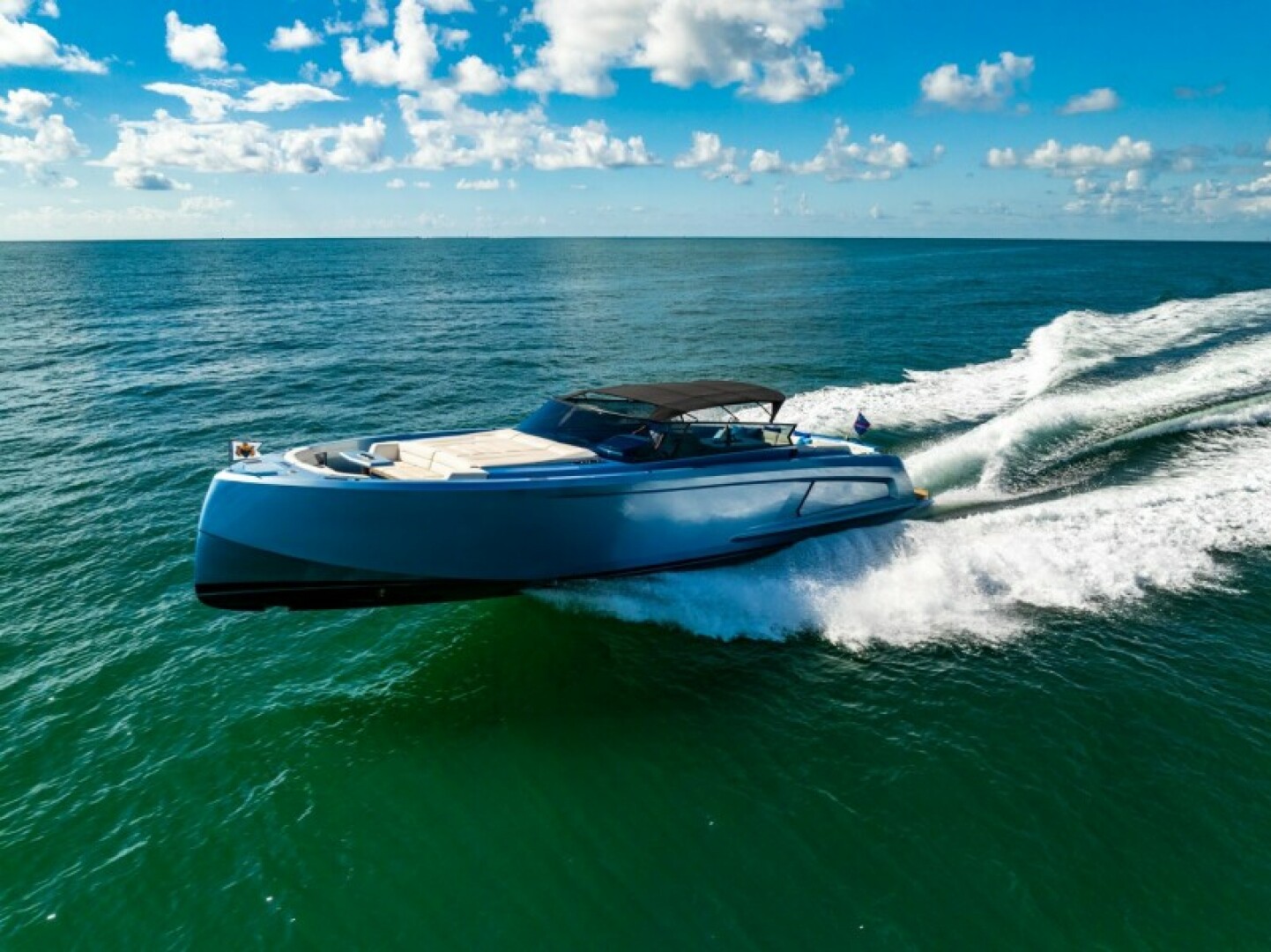
2019 Vanquish Yachts IMPULSIVE
$1,799,000
58
Miami Beach Florida
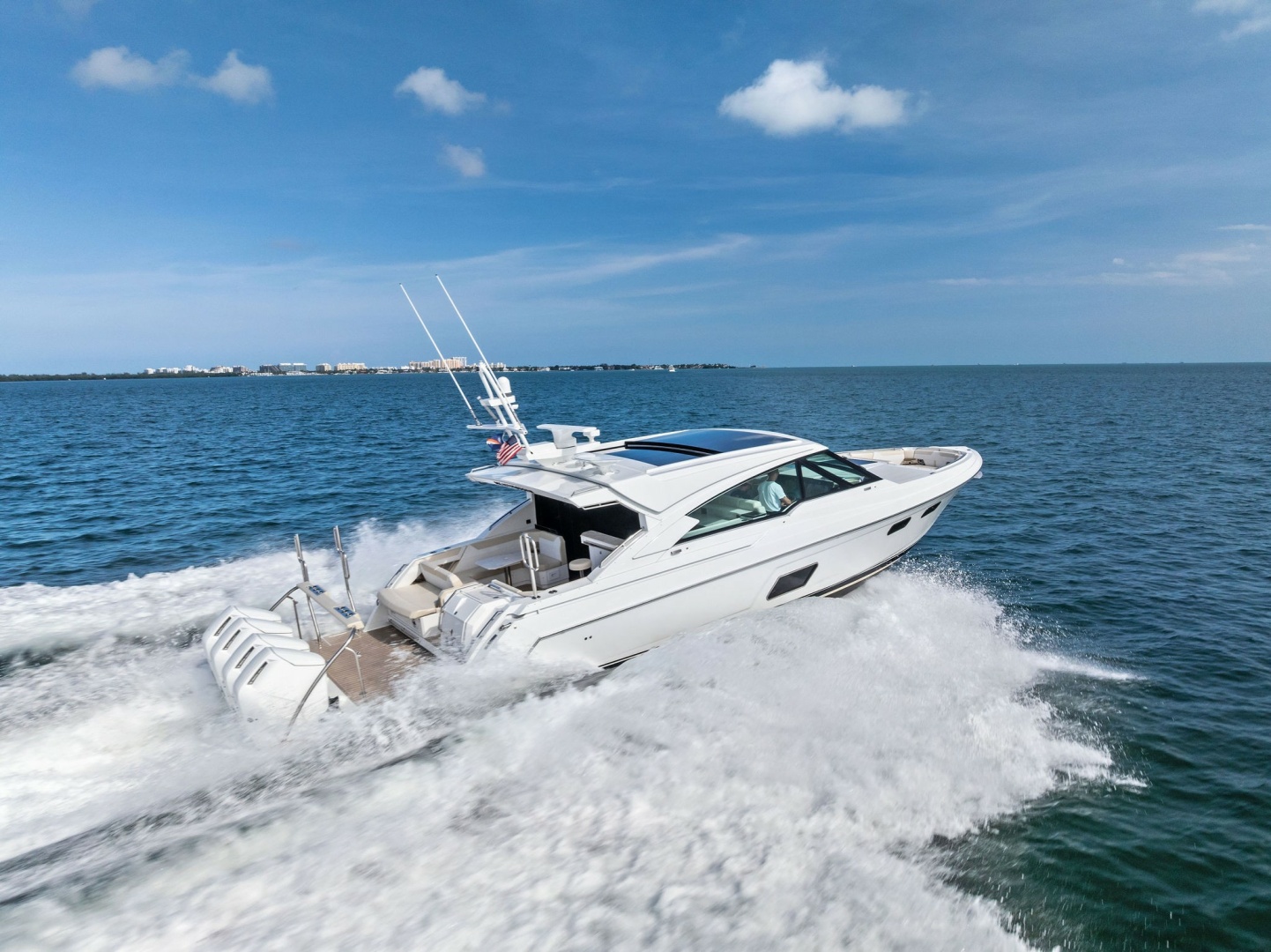
2025 Formula BREAKTHROUGH III
$1,895,000
53
Miami Beach Florida

2023 Fairline
$900,000
45
Fort Lauderdale Florida
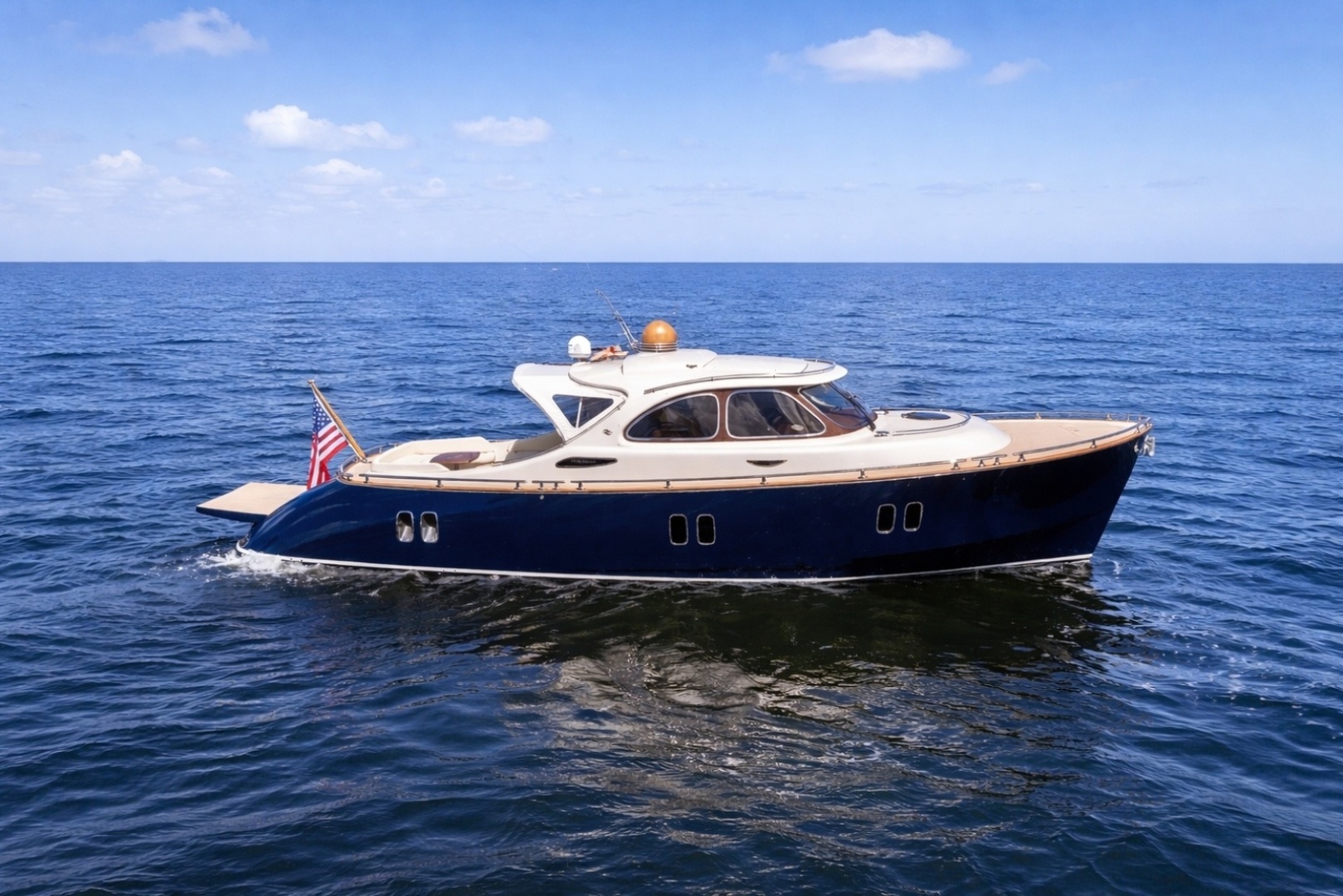
2012 Zeelander Mississippi Queen
$575,000
44
West Palm Beach Florida
2019 Bilgin 156'
$21,404,500
2028 Columbus Yachts 137'
$22,900,008
2012 Benetti 132'
$10,975,000
2024 Silver Yachts 117'
$25,400,000
2009 Hargrave 114'
$2,995,000
2028 Extra Yachts 100'
$21,404,500
2028 Extra Yachts 96'
$9,495,000
2021 Sanlorenzo 96'
$6,795,000
1999 Northern Marine 84'
$2,495,000
2013 Pershing 82'
$1,750,000
1997 Ferretti Yachts 80'
$850,000
2008 Princess Yachts 75'
$1,095,000
2014 Sunseeker 68'
$1,400,000
2024 Fairline 68'
$2,750,000
2024 Sunreef 60'
$3,700,000
2019 Vanquish Yachts 58'
$1,799,000
2025 Formula 53'
$1,895,000
2023 Fairline 45'
$900,000
2012 Zeelander 44'
$575,000