

Transferring yacht ownership is one of the most consequential financial moves in the luxury maritime world, and the stakes are as deep as open water. A single missed signature, an overlooked lien, or a misunderstood state requirement can stall a multimillion-dollar transaction for weeks or trigger costly legal disputes. Whether you are the seller, the buyer, or the trusted advisor steering the deal, the process demands precision, patience, and the right knowledge at every turn. This guide walks you through every critical step, from assembling documents to verifying your final transfer, so you can protect your investment and move forward with confidence.
Table of Contents
- Requirements and documents for yacht ownership transfer
- Step-by-step transfer process for different yacht types
- Managing taxes, fees, and regulatory compliance
- Verifying the transfer: Protect your interests
- Why the yacht ownership transfer process demands vigilance
- Simplify your yacht ownership transfer with expert support
- Frequently asked questions
Key Takeaways
| Point | Details |
|---|---|
| Document requirements differ | State-titled, non-title, and USCG-documented yachts each demand unique paperwork and processes. |
| Missed steps cause delays | Missing documents or signatures can stall the transfer and even jeopardize the sale. |
| Tax obligations are significant | Buyers often owe sales tax and fees, which vary by location and yacht type. |
| Verification is essential | Always confirm transfer completion, clear liens, and update all ownership records. |
Requirements and documents for yacht ownership transfer
Before any transfer can begin, both parties need to gather the right paperwork. Think of this phase as laying the keel of the entire transaction. Without a solid foundation, everything built on top becomes unstable.
The core documents you will need include:
- Bill of Sale: The primary legal record of the transaction, signed by both buyer and seller
- Title or registration certificate: Proof of current ownership
- Transfer application form: Required by the relevant state or federal agency
- Lien release: Confirmation that no financial claims remain on the vessel
- Proof of insurance: Often required before a new title is issued
- Government-issued identification: For both parties
The requirements shift depending on how your yacht is registered. 37 states require boat titles, where the seller signs the title assignment and the buyer applies for a new title, paying applicable fees and sales tax. In the remaining 13 states that do not issue titles, a notarized bill of sale and current registration serve as the transfer instruments.
For larger vessels, federal documentation applies. USCG documented yachts exceeding five net tons use a notarized CG-1340 Bill of Sale and a CG-1258 Application, submitted to the National Vessel Documentation Center. Critically, a USCG documented vessel cannot carry a state title simultaneously.
| Registration type | Key document | Governing agency |
|---|---|---|
| State-titled (37 states) | Signed title assignment | State DMV or equivalent |
| Non-title state (13 states) | Bill of sale and registration | State agency |
| USCG documented | CG-1340 and CG-1258 | National Vessel Documentation Center |
The roles in this process are equally important. The seller provides clear title and signs the transfer documents. The buyer submits the application and pays fees. A broker manages the transaction flow and ensures broker compliance steps are followed. A legal advisor reviews the legal document checklist and flags any red flags before closing.

Pro Tip: Always prepare certified copies of every document before submission. State agencies and the NVDC can take weeks to process, and having copies on hand prevents costly delays if originals are lost in transit.
Step-by-step transfer process for different yacht types
With all documents in hand, the actual transfer process becomes far more manageable. The steps vary by yacht type, so let’s walk through each scenario clearly.
For state-titled yachts (37 states):
- Seller signs the title assignment section on the back of the title certificate
- Both parties sign a notarized bill of sale
- Buyer completes the state transfer application form
- Buyer submits title, bill of sale, application, and payment to the state agency
- State issues new title in buyer’s name, typically within 2 to 6 weeks
For non-title states (13 states):
- Seller and buyer execute a notarized bill of sale and registration document
- Buyer submits registration transfer application to the state
- New registration certificate is issued in buyer’s name
For USCG documented yachts:
- Seller and buyer complete the notarized CG-1340 Bill of Sale
- Buyer completes the CG-1258 Application for documentation
- Both forms are submitted to the NVDC along with applicable fees
- NVDC processes the transfer and issues updated documentation
| Transfer type | Primary form | Estimated timeline | Governing body |
|---|---|---|---|
| State-titled | State title + application | 2 to 6 weeks | State agency |
| Non-title state | Bill of sale + registration | 1 to 4 weeks | State agency |
| USCG documented | CG-1340 + CG-1258 | 4 to 8 weeks | NVDC |
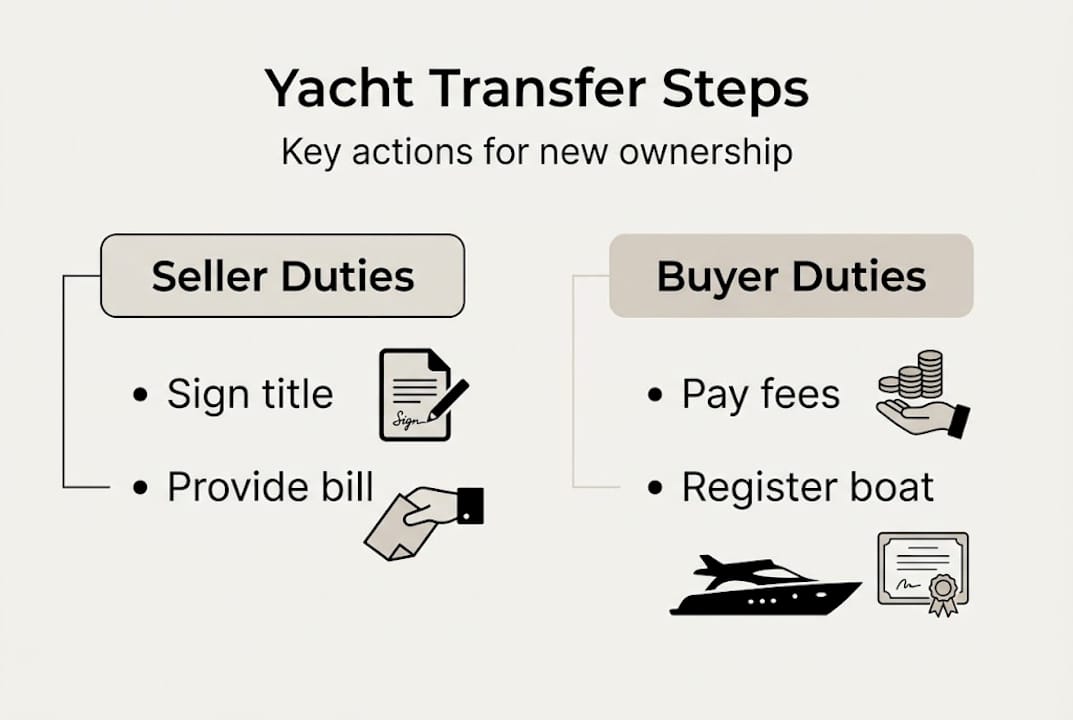
For those transferring a state-titled yacht, timing is everything. Review the full yacht ownership steps before signing anything, and consult ownership structure tips to ensure the transfer is structured for maximum tax efficiency.
Pro Tip: Before signing any transfer documents, run a lien search through your state’s boating agency or the NVDC. Purchasing a vessel with an undisclosed lien means inheriting someone else’s debt, and unwinding that situation is expensive and time-consuming.
Managing taxes, fees, and regulatory compliance
Once the paperwork sequence is clear, the financial obligations come into sharp focus. This is where many high-value transactions stumble, not from missing documents, but from underestimating the tax and fee landscape.
Here is what buyers and sellers commonly encounter:
- Sales tax: Most states charge sales tax on yacht purchases, calculated on the sale price. Rates vary widely, from under 3% in some states to over 9% in others
- Use tax: If a yacht is purchased out of state and brought into your home state, use tax may apply even if sales tax was already paid elsewhere
- Personal property tax: Some states assess annual property taxes on vessels based on assessed value
- Registration and application fees: Paid to the state agency or NVDC at time of transfer
- Notary fees: Required for bill of sale and USCG forms
- Documentation fees: NVDC charges fees for initial documentation and transfers
Important: Buyers applying for new title must pay applicable fees and sales tax at the time of submission. Undervaluing a yacht on the bill of sale to reduce tax liability is considered fraud and can result in penalties, audits, or reversal of the transfer.
Location shapes your obligations significantly. A yacht registered in Florida faces different tax treatment than one transferred in Washington or California. Interstate transfers add another layer, as both the state of sale and the state of registration may each assert a tax claim. Explore tax strategies for yacht owners and understand how location affects taxes before finalizing any deal. For a full breakdown of what brokers charge, the commission and fees breakdown is an essential read.
Late filings carry real consequences. Missing a state’s transfer window can result in penalties, back taxes, or even a lapse in registration that affects your insurance coverage. Set calendar reminders and assign a point person to track every deadline from the moment the sale agreement is signed.
Verifying the transfer: Protect your interests
After your transfer paperwork and fees are handled, the final verification phase is where your ownership becomes truly secure. This step is often treated as an afterthought, but it is as important as any document you signed at closing.
Here is what to confirm once the transfer is submitted:
- State confirmation: Contact the state agency to verify your new title or registration has been issued and matches your vessel’s hull identification number
- NVDC confirmation: For documented vessels, check the NVDC online database to confirm your name appears as the registered owner
- Lien clearance: Obtain written confirmation that all prior liens have been released and recorded
- Insurance update: Notify your insurer immediately after transfer so coverage reflects the new ownership from day one
- Tax records: Update your financial and tax records to reflect the acquisition date, purchase price, and any taxes paid
“A notarized CG-1340 Bill of Sale and properly completed applications are the cornerstone of a valid USCG transfer. Without them, ownership disputes can arise years after the transaction.”
Retain physical and digital copies of every document in a dedicated file. This includes the bill of sale, title or USCG documentation, lien releases, proof of tax payment, and all correspondence with state or federal agencies. Should a legal or tax challenge arise years later, this file is your first line of defense.
For added protection, review the safe transaction guidelines to ensure your post-transfer compliance is airtight. Updating maintenance logs and financial records to reflect the new ownership date also establishes a clean chain of custody that insurers and future buyers will appreciate.
Why the yacht ownership transfer process demands vigilance
Here is a perspective that most guides will not offer you: the majority of transfer problems we see do not come from complex legal disputes. They come from small, avoidable oversights by people who assumed the process was simpler than it is.
Even seasoned yacht owners sometimes underestimate how much timing matters. A bill of sale signed on the wrong date, a notarization that does not meet state standards, or a lien that was verbally confirmed but never formally released can each unravel a transaction that felt complete. The paperwork is not bureaucratic noise. It is the architecture of your ownership.
Assigning a specialized advisor or experienced broker to double-check every requirement before closing is not a luxury. It is risk management. We have seen transactions where a single overlooked compliance step led to double taxation across two states, or where a sale had to be reversed because the NVDC filing was incomplete. The cost of those situations far exceeded what professional oversight would have cost.
The real lesson is this: preparing your yacht for sale and navigating the transfer with the same care you brought to the purchase is what separates a smooth handover from a drawn-out ordeal. Vigilance at every step is the most valuable investment you can make in the process.
Simplify your yacht ownership transfer with expert support
If you would rather focus on the horizon than the paperwork, that is exactly where we come in. At Yachts by Steve, we specialize in guiding affluent buyers and sellers through every stage of a luxury yacht transaction, from initial listing to final transfer confirmation. Understanding how to choose a yacht broker is the first step toward a seamless experience, and expert yacht brokerage means having a trusted partner who knows every form, fee, and filing deadline by name. Whether you are selling your yacht with a broker or purchasing your next vessel, our team ensures nothing is left to chance. Reach out today for a personalized consultation and let us handle the complexity while you enjoy the journey.
Frequently asked questions
What documents are required to transfer yacht ownership in the US?
You typically need a bill of sale, the current title or registration, a transfer application, and sometimes a lien release or proof of insurance. In title states, the seller signs the title assignment and the buyer applies for a new title with applicable fees and sales tax.
What is the difference between state-titled and USCG documented yachts in transfer?
State-titled yachts are processed at the state level using state-issued documents, while USCG documented vessels use federal forms and cannot carry a state title. For USCG transfers, a notarized CG-1340 and CG-1258 are submitted directly to the National Vessel Documentation Center.
How long does the yacht ownership transfer process usually take?
Most transfers take 2 to 6 weeks for state-titled vessels and 4 to 8 weeks for USCG documented yachts, provided all documents are complete and correctly notarized.
Are there tax consequences when transferring a yacht?
Yes, buyers applying for new title must pay applicable fees and sales tax, and some states also assess use tax or annual property tax on high-value vessels depending on where the yacht is registered and used.
Recommended
Featured Listings
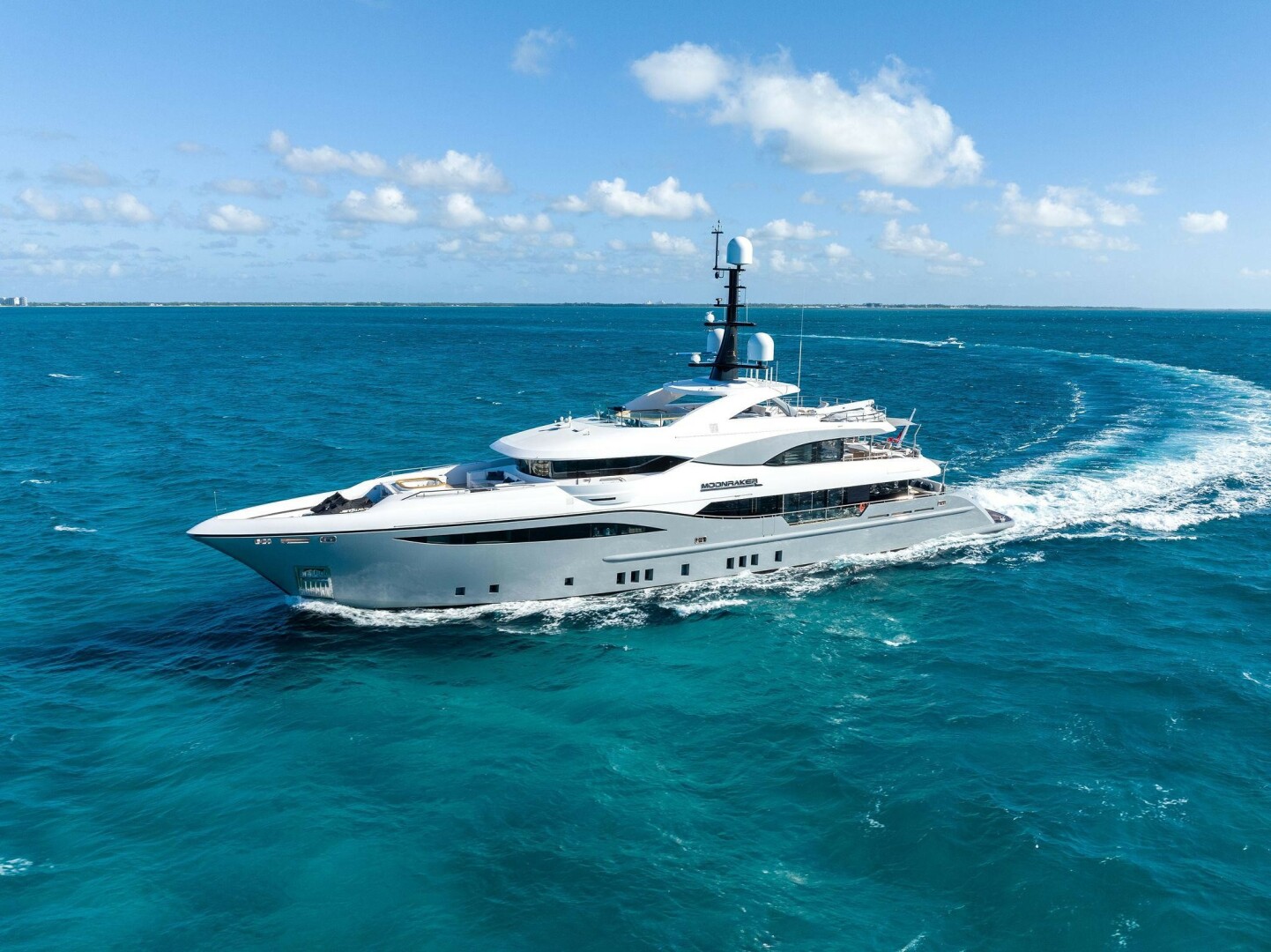
2019 Bilgin MOONRAKER
$20,646,000
156
West Palm Beach Florida

2028 Columbus Yachts
$22,900,008
137
Ancona
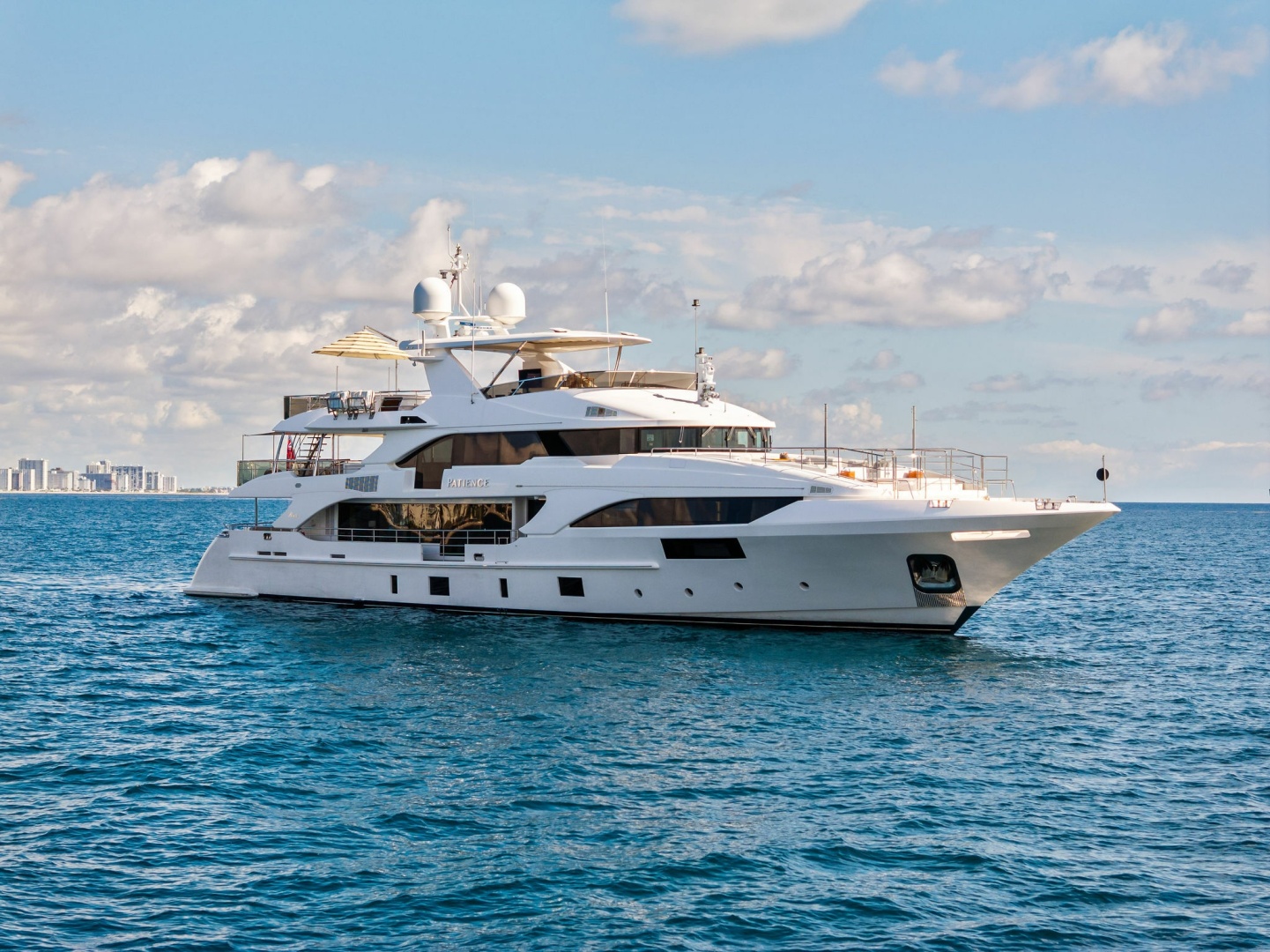
2012 Benetti PATIENCE
$10,975,000
132
Fort Lauderdale Florida
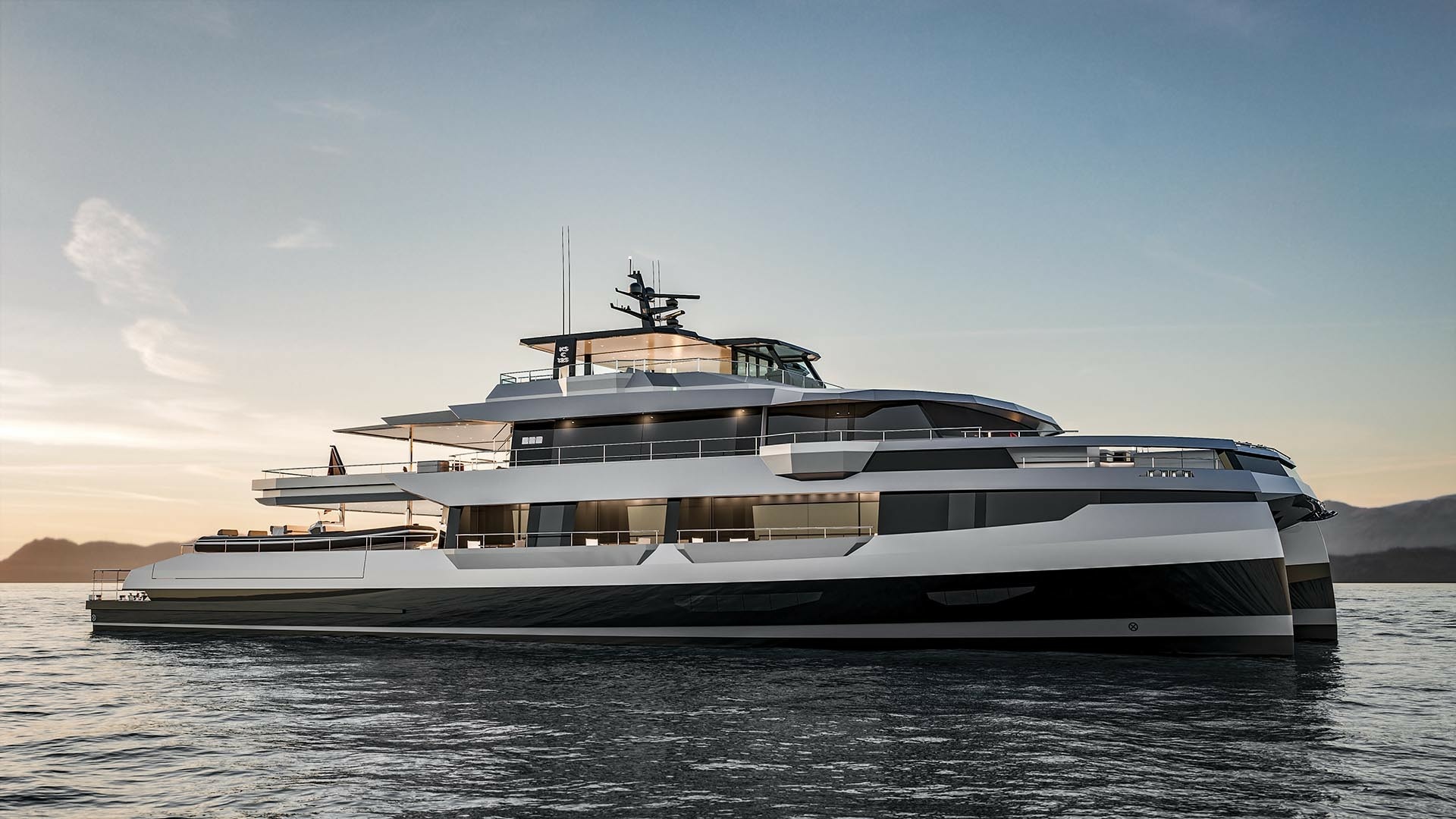
2028 Kingship Kingship
$20,000,000
125
2024 Silver Yachts
$25,400,000
117
2009 Hargrave BRANDI WINE
$2,500,000
114
Fort Lauderdale Florida

2028 Extra Yachts
$20,646,000
100
Ancona
2028 Alpha
100
Ft Lauderdale Florida

2028 Extra Yachts Extra 96
$9,495,000
96
Ancona
2021 Sanlorenzo GATSBY
$6,795,000
96
Miami Beach Florida
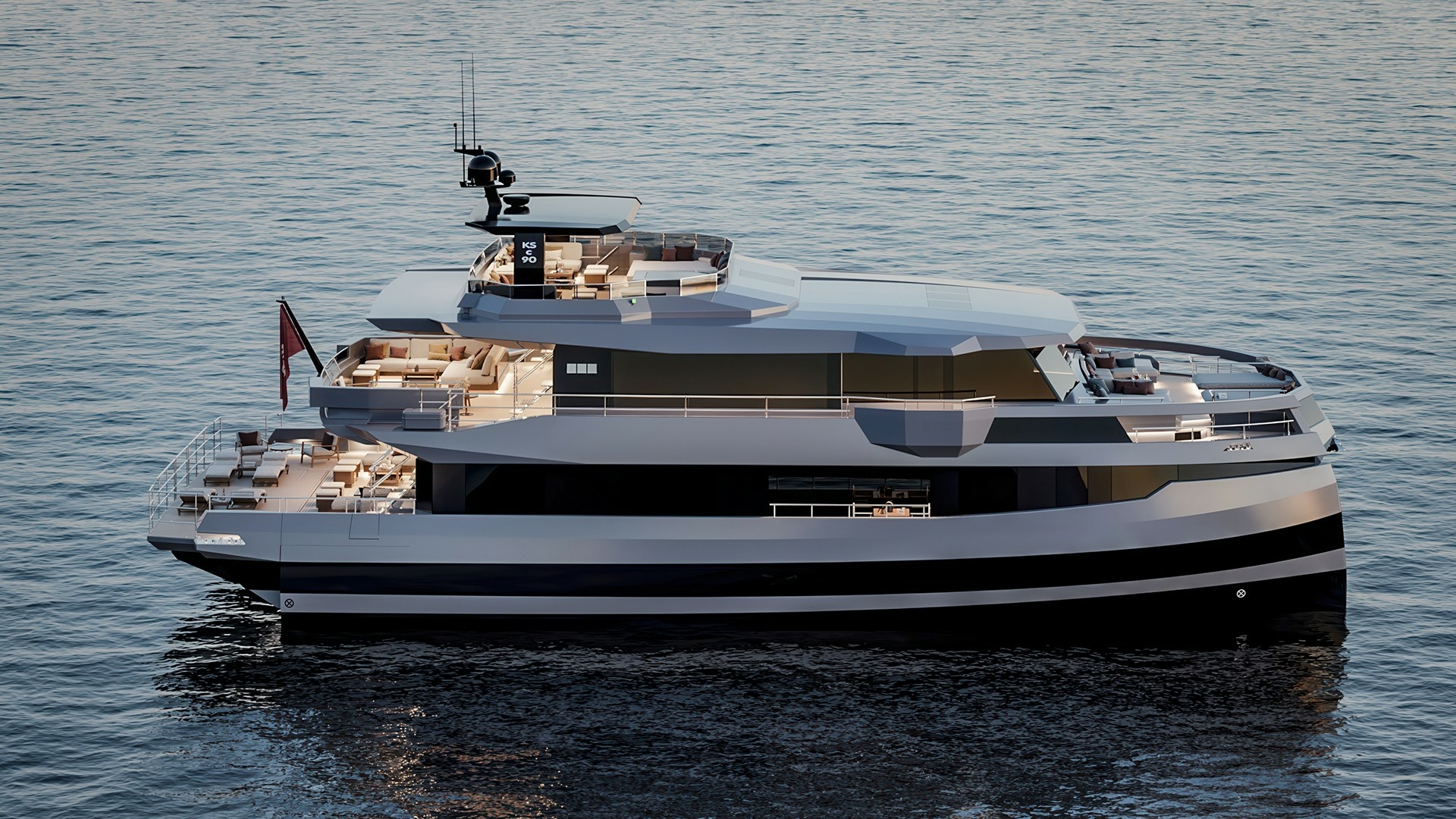
2028 Kingship
90

1999 Northern Marine OFF LINE
$2,495,000
84
Ft Lauderdale Florida
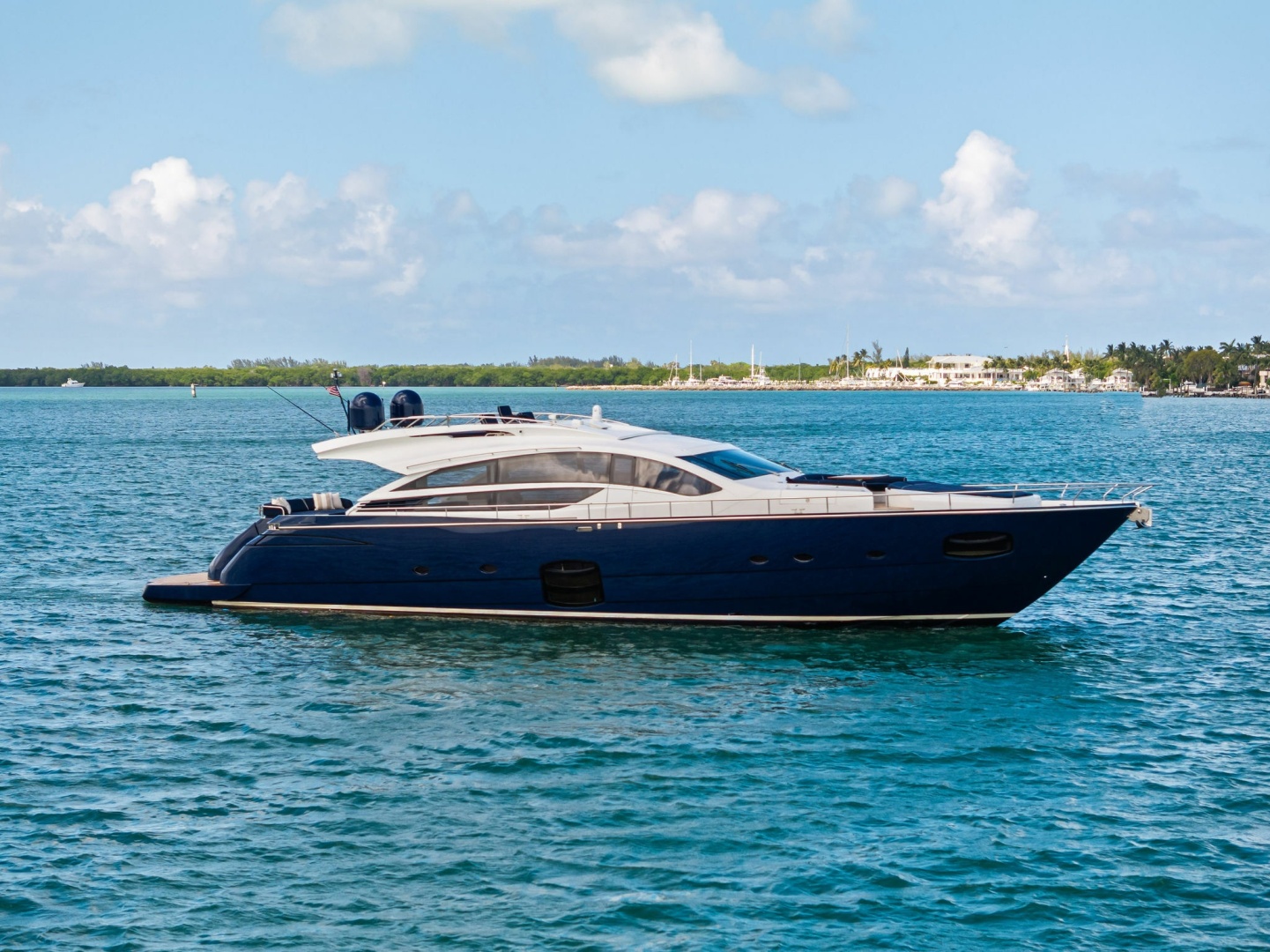
2013 Pershing DOROTHY ANN
$1,550,000
82
Miami Beach Florida

1997 Ferretti Yachts
$825,000
80
La Paz
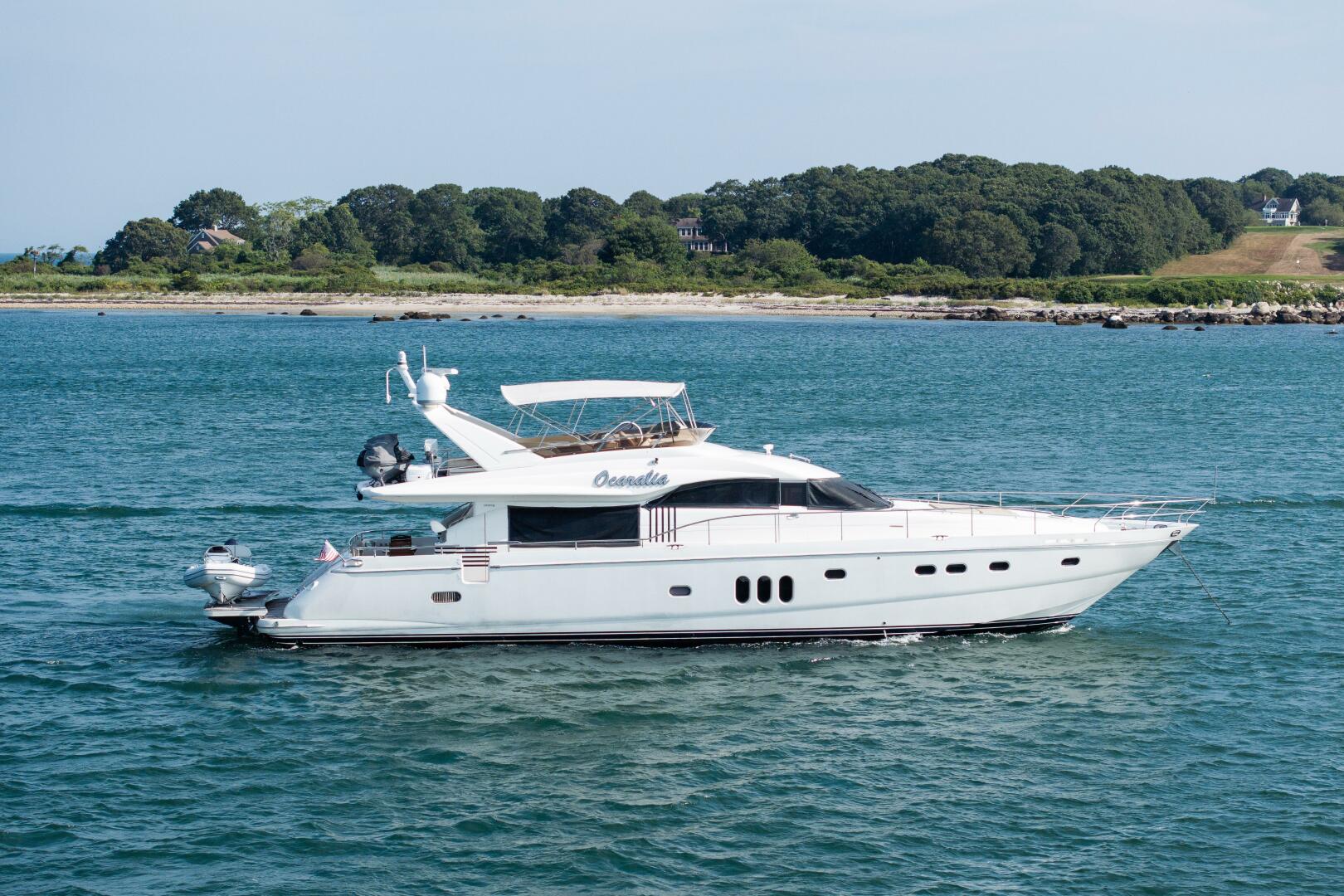
2008 Princess Yachts OCARALIA
$1,095,000
75
Charleston South Carolina
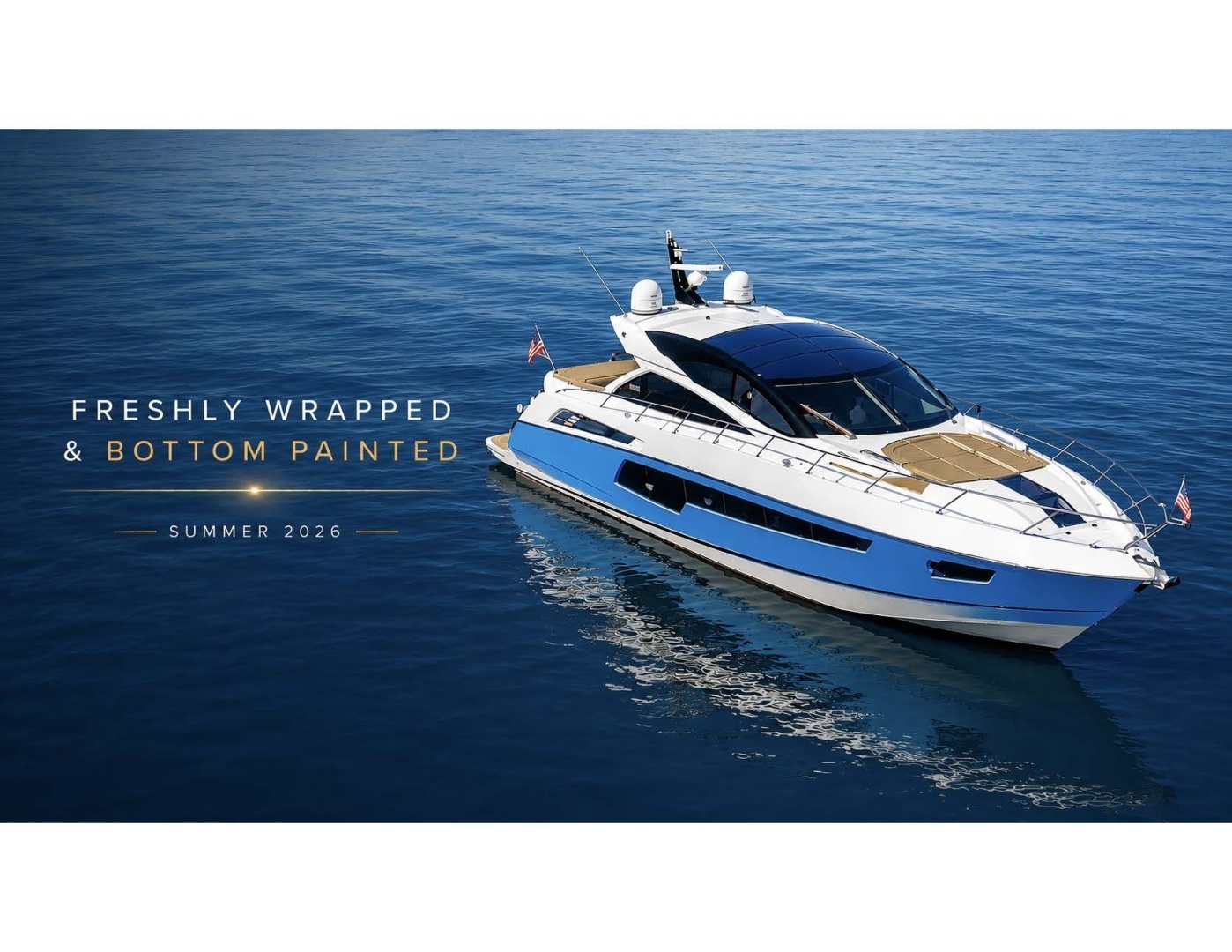
2014 Sunseeker
$1,400,000
68
New York New York

2024 Fairline
$2,750,000
68
Ft. Lauderdale Florida

2024 Sunreef Catallaxi
$3,700,000
60
Newport Rhode Island
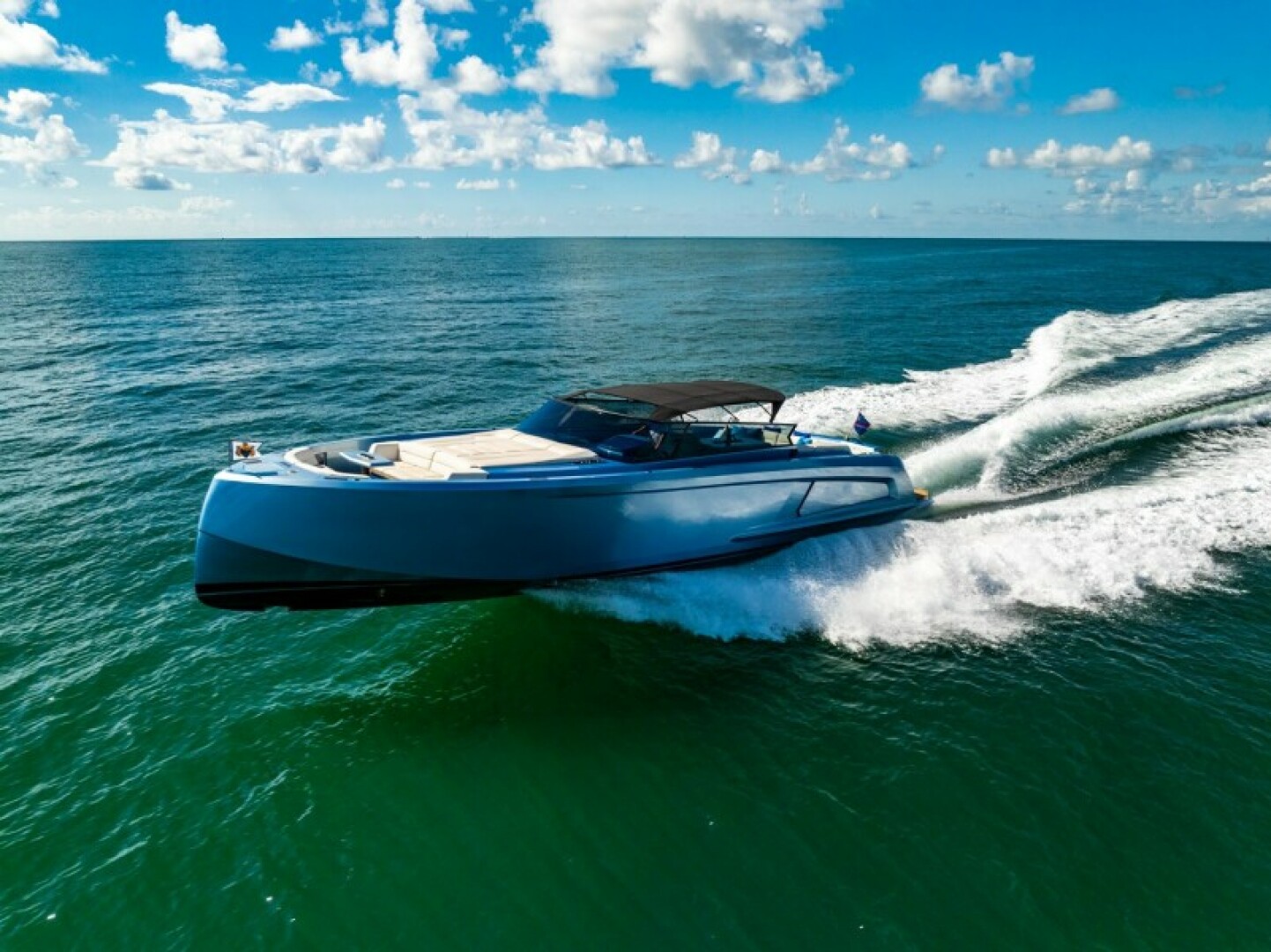
2019 Vanquish Yachts IMPULSIVE
$1,799,000
58
Miami Beach Florida
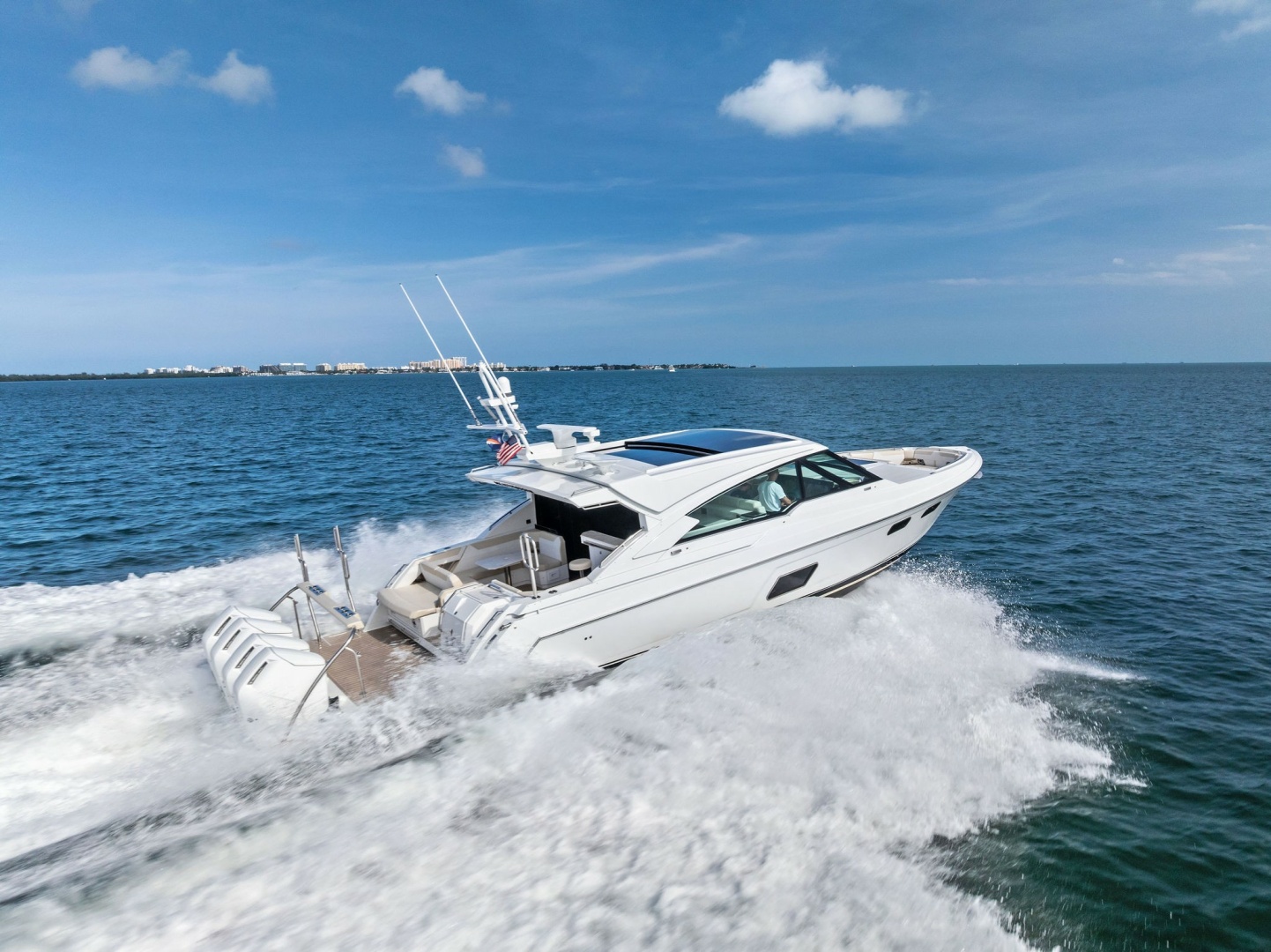
2025 Formula BREAKTHROUGH III
$1,895,000
53
Miami Beach Florida

2023 Fairline
$900,000
45
Fort Lauderdale Florida
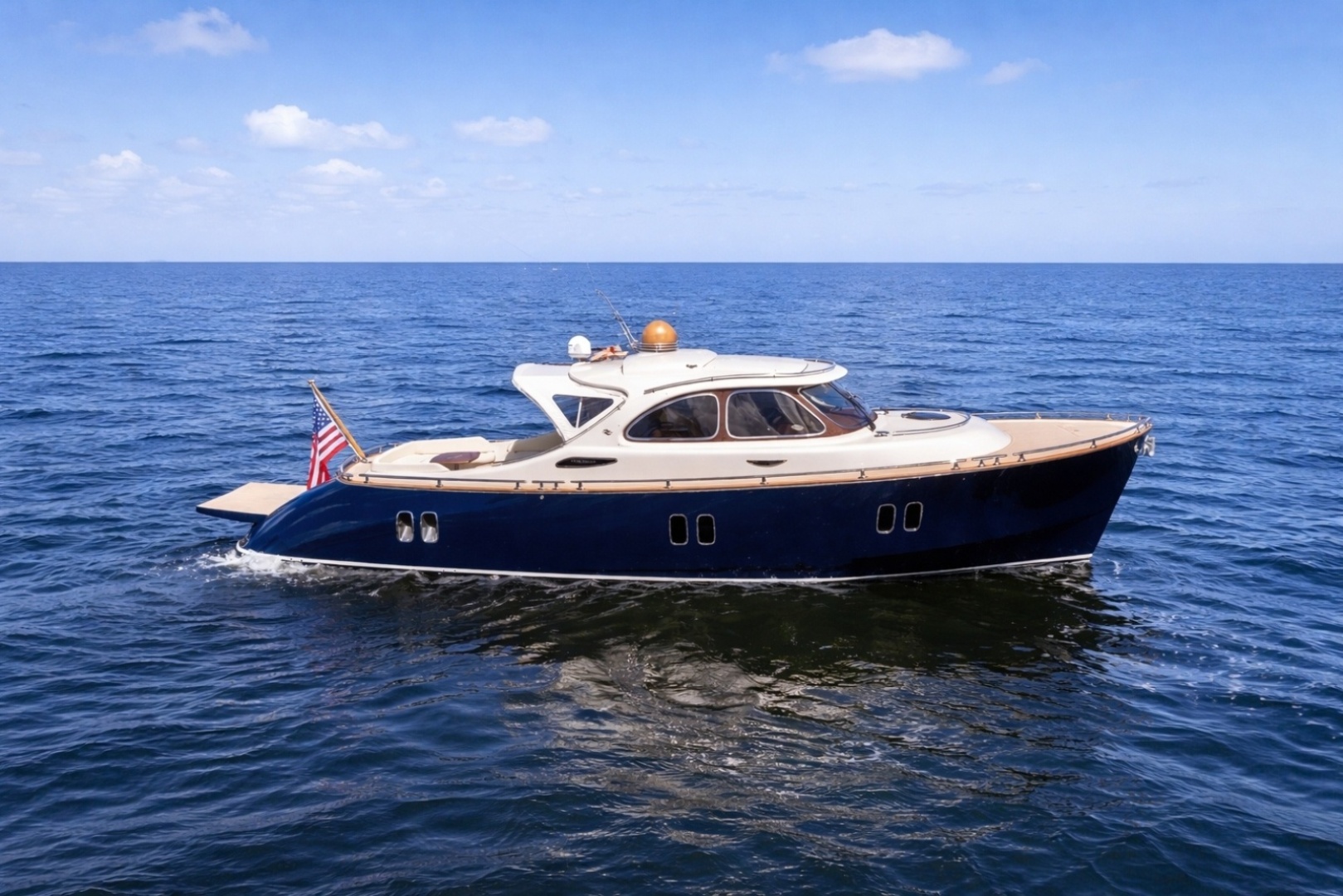
2012 Zeelander Mississippi Queen
$575,000
44
West Palm Beach Florida
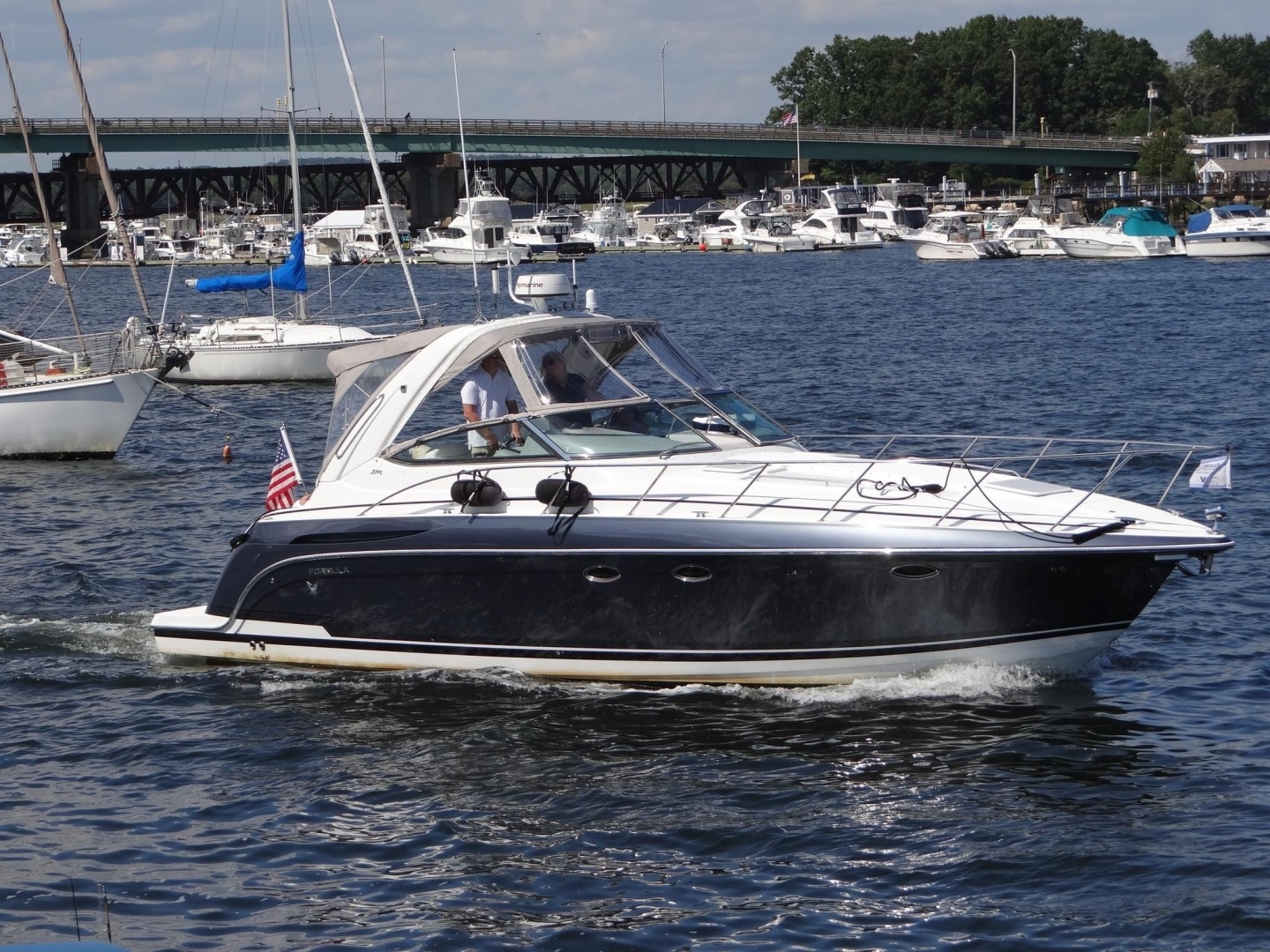
2006 Formula
$139,000
37
Newburyport Massachusetts
2019 Bilgin 156'
$20,646,000
2028 Columbus Yachts 137'
$22,900,008
2012 Benetti 132'
$10,975,000
2028 Kingship 125'
$20,000,000
2024 Silver Yachts 117'
$25,400,000
2009 Hargrave 114'
$2,500,000
2028 Extra Yachts 100'
$20,646,000
2028 Alpha 100'
2028 Extra Yachts 96'
$9,495,000
2021 Sanlorenzo 96'
$6,795,000
2028 Kingship 90'
1999 Northern Marine 84'
$2,495,000
2013 Pershing 82'
$1,550,000
1997 Ferretti Yachts 80'
$825,000
2008 Princess Yachts 75'
$1,095,000
2014 Sunseeker 68'
$1,400,000
2024 Fairline 68'
$2,750,000
2024 Sunreef 60'
$3,700,000
2019 Vanquish Yachts 58'
$1,799,000
2025 Formula 53'
$1,895,000
2023 Fairline 45'
$900,000
2012 Zeelander 44'
$575,000
2006 Formula 37'
$139,000