

Every sophisticated buyer knows that yacht pricing involves far more than simple numbers on a sales sheet. For those navigating the luxury market in Europe and North America, understanding the true value of a yacht means recognizing the influence of brand reputation, maintenance history, and dynamic market forces. This guide offers expert perspective on common misconceptions and key price factors, empowering you to identify hidden value and avoid costly missteps when investing in your next vessel.
Table of Contents
- Yacht Pricing Basics And Common Misconceptions
- Major Types Of Yachts And Price Ranges
- Key Drivers Of Yacht Value And Depreciation
- Understanding Market Trends And Seasonal Effects
- Hidden Costs, Fees, And Negotiation Strategies
Key Takeaways
| Point | Details |
|---|---|
| Yacht Pricing Influencers | Yacht pricing is determined by factors such as hull condition, market demand, and manufacturer reputation, beyond just basic specifications. |
| Depreciation Insights | Unlike standard vehicles, luxury yachts can appreciate in value, particularly with proper maintenance and technological upgrades. |
| Market Timing Importance | Understanding seasonal market dynamics can provide buyers with advantageous purchasing opportunities, especially during peak demand periods. |
| Hidden Ownership Costs | Buyers should be aware of ongoing expenses like maintenance, crew salaries, and docking fees that extend beyond the initial purchase price. |
Yacht Pricing Basics and Common Misconceptions
Understanding yacht pricing dynamics requires navigating a complex landscape of variables that influence market value. Many affluent buyers mistakenly assume yacht valuation follows a straightforward linear calculation, when in reality, multiple nuanced factors determine true worth.
Several critical elements shape yacht pricing beyond basic specifications:
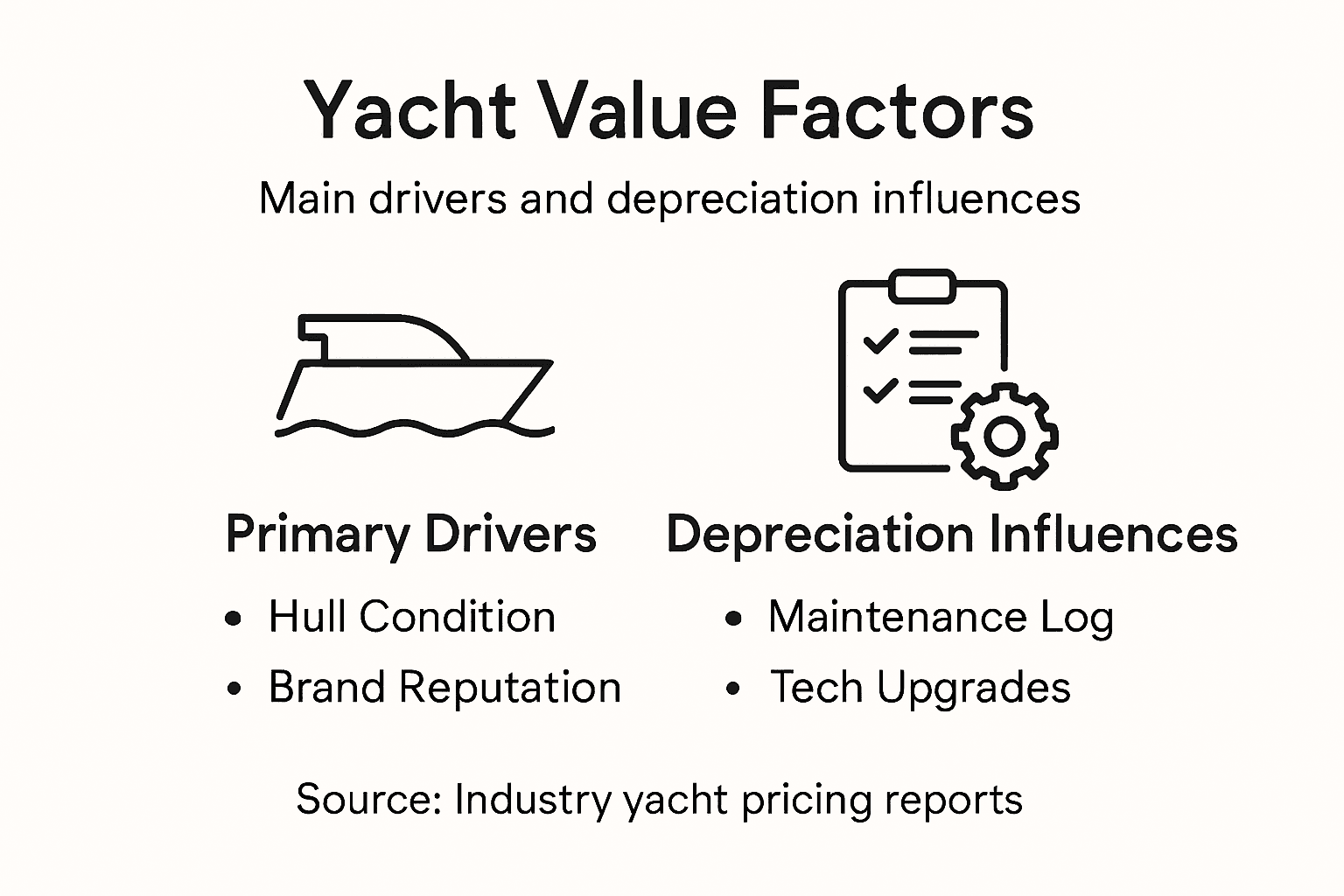
- Hull condition and maintenance history
- Geographic location of the vessel
- Current market demand and economic trends
- Specific manufacturer reputation
- Optional equipment and customization levels
- Age and technological features of onboard systems
Traditional buyers often overlook subtle pricing indicators that experienced yacht professionals recognize instantly. Yacht market trends demonstrate that depreciation isn’t uniform across all vessel categories, with some specialized models retaining value significantly better than standard configurations.
Pricing misconceptions frequently emerge from unrealistic expectations about linear depreciation. Luxury yachts don’t lose value like standard consumer vehicles – their worth depends on complex interplays between craftsmanship, brand prestige, and market positioning. A meticulously maintained vessel from a premier manufacturer might actually appreciate in value, contrary to conventional wisdom.
Key Pricing Variables:
- Original manufacturing quality
- Comprehensive maintenance records
- Technological upgrades
- Overall market sentiment
- Regional luxury marine market conditions
Pro Tip: Research comparable recent sales in your specific yacht category before establishing pricing expectations, as market dynamics can shift rapidly.
Major Types of Yachts and Price Ranges
Understanding the diverse landscape of yacht classifications requires deep insight into the unique characteristics and pricing structures across different vessel categories. Yacht pricing breakdown reveals significant variations in cost and complexity among yacht types.
Yacht Categories by Size and Type:
- Small Yachts (23-40 feet)
- Entry-level pricing range: $10,000 – $100,000
- Ideal for recreational day trips and coastal cruising
- Midsize Yachts (40-80 feet)
- Price range: $100,000 – $1 million
- More luxurious amenities and extended cruising capabilities
- Superyachts (80+ feet)
- Price range: $1 million – $500 million
- Requires professional crew, advanced navigation systems
Motor yachts and sailing yachts represent two primary architectural approaches, each with distinct pricing dynamics. Motor yachts typically command higher prices due to more complex mechanical systems and faster travel capabilities. Sailing yachts, by contrast, offer a more traditional maritime experience with generally lower operational costs.
Factors Influencing Yacht Pricing:
Here’s a concise comparison of primary yacht types and their ownership implications:
| Yacht Type | Common Use Cases | Average Maintenance Demands | Crew Requirements |
|---|---|---|---|
| Small Yacht | Day trips, short getaways | Minimal, owner-managed | Typically owner/operator |
| Midsize Yacht | Extended cruising, leisure | Moderate, periodic professional | May need part-time assistance |
| Superyacht | Luxury, global voyages | High, professional management | Requires full crew |
- Total vessel length
- Construction materials
- Onboard technological systems
- Brand reputation
- Custom design elements
Pro Tip: Before purchasing, calculate total ownership costs including maintenance, docking fees, and potential crew expenses, not just the initial purchase price.
Key Drivers of Yacht Value and Depreciation
Yacht depreciation represents a complex financial landscape where multiple interconnected factors dramatically influence long-term market value. Understanding these dynamics requires a nuanced approach that goes beyond simple linear calculations of age and wear.
Primary Value Depreciation Factors:
- Maintenance and service history
- Total operational hours
- Technological obsolescence
- Market demand for specific yacht models
- Overall vessel condition
- Technological upgrades and modernization
Some yacht categories experience dramatically different depreciation trajectories. High-end luxury vessels from premier manufacturers often maintain value more effectively than standard production models. Yacht market trends demonstrate that meticulously maintained vessels can actually appreciate, challenging conventional depreciation assumptions.

Technological advancements play a critical role in yacht valuation. Vessels equipped with cutting-edge navigation systems, efficient propulsion technologies, and modern entertainment infrastructure typically retain higher resale values. Owners who invest in periodic technological upgrades can significantly mitigate traditional depreciation patterns.
Depreciation Impact Hierarchy:
- Manufacturer reputation
- Original construction quality
- Comprehensive maintenance documentation
- Technological system updates
- Regional market conditions
Pro Tip: Develop a rigorous maintenance log and invest in periodic technological upgrades to maximize your yacht’s long-term market value.
Understanding Market Trends and Seasonal Effects
Yacht market dynamics represent a complex interplay of seasonal fluctuations, economic indicators, and regional preferences that sophisticated buyers must carefully navigate. The luxury maritime market experiences pronounced cyclical patterns that significantly impact vessel valuation and purchasing opportunities.
Key Seasonal Market Influences:
- Winter months typically decrease market activity
- Mediterranean regions show peak demand during summer
- North American markets experience buying surges in early spring
- Economic uncertainty can compress seasonal buying windows
- Luxury yacht shows drive market sentiment and pricing
Yacht market trends demonstrate that strategic timing can dramatically influence purchasing power. Experienced buyers understand that market conditions vary dramatically between geographic regions, with Mediterranean and Caribbean markets showing distinctly different seasonal characteristics compared to North American and European markets.
Below is a reference guide on how seasonal timing affects yacht purchase decisions:
| Season | Typical Market Activity | Buyer Advantages | Seller Challenges |
|---|---|---|---|
| Winter | Low | Potential for lower prices | Fewer interested buyers |
| Spring | High in North America | Larger selection enters market | More competitive pricing |
| Summer | Peak in Mediterranean | Best weather for sea trials | Increased buyer demand |
| Fall | Variable, prep for off-season | End-of-season deals possible | Preparation for winterization costs |
Economic indicators play a crucial role in yacht market volatility. Factors like global economic performance, stock market fluctuations, and high-net-worth individual confidence levels directly impact luxury vessel demand. Sophisticated buyers monitor these macro trends to identify optimal purchasing windows and negotiate more favorable transaction terms.
Market Trend Evaluation Hierarchy:
- Global economic stability
- Regional maritime infrastructure
- Luxury consumer confidence
- International travel restrictions
- Technological innovation rates
Pro Tip: Monitor international yacht shows and economic reports to identify emerging market trends and potential negotiation opportunities.
Hidden Costs, Fees, and Negotiation Strategies
Yacht ownership involves a complex financial landscape far beyond the initial purchase price. Sophisticated buyers must carefully analyze the intricate web of expenses that accompany luxury maritime investments, understanding that the true cost of ownership extends well beyond the initial transaction.
Critical Hidden Expense Categories:
- Annual maintenance and repairs
- Crew salaries and training
- Docking and marina fees
- Insurance and registration costs
- Fuel and operational expenses
- Technological system upgrades
- Storage and winterization
Yacht market negotiations require strategic approach and comprehensive financial planning. Professional buyers recognize that negotiation involves more than just purchase price – it encompasses understanding long-term ownership economics and potential value retention strategies.
Negotiation strategies in the yacht market demand nuanced understanding of multiple financial variables. Experienced buyers leverage market conditions, vessel history, and comparative sales data to construct compelling negotiation frameworks. Key considerations include vessel condition, maintenance records, technological upgrades, and broader market sentiment.
Negotiation Strategy Hierarchy:
- Comprehensive vessel inspection
- Detailed maintenance record analysis
- Market comparable assessment
- Financing and payment structure
- Post-purchase support negotiations
Pro Tip: Request a comprehensive third-party vessel assessment and maintenance log before finalizing any yacht purchase to uncover potential hidden cost implications.
Navigate Yacht Pricing with Confidence and Expert Support
Understanding the complex factors that influence yacht value can feel overwhelming. This article highlights key challenges like fluctuating market trends, hidden costs, and the importance of maintenance records. If you are aiming to make an informed purchase or sale, grasping these nuances is crucial to protecting your investment and achieving your goals.
At Yachts by Steve, we specialize in helping clients decode these complexities through personalized service and expert insights. Whether you are exploring market trends or evaluating vessel condition, our curated listings and detailed yacht specifications streamline your decision-making. Discover more insights and guidance in our Uncategorized – Jason category that complements your journey toward owning or selling a luxury yacht.
Do not let uncertainty delay your next move. Visit Yachts by Steve now to access premium listings, connect with experienced brokers, and secure the professional guidance you deserve. Make your yacht pricing strategy work for you today.
Frequently Asked Questions
What factors influence yacht pricing?
Yacht pricing is influenced by hull condition, maintenance history, geographic location, market demand, manufacturer reputation, optional equipment, customization levels, vessel age, and onboard technology features.
How does yacht depreciation work compared to other vehicles?
Yacht depreciation does not follow the same linear patterns as standard vehicles. While luxury yachts can depreciate, some high-end models may retain or even appreciate in value depending on factors like craftsmanship, brand, and maintenance.
What are the major types of yachts and their price ranges?
Yachts can be categorized into small yachts (23-40 feet, priced $10,000 – $100,000), midsize yachts (40-80 feet, priced $100,000 – $1 million), and superyachts (80+ feet, priced $1 million – $500 million). Each category offers different features and ownership implications.
What hidden costs should I consider when owning a yacht?
Hidden costs of yacht ownership include annual maintenance, crew salaries, docking fees, insurance, fuel, technological upgrades, and storage costs. It’s essential to factor these into your overall budget beyond the initial purchase price.
Recommended
Featured Listings
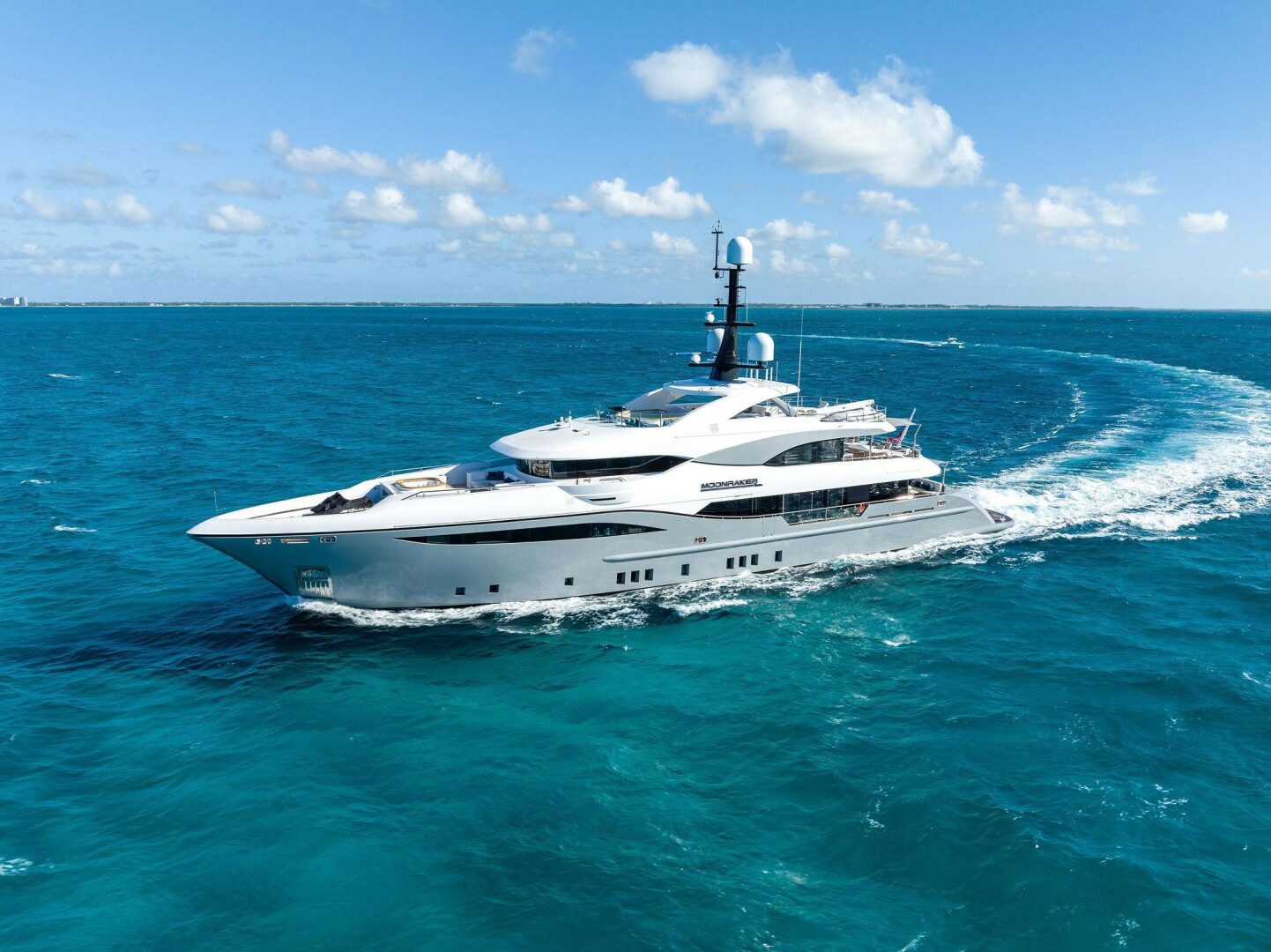
2019 Bilgin MOONRAKER
$21,404,500
156
West Palm Beach Florida

2028 Columbus Yachts
$22,900,008
137
Ancona
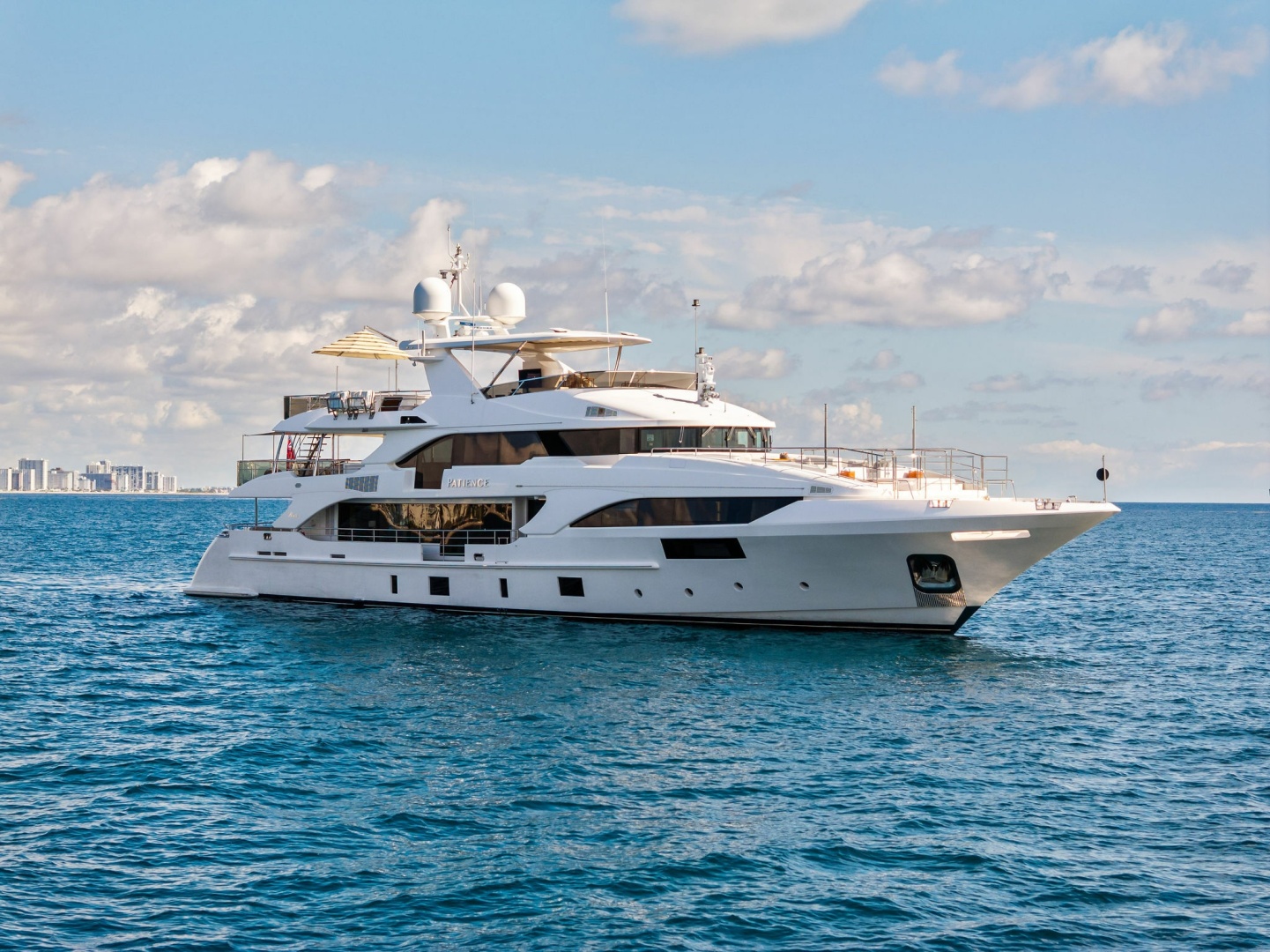
2012 Benetti PATIENCE
$10,975,000
132
Fort Lauderdale Florida
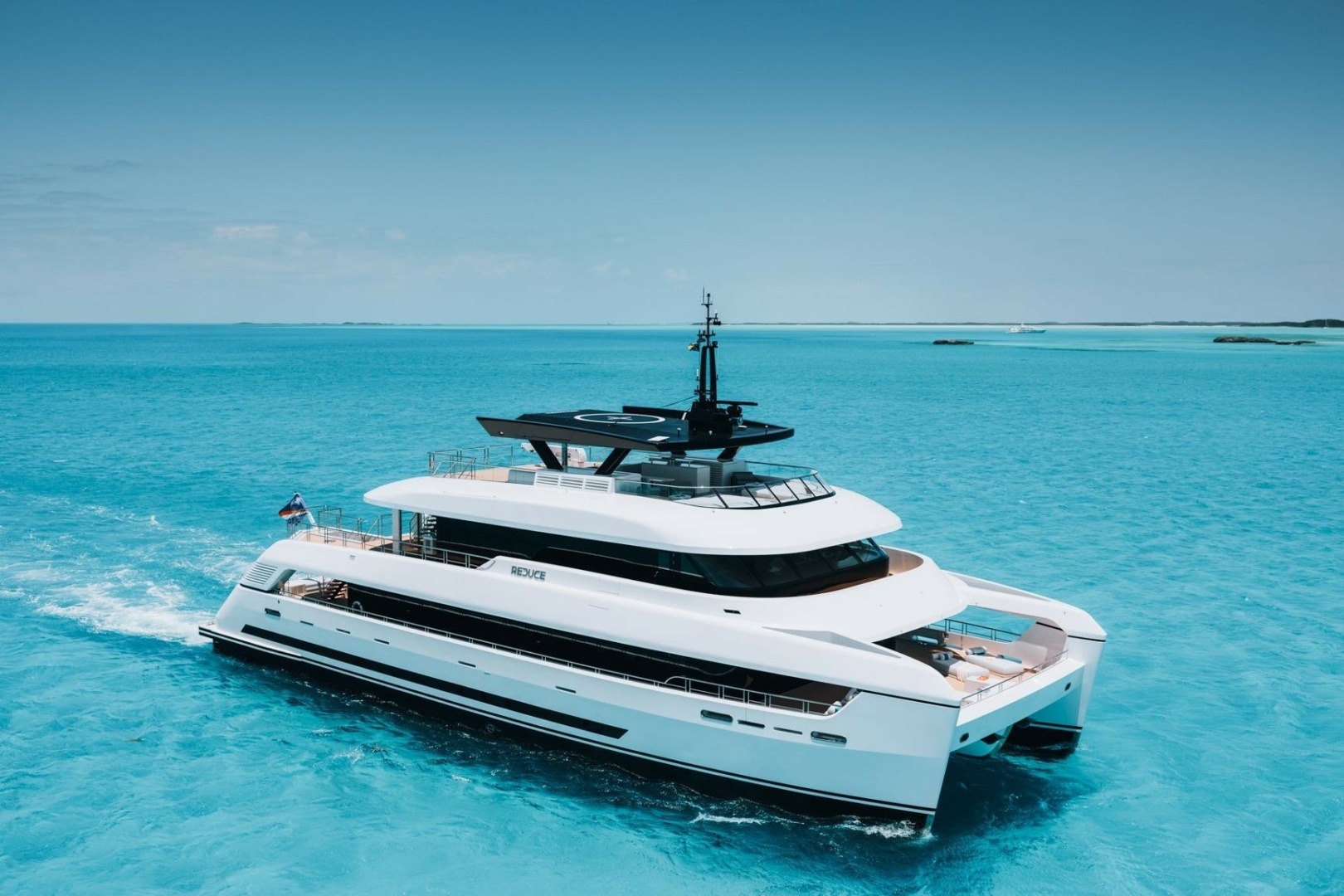
2024 Silver Yachts
$25,400,000
117
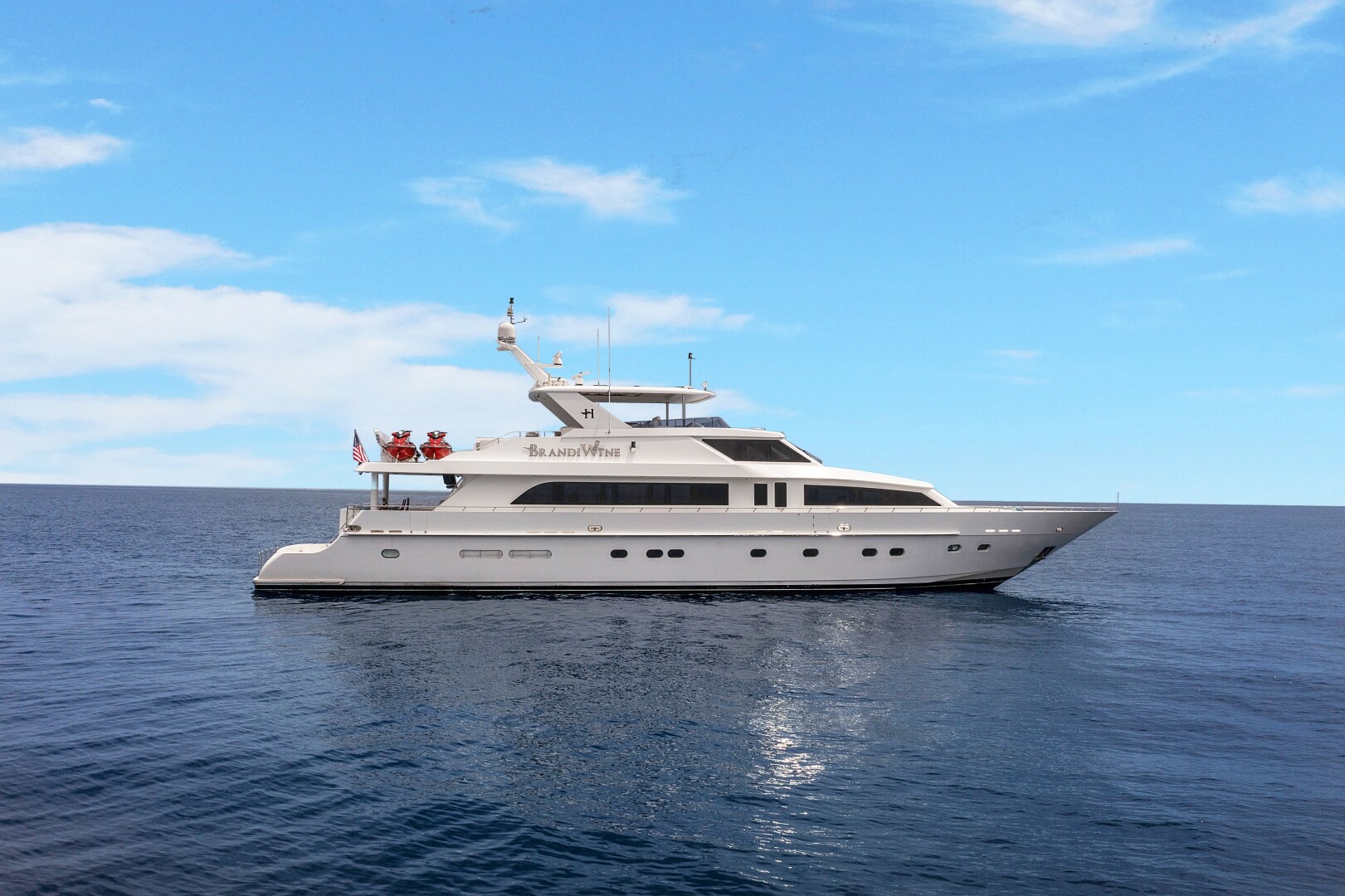
2009 Hargrave BRANDI WINE
$2,995,000
114
Fort Lauderdale Florida

2028 Extra Yachts
$21,404,500
100
Ancona

2028 Extra Yachts Extra 96
$9,495,000
96
Ancona
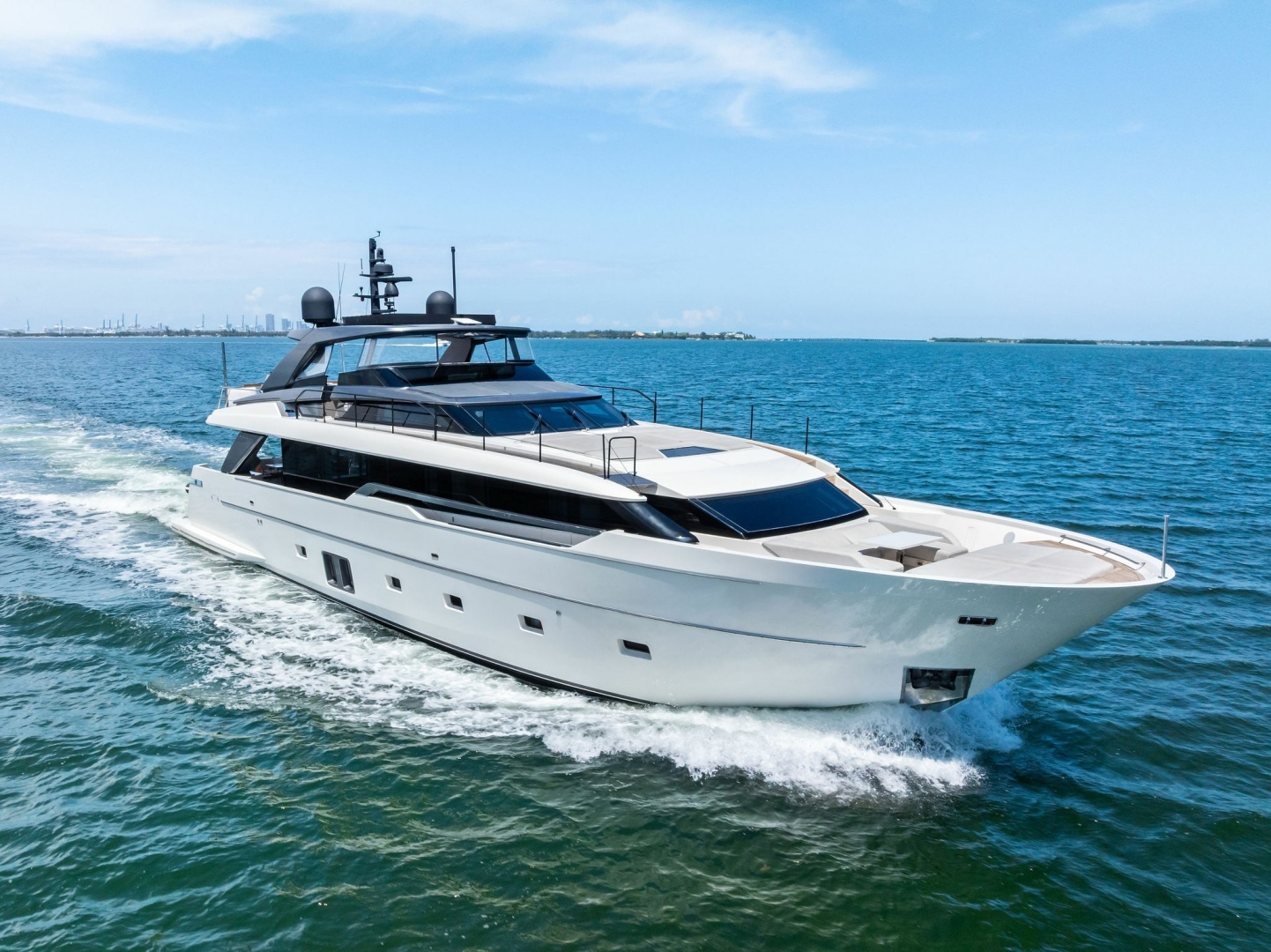
2021 Sanlorenzo GATSBY
$6,795,000
96
Miami Beach Florida

1999 Northern Marine OFF LINE
$2,495,000
84
Ft Lauderdale Florida
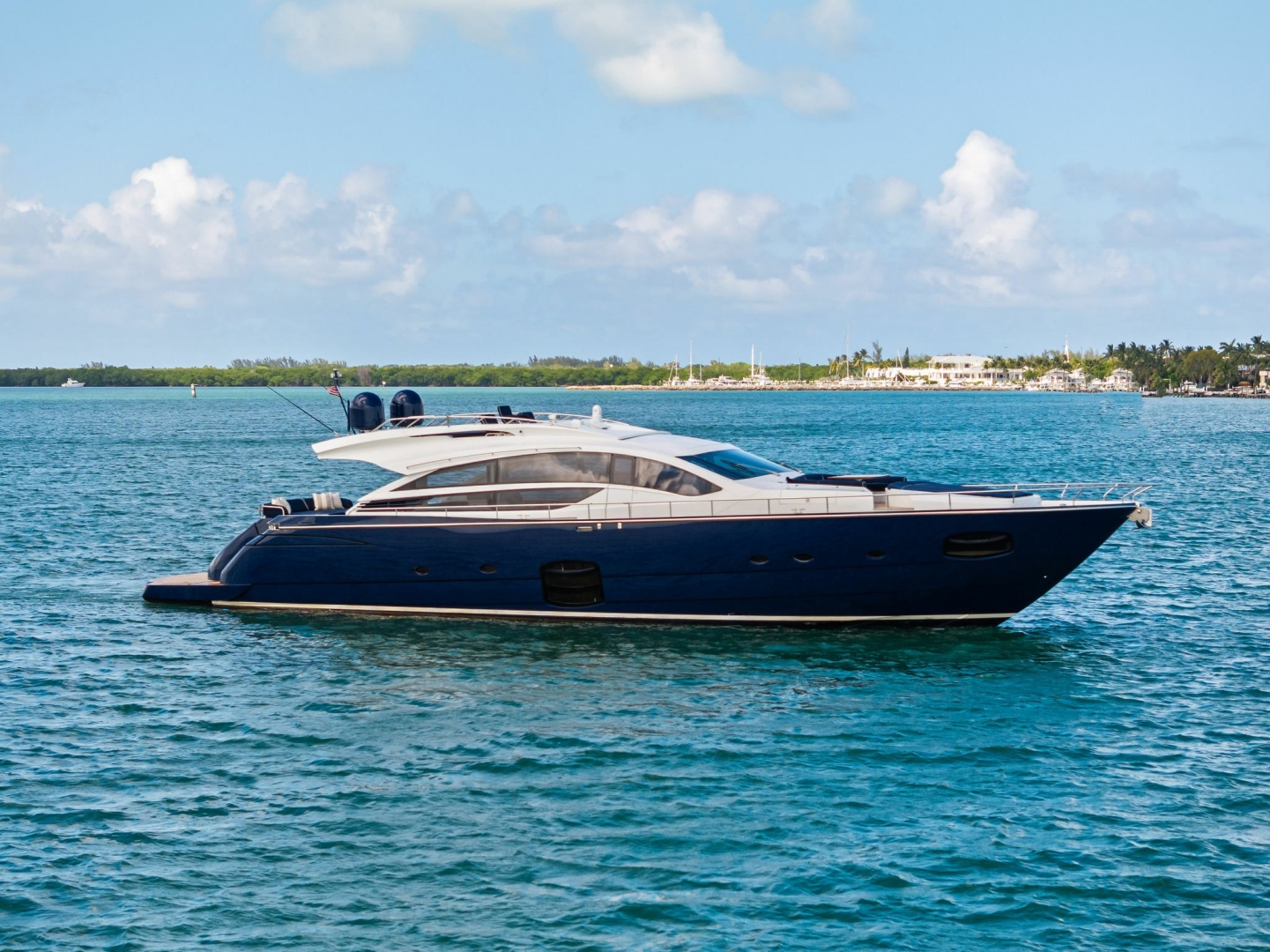
2013 Pershing DOROTHY ANN
$1,750,000
82
Miami Beach Florida

1997 Ferretti Yachts
$850,000
80
La Paz
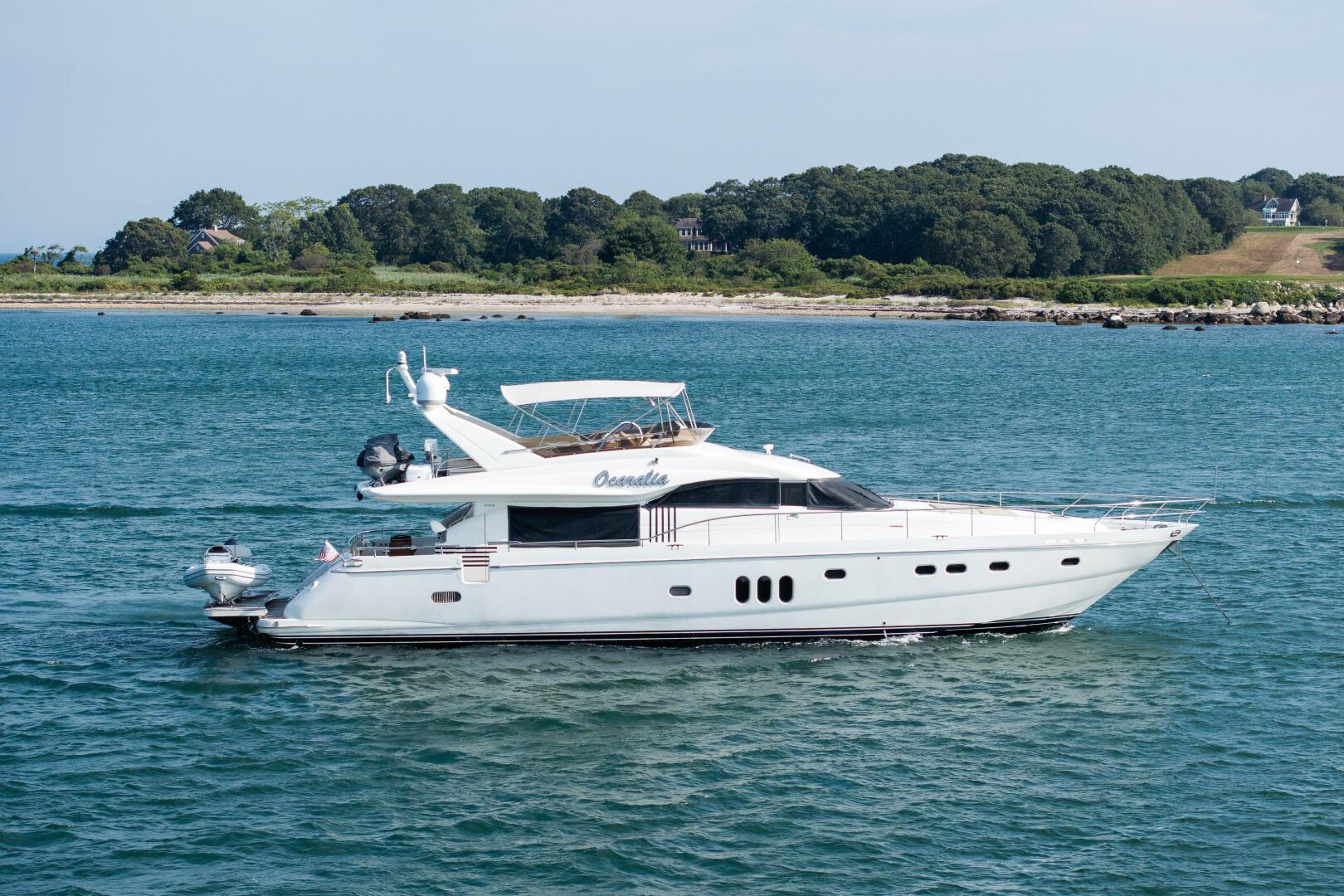
2008 Princess Yachts OCARALIA
$1,095,000
75
Charleston South Carolina
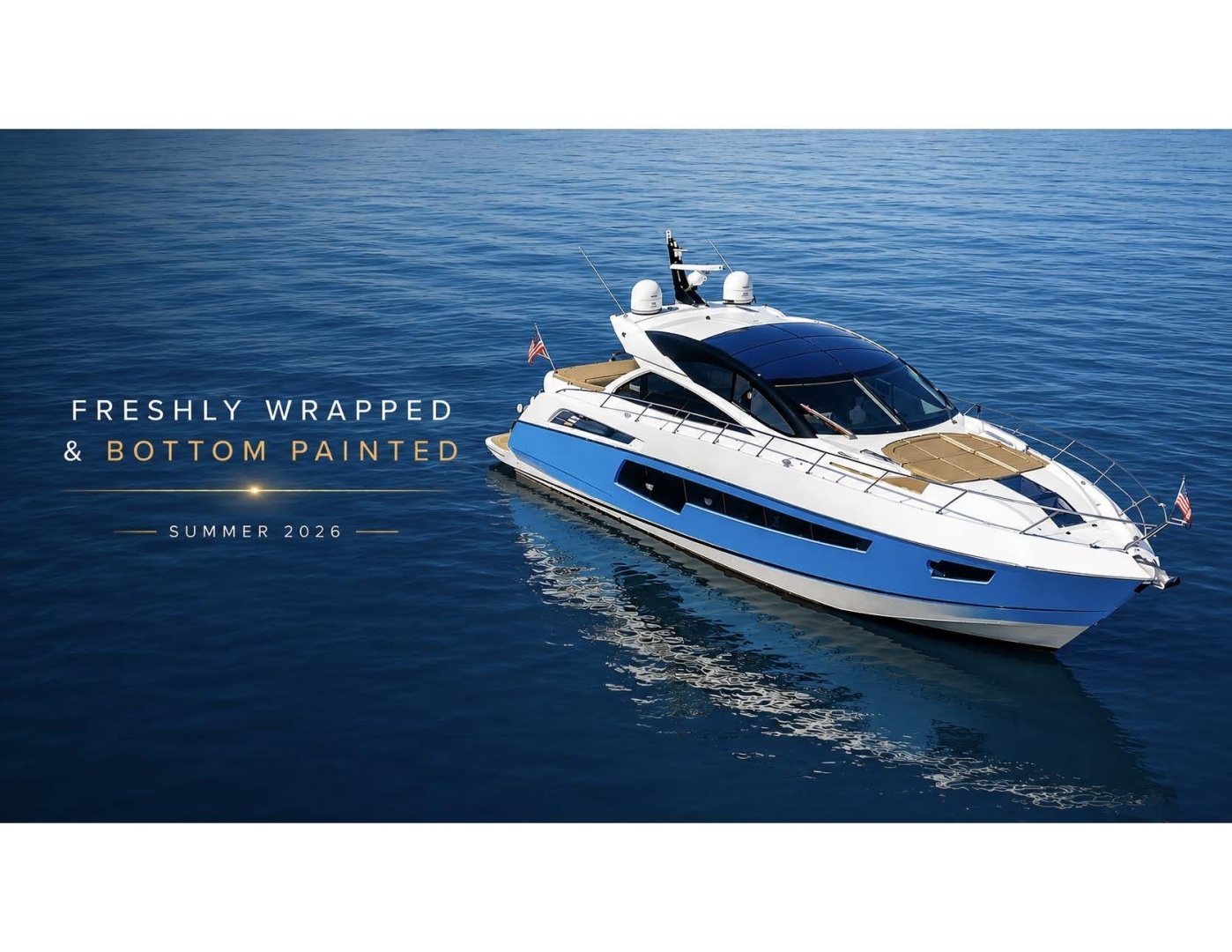
2014 Sunseeker
$1,400,000
68
New York New York

2024 Fairline
$2,750,000
68
Ft. Lauderdale Florida

2024 Sunreef Catallaxi
$3,700,000
60
Newport Rhode Island
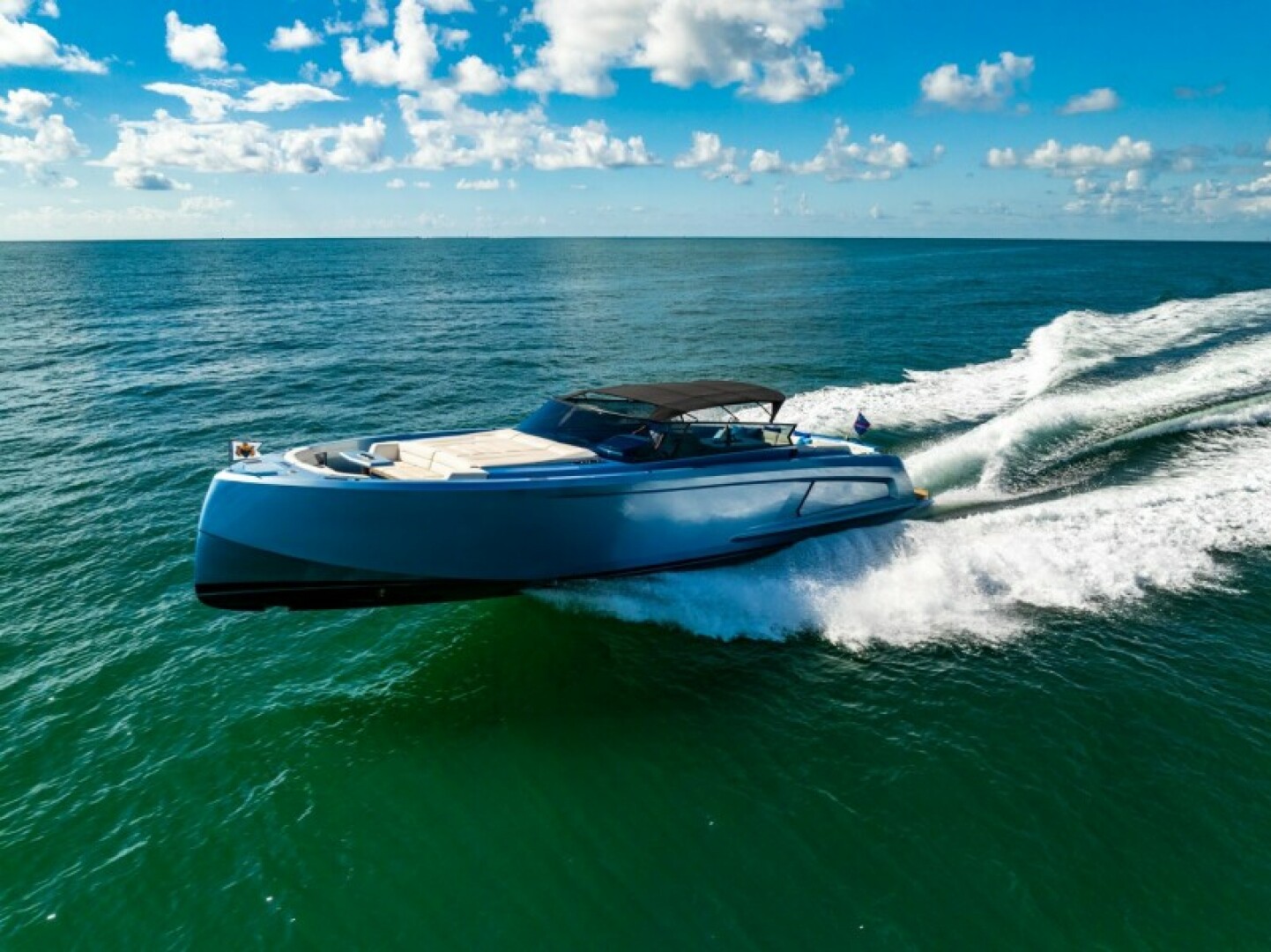
2019 Vanquish Yachts IMPULSIVE
$1,799,000
58
Miami Beach Florida
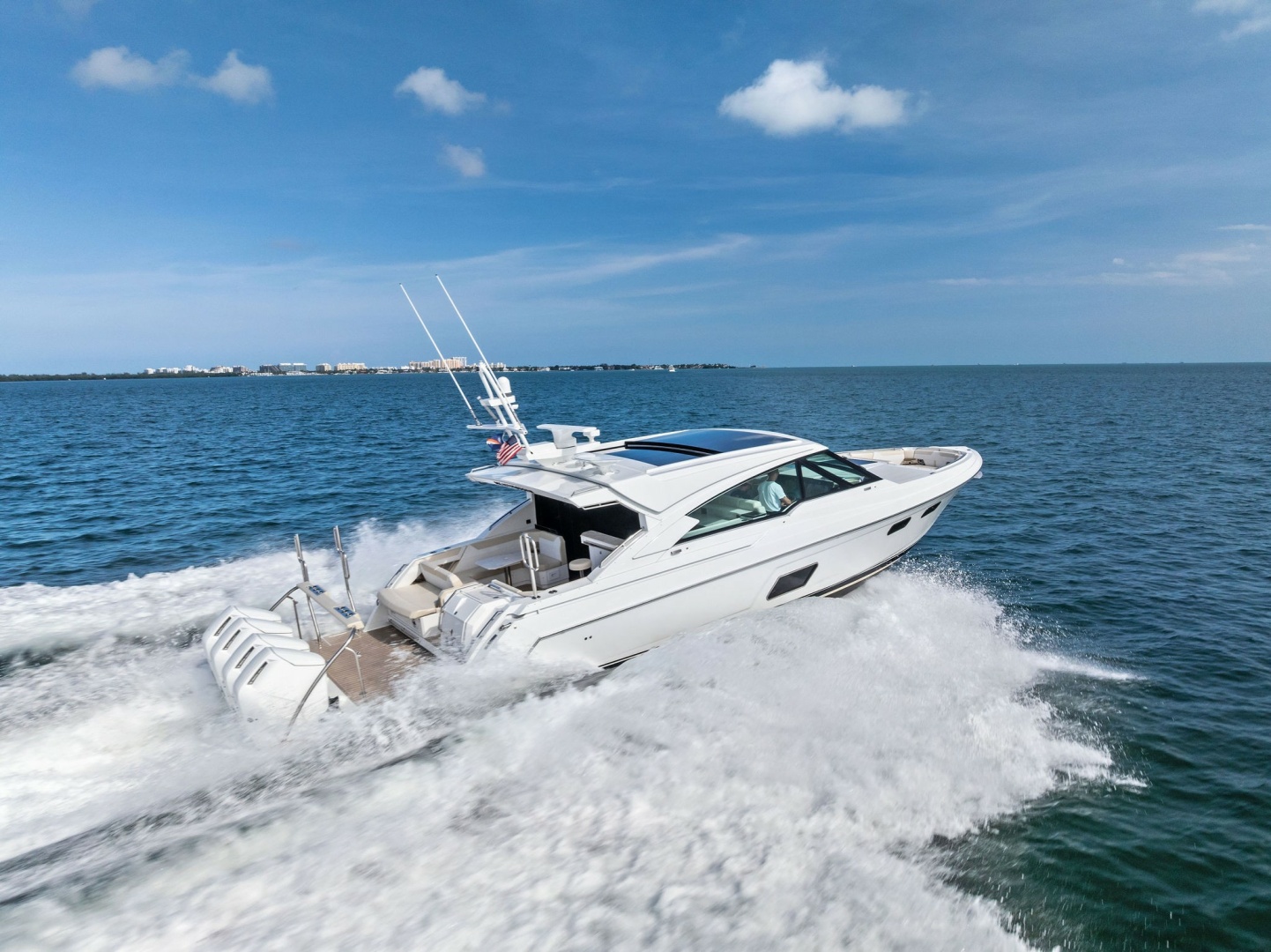
2025 Formula BREAKTHROUGH III
$1,895,000
53
Miami Beach Florida

2023 Fairline
$900,000
45
Fort Lauderdale Florida
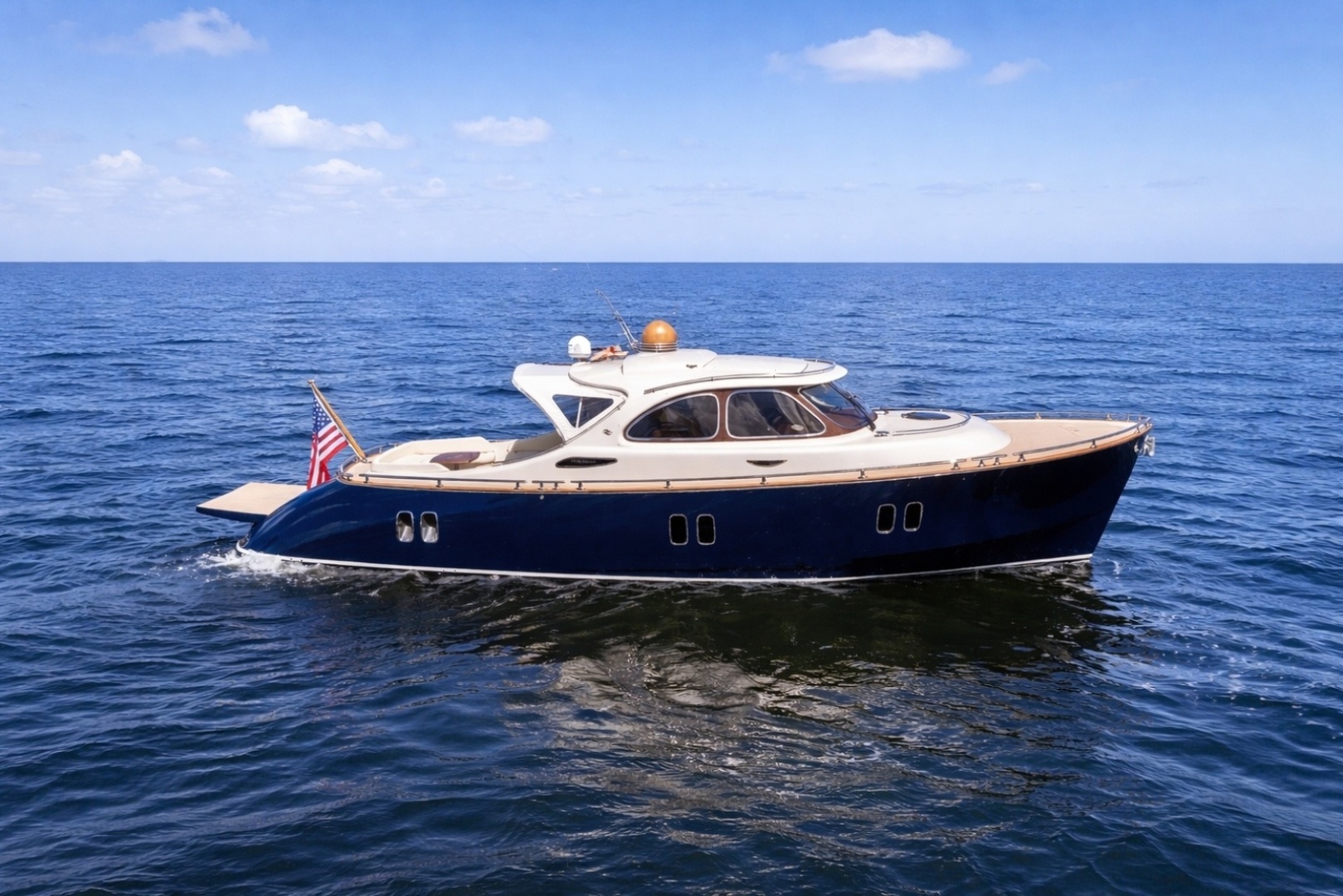
2012 Zeelander Mississippi Queen
$575,000
44
West Palm Beach Florida
2019 Bilgin 156'
$21,404,500
2028 Columbus Yachts 137'
$22,900,008
2012 Benetti 132'
$10,975,000
2024 Silver Yachts 117'
$25,400,000
2009 Hargrave 114'
$2,995,000
2028 Extra Yachts 100'
$21,404,500
2028 Extra Yachts 96'
$9,495,000
2021 Sanlorenzo 96'
$6,795,000
1999 Northern Marine 84'
$2,495,000
2013 Pershing 82'
$1,750,000
1997 Ferretti Yachts 80'
$850,000
2008 Princess Yachts 75'
$1,095,000
2014 Sunseeker 68'
$1,400,000
2024 Fairline 68'
$2,750,000
2024 Sunreef 60'
$3,700,000
2019 Vanquish Yachts 58'
$1,799,000
2025 Formula 53'
$1,895,000
2023 Fairline 45'
$900,000
2012 Zeelander 44'
$575,000