

Setting the right price for your yacht in 2026 can make or break your sale. Overpriced yachts receive 50% fewer buyer inquiries and spend twice as long on the market, costing thousands in holding expenses. This guide walks you through proven pricing strategies that balance market analysis, cost management, digital marketing, and negotiation to help you achieve maximum value and a faster sale.
Table of Contents
- Understanding The Luxury Yacht Market In 2026
- Prerequisites: What You Need Before Setting Yacht Prices
- Step 1: Analyze Market Conditions And Comparable Listings
- Step 2: Calculate And Factor In Holding Costs
- Step 3: Leverage Digital Marketing And Presentation To Boost Value
- Step 4: Negotiate Commissions And Price With Broker Support
- Common Pricing Mistakes To Avoid
- Expected Outcomes And Success Metrics
- Explore Expert Yacht Brokerage Services And Pricing Guides
- Frequently Asked Questions
Key takeaways
| Point | Details |
|---|---|
| Market analysis is foundational | Research comparable yachts and current 2026 market trends to set competitive prices. |
| Holding costs impact urgency | Factor 9% to 25% annual ownership costs into your pricing timeline and flexibility. |
| Digital marketing boosts value | Professional presentation across multiple platforms increases buyer engagement and perceived worth. |
| Broker negotiation saves money | Negotiating commissions can improve your net proceeds by 5% or more. |
| Avoid common pricing errors | Overpricing reduces inquiries by half and doubles time on market. |
Understanding the luxury yacht market in 2026
The yacht market has evolved significantly entering 2026. After years of volatility, brokerage markets stabilized in 2025 with more realistic pricing and balanced supply and demand dynamics. This stabilization creates opportunities for sellers who understand current conditions.
Several key trends shape pricing decisions:
- Pre-owned yacht transactions now represent over 78% of the market, intensifying competition among sellers
- Economic factors including tariffs and inflation continue influencing buyer budgets and negotiation power
- Seasonal patterns remain strong, with spring and summer commanding premium prices in many regions
- Regional variations affect pricing, with Mediterranean and Caribbean listings often fetching higher values
- Buyer behavior has shifted toward extensive digital research before contacting brokers
Understanding these yacht market trends helps you position your vessel competitively. Buyers today are better informed and more selective. They compare multiple listings, scrutinize specifications, and expect transparent pricing backed by market data.
The stabilization also means pricing discipline matters more than ever. Unrealistic asking prices get filtered out quickly as buyers use digital tools to identify overpriced yachts. Your pricing strategy must reflect current market realities while highlighting your yacht’s unique value propositions.
Prerequisites: what you need before setting yacht prices
Successful pricing starts with thorough preparation. You need specific data and tools to make informed decisions that maximize value while attracting serious buyers.
Gather these essential elements:
- Access to current comparable yacht listings within 10% of your yacht’s size and age
- Detailed documentation of your yacht’s condition, upgrades, and maintenance history
- Accurate calculation of monthly holding costs including insurance, slip fees, and routine maintenance
- Understanding of digital platforms where your target buyers search for yachts
- Recent survey reports and any certifications that enhance value
| Preparation Item | Why It Matters | Time Investment |
|---|---|---|
| Comparable listings research | Establishes realistic price range | 3 to 5 hours |
| Holding cost calculation | Determines pricing urgency and flexibility | 1 to 2 hours |
| Documentation organization | Supports value claims during negotiations | 2 to 4 hours |
| Digital platform familiarization | Optimizes marketing approach | 2 to 3 hours |
Your luxury yacht marketing workflow starts here. Without these prerequisites, you risk setting prices based on emotion or outdated information rather than market reality.
Pro Tip: Create a spreadsheet tracking comparable listings over 30 days to spot pricing trends and buyer interest patterns before finalizing your asking price.
Understanding yacht pricing key value factors helps you identify which features justify premium pricing. Recent engine overhauls, updated electronics, or desirable mooring locations can support higher asking prices when documented properly.

Step 1: analyze market conditions and comparable listings
Competitive market analysis forms the foundation of effective yacht pricing. This systematic approach ensures your price aligns with buyer expectations while maximizing value.
Follow these steps:
- Identify 5 to 8 comparable yachts matching your vessel’s size, age, brand, and condition
- Document their listing prices, days on market, and any price reductions
- Analyze buyer inquiry rates if available through broker networks or digital platforms
- Adjust for seasonal factors and regional market strength
- Calculate a realistic price range based on this data
Key factors to evaluate in comparables:
- Engine hours and maintenance records
- Electronics and navigation systems age and quality
- Interior condition and recent upgrades
- Location and mooring arrangements
- Included equipment and tenders
| Price Position | Market Impact | Typical Outcome |
|---|---|---|
| 5% below comparables | High inquiry rate | Sale within 60 days |
| Market aligned | Steady interest | Sale within 90 days |
| 5% above comparables | Reduced inquiries | 120+ days on market |
| 10%+ above comparables | Minimal interest | Price reduction needed |
Avoid the temptation to price at the high end of comparable ranges unless your yacht offers documented advantages. Overpricing creates a negative market perception that persists even after price reductions.
Pro Tip: Track yacht market trends indicators weekly during your listing period to identify when price adjustments might capture increased buyer activity.
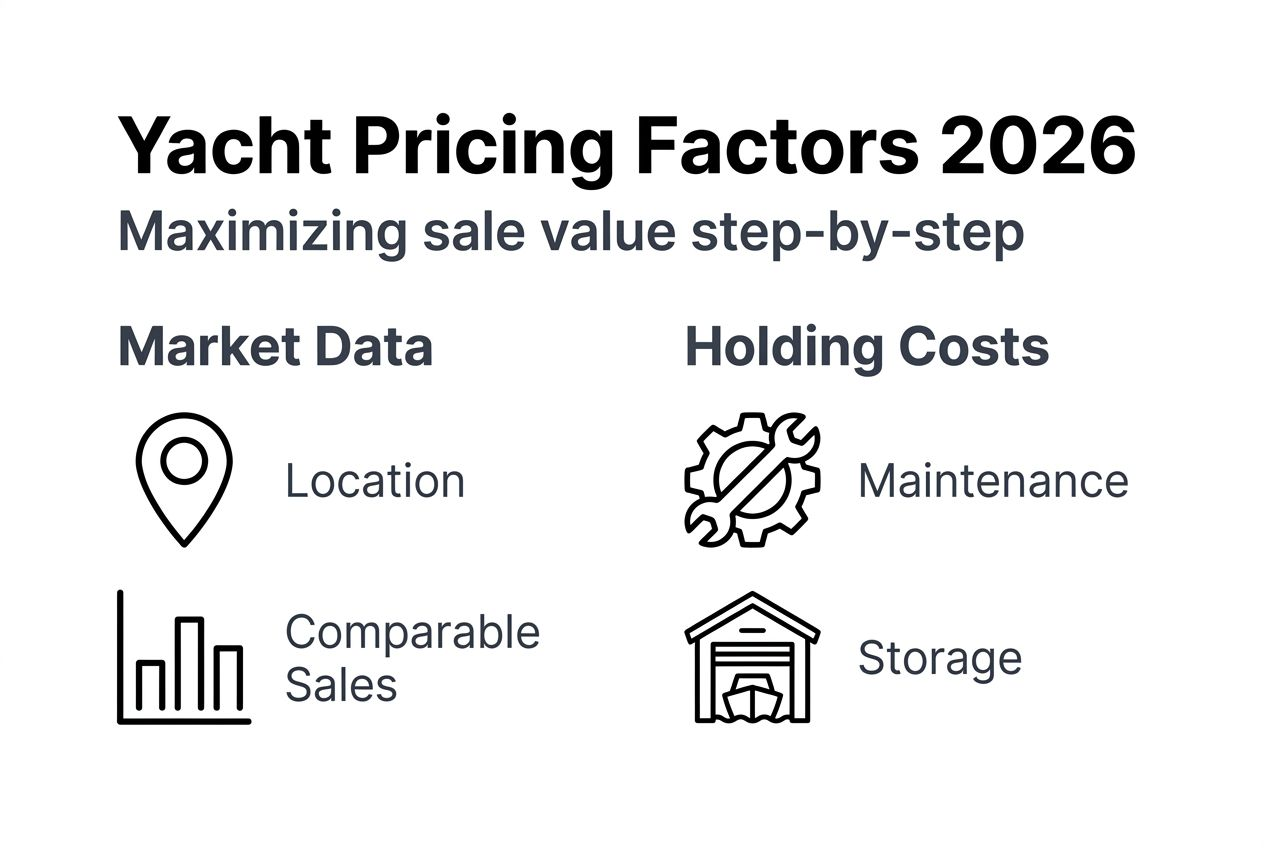
Consider yacht valuation factors including location, which can justify premium pricing for yachts in high demand areas. A yacht berthed in a desirable marina often commands 10% to 20% more than identical vessels in less attractive locations.
Step 2: calculate and factor in holding costs
Ownership expenses significantly impact your pricing strategy and sale urgency. Understanding these costs prevents financial strain and informs realistic timeline expectations.
Annual holding costs typically include:
- Insurance premiums averaging 1% to 2% of yacht value
- Marina or slip fees ranging from $50 to $200 per foot annually
- Routine maintenance and cleaning consuming 3% to 5% of value
- Registration, licensing, and compliance costs
- Crew salaries for larger vessels requiring professional management
Combined, these expenses often total 9% to 25% of your yacht’s value each year. For a $2 million yacht, that represents $180,000 to $500,000 annually, or $15,000 to $42,000 monthly.
These costs create pricing pressure. Extended listing periods drain resources and reduce your negotiating flexibility. Buyers and brokers recognize when holding costs motivate sellers, sometimes using this knowledge during negotiations.
Pro Tip: Calculate your break-even timeline by dividing your monthly holding costs by potential price reduction impacts to determine optimal listing duration before adjusting price.
Factoring holding costs into your yacht pricing strategy helps you balance maximizing value against minimizing ongoing expenses. Some sellers choose aggressive pricing to achieve quick sales, saving tens of thousands in holding costs even with slightly lower sale prices.
Consider your financial situation honestly. If holding costs strain your budget, pricing for a faster sale often yields better net proceeds than holding out for top dollar while expenses accumulate.
Step 3: leverage digital marketing and presentation to boost value
Professional marketing transforms how buyers perceive your yacht’s value. In 2026, digital presentation quality directly correlates with buyer interest and final sale prices.
Critical marketing elements:
- Professional photography showcasing your yacht in optimal lighting and angles
- High definition video tours highlighting layout, features, and condition
- Detailed specifications and equipment lists with clear, honest descriptions
- Multi-platform listing distribution reaching diverse buyer segments
- Regular updates and engagement with inquiring buyers
Buyers now conduct extensive online research before scheduling viewings. Poor quality photos or incomplete information cause them to skip your listing regardless of price competitiveness. Professional presentation demonstrates the care you’ve invested in your yacht, building buyer confidence.
Pro Tip: Invest in drone footage for larger yachts to showcase profile and deck layouts from angles impossible with traditional photography, increasing perceived value and buyer engagement.
Your luxury yacht marketing workflow should include listing your yacht on major platforms like YachtWorld, Boat Trader, and specialized regional sites. Each platform reaches different buyer demographics, maximizing exposure.
Monitor digital analytics to understand buyer behavior. Track which photos receive the most views, how long visitors spend on your listing, and which features generate questions. This data informs pricing adjustments and marketing refinements.
Consistent branding across all platforms reinforces professionalism. Use the same high quality images, identical specifications, and cohesive messaging whether buyers find your yacht on international sites or regional listings.
Step 4: negotiate commissions and price with broker support
Working effectively with brokers optimizes both your asking price and net proceeds. Strategic commission negotiation and collaborative pricing create win-win scenarios that motivate successful sales.
Broker commission structures typically range from 10% on smaller yachts to 5% on multimillion dollar vessels. These rates are often negotiable, especially for well maintained yachts priced competitively in active markets.
Negotiation strategies:
- Research standard commission rates in your market and vessel category
- Propose performance incentives rewarding faster sales or above-asking offers
- Consider tiered commissions that increase if sale price exceeds specific thresholds
- Discuss exclusive listing agreements that might justify reduced commission rates
- Ensure all terms are documented clearly in your listing agreement
Transparent communication with your broker about yacht sales commission expectations prevents misunderstandings. Share your market research and pricing rationale to demonstrate you’re a knowledgeable, reasonable seller.
Align your pricing strategy with broker incentives. Brokers work harder to sell competitively priced yachts because they close faster with less effort. Overpriced listings languish, consuming broker time without generating commissions.
Choosing the right yacht broker impacts your entire selling experience. Select brokers with proven track records in your yacht category, strong digital marketing capabilities, and extensive buyer networks.
Common pricing mistakes to avoid
Even experienced yacht owners make costly pricing errors. Recognizing these pitfalls helps you implement strategies that maximize value and minimize time on market.
Frequent mistakes:
- Overpricing based on emotional attachment rather than market data reduces inquiries by over 50%
- Ignoring comparable listings and pricing based solely on original purchase price or perceived value
- Underestimating holding costs, leading to financial pressure and eventual price reductions
- Failing to invest in professional photography and marketing, limiting buyer interest
- Neglecting to negotiate broker commissions, leaving thousands of dollars on the table
Overpriced yachts develop negative market reputations. Buyers wonder what’s wrong when listings sit unsold for months. Even significant price reductions struggle to overcome this perception, as buyers assume underlying issues beyond price.
Underutilizing digital marketing costs you buyers. In 2026, over 85% of yacht buyers begin their search online. Inadequate digital presence means missing most potential buyers regardless of pricing.
Some sellers make the opposite error, pricing too low out of urgency or misunderstanding market conditions. While this generates quick sales, it leaves money on the table unnecessarily. Proper yacht pricing strategy balances urgency with value maximization.
Timing mistakes also undermine success. Listing in off-season periods without adjusting price expectations leads to extended marketing periods and accumulated holding costs.
Expected outcomes and success metrics
Implementing expert pricing strategies produces measurable results. Understanding realistic expectations helps you evaluate strategy effectiveness and make informed adjustments.
| Metric | Industry Average | Well-Priced Yacht | Impact |
|---|---|---|---|
| Days on market | 180 to 270 | 60 to 120 | 50%+ reduction |
| Price to asking ratio | 85% to 90% | 95% to 100% | Higher net proceeds |
| Buyer inquiry rate | 3 to 5 per month | 8 to 15 per month | Increased interest |
| Commission savings | Standard rates | 5%+ negotiated reduction | Direct cost savings |
Yachts priced correctly from listing typically sell faster and closer to asking price than vessels starting overpriced and reducing later. Initial pricing credibility matters significantly in buyer psychology.
Expected benefits:
- Reduced time on market minimizes holding cost accumulation
- Higher inquiry rates increase negotiating leverage with multiple interested buyers
- Better quality buyers who are serious and pre-qualified rather than bargain hunters
- Smoother transaction process with fewer complications and renegotiations
- Enhanced broker motivation leading to more active marketing efforts
Track these metrics throughout your listing period. If inquiry rates fall below expectations after 30 days, reassess pricing rather than waiting months for market conditions to change.
Understanding why selling your yacht in 2026 might offer unique advantages helps you time your sale strategically. Market conditions, tax considerations, and personal circumstances all influence optimal timing and pricing approaches.
Success in yacht sales comes from combining data-driven pricing, professional marketing, strategic broker relationships, and realistic expectations about market dynamics and buyer behavior.
Explore expert yacht brokerage services and pricing guides
Navigating the complexities of yacht pricing and sales becomes significantly easier with professional guidance. Expert brokers bring market intelligence, negotiation skills, and marketing resources that individual sellers rarely possess.
Our specialized services help you refine your pricing strategy using current market data and proven methodologies. We understand the nuances of choosing a yacht broker who aligns with your goals and yacht category.
Discover comprehensive insights on how to price your yacht for maximum sale value, covering valuation factors, timing considerations, and negotiation tactics. Our luxury yacht marketing workflow ensures your vessel receives optimal exposure across digital platforms, attracting qualified buyers efficiently.
Frequently asked questions
What factors most influence yacht pricing in 2026?
Economic conditions including inflation, tariffs, and interest rates significantly impact buyer budgets and financing costs. Supply and demand balance in your specific yacht category determines competitive positioning. Digital platform exposure affects perceived value, as professional presentation generates higher buyer interest. Comparable yacht features, condition, and location remain critical in establishing baseline valuations.
How do holding costs affect my yacht’s sale price and timing?
Higher holding costs create urgency to sell, sometimes forcing price reductions to achieve faster transactions. Annual expenses ranging from 9% to 25% of yacht value add up quickly, potentially exceeding the benefit of holding out for top dollar. Ignoring these costs leads to prolonged listings that drain resources and reduce negotiating flexibility. Smart sellers factor holding costs into pricing strategy from day one.
What are the advantages of negotiating broker commissions?
Negotiating commissions can save sellers 5% or more in transaction fees, directly increasing net proceeds by thousands or even tens of thousands of dollars. Aligning broker incentives through performance-based commission structures motivates more active marketing and faster sales. Clear commission terms prevent surprises at closing and foster collaborative seller-broker relationships. Most brokers expect some negotiation, especially on competitively priced, well-maintained yachts.
Why is digital marketing essential for pricing strategy in 2026?
Professional digital marketing enhances perceived yacht value by showcasing condition, features, and quality to maximum effect. Multi-platform exposure increases buyer inquiries by reaching diverse demographics and geographic markets simultaneously. High quality photos and videos build buyer confidence, often supporting higher sale prices and faster transactions. In a market where 85% of buyers start online, inadequate digital presence severely limits pricing power regardless of actual yacht quality.
Recommended
Featured Listings
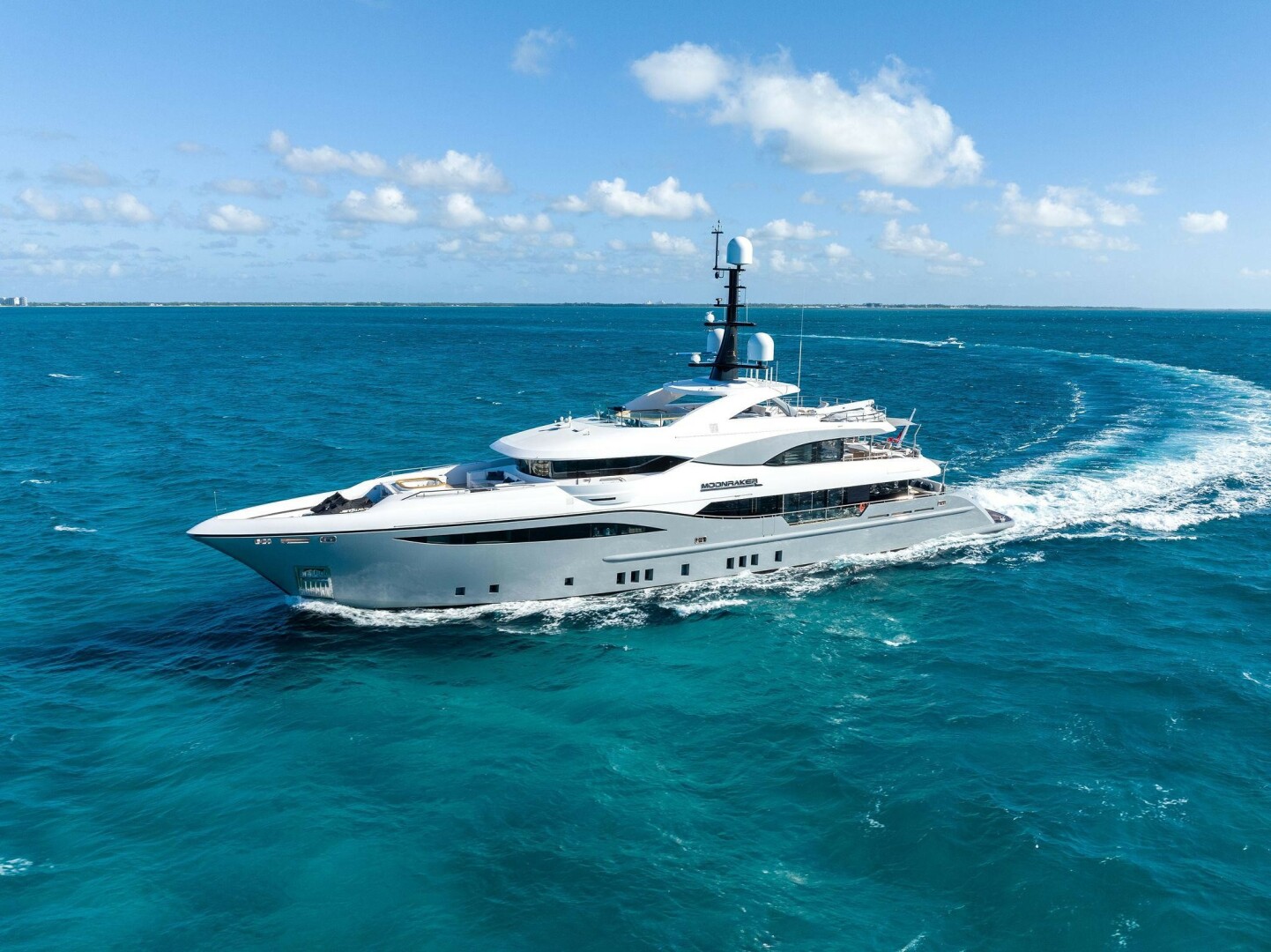
2019 Bilgin MOONRAKER
$20,646,000
156
West Palm Beach Florida

2028 Columbus Yachts
$22,900,008
137
Ancona
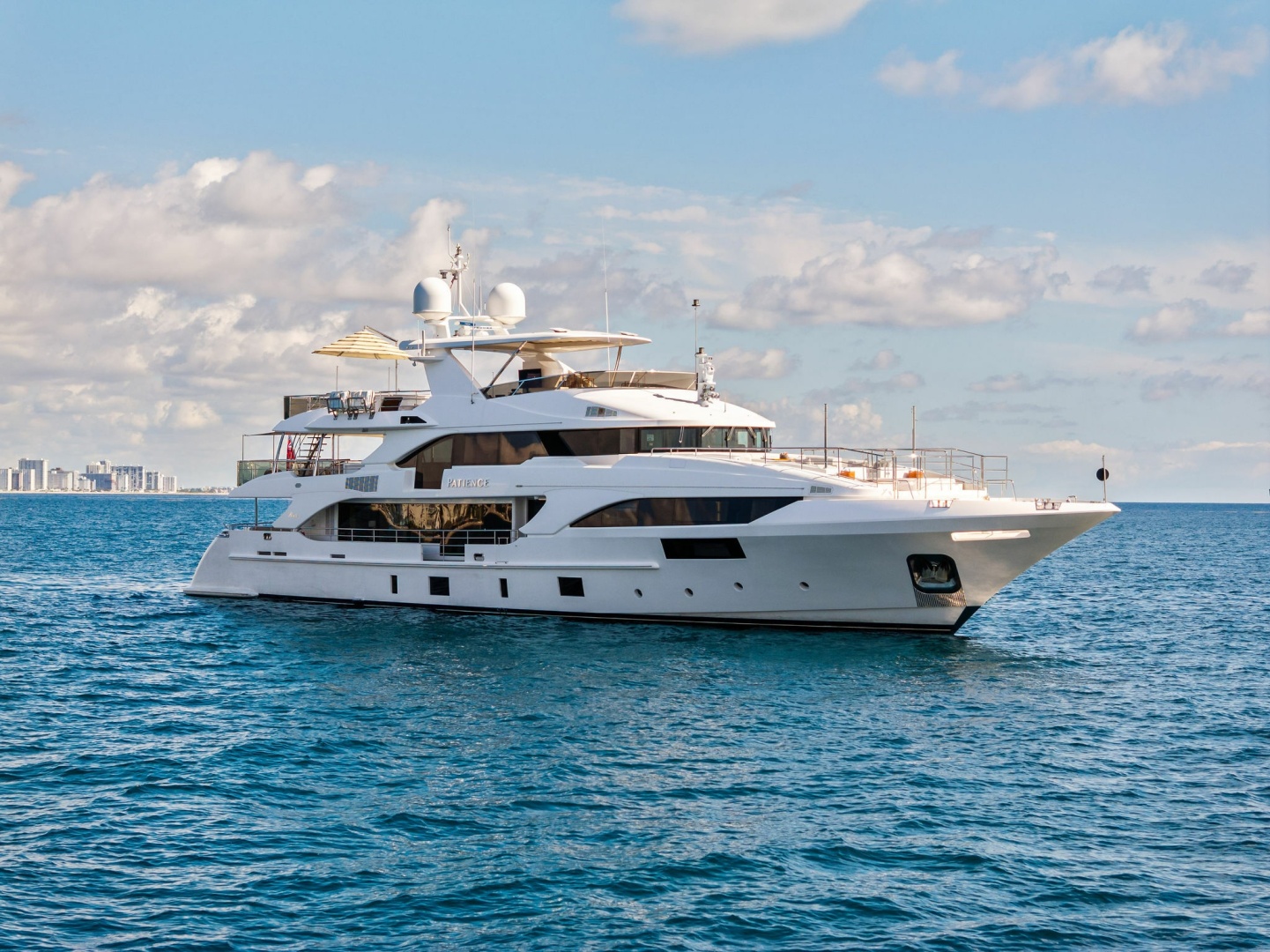
2012 Benetti PATIENCE
$10,975,000
132
Fort Lauderdale Florida
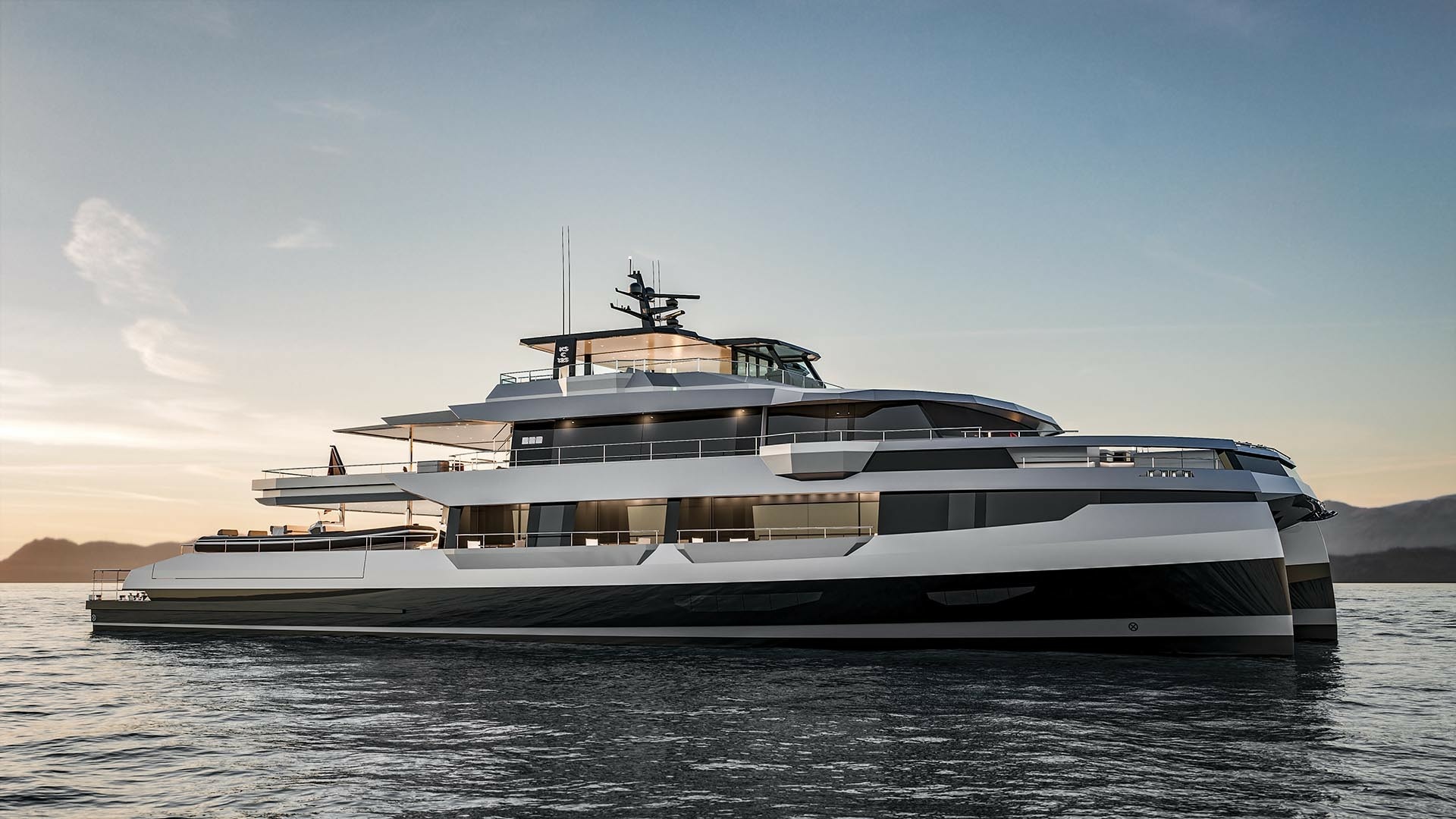
2028 Kingship Kingship
$20,000,000
125
2024 Silver Yachts
$25,400,000
117
2009 Hargrave BRANDI WINE
$2,500,000
114
Fort Lauderdale Florida

2028 Extra Yachts
$20,646,000
100
Ancona
2028 Alpha
100
Ft Lauderdale Florida

2028 Extra Yachts Extra 96
$9,495,000
96
Ancona
2021 Sanlorenzo GATSBY
$6,795,000
96
Miami Beach Florida
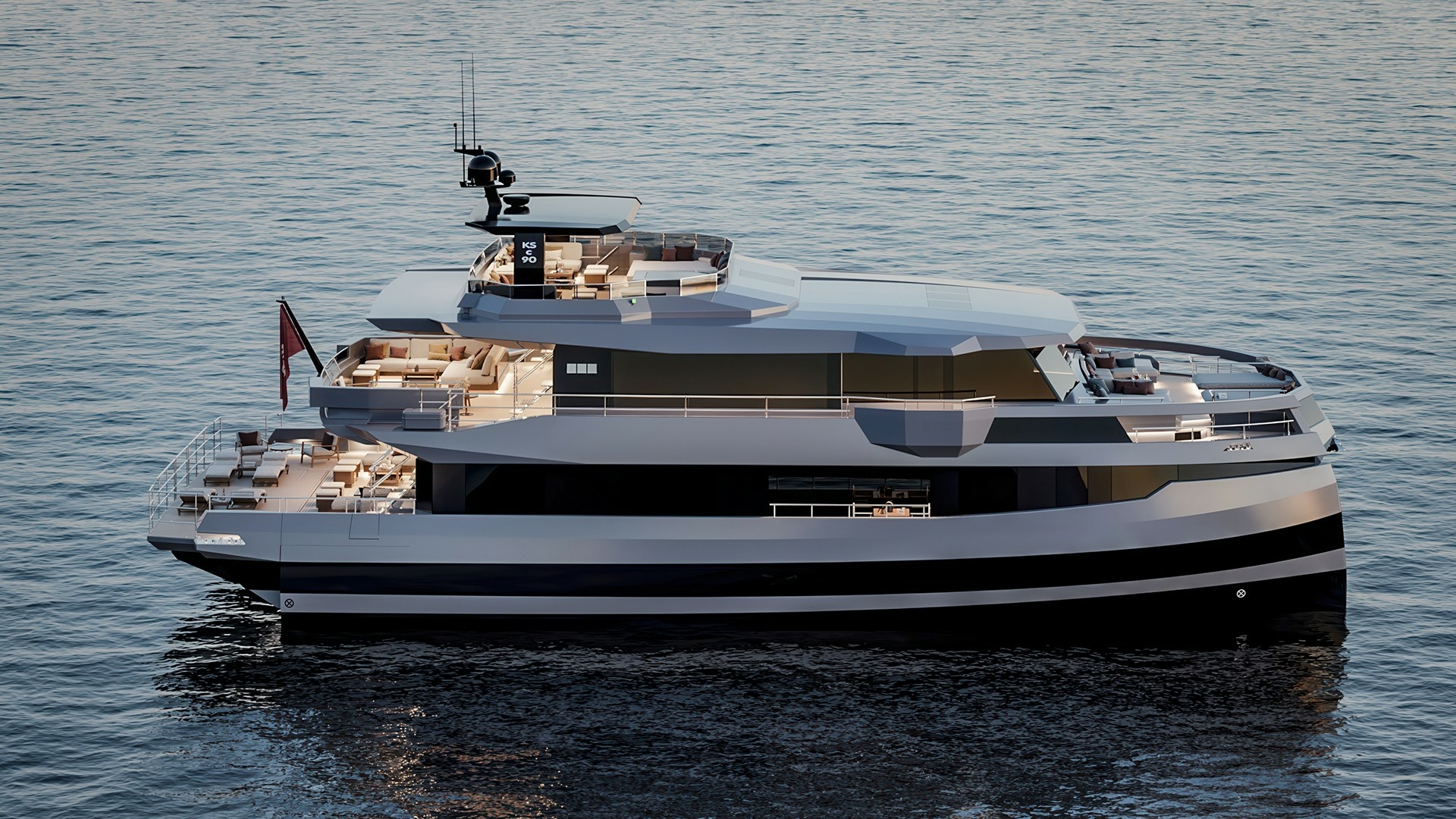
2028 Kingship
90

1999 Northern Marine OFF LINE
$2,495,000
84
Ft Lauderdale Florida
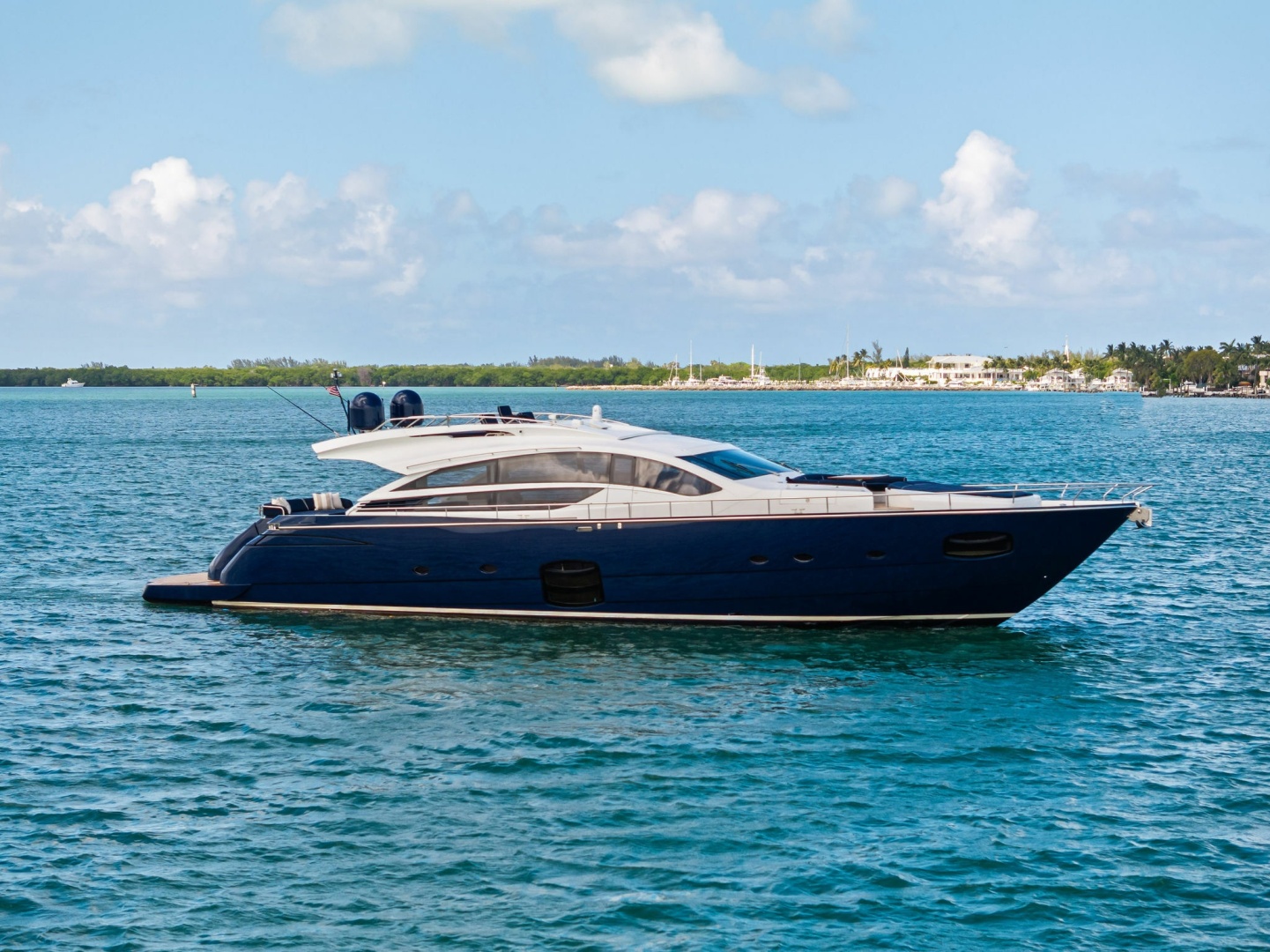
2013 Pershing DOROTHY ANN
$1,550,000
82
Miami Beach Florida

1997 Ferretti Yachts
$825,000
80
La Paz
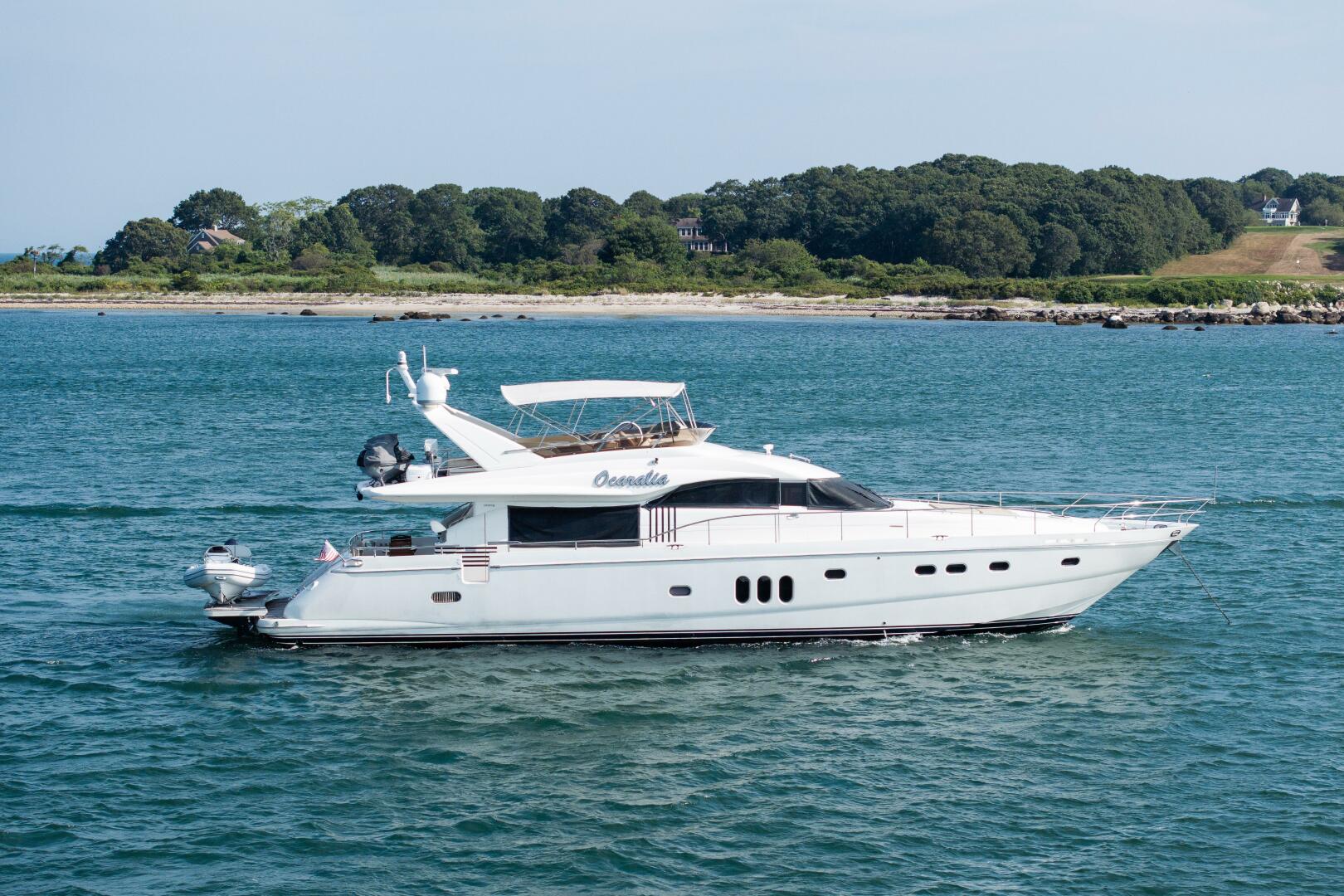
2008 Princess Yachts OCARALIA
$1,095,000
75
Charleston South Carolina
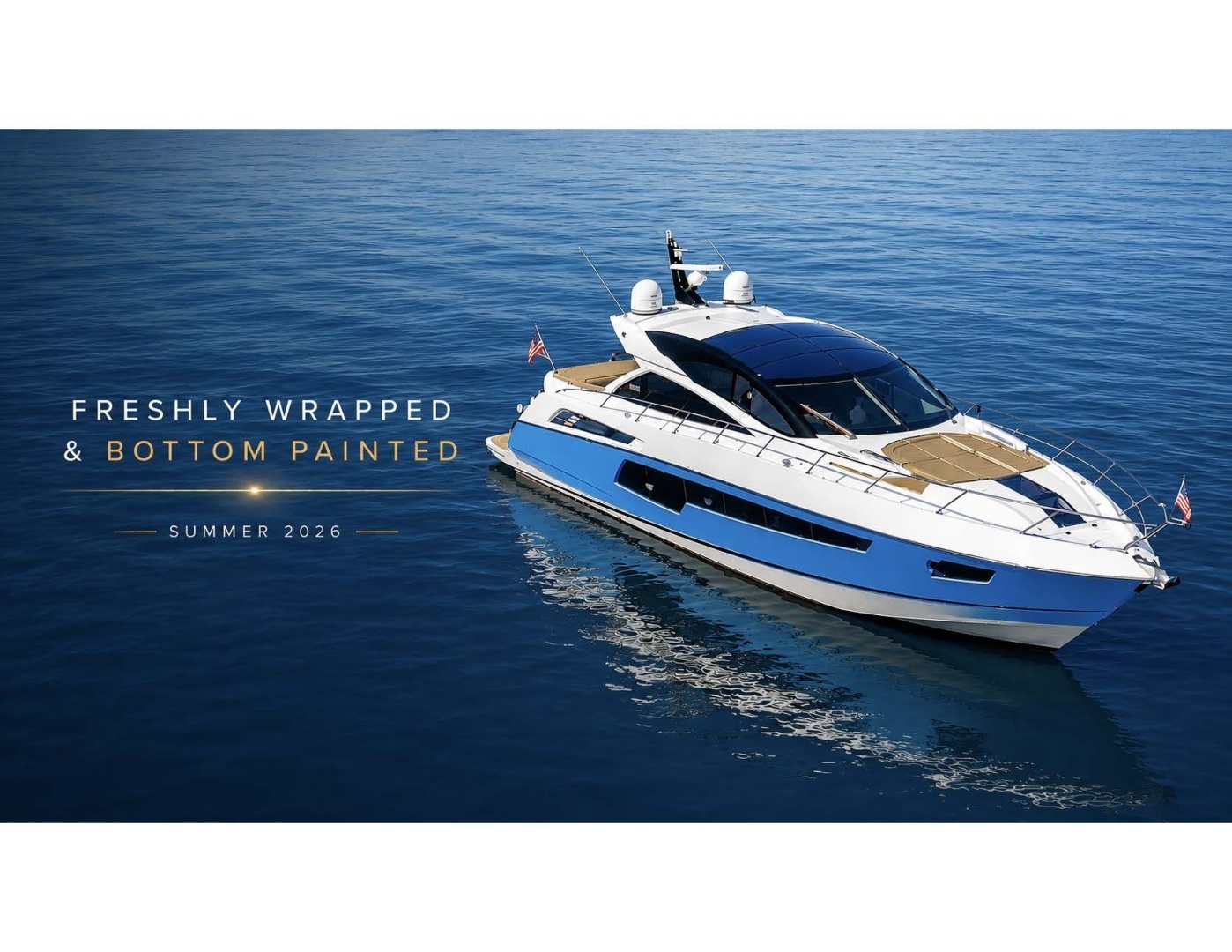
2014 Sunseeker
$1,400,000
68
New York New York

2024 Fairline
$2,750,000
68
Ft. Lauderdale Florida

2024 Sunreef Catallaxi
$3,700,000
60
Newport Rhode Island
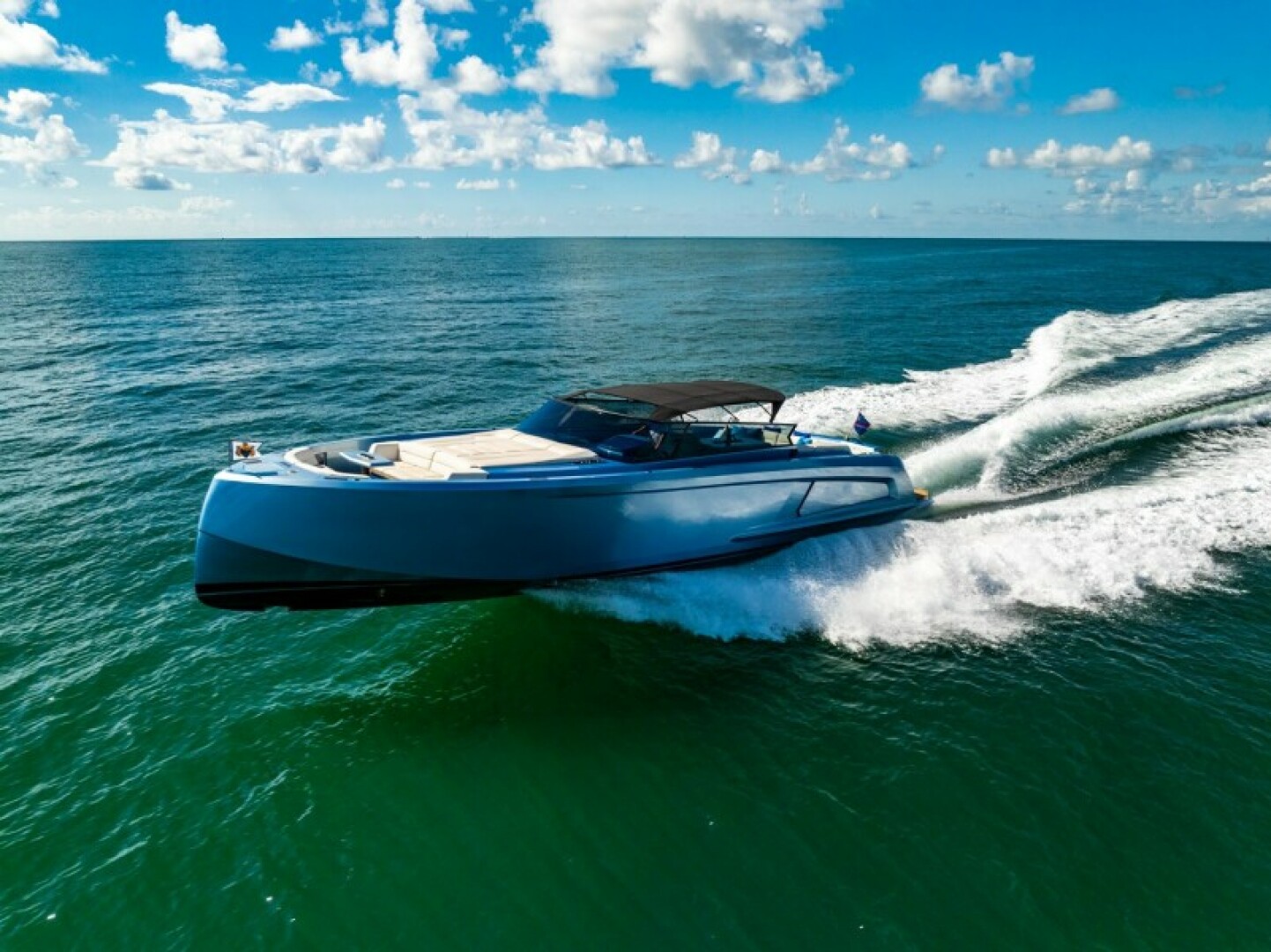
2019 Vanquish Yachts IMPULSIVE
$1,799,000
58
Miami Beach Florida
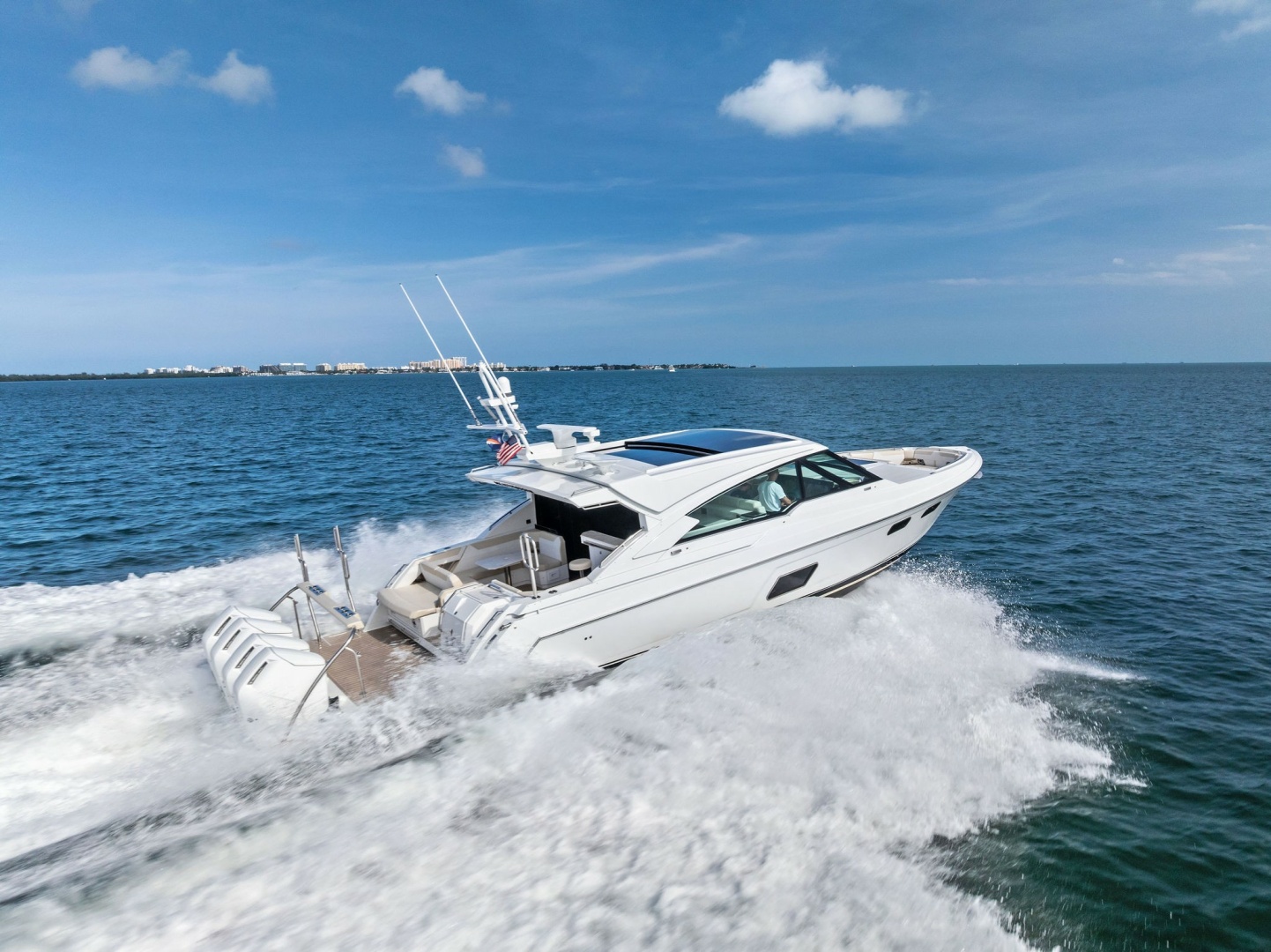
2025 Formula BREAKTHROUGH III
$1,895,000
53
Miami Beach Florida

2023 Fairline
$900,000
45
Fort Lauderdale Florida
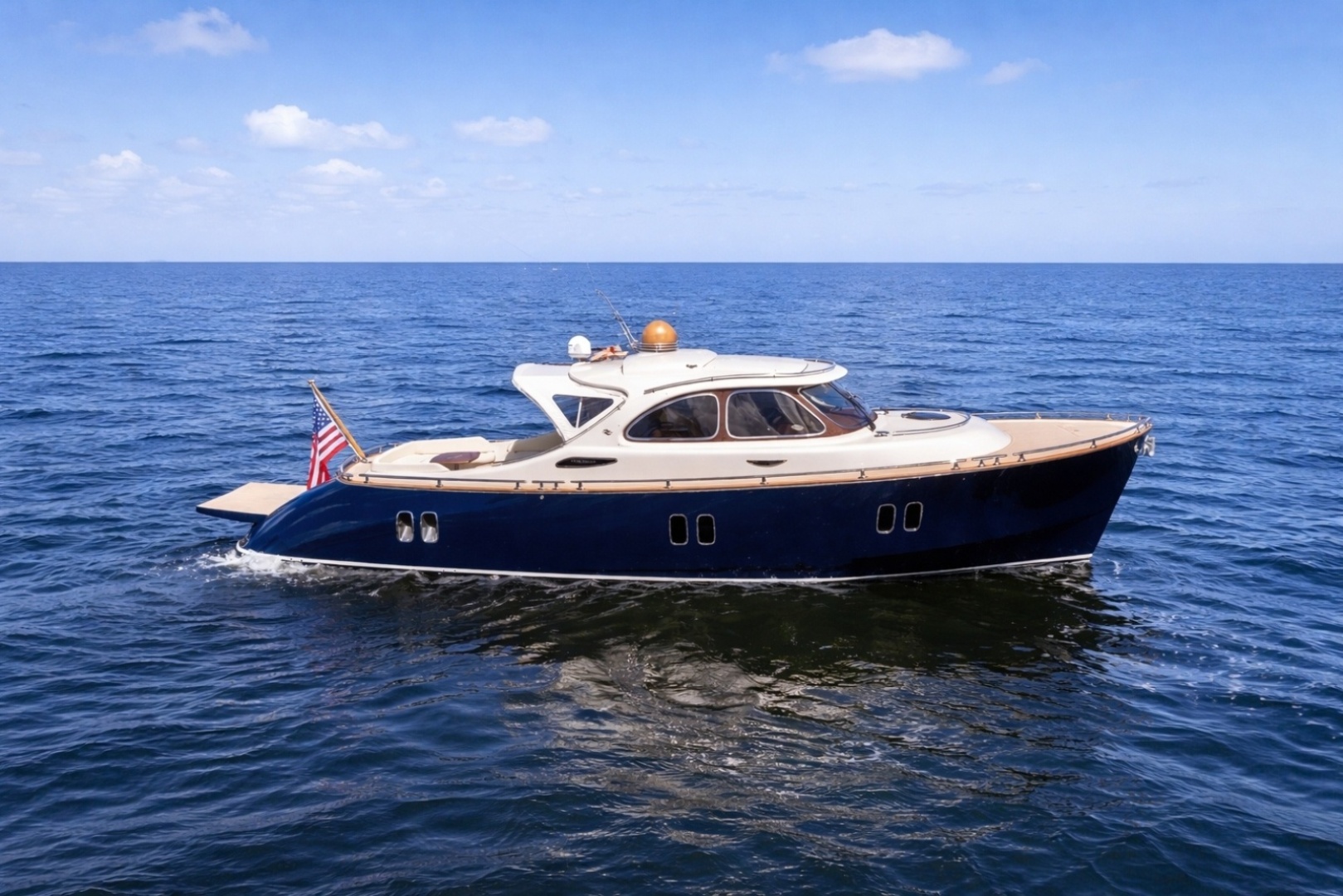
2012 Zeelander Mississippi Queen
$575,000
44
West Palm Beach Florida
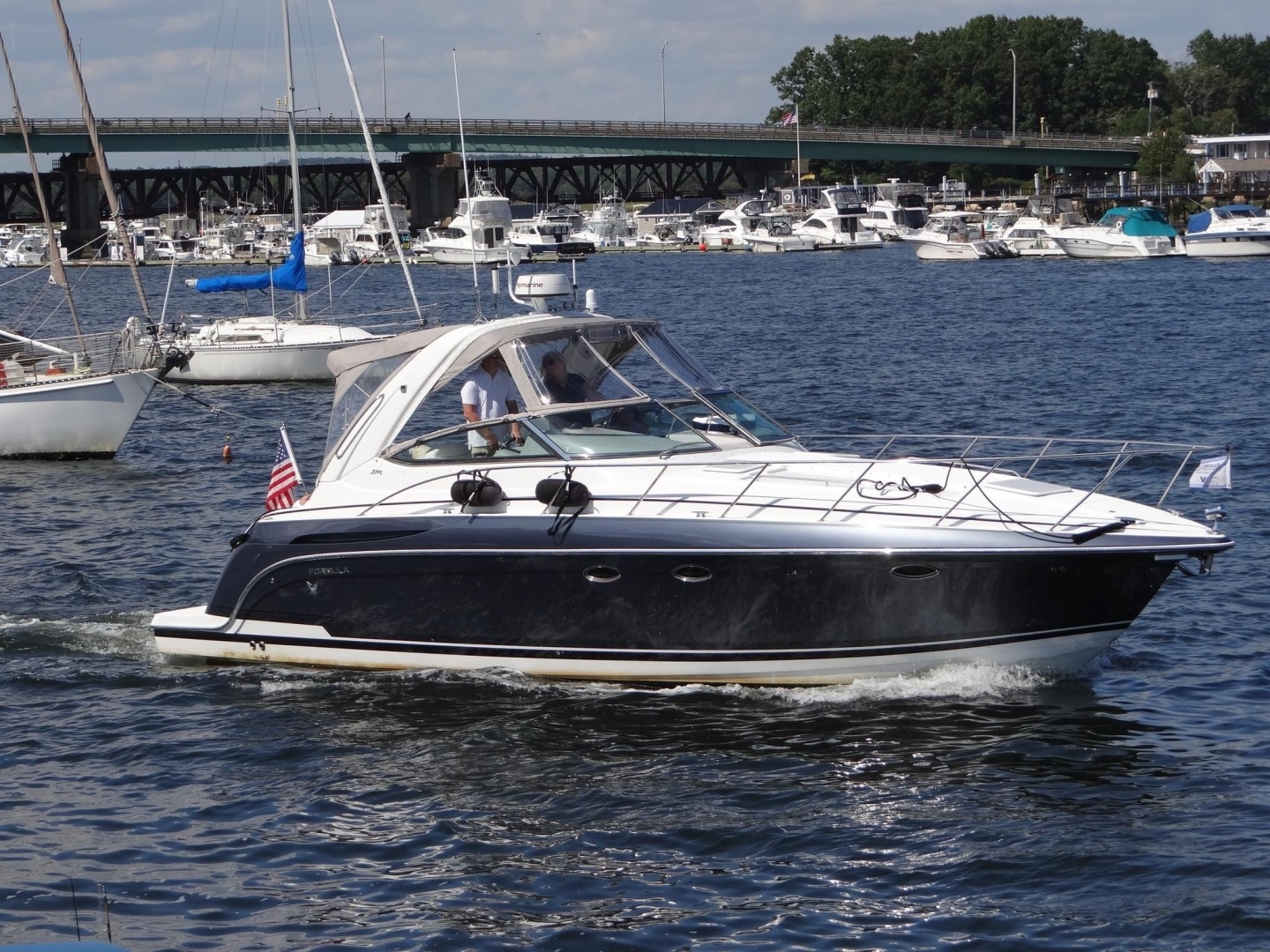
2006 Formula
$139,000
37
Newburyport Massachusetts
2019 Bilgin 156'
$20,646,000
2028 Columbus Yachts 137'
$22,900,008
2012 Benetti 132'
$10,975,000
2028 Kingship 125'
$20,000,000
2024 Silver Yachts 117'
$25,400,000
2009 Hargrave 114'
$2,500,000
2028 Extra Yachts 100'
$20,646,000
2028 Alpha 100'
2028 Extra Yachts 96'
$9,495,000
2021 Sanlorenzo 96'
$6,795,000
2028 Kingship 90'
1999 Northern Marine 84'
$2,495,000
2013 Pershing 82'
$1,550,000
1997 Ferretti Yachts 80'
$825,000
2008 Princess Yachts 75'
$1,095,000
2014 Sunseeker 68'
$1,400,000
2024 Fairline 68'
$2,750,000
2024 Sunreef 60'
$3,700,000
2019 Vanquish Yachts 58'
$1,799,000
2025 Formula 53'
$1,895,000
2023 Fairline 45'
$900,000
2012 Zeelander 44'
$575,000
2006 Formula 37'
$139,000