

A yacht purchase agreement records the terms of a sale, while ownership transfer depends on completing the transaction and the required documentation. The first practical steps are simple: sign a written agreement, escrow the deposit with a broker or attorney, and schedule a full survey and sea trial. For U.S. transactions, that paperwork trail eventually runs through an FYBA or IYBA style contract and ends with a Coast Guard NVDC bill of sale, form CG-1340.
TL;DR:
- Name the broker or attorney holding the deposit, and separate refund rights after survey problems from forfeiture rules when a buyer simply changes their mind.
- Arrange a full condition and valuation survey with a sea trial, confirm insurer and lender requirements, and have an attorney review any as is language.
- Set calendar dates for the survey, loan approval, and closing, and spell out lender conditions rather than relying on a vague financing contingency.
- If the survey uncovers problems, negotiate repairs, a price credit, or an allowance, and record every change in a signed addendum.
- For documented U.S. vessels, prepare the Coast Guard bill of sale, lien releases, and NVDC filings before escrow pays and the seller transfers title.
Table of Contents
- What a yacht purchase agreement covers
- Key negotiable terms: deposits, contingencies, surveys, and timing
- Clause-by-clause: what the fine print actually means
- Step-by-step: from signed offer to transferred title
- Where to find templates and what to customize
- Why professional help still matters on a high-value deal
- How Yachts by Steve supports your purchase agreement and closing
- FAQ
- Sources
What a yacht purchase agreement covers
Before you redline a single clause, it helps to know where things live in the document. A well-drafted agreement reads almost like a map of the transaction itself, each section marking a checkpoint between handshake and handover.
- Vessel identification: the Hull Identification Number (HIN), make, model, and specifications usually sit near the top, right under the parties’ names.
- Price and deposit: purchase price, deposit amount, and escrow instructions typically appear in the first page or two, often with a named escrow agent.
- Survey and sea trial: acceptance language, inspection windows, and who operates the vessel during testing are usually grouped together in a single contingency section.
- Closing and title: delivery location, tax responsibility, and title transfer mechanics tend to cluster near the end, right before signatures.
Reading the contract in this order, rather than top to bottom, lets you spot gaps fast. If the escrow agent is not named, or the survey window is left blank, that is your first redline.
Key negotiable terms: deposits, contingencies, surveys, and timing
This is where real money and real risk sit. A deposit, commonly held in a broker or attorney trust account, secures your spot in the deal and signals good faith, but the forfeiture and return language around it deserves careful reading: what happens if the survey reveals a problem, and what happens if you simply change your mind, should never be the same clause.

Survey contingencies give you the right to a full Condition and Valuation survey, often called a C&V survey, which can include a sea trial, operational testing, and system-by-system inspection; for example, lithium battery safety should be reviewed carefully according to installer guidance for recreational boat owners. According to ABYC guidance, this kind of comprehensive survey may satisfy insurer and lender requirements, so check with them about what they require for your transaction.
Financing contingencies, when included, should spell out the lender’s conditions and a deadline for loan approval, not just a vague reference to “obtaining financing.” And “as is, where is” language can affect what protections are available, so consider having an attorney review the terms and any condition reports before signing.
- Offer expiration dates, survey windows, and closing dates should all be explicit, with real calendar dates rather than “within a reasonable time.”
Pro Tip: Ask for the survey and financing deadlines to be tied to specific dates, not a number of days from signing. Dates are harder to dispute later.
Clause-by-clause: what the fine print actually means
Purchase agreements read like they were written for lawyers, because they mostly were. Here is what the recurring clauses actually say once you strip out the formal language.
- Deposit and escrow: this clause names who holds your money, usually a brokerage trust account or an attorney, and spells out the triggers for releasing it back to you versus handing it to the seller. If the escrow agent is not named by title and firm, ask for it to be added.
- Survey and sea trial: this section sets out what counts as an acceptable survey, who is allowed to run the boat during the trial, and what happens if the surveyor flags deficiencies, whether that means a repair, a price credit, or a walk-away right.
- Title, liens, and encumbrances: clarify in the agreement what title the seller will provide and what documents will be used to support the transfer.
- Brokerage and commission: this clause discloses who the broker represents and how commission is split, including dual agency and retrocession arrangements, where standard brokerage forms commonly allow one broker or brokerage to represent both sides unless the buyer brings in independent representation.
- Default and remedies: this spells out what happens if either party walks away without cause, often through liquidated damages language that caps the seller’s claim to the deposit and defines the buyer’s right to a refund if the seller defaults.
Step-by-step: from signed offer to transferred title
Closing a yacht deal cleanly is mostly a matter of sequence. Skip a step, and you will feel it later as a delay, not a disaster, but a delay all the same.
- Sign the offer and fund the deposit into escrow exactly as the contract specifies, with the escrow agent named and the amount confirmed in writing.
- Schedule the full C&V survey and sea trial. This is also the point to loop in your insurer and, if financing, your lender, since both will likely want a copy of the survey report before committing. Our guide to planning a yacht test run covers what to look for during the sea trial itself.
- Address survey findings. Negotiate repairs, a price credit, or an allowance, and get every adjustment in writing as a signed addendum rather than a verbal understanding.
- Confirm financing. Either the lender signs off on its conditions, or the buyer formally waives the financing contingency in writing.
- Prepare closing documents: the bill of sale (CG-1340), lien releases, proof of payment, and any NVDC submissions required for documented vessels.
- Complete final payment and handover. Funds disburse from escrow, the broker releases documents, and delivery happens at the location and condition specified in the contract.
Our closing checklist guide walks through this same sequence in more depth if you want a second reference while you work through your own deal.
Where to find templates and what to customize
FYBA and IYBA style forms are the closest thing the industry has to a standard starting point, and most brokers work from some variation of them. Editable versions are widely available online, including state-specific versions like the Florida Yacht Purchase and Sale Agreement, but a template is only as good as what you fill into it.
- Confirm the HIN matches the vessel’s documentation and hull plate exactly, with no typos.
- Name the escrow account and agent specifically, not just “broker trust account.”
- Set real dates for the survey window, financing deadline, and closing.
- Match the bill of sale and notarization fields to NVDC requirements before you submit anything.
Why professional help still matters on a high-value deal
Most yacht-closing delays are not dramatic. They are small things: a bill of sale with the wrong ownership designation, a missing lien release, a documentation package rejected on a technicality. An experienced broker catches these before they become a closing-day emergency, coordinating escrow timing, survey logistics, and paperwork the way a stage manager runs a production nobody notices until something goes wrong. Yachts by Steve brings its yachting and manufacturing experience to that coordination, helping address potential problems along the way.
— Jason
How Yachts by Steve supports your purchase agreement and closing
We support yacht transactions by guiding clients through contract terms, escrow, surveys and sea trials, and documentation. Our Premier Yacht Broker Services cover both sides of the table, and if you are selling, our Sell With Confidence program is built around the same attention to contract detail. If you already have a draft purchase agreement in hand and want a second set of eyes on it, reach out and we will walk through it with you before you sign anything.
This article is general information, not a substitute for advice from a qualified lawyer. Consult a qualified legal professional about your own circumstances before acting on anything here.
FAQ
What is the 12 person rule on a yacht?
This rule relates to vessel certification and passenger limits rather than to purchase agreements themselves: uninspected passenger vessels are subject to passenger limits until stricter commercial certification requirements apply. It does not affect how a private sale purchase agreement is structured.
Can I write my own purchase agreement?
You can draft your own agreement, but most buyers and sellers start from an established FYBA or IYBA style form rather than writing one from scratch, since these standardized templates already cover deposit handling, survey contingencies, and closing mechanics. A self-drafted agreement still needs to meet basic contract requirements and should be reviewed by an attorney or broker before signing.
What is the 10 rule for yachts?
There is no single, universally recognized “10 rule” in yacht purchase agreements, and definitions of this term vary depending on context, so we would rather point you to a qualified broker or attorney than guess at a definition that does not clearly apply to contract terms.
What is a typical yacht brokerage fee?
Brokerage commission structures vary by firm and by the specific standard form used, with some IYBA-style agreements using a flat percentage and others using a sliding scale. The seller typically pays the commission as part of the brokerage agreement, and the structure should be disclosed clearly in the purchase contract itself.
Sources
- Surveying a Boat – The American Boat & Yacht Council
- Yacht broker commissions, retrocessions and conflicts
- NVDC Initial Vessel Documentation
- FYBA Purchase Agreement – Secure eSignature Solutions by signNow | airSlate SignNow
- Bill of Sale
Recommended
Featured Listings

2028 Columbus Yachts
$22,900,008
137
Ancona
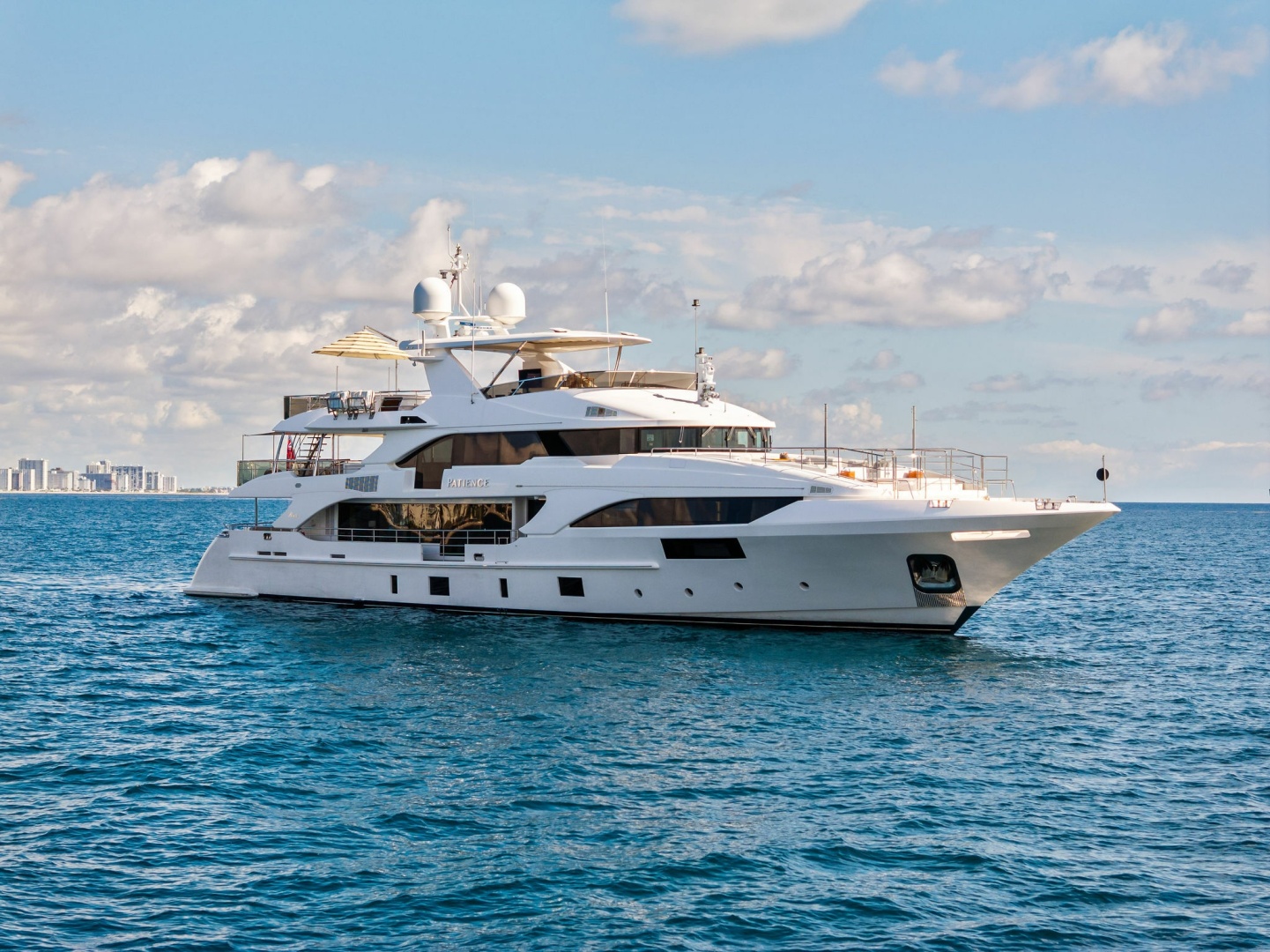
2012 Benetti PATIENCE
$10,975,000
132
Fort Lauderdale Florida
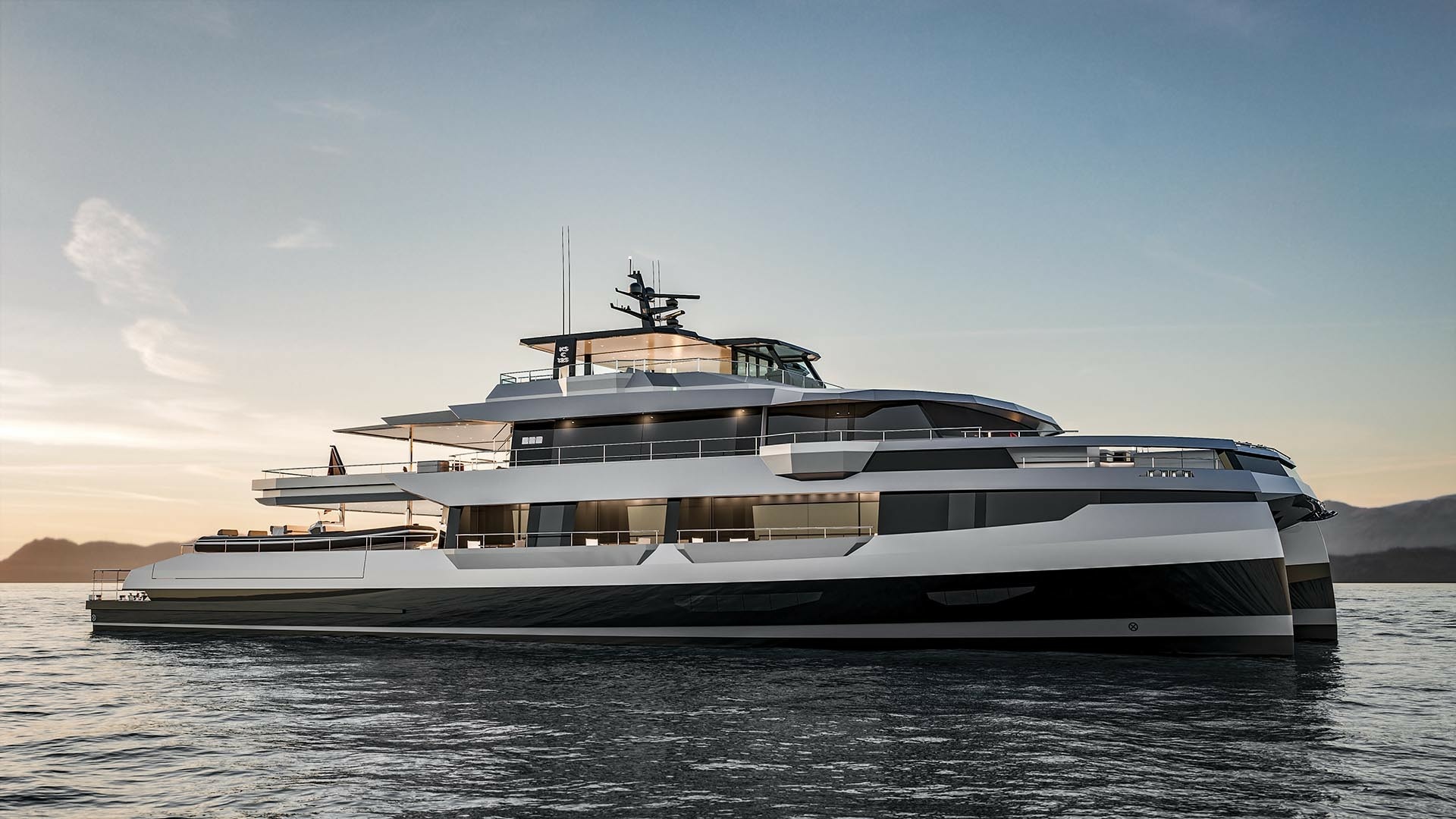
2028 Kingship Kingship
$20,350,000
125
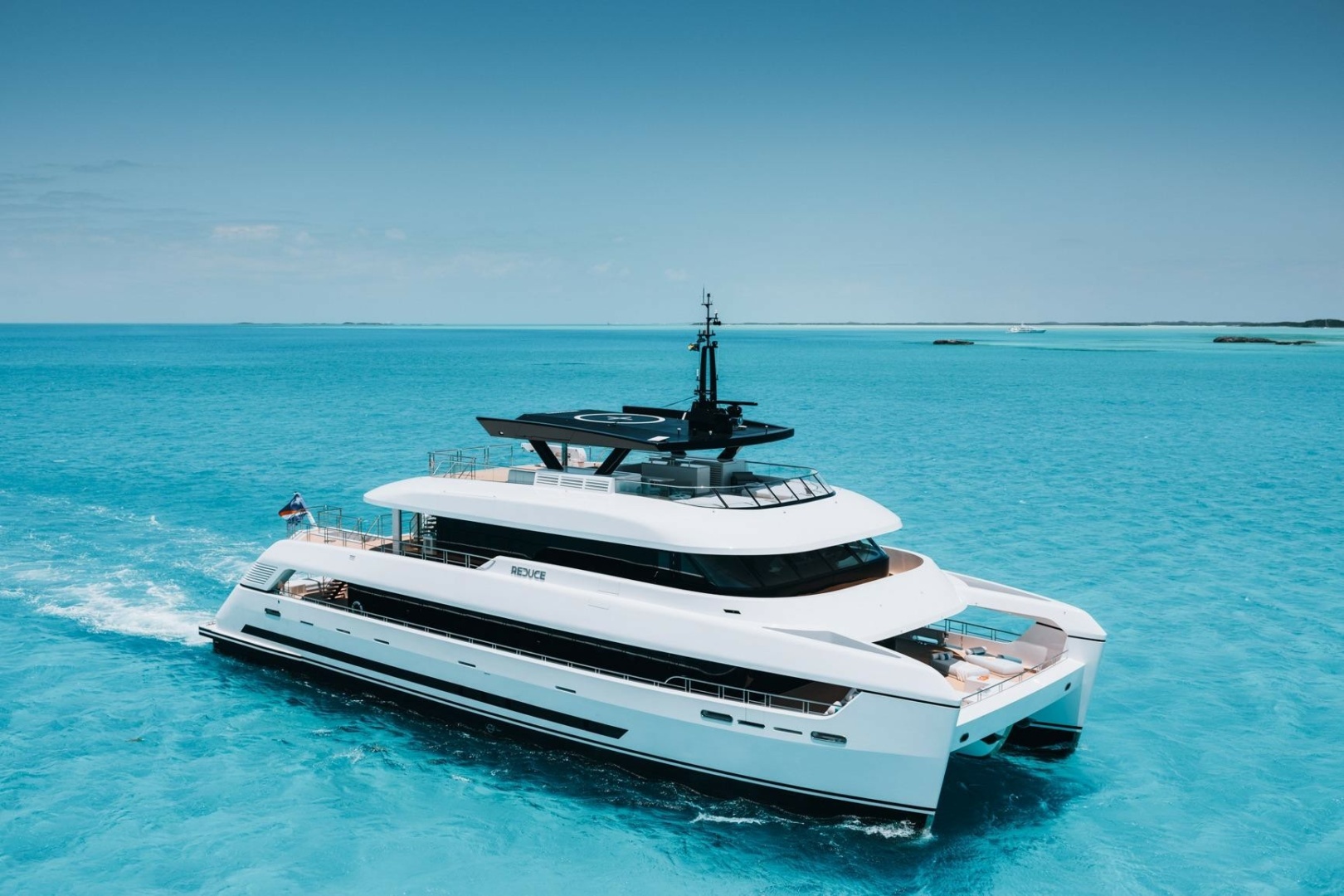
2024 Silver Yachts
$25,400,000
117
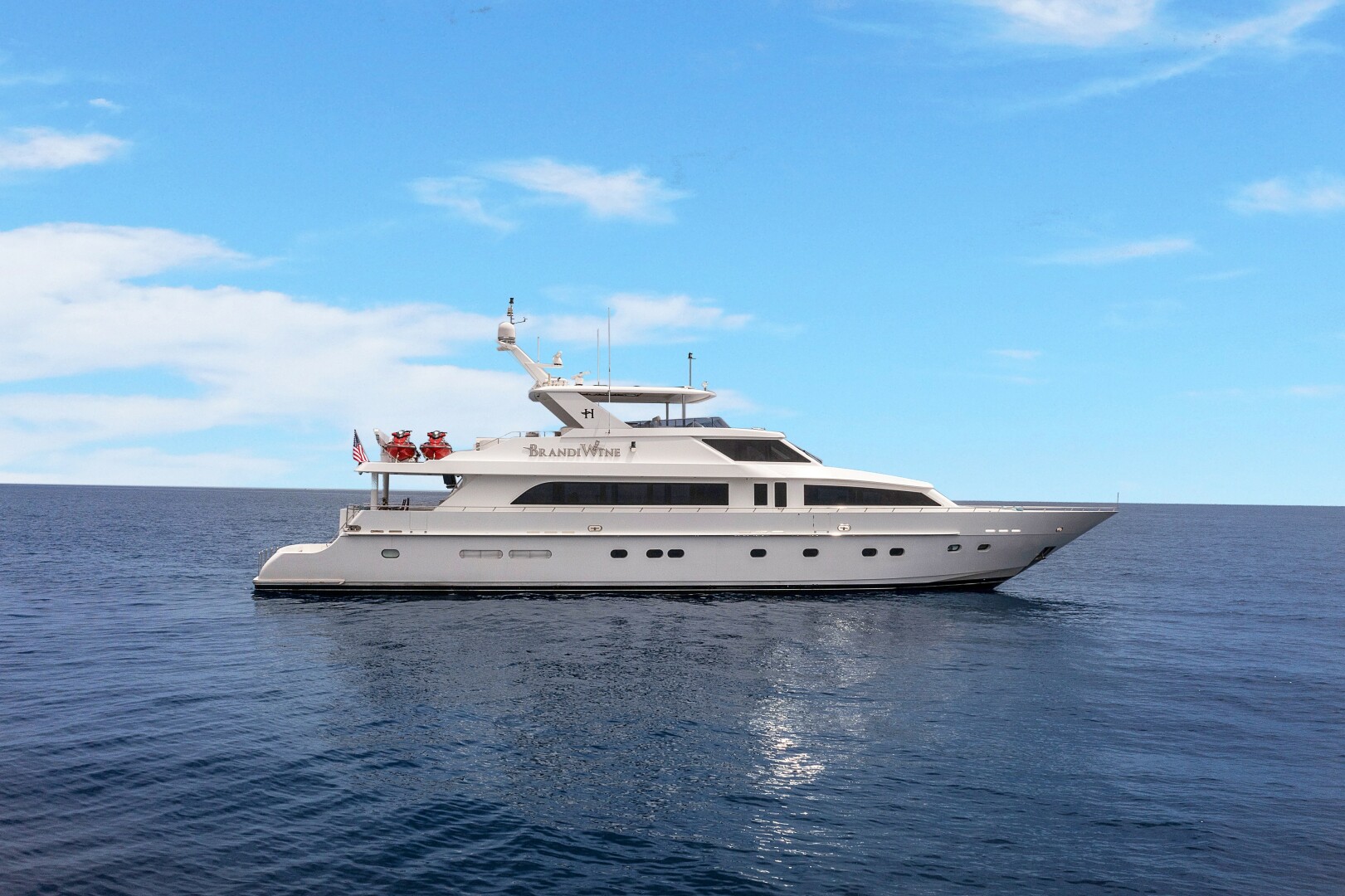
2009 Hargrave BRANDI WINE
$2,500,000
114
Fort Lauderdale Florida

2028 Extra Yachts
$20,350,000
100
Ancona

2028 Alpha
$12,100,000
100
Ft Lauderdale Florida

2028 Extra Yachts Extra 96
$9,495,000
96
Ancona
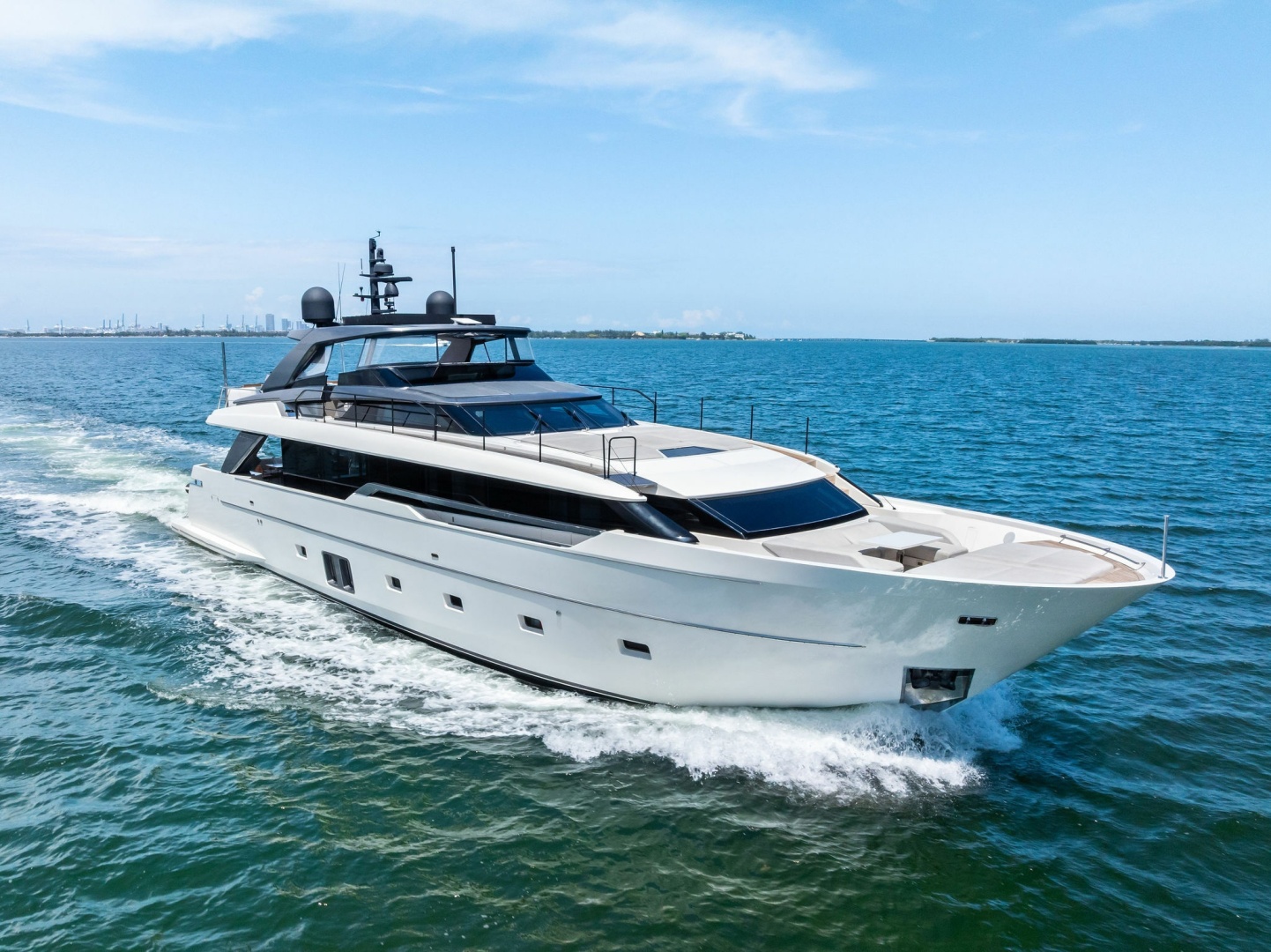
2021 Sanlorenzo GATSBY
$6,795,000
96
Fort Lauderdale Florida
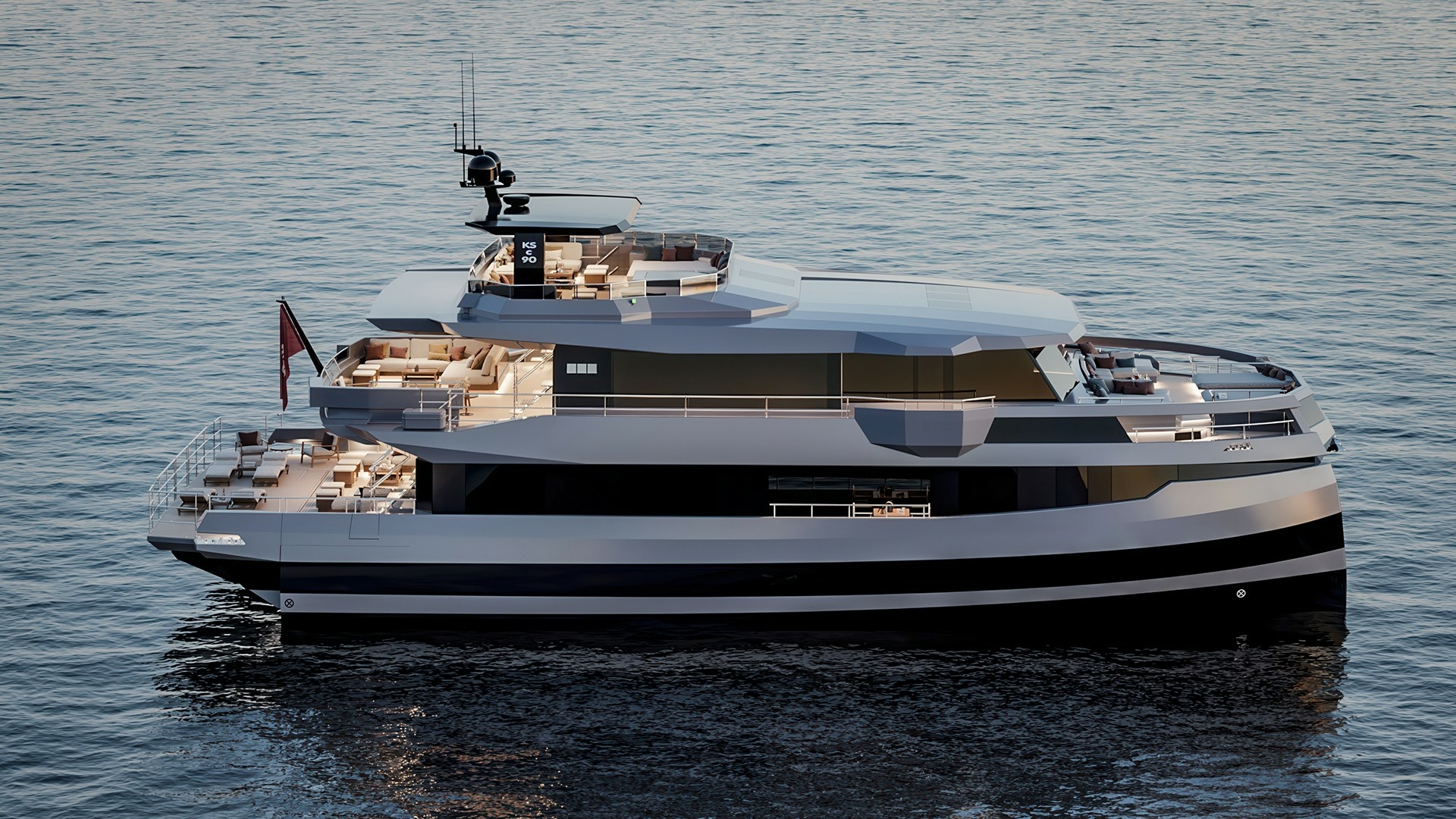
2028 Kingship
$11,990,000
90
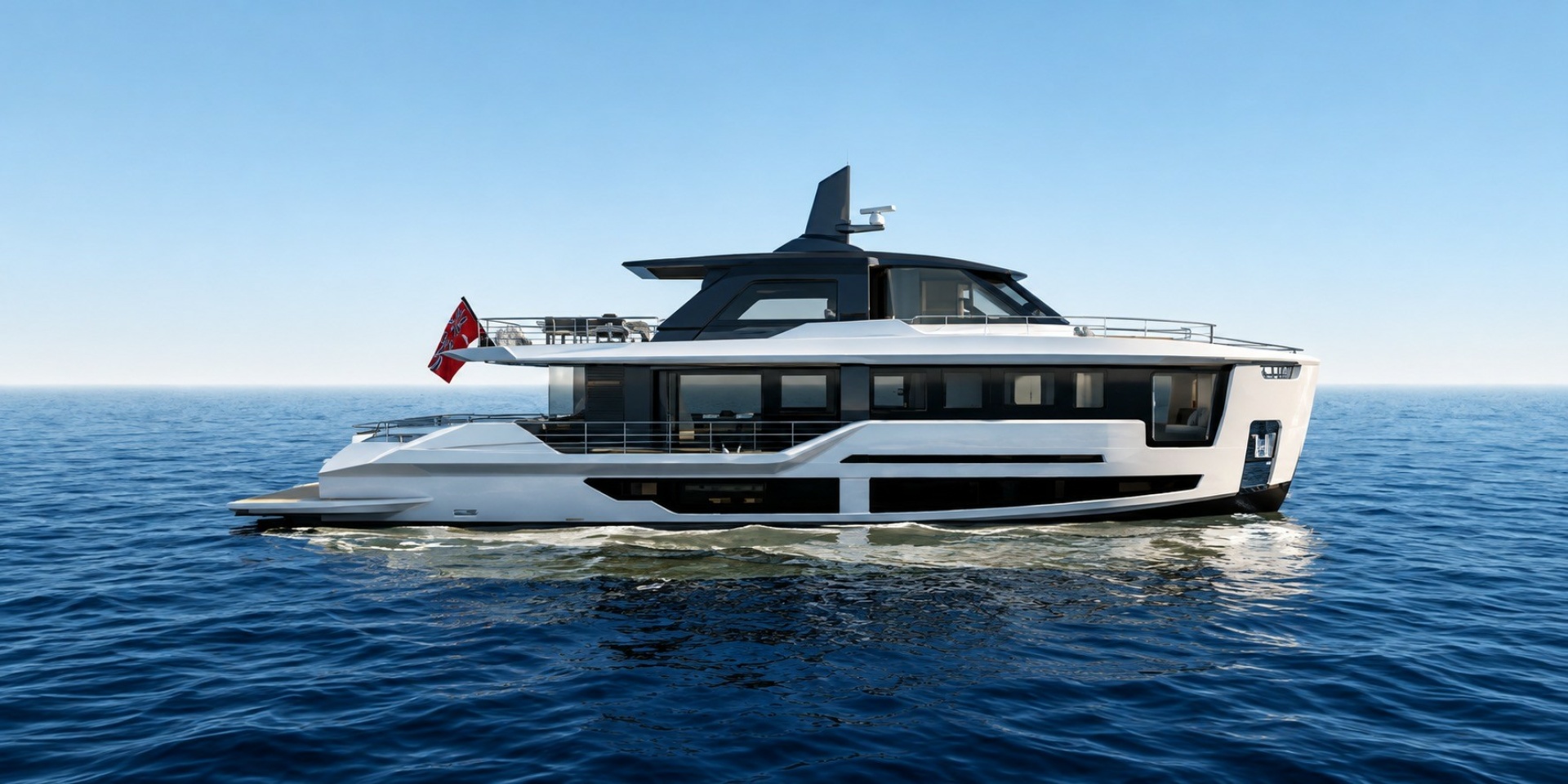
2028 Alpha
$9,894,500
90
Fano
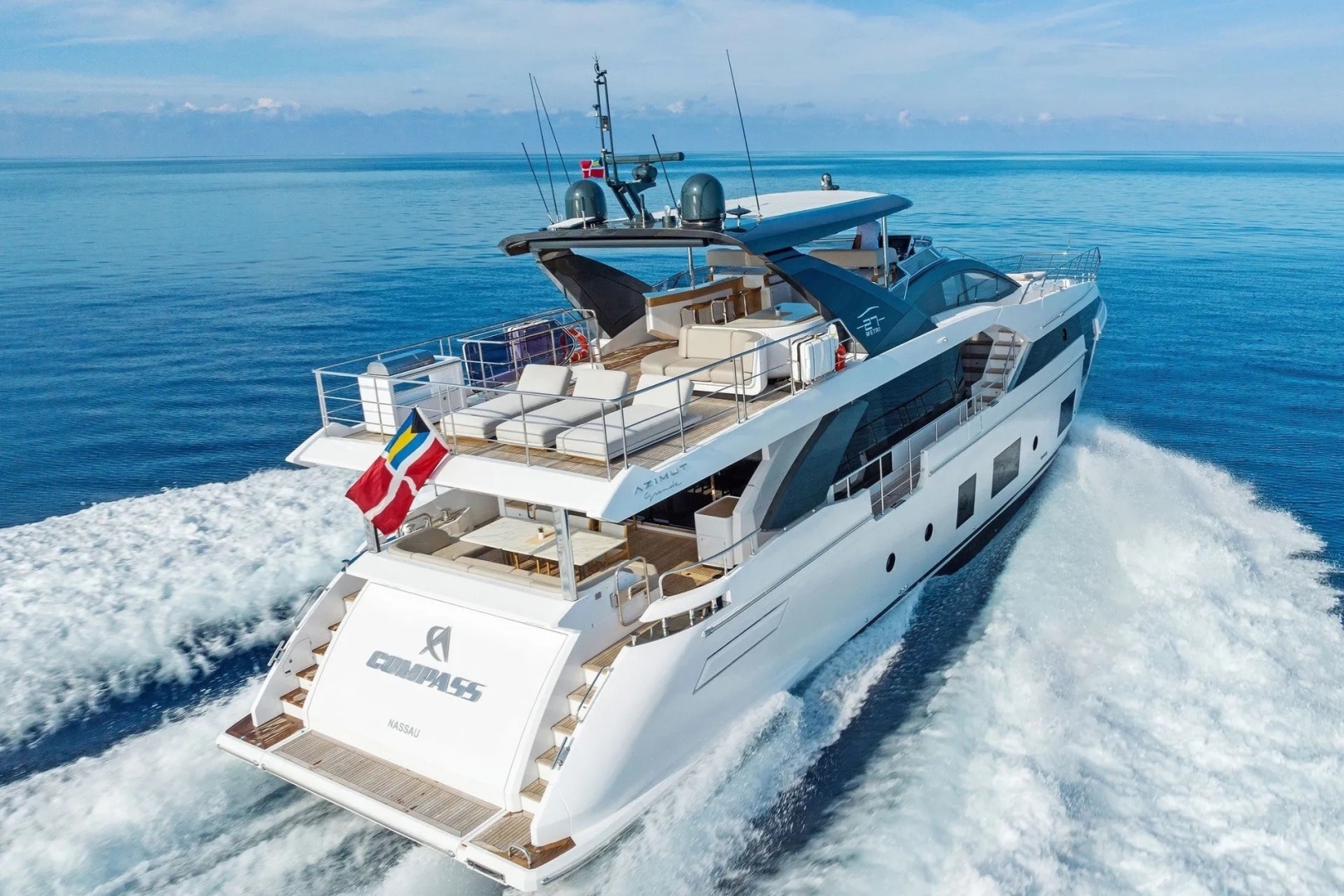
2023 Azimut COMPASS
$7,950,000
88
Miami Beach Florida

1999 Northern Marine OFF LINE
$2,495,000
84
Ft Lauderdale Florida
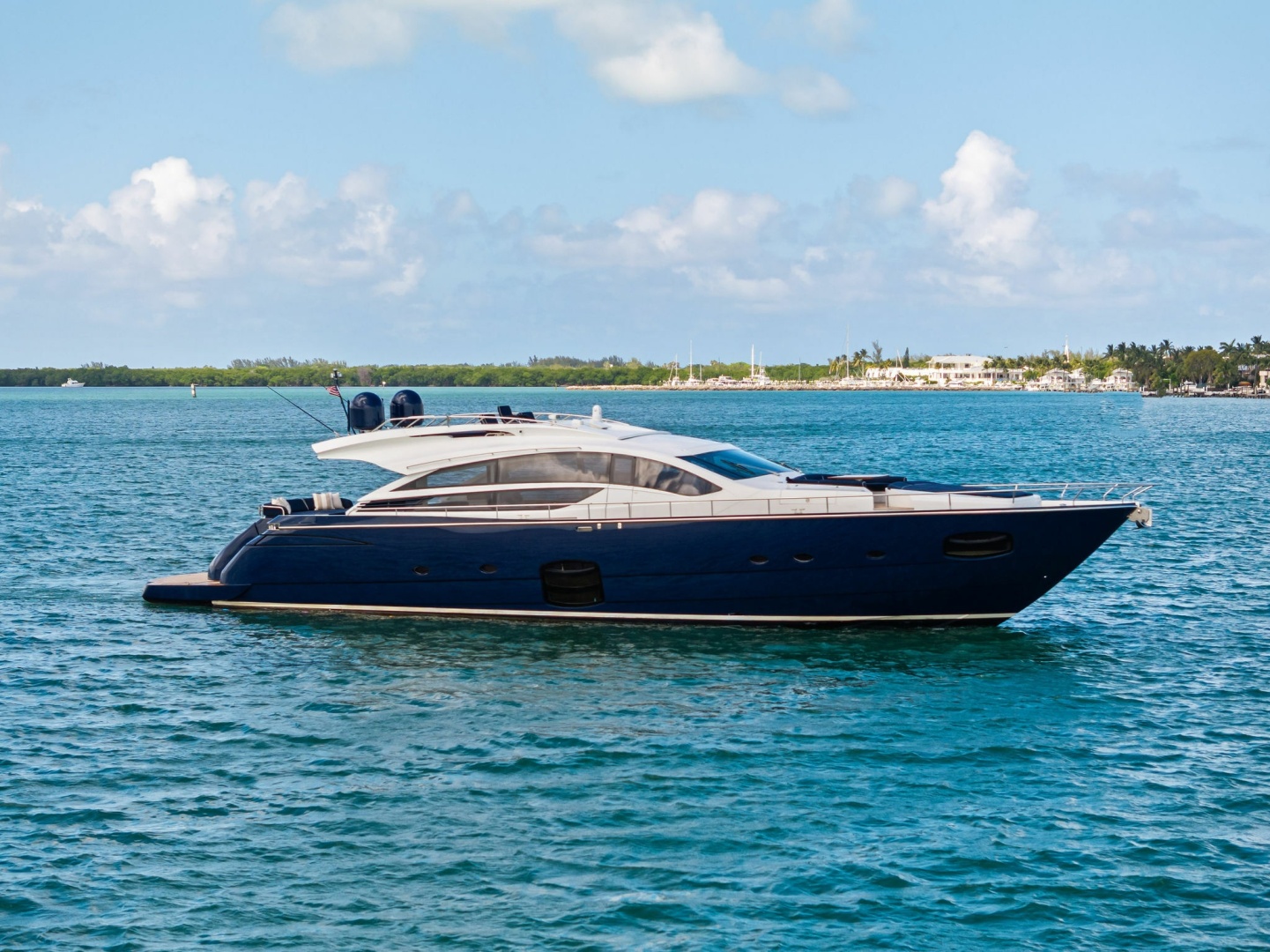
2013 Pershing DOROTHY ANN
$1,375,000
82
Fort Lauderdale Florida

1997 Ferretti Yachts
$825,000
80
La Paz
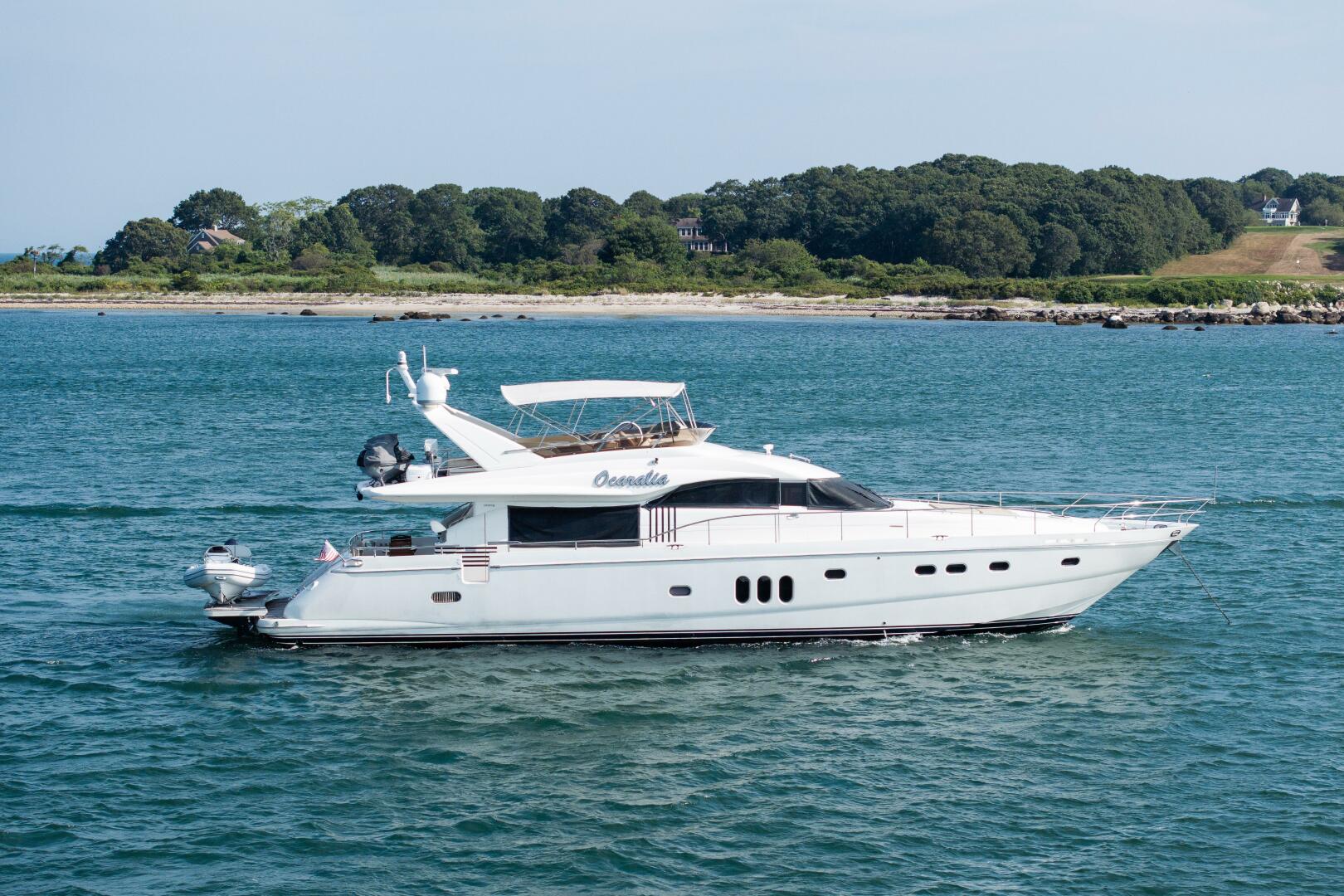
2008 Princess Yachts OCARALIA
$1,095,000
75
Charleston South Carolina
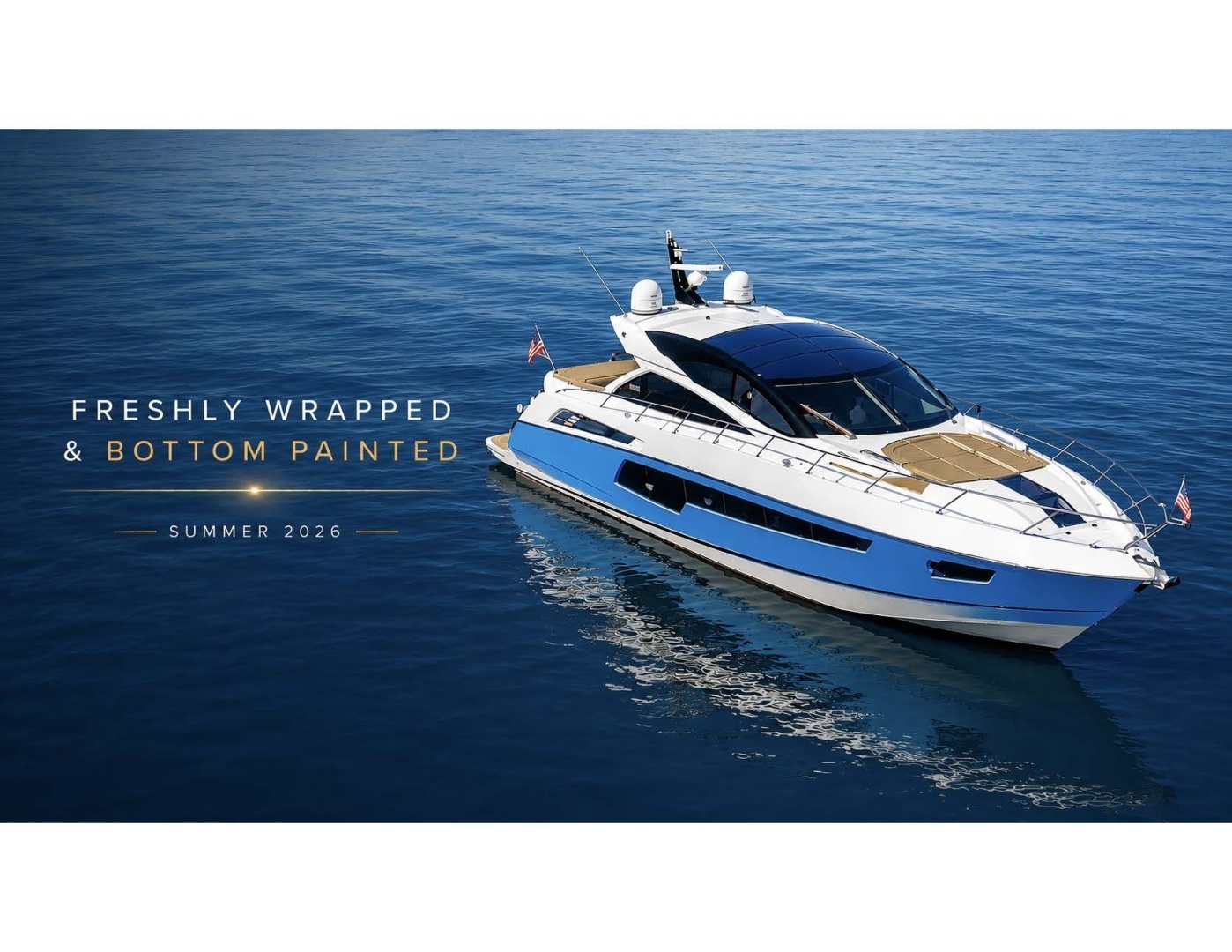
2014 Sunseeker
$1,400,000
68
New York New York

2024 Fairline
$2,750,000
68
Ft. Lauderdale Florida
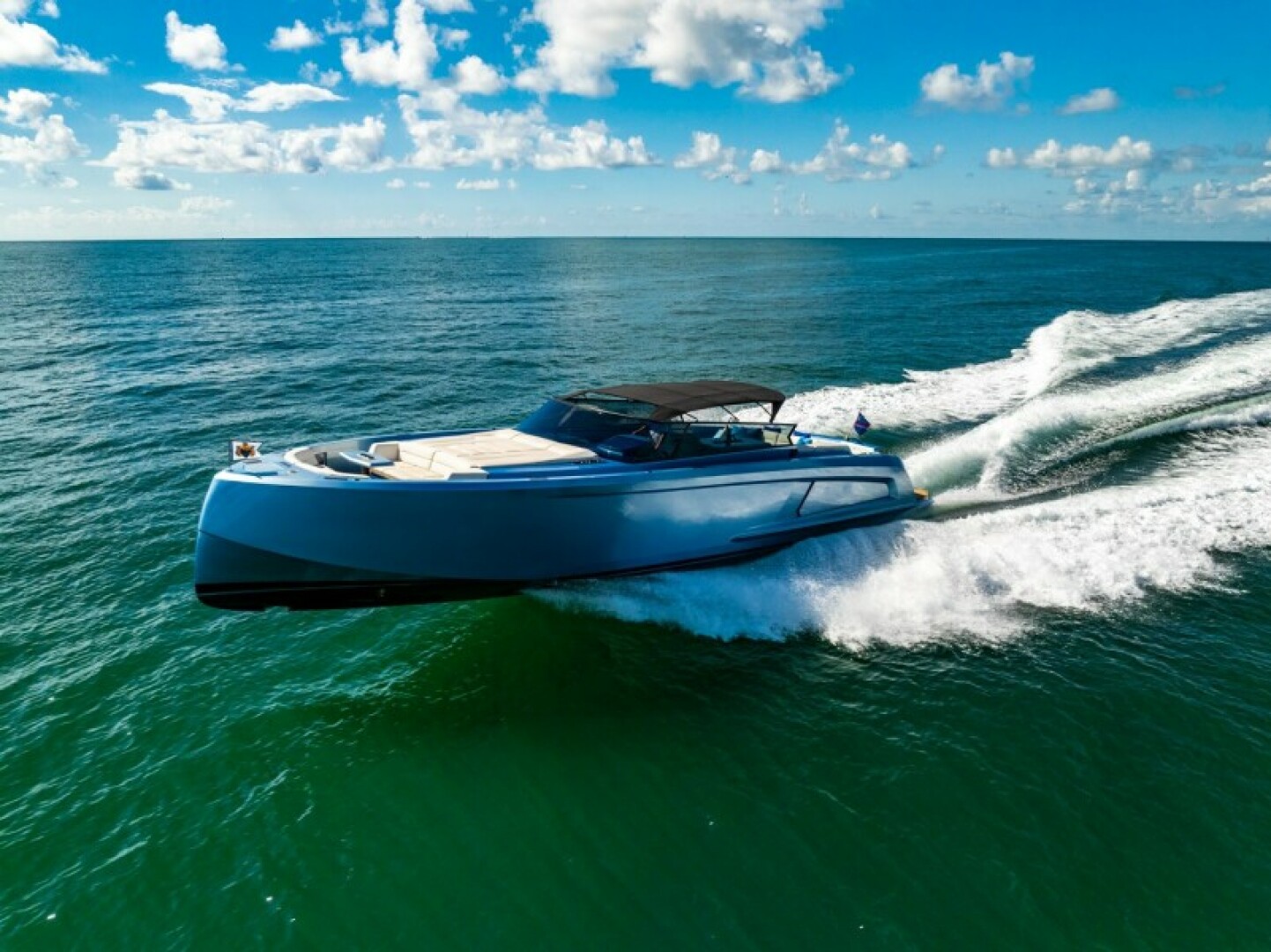
2019 Vanquish Yachts IMPULSIVE
$1,799,000
58
Miami Beach Florida
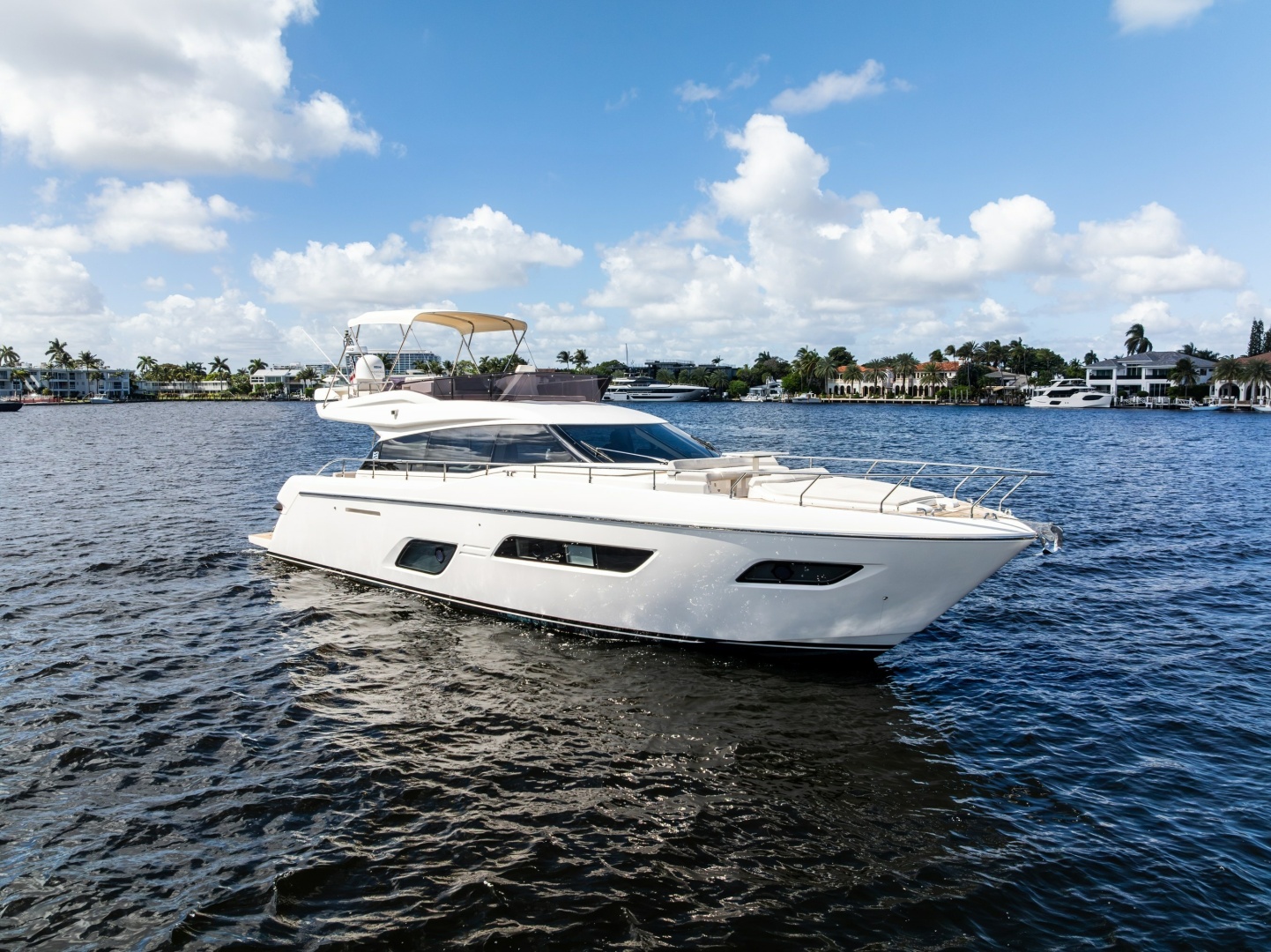
2021 Ferretti Yachts HAVEN
$1,595,000
57
Fort Lauderdale Florida
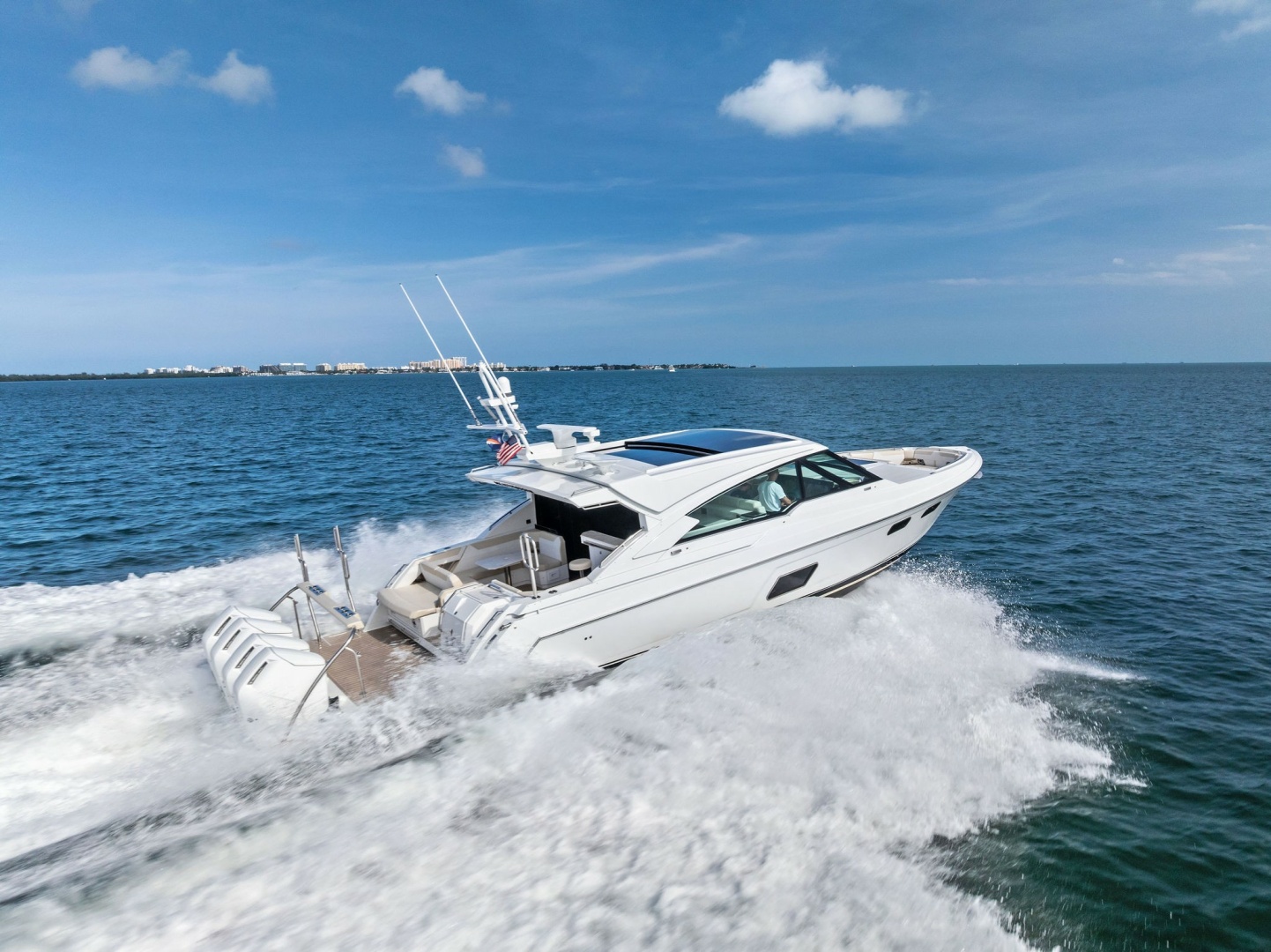
2025 Formula BREAKTHROUGH III
$1,895,000
53
Miami Beach Florida

2023 Fairline
$900,000
45
Fort Lauderdale Florida
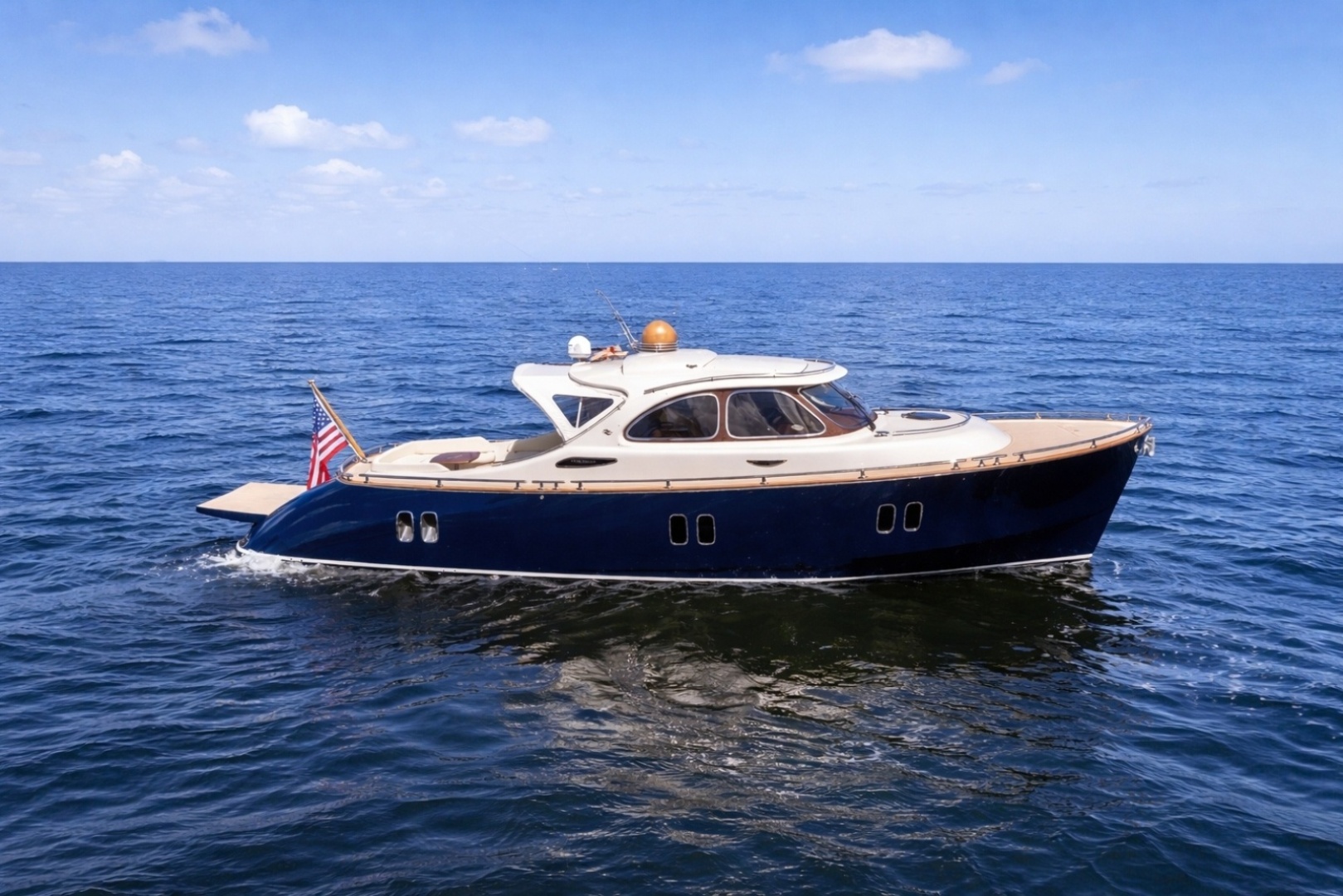
2012 Zeelander Mississippi Queen
$575,000
44
West Palm Beach Florida
2028 Columbus Yachts 137'
$22,900,008
2012 Benetti 132'
$10,975,000
2028 Kingship 125'
$20,350,000
2024 Silver Yachts 117'
$25,400,000
2009 Hargrave 114'
$2,500,000
2028 Extra Yachts 100'
$20,350,000
2028 Alpha 100'
$12,100,000
2028 Extra Yachts 96'
$9,495,000
2021 Sanlorenzo 96'
$6,795,000
2028 Kingship 90'
$11,990,000
2028 Alpha 90'
$9,894,500
2023 Azimut 88'
$7,950,000
1999 Northern Marine 84'
$2,495,000
2013 Pershing 82'
$1,375,000
1997 Ferretti Yachts 80'
$825,000
2008 Princess Yachts 75'
$1,095,000
2014 Sunseeker 68'
$1,400,000
2024 Fairline 68'
$2,750,000
2019 Vanquish Yachts 58'
$1,799,000
2021 Ferretti Yachts 57'
$1,595,000
2025 Formula 53'
$1,895,000
2023 Fairline 45'
$900,000
2012 Zeelander 44'
$575,000