

Securing the best outcome in luxury yacht transactions often comes down to understanding how broker incentives work. The commission structure is more than a simple fee; it drives broker performance and plays a central role in every negotiation between buyers and sellers. For those invested in multimillion-dollar vessels across the globe, grasping the details of yacht sales commission agreements will help you maximize value, ensure transparency, and support a successful deal from listing to closing.
Table of Contents
- What Yacht Sales Commission Means
- Standard Commission Rates And Structures
- Broker Roles And Responsibilities
- Negotiating Yacht Sales Commission
- Legal And Financial Implications
Key Takeaways
| Point | Details |
|---|---|
| Yacht Sales Commission Structure | Commissions typically range from 5% to 10% of the total sale price, paid by the seller at closing. Understanding this structure is vital for both buyers and sellers in the luxury yacht market. |
| Factors Influencing Commission Rates | Factors such as yacht size, market conditions, and specific agreements can cause variations in commission rates. Sliding scale structures for high-value transactions provide flexibility in pricing. |
| Broker Responsibilities | Professional yacht brokers conduct market research, negotiate terms, and manage complex legal documentation, ensuring successful transactions for both parties. Selecting a broker with proven expertise is crucial. |
| Negotiation Strategies | Successful negotiations hinge on market insights and clear communication. It’s essential to assess a broker’s value proposition beyond just commission rates to foster a beneficial partnership. |
What Yacht Sales Commission Means
A yacht sales commission represents the compensation yacht brokers receive for successfully facilitating a vessel’s sale, serving as their primary method of earning income in the maritime marketplace. Yacht broker compensation typically ranges between 5% and 10% of the total sale price, paid by the seller upon transaction completion.
Understanding how these commissions work is critical for both buyers and sellers in the luxury yacht market. The commission structure serves multiple purposes:
- Motivates brokers to secure optimal sale prices
- Compensates professionals for their extensive market knowledge
- Covers extensive marketing and negotiation services
- Provides financial incentive for complex transaction management
Most yacht sales commissions are percentage-based, which means the broker’s earnings directly correlate with the vessel’s final sale price. This structure encourages brokers to maximize value and negotiate effectively. Broker fee standards indicate that sellers typically absorb this cost, incorporating it into the overall transaction proceeds.
Typical commission rates vary depending on several factors, including yacht size, market conditions, and specific brokerage agreements. While 10% remains a standard benchmark, some transactions might see slightly lower or higher percentages based on unique circumstances.
Pro tip: Always clarify commission structures and expectations in writing before initiating any yacht sales transaction to ensure transparency and prevent potential misunderstandings.
Standard Commission Rates and Structures
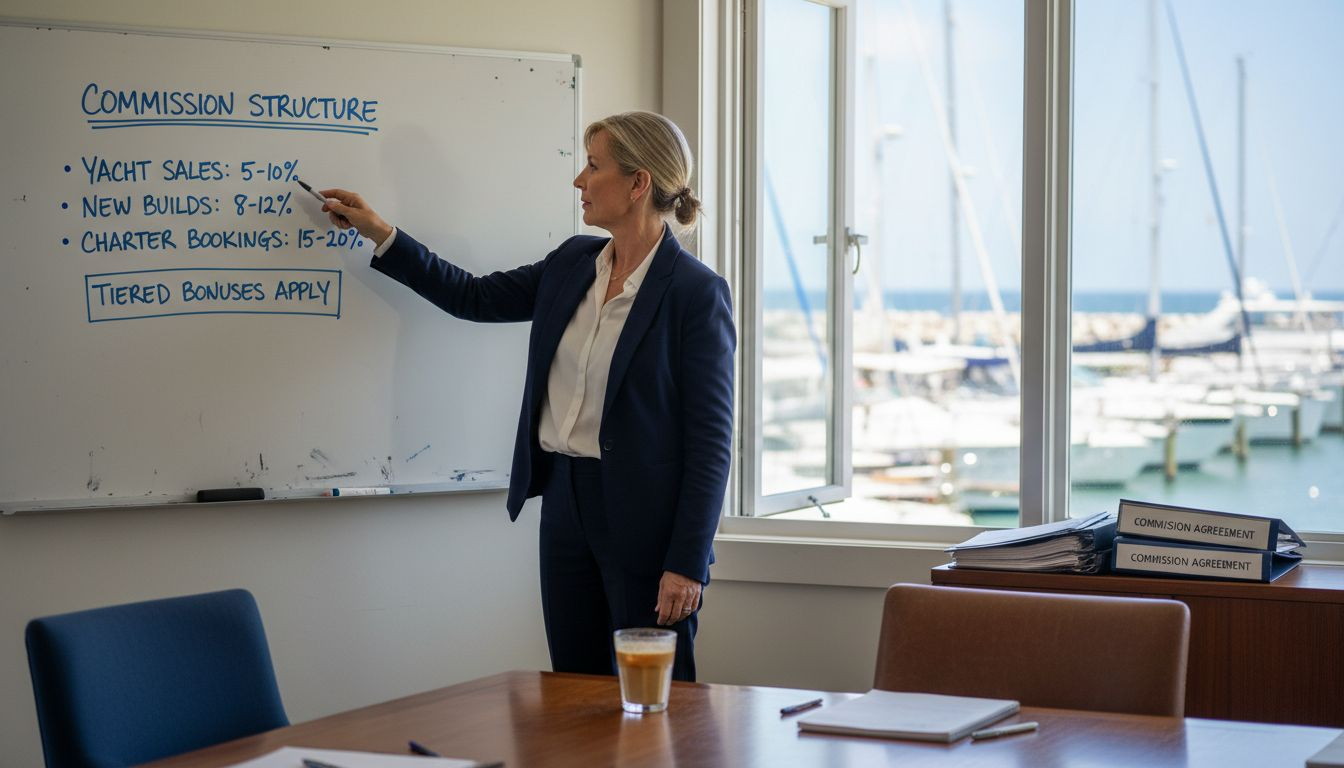
Yacht sales commissions are typically structured around percentage-based models that align broker compensation with transaction complexity and vessel value. Standard commission rates predominantly settle at 10% of the gross sale price, paid by the seller at closing, though these percentages can vary based on several critical factors.
The commission structure often depends on multiple considerations:
- Yacht size and market value
- Complexity of the transaction
- Geographic market conditions
- Duration of listing agreement
- Specific broker-seller contractual terms
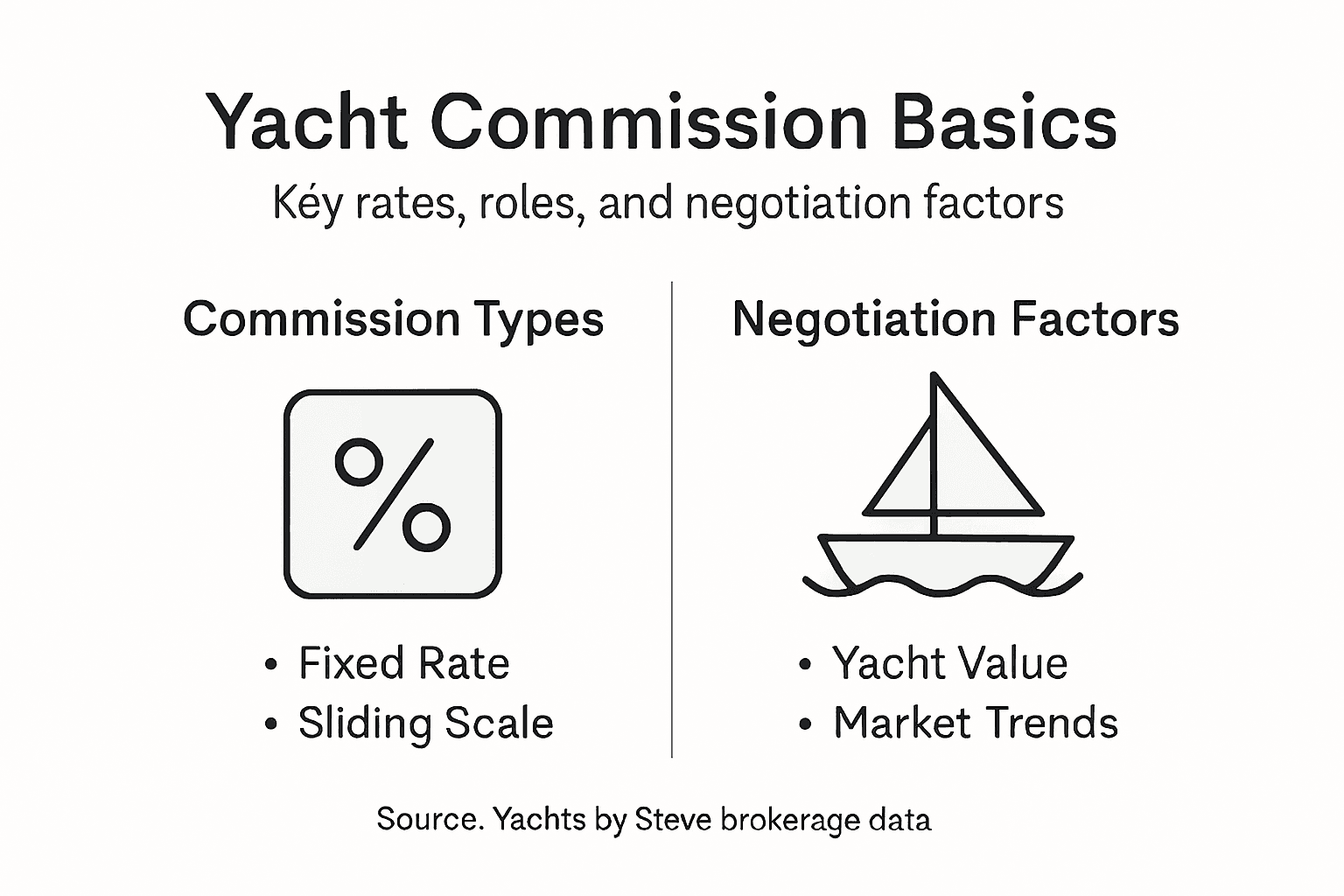
Most brokers utilize sliding scale commission structures for high-value yacht transactions, which allows for more flexible pricing models. This approach ensures fair compensation while maintaining incentives for brokers to secure optimal sale prices.
Here’s a summary of factors that influence yacht sales commission rates:
| Factor | Impact on Commission | Typical Variation |
|---|---|---|
| Yacht Size | Larger yachts may see lower percentages | High-value yachts often use sliding scales |
| Market Conditions | Strong demand may lower rates | Weak markets can increase rates |
| Listing Duration | Longer agreements may be flexible | Short terms may keep rates fixed |
| Broker Expertise | Specialized skills justify higher rates | Lack of experience may lower rates |
Broker commissions are not just fees, but investments in professional expertise, marketing, and transaction management that ultimately benefit both sellers and buyers.
Unique aspects of yacht sales commissions include negotiable terms and potential variations across different market segments. Luxury yacht transactions, for instance, might involve more nuanced commission arrangements compared to standard vessel sales, reflecting the sophisticated nature of high-end maritime markets.
Pro tip: Always request a detailed, written breakdown of commission structures before finalizing any yacht sales agreement to understand exact financial implications and potential negotiation opportunities.
Broker Roles and Responsibilities
Yacht brokers serve as crucial intermediaries in maritime transactions, performing far more than simple sales facilitation. Their professional responsibilities encompass a comprehensive range of services designed to protect and advance the interests of both sellers and buyers throughout the complex yacht acquisition process.
Key responsibilities of a professional yacht broker include:
- Conducting thorough market research and valuation analysis
- Preparing detailed marketing materials and listings
- Screening potential buyers and qualifying their financial capabilities
- Negotiating sale terms and price structures
- Coordinating vessel inspections and sea trials
- Managing complex documentation and legal requirements
- Providing expert advice on market trends and vessel conditions
Brokers act as sophisticated navigators of the yacht marketplace, leveraging deep industry knowledge to create successful transactions. Their expertise extends beyond simple matchmaking, involving intricate understanding of vessel specifications, market dynamics, and legal complexities that can significantly impact a sale’s success.
A skilled yacht broker transforms a potentially overwhelming transaction into a seamless, strategic process, mitigating risks and maximizing value for their clients.
Unlike traditional sales representatives, yacht brokers often develop long-term relationships with clients, providing ongoing consultation and market insights. They function as trusted advisors who understand the nuanced world of luxury maritime assets, offering strategic guidance that goes well beyond the immediate transaction.
Compare the main benefits sellers and buyers gain from working with a professional yacht broker:
| Benefit | Seller Advantage | Buyer Advantage |
|---|---|---|
| Market Expertise | Maximizes sale price | Ensures fair value |
| Negotiation Skills | Secures best terms | Protects interests |
| Legal/Financial Guidance | Reduces liability | Avoids contractual issues |
| Transaction Management | Streamlines process | Simplifies purchasing steps |
Pro tip: Select a yacht broker with a proven track record, specialized industry certifications, and demonstrable expertise in your specific yacht category to ensure the most professional representation.
Negotiating Yacht Sales Commission
Yacht sales commission negotiation requires a strategic approach that balances the interests of brokers, sellers, and buyers. Broker negotiation strategies emphasize transparency, market knowledge, and mutual understanding of each party’s objectives.
Key negotiation strategies for yacht sales commissions include:
- Researching current market rates and comparable transactions
- Understanding broker expertise and value proposition
- Evaluating the complexity of the specific yacht sale
- Considering vessel size, condition, and market demand
- Exploring potential sliding scale commission structures
- Discussing performance-based commission incentives
- Maintaining open and honest communication
Successful negotiations depend on comprehensive market insights and a willingness to find mutually beneficial arrangements. Brokers who demonstrate flexibility and deep industry knowledge can often create commission structures that satisfy all parties while ensuring fair compensation for their professional services.
Effective commission negotiation is less about driving costs down and more about creating a partnership that aligns incentives and ensures a successful yacht transaction.
Professional yacht brokers understand that negotiation is about building trust and creating long-term relationships. The most sophisticated negotiations move beyond simple percentage discussions to explore comprehensive value propositions that benefit both the broker and the client.
Pro tip: Always request a detailed written breakdown of proposed commission structures and be prepared to discuss how the broker’s expertise justifies their compensation.
Legal and Financial Implications
Yacht sales commissions involve complex legal and financial considerations that extend far beyond simple percentage calculations. Understanding the intricate landscape of financial and contractual obligations is crucial for protecting both broker and client interests during maritime transactions.
Key legal and financial considerations include:
- Precise documentation of commission agreements
- Tax implications for sellers and brokers
- Potential liability exposures during transaction
- Compliance with maritime and commercial regulations
- Disclosure requirements for financial terms
- Contractual protections for both parties
- Potential dispute resolution mechanisms
The financial structure of yacht sales commissions requires meticulous attention to detail. Brokers must navigate a nuanced framework of legal requirements that vary across different jurisdictions and transaction types, ensuring complete transparency and adherence to professional standards.
Commission agreements are not merely financial transactions, but legally binding contracts that define the responsibilities, expectations, and potential recourses for all parties involved.
Most sophisticated yacht transactions involve multilayered financial arrangements that demand comprehensive legal review. Sophisticated clients and brokers recognize that well-structured commission agreements serve as critical risk management tools, protecting against potential misunderstandings or financial complications.
Pro tip: Consult with a maritime law professional to review all commission agreements and ensure comprehensive legal protection before finalizing any yacht sales transaction.
Unlock the True Value of Your Yacht Sale with Expert Guidance
Navigating yacht sales commission can feel daunting when you want to maximize your investment and understand every fee involved. This article reveals how commission impacts price and negotiation, highlighting the importance of transparency and strategic discussion before you commit. If you are aiming to avoid costly surprises and ensure your yacht sale aligns with your financial goals, having a trusted partner by your side is essential.
At Yachts by Steve, we specialize in luxury yacht brokerage tailored to your unique needs. Our team provides clear explanations of commission structures and offers personalized negotiations to protect your interests. Discover comprehensive services that extend beyond standard listings by exploring our Uncategorized – Jason category for insights directly related to yacht sales and commissions. Take advantage of our expertise now and turn complex sales terms into opportunities to maximize value. Visit Yachts by Steve today and start your seamless yacht selling or buying journey with confidence.
Frequently Asked Questions
What is a yacht sales commission?
A yacht sales commission is the fee that yacht brokers receive for successfully facilitating the sale of a vessel, typically ranging from 5% to 10% of the total sale price, paid by the seller upon transaction completion.
How do yacht sales commissions impact the final sale price?
Yacht sales commissions impact the final sale price as they represent a percentage of the total sale, incentivizing brokers to negotiate optimal sale prices for sellers, thus influencing the overall transaction value.
Can yacht sales commissions be negotiated?
Yes, yacht sales commissions can be negotiated based on various factors like yacht size, market conditions, and the broker’s expertise; discussing potential sliding scale or performance-based commission structures can lead to mutually beneficial arrangements.
What factors influence yacht sales commission rates?
Factors influencing yacht sales commission rates include yacht size and market value, complexity of the transaction, the duration of the listing agreement, and the specific terms agreed upon between the broker and seller.
Recommended
- How Much Are Yacht Rentals?: The Cost of Luxury Vacations at Sea
- What to Know About Sea Trials (Before Buying or Selling a Yacht)
- 2025: Unprecedented Opportunities in the Luxury Yacht Market
- Some of the Best Yachts for Sale Are Off Market: Here’s How to Get Them Anyway
- Our Guide to Value Selling: Sales & Client Relationships
Featured Listings
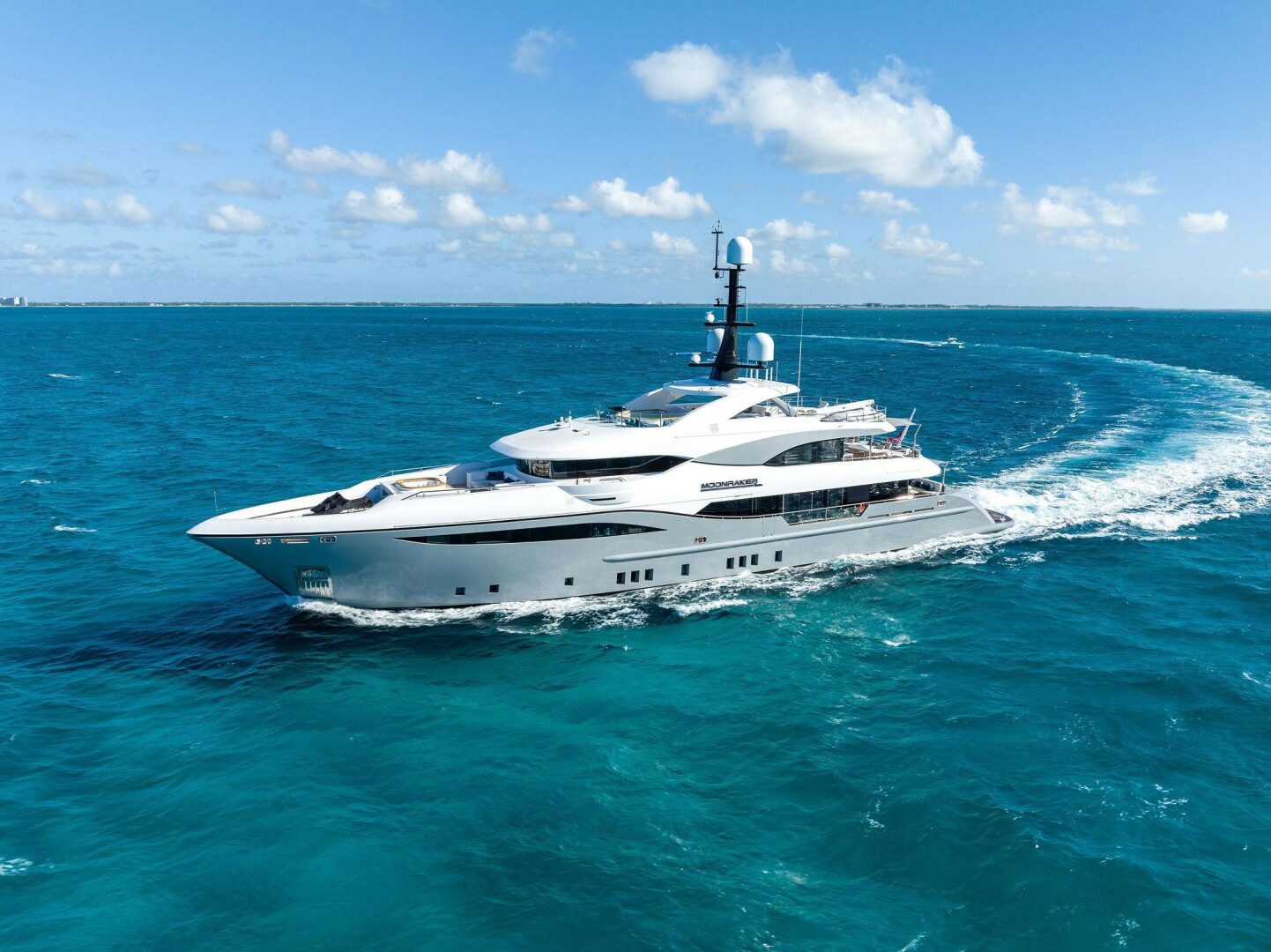
2019 Bilgin MOONRAKER
$21,404,500
156
West Palm Beach Florida

2028 Columbus Yachts
$22,900,008
137
Ancona
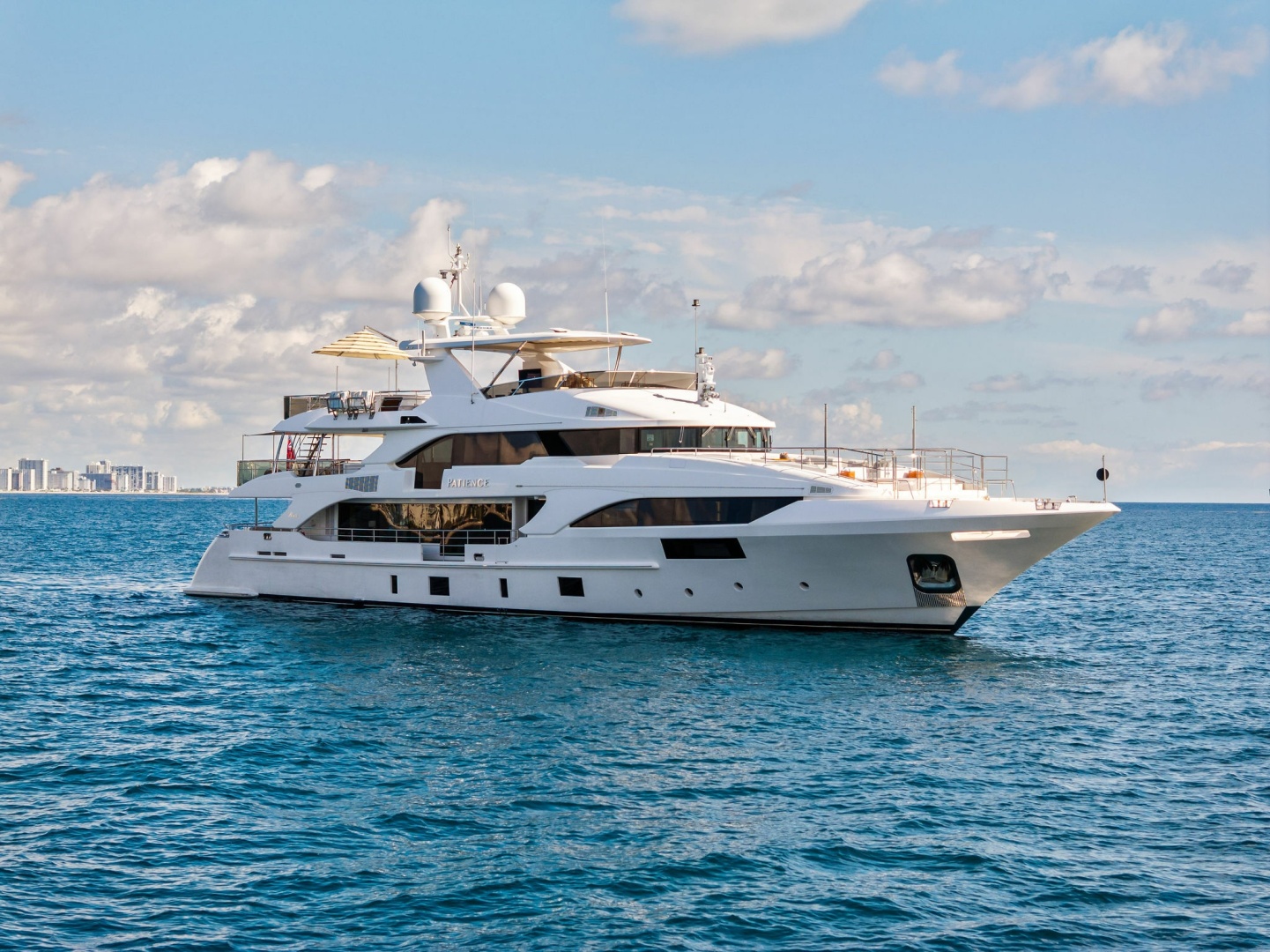
2012 Benetti PATIENCE
$10,975,000
132
Fort Lauderdale Florida
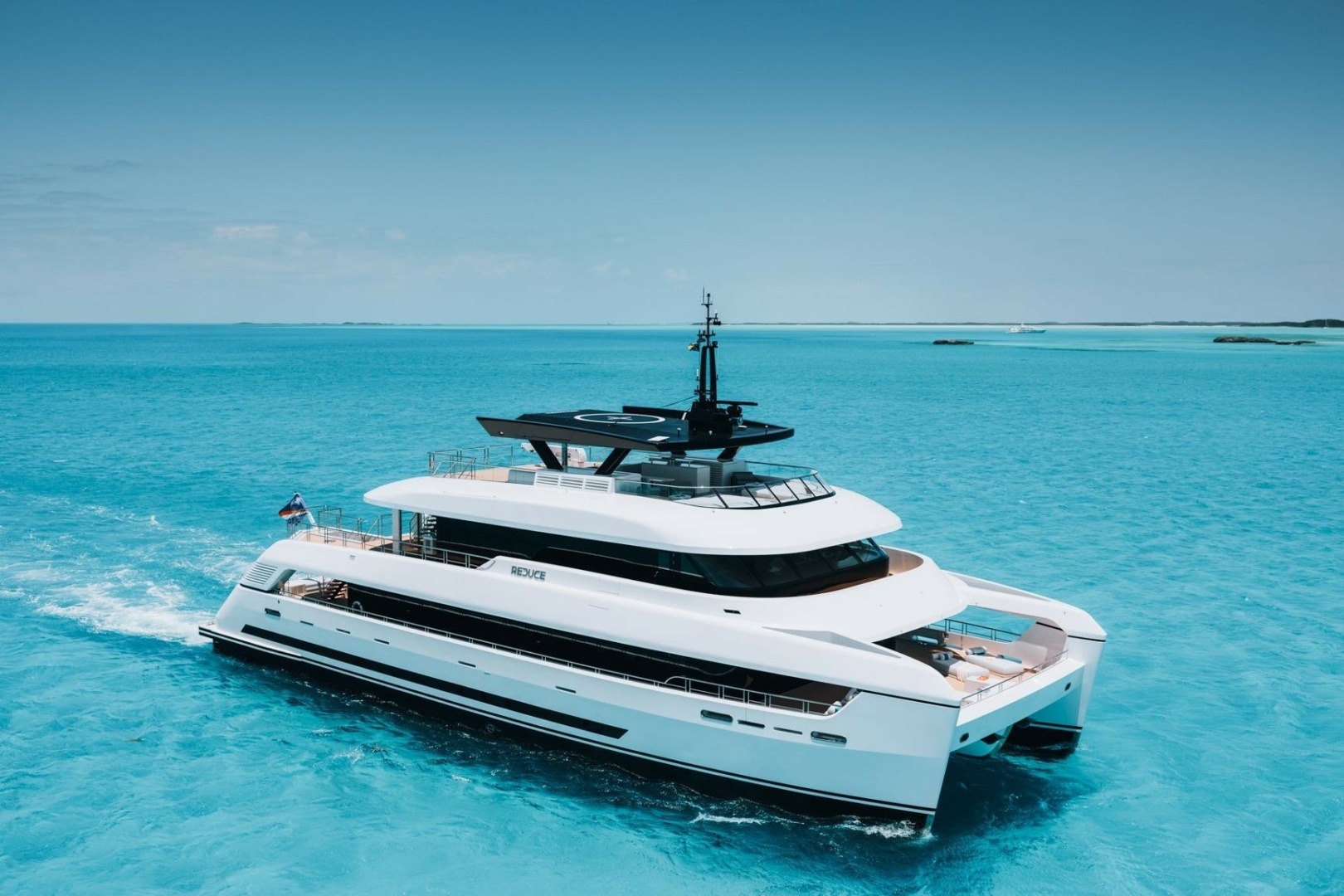
2024 Silver Yachts
$25,400,000
117
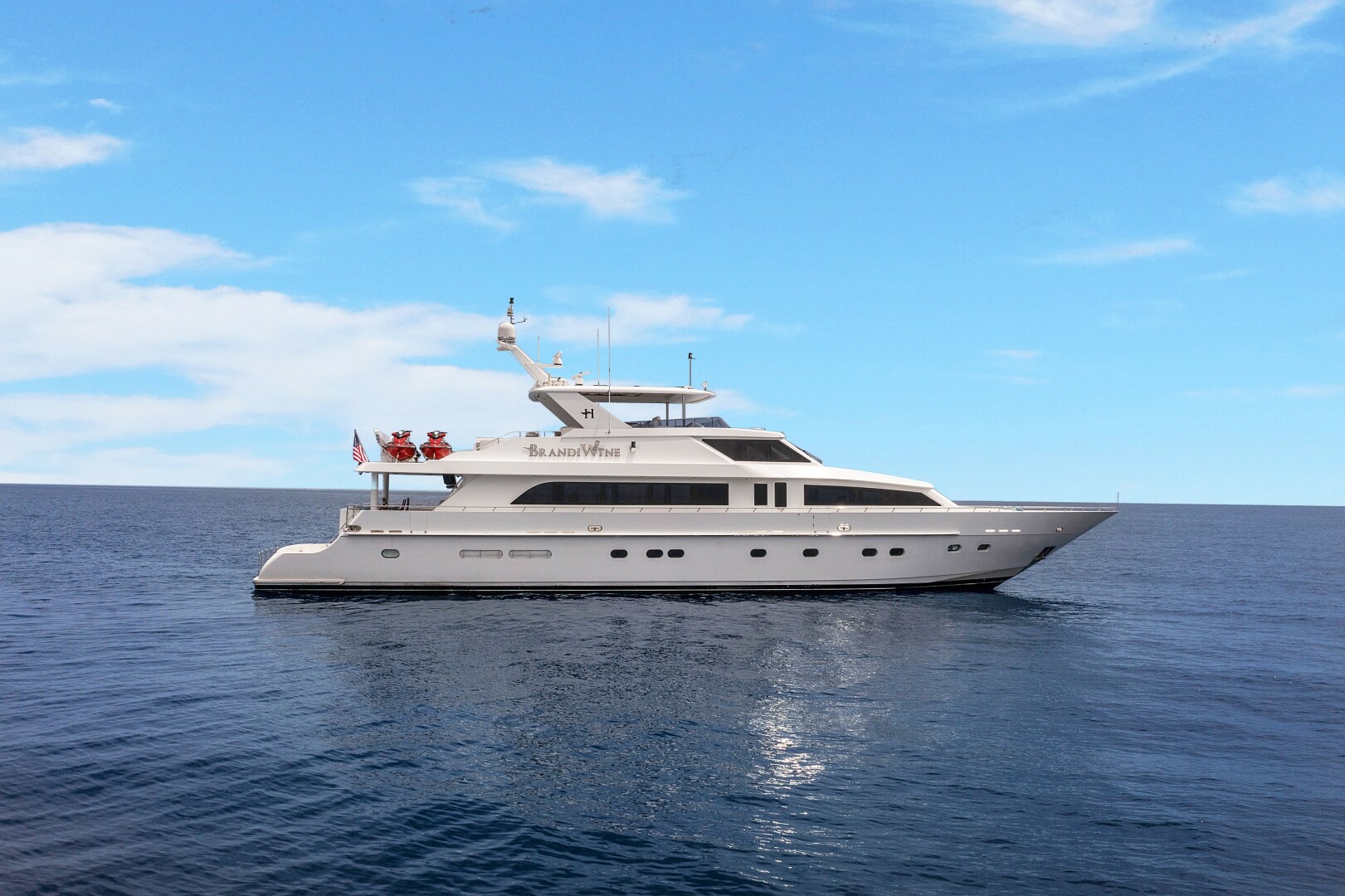
2009 Hargrave BRANDI WINE
$2,995,000
114
Fort Lauderdale Florida

2028 Extra Yachts
$21,404,500
100
Ancona

2028 Extra Yachts Extra 96
$9,495,000
96
Ancona
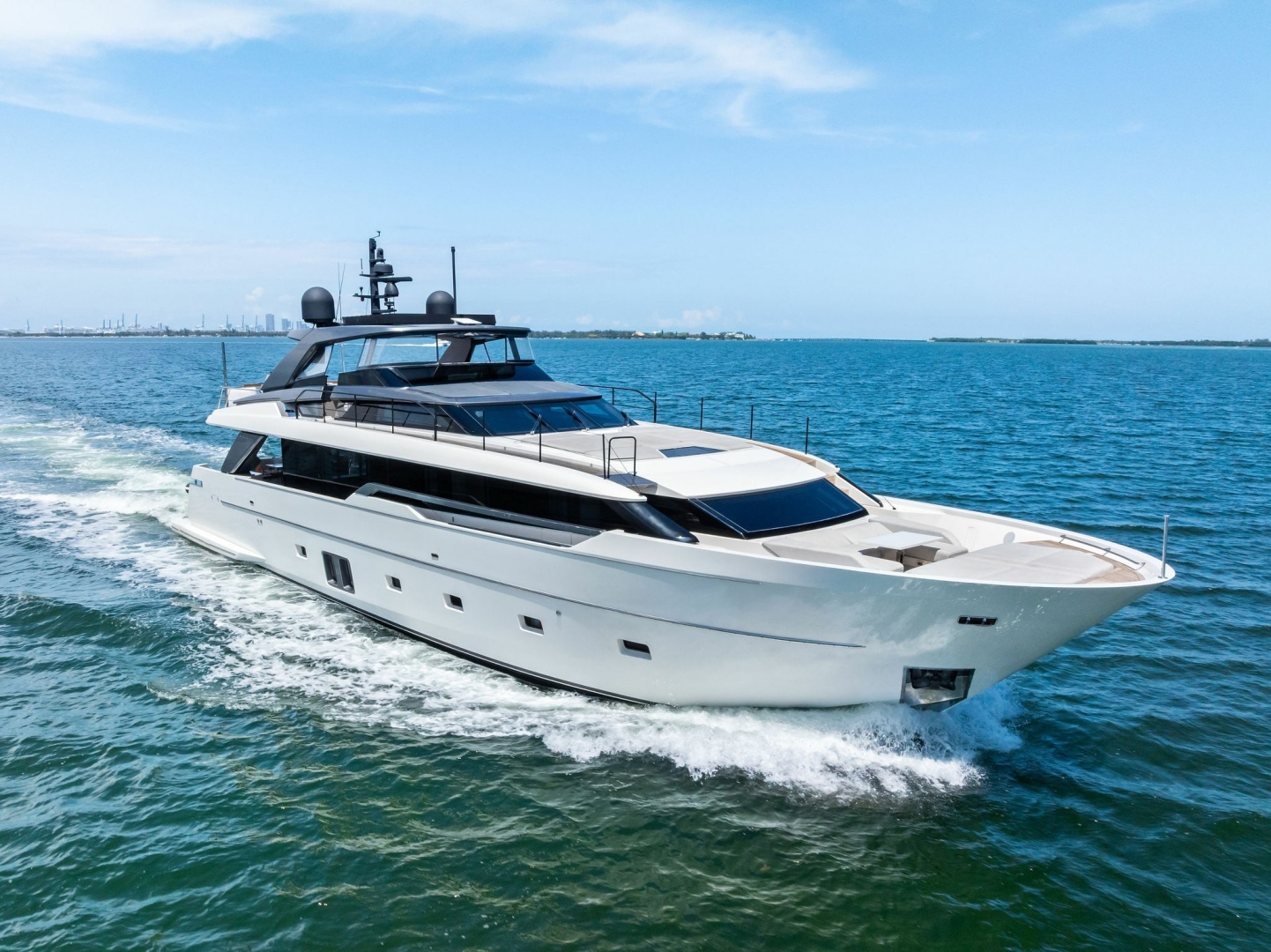
2021 Sanlorenzo GATSBY
$6,795,000
96
Miami Beach Florida

1999 Northern Marine OFF LINE
$2,495,000
84
Ft Lauderdale Florida
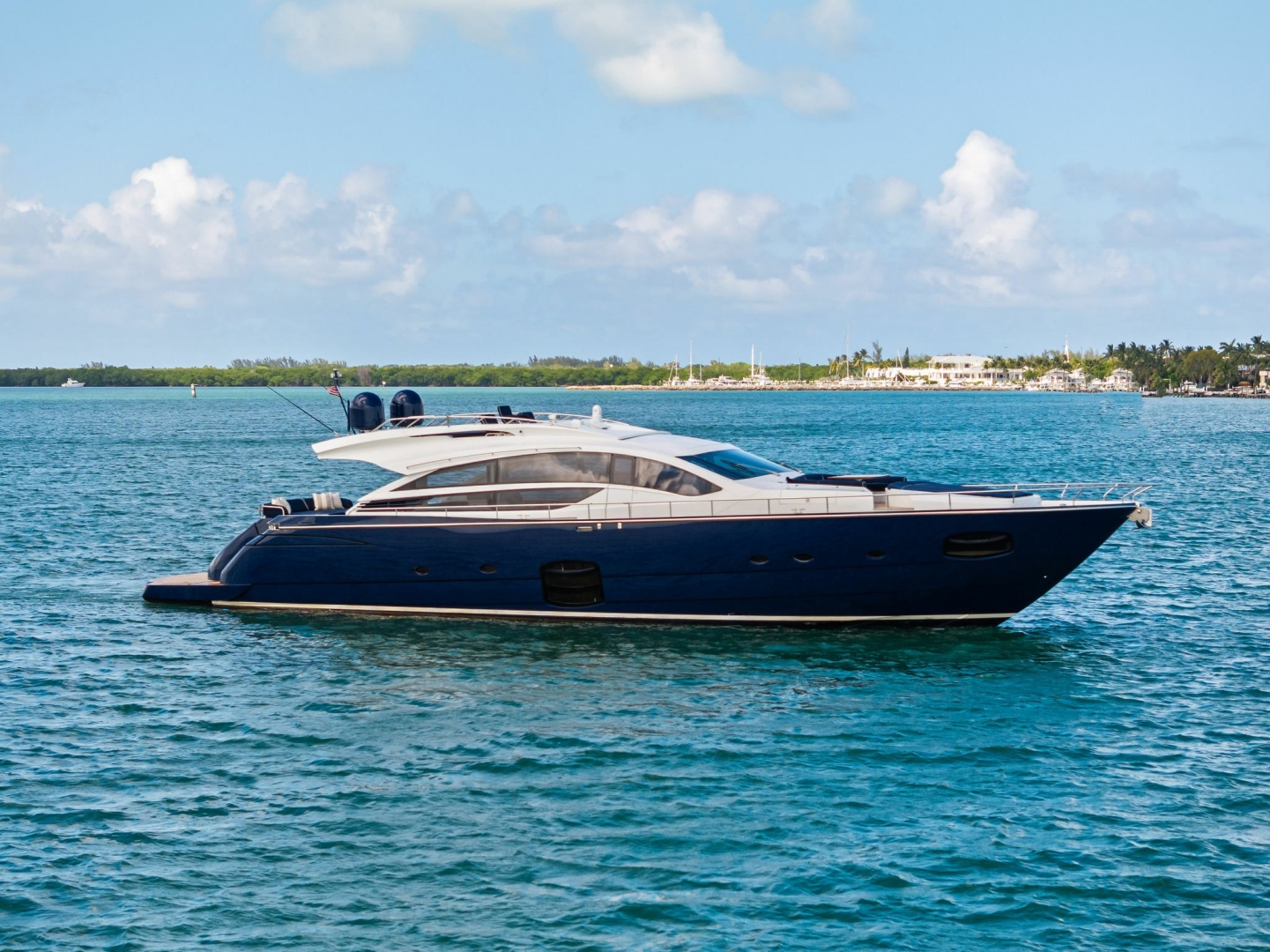
2013 Pershing DOROTHY ANN
$1,750,000
82
Miami Beach Florida

1997 Ferretti Yachts
$850,000
80
La Paz
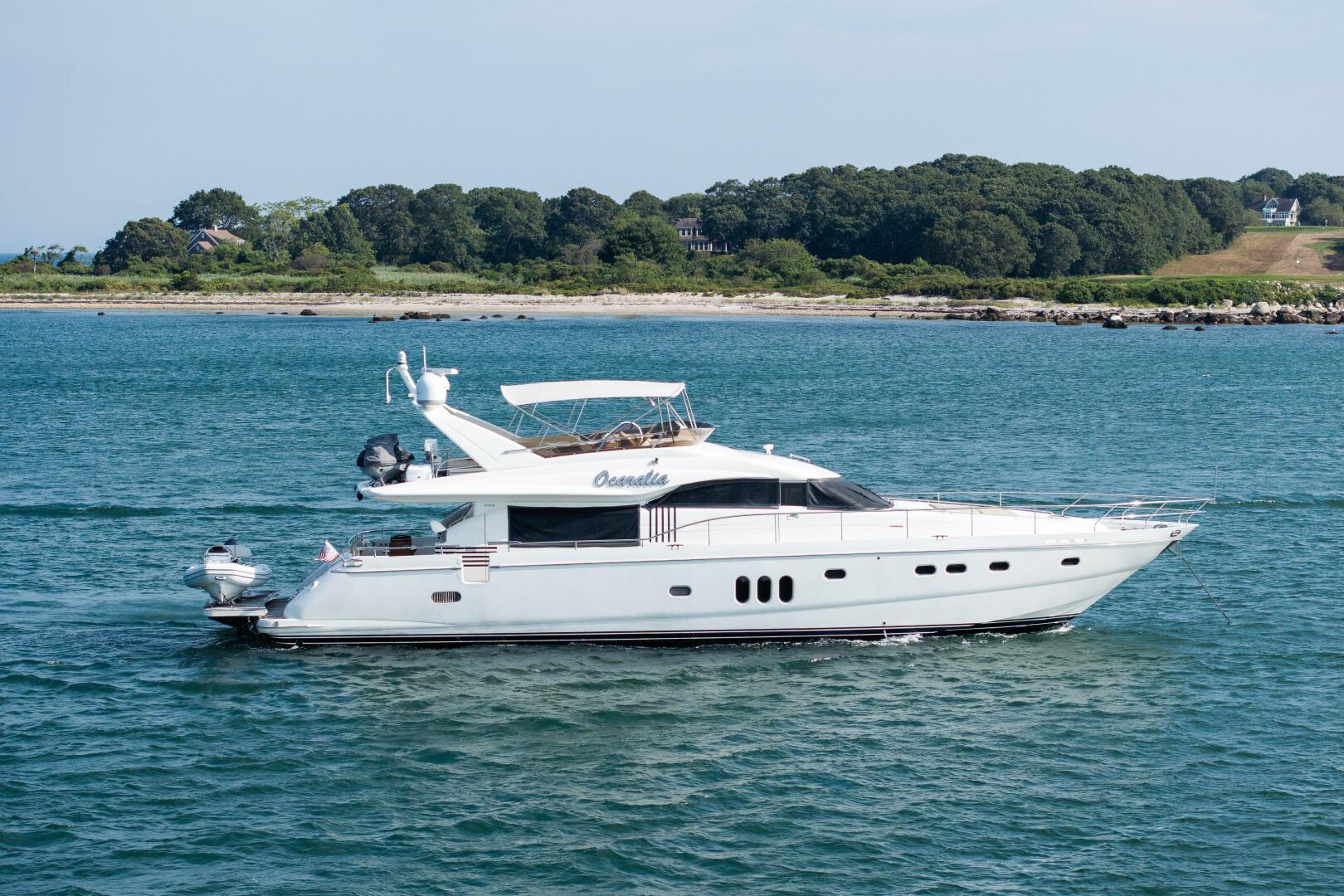
2008 Princess Yachts OCARALIA
$1,095,000
75
Charleston South Carolina
2014 Sunseeker
$1,400,000
68
New York New York

2024 Fairline
$2,750,000
68
Ft. Lauderdale Florida

2024 Sunreef Catallaxi
$3,700,000
60
Newport Rhode Island
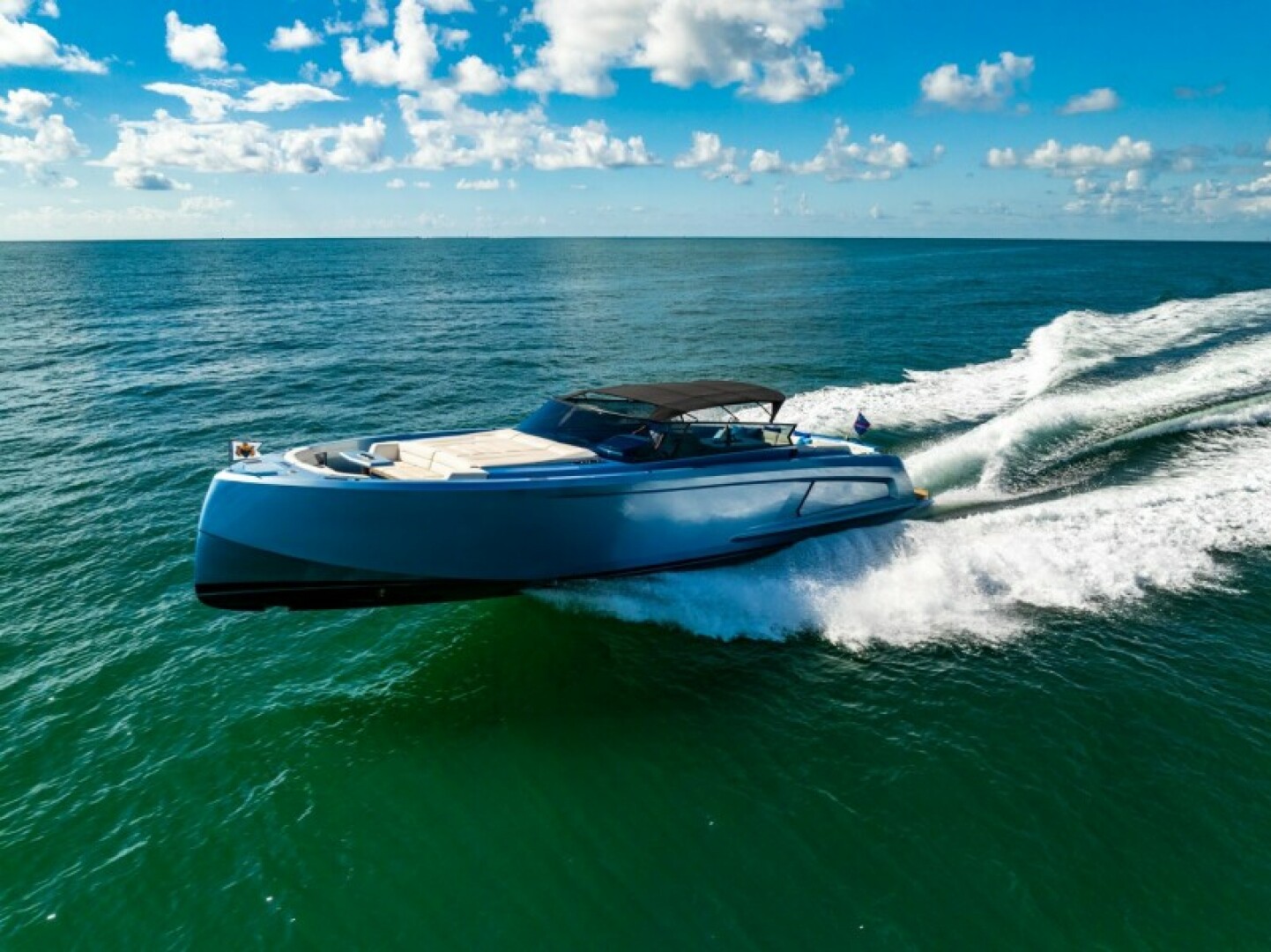
2019 Vanquish Yachts IMPULSIVE
$1,799,000
58
Miami Beach Florida
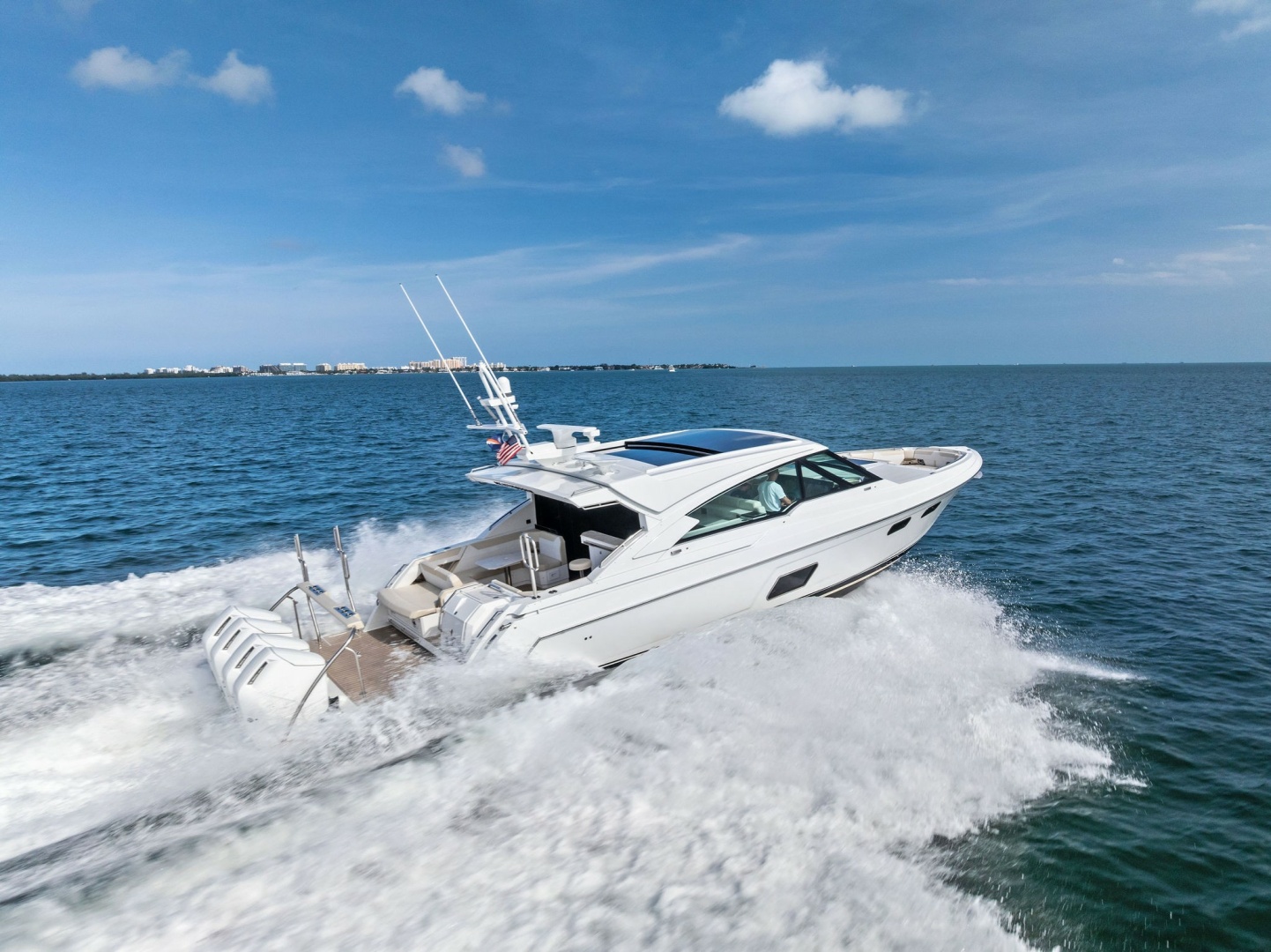
2025 Formula BREAKTHROUGH III
$1,895,000
53
Miami Beach Florida

2023 Fairline
$900,000
45
Fort Lauderdale Florida
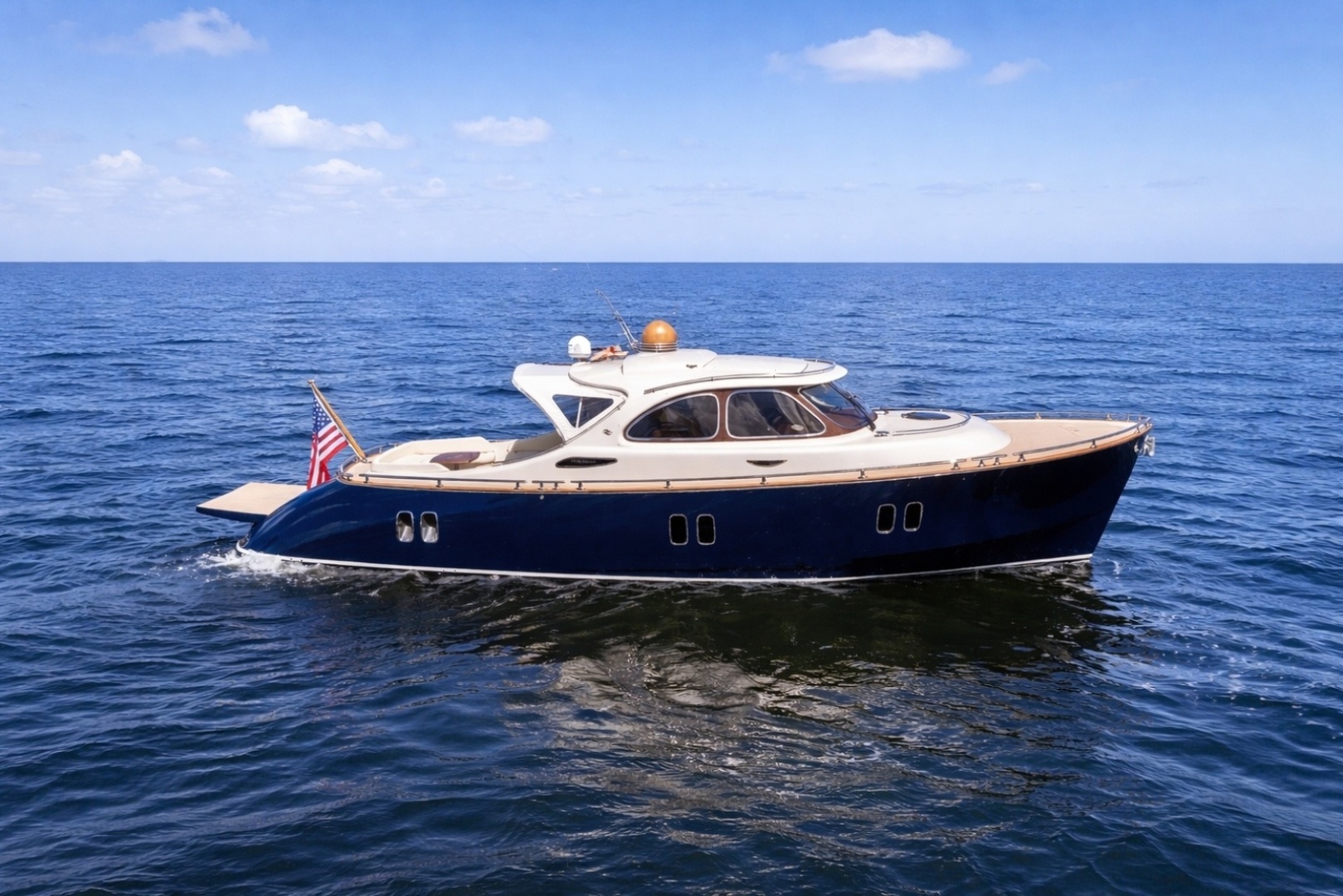
2012 Zeelander Mississippi Queen
$575,000
44
West Palm Beach Florida
2019 Bilgin 156'
$21,404,500
2028 Columbus Yachts 137'
$22,900,008
2012 Benetti 132'
$10,975,000
2024 Silver Yachts 117'
$25,400,000
2009 Hargrave 114'
$2,995,000
2028 Extra Yachts 100'
$21,404,500
2028 Extra Yachts 96'
$9,495,000
2021 Sanlorenzo 96'
$6,795,000
1999 Northern Marine 84'
$2,495,000
2013 Pershing 82'
$1,750,000
1997 Ferretti Yachts 80'
$850,000
2008 Princess Yachts 75'
$1,095,000
2014 Sunseeker 68'
$1,400,000
2024 Fairline 68'
$2,750,000
2024 Sunreef 60'
$3,700,000
2019 Vanquish Yachts 58'
$1,799,000
2025 Formula 53'
$1,895,000
2023 Fairline 45'
$900,000
2012 Zeelander 44'
$575,000