

Yacht specifications can feel overwhelming, but they hold the key to making smart luxury purchase decisions. Many buyers assume these technical details are only for engineers or surveyors, yet understanding core specs empowers you to evaluate value, predict performance, and ensure your yacht matches your lifestyle. Whether you’re buying your first yacht or selling to upgrade, clarity on specifications transforms confusion into confidence. This guide breaks down the essential yacht specs you need to know, from size measurements to engine performance and interior layouts, so you can navigate the luxury yacht market with authority and make decisions that align with your cruising dreams and investment goals.
Table of Contents
- Understanding The Core Yacht Size Specifications
- Yacht Performance Specifications: Engines, Speed, And Fuel Capacity
- Interior And Accommodation Specifications: What Define Yacht Comfort And Lifestyle
- Using Yacht Specifications To Make Informed Buying Or Selling Decisions
- Explore Expert Yacht Brokerage Services For Your 2026 Luxury Purchase
Key takeaways
| Point | Details |
|---|---|
| Size specs define access and costs | Length, beam, draft, and displacement determine where you can dock, marina fees, and handling characteristics. |
| Engine and fuel specs drive performance | Horsepower, speed ratings, and fuel capacity influence cruising range, operational expenses, and maintenance needs. |
| Interior specs shape onboard lifestyle | Cabin count, berth arrangements, and amenities dictate comfort, guest capacity, and resale appeal. |
| Specs enable informed negotiations | Understanding specifications helps you assess market value, compare offerings, and identify hidden costs or advantages. |
Understanding the core yacht size specifications
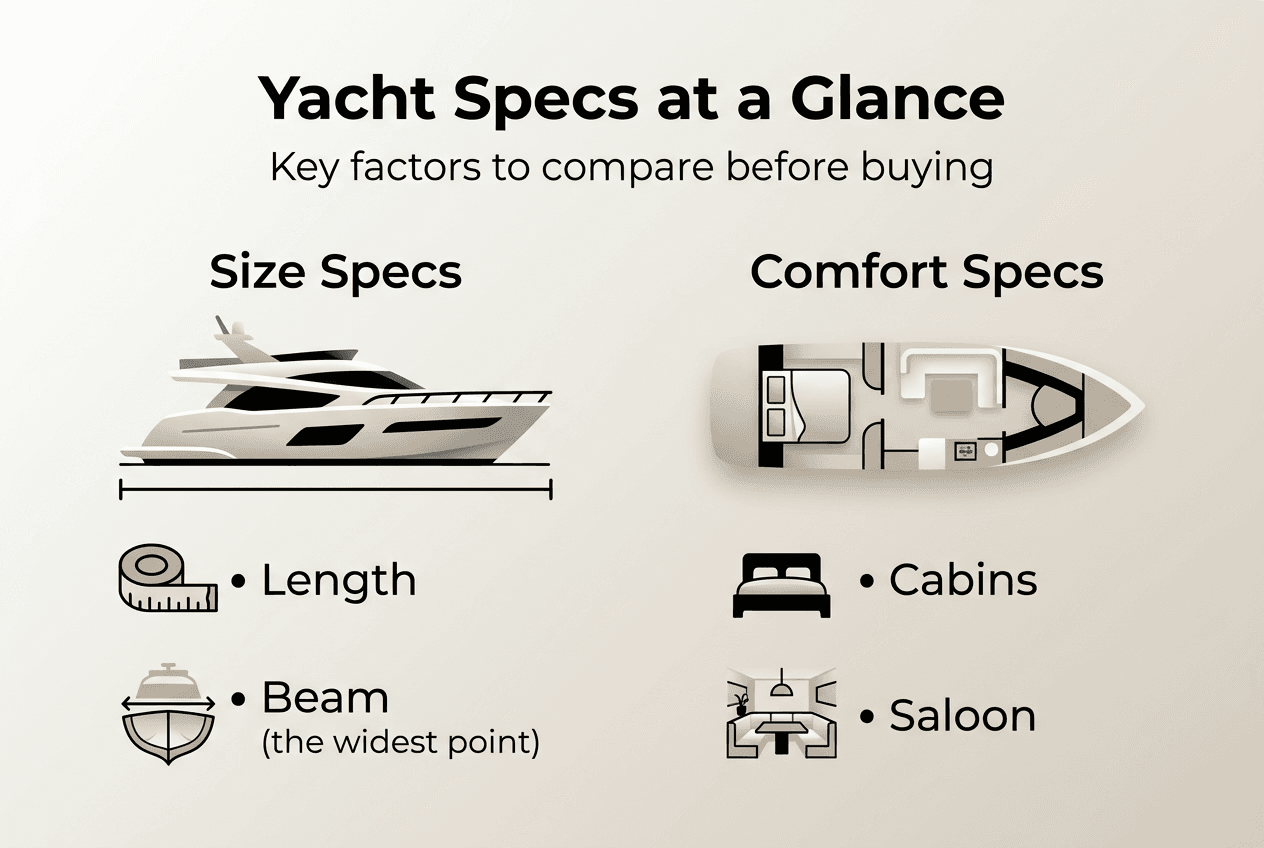
Yacht size specifications form the foundation of every vessel evaluation. Length, beam, draft, and displacement are fundamental size specifications affecting yacht performance and usability. Length overall (LOA) measures the yacht from bow to stern, determining docking requirements, marina slip fees, and regulatory classifications. A 70-foot yacht faces different insurance premiums and crew requirements than a 50-footer, making LOA a primary factor in ownership costs.
Beam refers to the yacht’s maximum width, directly impacting interior volume and stability. Wider beams create more spacious salons and cabins, enhancing comfort for extended cruising. However, excessive beam can limit access to certain marinas or narrow waterways. Draft measures how deep the hull sits below the waterline, critical for navigating shallow harbors, coastal waters, and anchoring near beaches. Deep draft yachts offer better stability in rough seas but restrict cruising destinations.
Displacement represents the yacht’s total weight when fully loaded, expressed in tons or pounds. This specification influences fuel efficiency, speed potential, and handling in various sea conditions. Heavier displacement yachts typically provide smoother rides in choppy water but require more power to achieve higher speeds. Lighter displacement vessels accelerate faster and consume less fuel at cruising speeds.
These size specs interact to define your yacht’s practical capabilities:
- LOA determines legal requirements, insurance costs, and slip availability at marinas
- Beam width affects interior space, stability, and maneuverability in tight quarters
- Draft limits access to shallow anchorages, beaches, and certain cruising grounds
- Displacement influences fuel consumption, speed potential, and ride comfort in seas
Pro Tip: Before committing to a yacht purchase, verify its draft against your preferred cruising locations to ensure you won’t face access limitations that restrict your intended itinerary.
Understanding these core specifications helps you evaluate whether a yacht fits your operational needs and budget. When reviewing how to buy a yacht, always cross reference size specs with your cruising plans and home port facilities. A yacht’s dimensions directly impact your daily experience, from docking ease to fuel costs, making these specifications essential knowledge for any luxury yacht valuation discussion.
Yacht performance specifications: engines, speed, and fuel capacity
Performance specifications reveal how a yacht moves through water and how far it can travel. Engine specifications and fuel capacity directly influence speed, range, and operational costs of yachts. Engine type represents the first major decision, with diesel engines dominating the luxury yacht market due to superior fuel efficiency, longevity, and torque. Gasoline engines offer lower initial costs but consume more fuel and require more frequent maintenance.
Horsepower ratings indicate the raw power available for propulsion. Twin 1,200 horsepower diesel engines deliver vastly different performance than twin 600 horsepower units, affecting acceleration, top speed, and the ability to handle heavy seas. Maximum speed represents the yacht’s top velocity under ideal conditions, while cruising speed indicates the most fuel-efficient sustained pace. Most yacht owners cruise at 60 to 70 percent of maximum speed to optimize fuel consumption and reduce engine wear.

Fuel capacity determines your cruising range between refueling stops. A yacht with 2,000-gallon tanks and efficient engines might cruise 1,500 nautical miles, while a similar-sized vessel with 1,000-gallon capacity covers half that distance. Range calculations depend on cruising speed, sea conditions, and engine efficiency, making fuel capacity a critical spec for extended voyages or remote destinations.
| Engine Type | Typical Horsepower | Fuel Efficiency | Maintenance Frequency | Best Use Case |
|---|---|---|---|---|
| Twin Diesel Inboard | 800-1,500 HP each | 1.5-2.5 nmpg | Annual service | Long-range cruising, offshore passages |
| Gasoline Inboard | 400-900 HP each | 0.8-1.5 nmpg | Biannual service | Coastal cruising, performance yachting |
| Diesel Outboard | 300-600 HP each | 2.0-3.0 nmpg | Annual service | Shallow water access, fuel efficiency |
Several factors influence actual fuel consumption beyond engine specs:
- Hull design and displacement affect hydrodynamic efficiency and resistance
- Sea conditions and weather increase fuel burn when battling waves or wind
- Cruising speed choices dramatically impact gallons per hour consumption
- Propeller condition and bottom cleanliness reduce drag and improve efficiency
- Generator usage and onboard systems add to total fuel consumption rates
Pro Tip: Balance performance specifications with your intended cruising style rather than chasing maximum speed. A yacht optimized for 20-knot cruising often provides better range, comfort, and operating costs than one pushed to 30 knots.
When evaluating performance specs, consider how they align with your typical voyages. Island hopping in the Caribbean demands different capabilities than crossing oceans or cruising the Mediterranean. Review yacht pricing strategy resources to understand how engine hours, maintenance history, and performance specs affect resale value. Familiarize yourself with industry terms related to propulsion systems to communicate effectively with brokers and surveyors during yacht transactions.
Interior and accommodation specifications: what define yacht comfort and lifestyle
Interior specifications transform a vessel from transportation into a floating luxury home. Interior specs indicate the comfort, luxury, and capacity for guests, critical for lifestyle fit and resale appeal. Cabin count represents the number of separate sleeping quarters, typically including a master stateroom, guest cabins, and crew quarters on larger yachts. A three-cabin layout suits couples or small families, while five or six cabins accommodate extended family gatherings or charter operations.
Berth arrangements describe sleeping configurations within each cabin. Island berths offer walk-around access, while V-berths fit into the bow area. Convertible salons add flexibility by transforming seating areas into additional sleeping space. Heads (marine bathrooms) accompany most cabins, with ensuite heads in premium staterooms providing privacy and convenience. Head counts and features like separate showers, bathtubs, or day heads significantly impact comfort and guest satisfaction.
Galley specifications detail the onboard kitchen’s capabilities, from appliance types to counter space and storage. Full-size refrigerators, freezers, ovens, and cooktops enable serious meal preparation, while compact galleys suit simpler dining preferences. Entertainment specs encompass audio-visual systems, satellite communications, and outdoor spaces like flybridge lounges or swim platforms. These amenities define your onboard lifestyle and influence how you use the yacht for entertaining, relaxation, or adventure.
| Yacht Size Category | Typical Cabin Count | Berth Capacity | Head Count | Salon Size |
|---|---|---|---|---|
| 40-50 feet | 2-3 cabins | 4-6 berths | 1-2 heads | 150-200 sq ft |
| 60-75 feet | 3-4 cabins | 6-8 berths | 3-4 heads | 250-350 sq ft |
| 80-100 feet | 4-6 cabins | 8-12 berths | 4-6 heads | 400-600 sq ft |
| 100+ feet | 5-8 cabins | 10-16 berths | 6-10 heads | 600-1,000 sq ft |
Key lifestyle considerations driven by interior specifications include:
- Privacy levels for guests and owners depend on cabin separation and soundproofing quality
- Storage capacity for clothing, provisions, and water toys affects extended cruise comfort
- Climate control systems determine comfort in tropical heat or northern cold
- Lighting design and natural light from windows or hatches influence interior ambiance
- Furniture quality and materials reflect luxury level and maintenance requirements
Interior layouts reveal how designers prioritized space allocation. Some yachts emphasize expansive salons for entertaining, while others maximize cabin sizes for overnight guests. Crew quarters on larger yachts ensure professional service without compromising owner privacy. Tender garages, beach clubs, and hydraulic swim platforms extend usable space and enhance water access for activities.
When reviewing interior specs, visualize your typical onboard activities and guest scenarios. A yacht optimized for couples differs dramatically from one designed for family gatherings or corporate entertaining. Consult how to choose a luxury yacht guides to match interior configurations with your lifestyle priorities. Understanding why buy luxury yacht considerations helps clarify which amenities deliver genuine value versus superficial features that inflate costs without enhancing your experience.
Using yacht specifications to make informed buying or selling decisions
Specifications become powerful tools when you know how to apply them strategically. Understanding yacht specifications is essential for accurate valuation and negotiation in buying or selling. Start by creating a specification profile that matches your cruising plans, budget, and lifestyle requirements. This profile guides your search and helps you quickly eliminate yachts that don’t fit your needs, saving time and focusing energy on viable candidates.
Follow this preparation process to leverage specs effectively:
- Define your must-have specifications based on intended use, home port, and typical voyages
- Research comparable yachts to establish baseline expectations for size, performance, and amenities
- Calculate operating costs using fuel capacity, engine specs, and estimated annual usage hours
- Verify specifications against survey reports and manufacturer documentation for accuracy
- Compare specs across similar yachts to identify market value outliers and negotiation opportunities
- Consult with experienced brokers to interpret complex specifications and market context
Specifications directly impact maintenance and operating expenses beyond the purchase price. Larger engines require more frequent oil changes and costly overhauls. Extensive electronics packages demand specialized technicians and regular software updates. Multiple air conditioning units, generators, and water makers increase both maintenance schedules and repair budgets. Understanding these ongoing costs prevents financial surprises after purchase.
When comparing yachts, create a specification matrix that highlights differences in key areas. A yacht with lower asking price but outdated engines or limited fuel capacity may cost more over five years than a higher-priced vessel with modern, efficient systems. Specifications also reveal renovation potential. A yacht with excellent hull and engine specs but dated interior might offer value if you’re willing to invest in cosmetic upgrades.
Specifications inform negotiation strategy by identifying strengths and weaknesses. High engine hours relative to yacht age suggest approaching major service intervals, justifying price reductions. Limited fuel capacity compared to similar yachts restricts cruising range, providing leverage in discussions. Conversely, recent upgrades to electronics, engines, or interior systems support asking prices and demonstrate owner investment in maintaining the vessel.
Pro Tip: Engage experienced yacht brokers who can interpret specifications within current market conditions, identify red flags in documentation, and negotiate effectively on your behalf using technical knowledge you may lack.
Sellers benefit equally from understanding specifications. Documenting your yacht’s specs thoroughly, including recent upgrades and maintenance records, builds buyer confidence and justifies your asking price. Highlighting superior specifications compared to market competitors positions your yacht advantageously. Address specification weaknesses proactively by adjusting price or completing repairs before listing.
Review yacht pricing strategy resources to understand how specifications influence market positioning and buyer perceptions. Learning how to choose a yacht broker ensures you partner with professionals who leverage specifications effectively throughout transactions. Specifications transform from intimidating technical details into practical tools that empower confident decision making and successful yacht ownership.
Explore expert yacht brokerage services for your 2026 luxury purchase
Now that you understand yacht specifications and their impact on value and performance, partnering with experienced professionals amplifies your success. Expert yacht brokers translate technical specifications into practical guidance tailored to your unique cruising plans and budget. They access comprehensive market data, identify yachts matching your specification requirements, and negotiate effectively using detailed technical knowledge. Professional brokerage services streamline the buying or selling process, handling documentation, surveys, and closing procedures while protecting your interests. Explore available yachts that match your newly defined specification criteria. Discover what is yacht brokerage and how tailored support maximizes your investment value. Connect with specialists who understand specifications deeply and apply that knowledge to achieve your yachting goals confidently in 2026.
FAQ
What does yacht length overall (LOA) mean?
LOA measures the total length of a yacht from the foremost point of the bow to the rearmost point of the stern. It’s the primary dimension used to classify yacht size, determine marina slip requirements, and calculate docking fees. This measurement appears in all yacht listings and legal documentation.
How do engine horsepower and fuel capacity affect yacht range?
Higher horsepower engines typically consume more fuel but provide greater speed and power for handling rough conditions. Fuel capacity combined with engine efficiency determines how far you can cruise between refueling stops. Balancing these specs with your typical voyage distances ensures you select a yacht with adequate range for your cruising plans.
Why are cabin and berth counts important in yacht specs?
Cabin and berth counts dictate how many people can sleep comfortably aboard and the level of privacy available. More cabins generally indicate increased luxury, better guest accommodation, and higher resale value. These specifications directly affect how you use the yacht for family trips, entertaining guests, or charter operations.
Can understanding yacht specs help in negotiating price?
Knowing yacht specifications helps you assess condition, compare market offerings, and identify fair value. Specifications reveal maintenance needs, operational costs, and performance capabilities that justify or challenge asking prices. This knowledge provides leverage in negotiations and helps you recognize when a yacht offers genuine value versus inflated pricing.
Recommended
Featured Listings
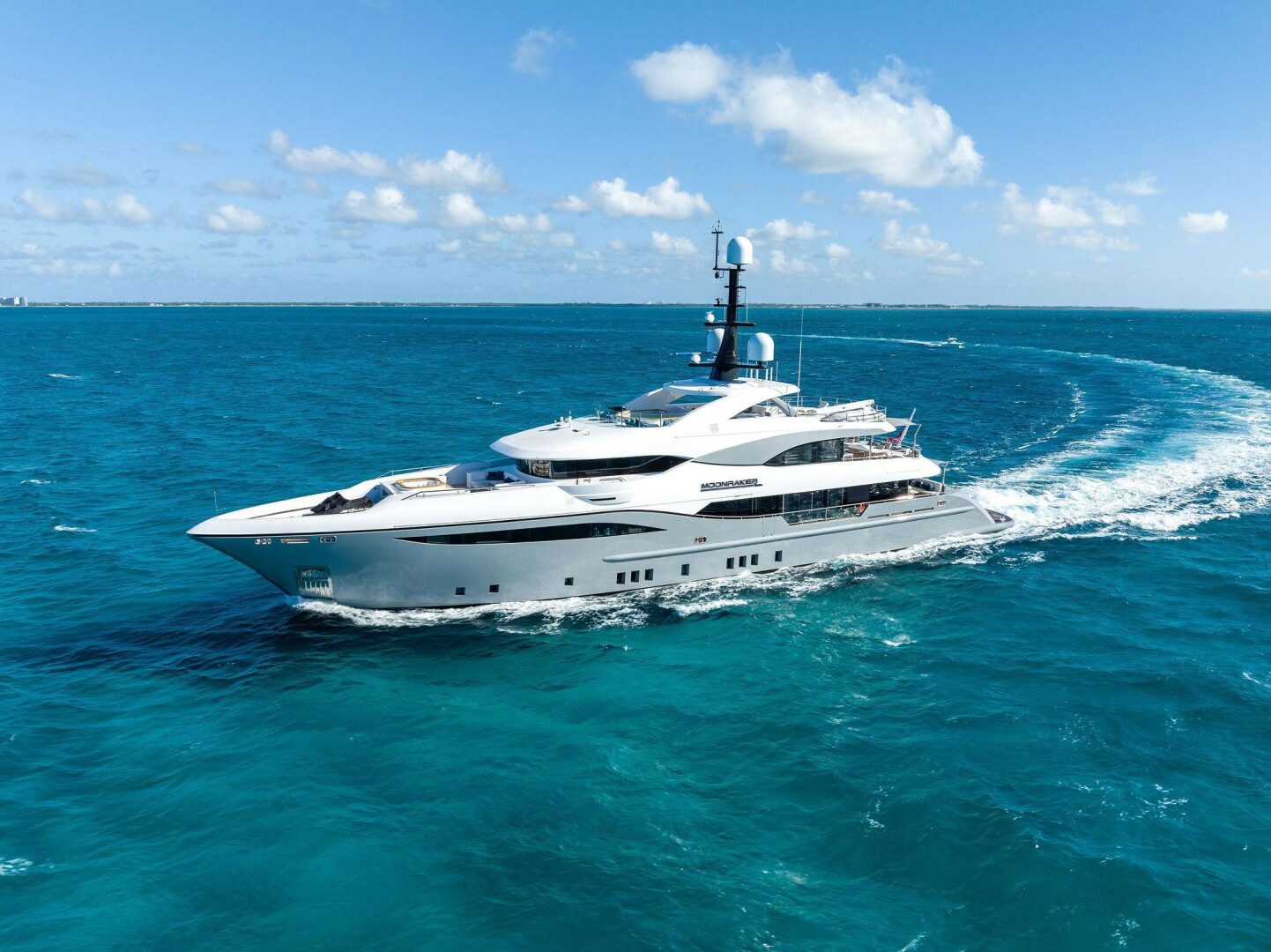
2019 Bilgin MOONRAKER
$21,404,500
156
West Palm Beach Florida

2028 Columbus Yachts
$22,900,008
137
Ancona
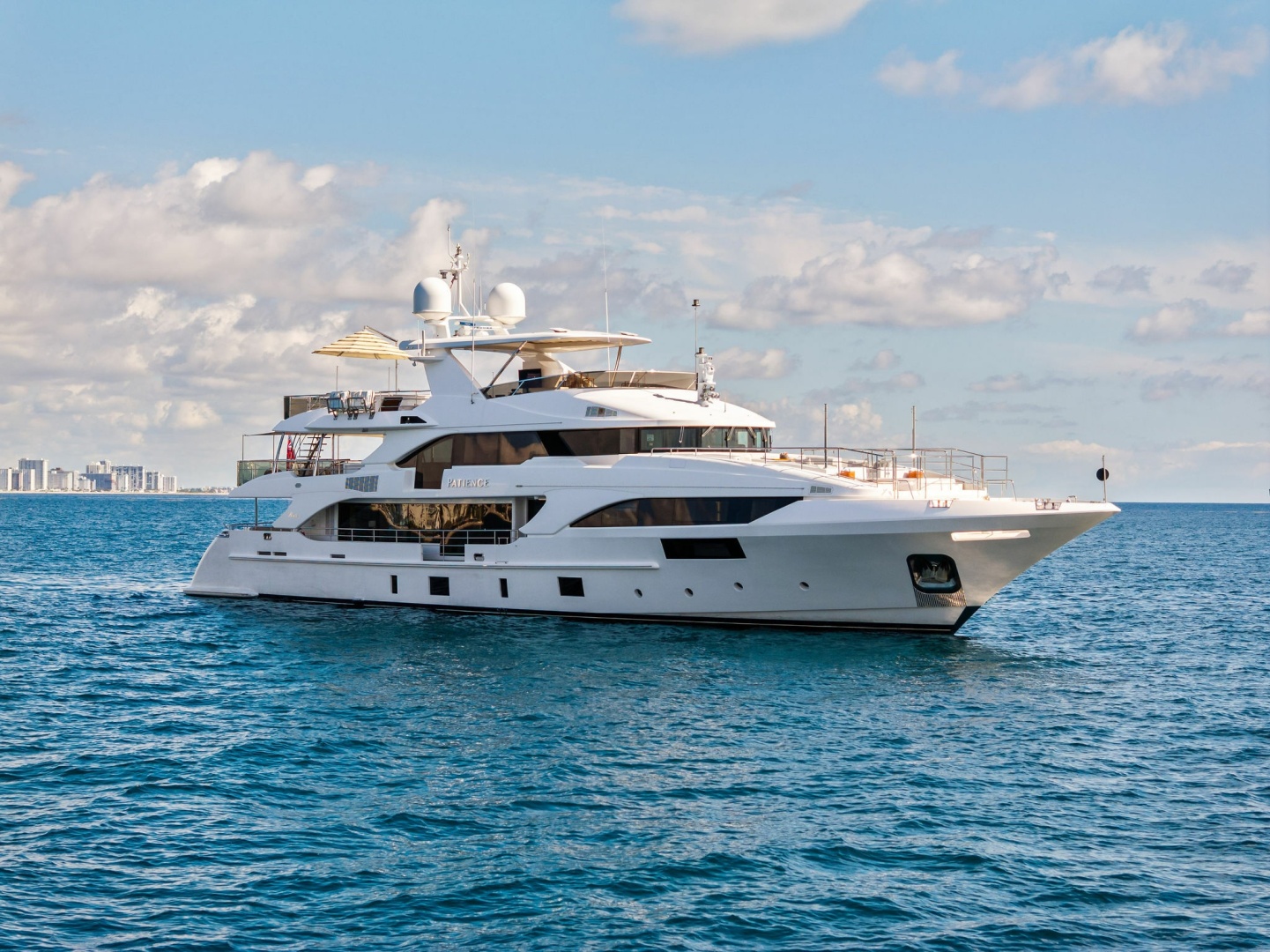
2012 Benetti PATIENCE
$10,975,000
132
Fort Lauderdale Florida
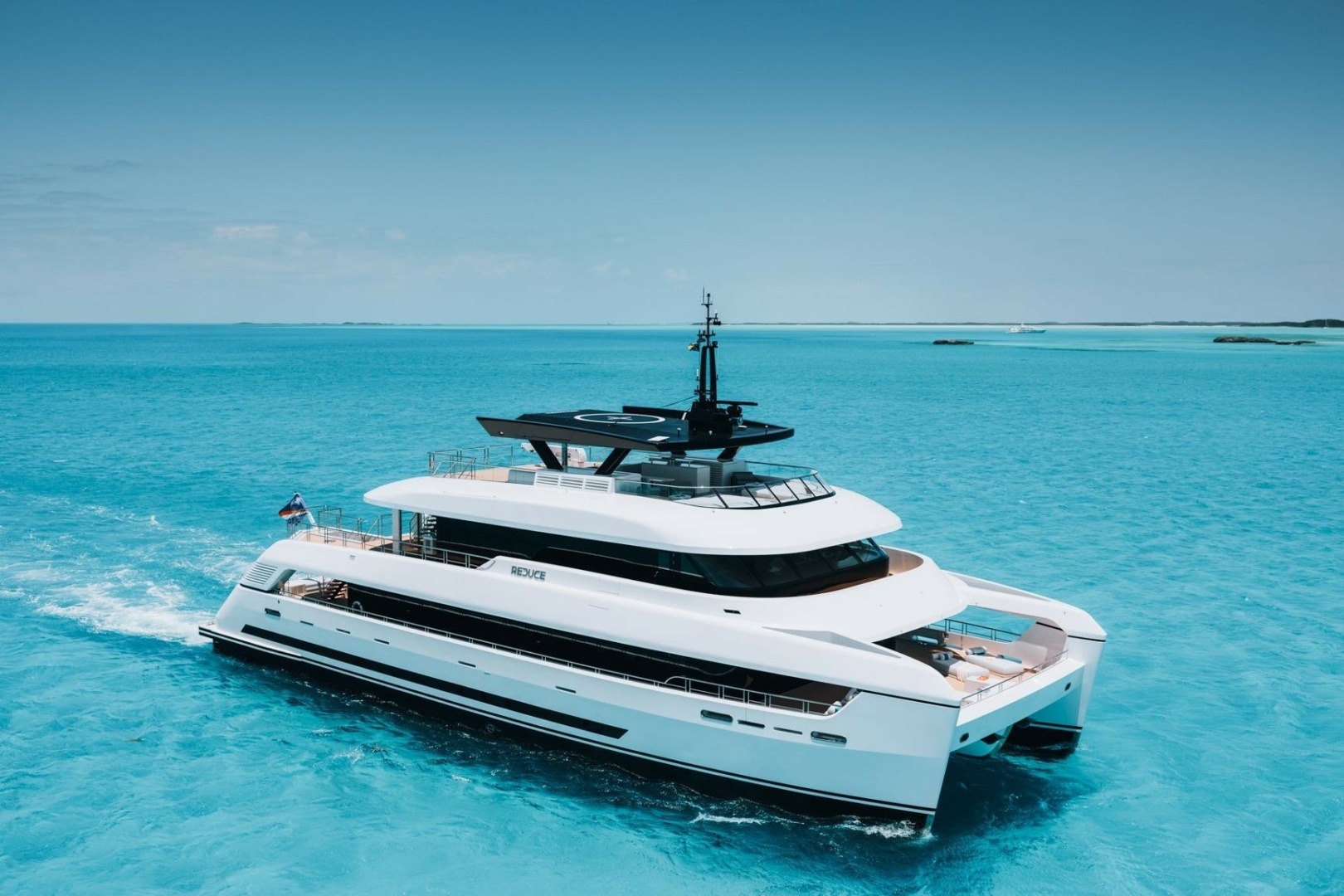
2024 Silver Yachts
$25,400,000
117
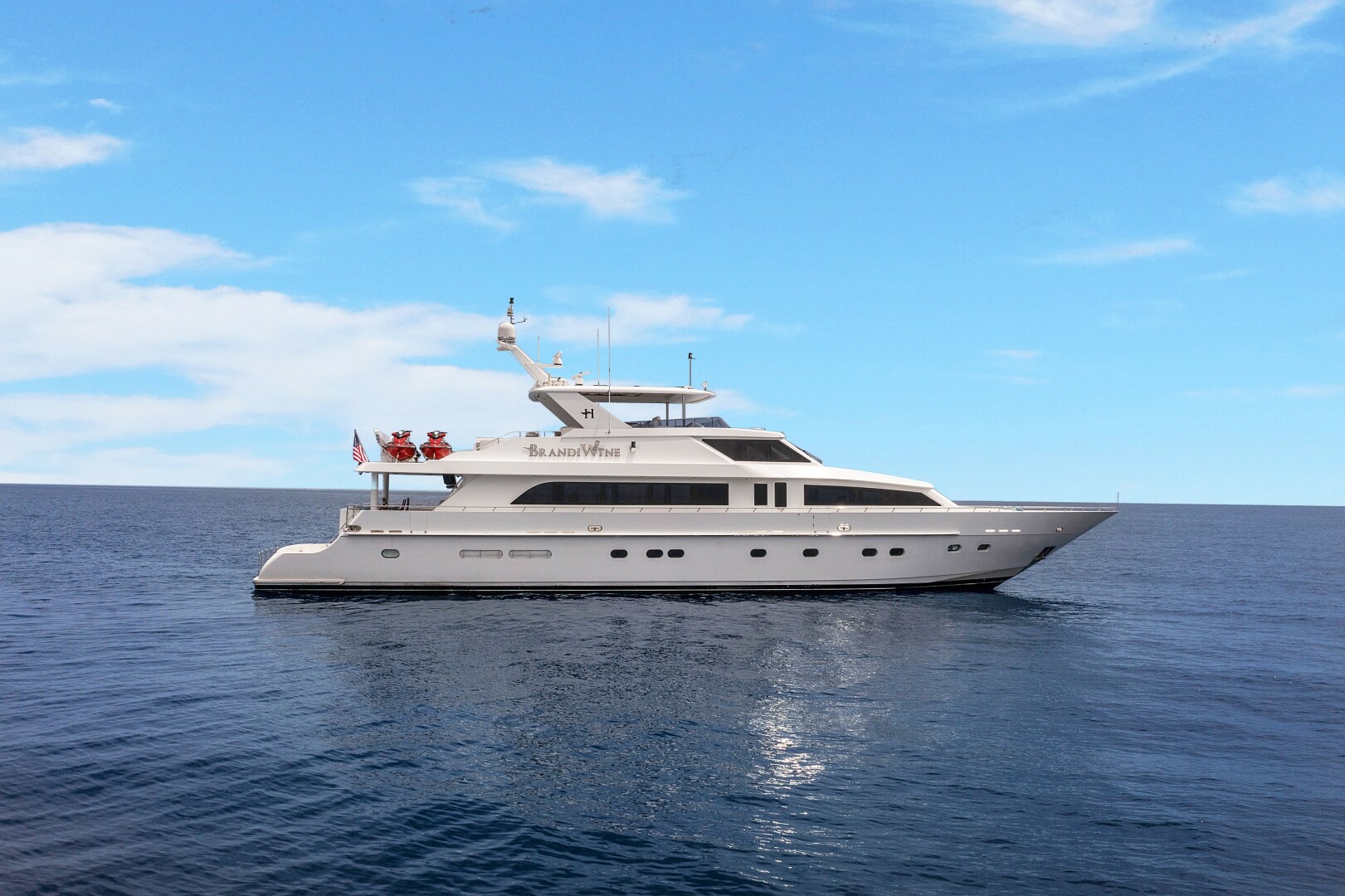
2009 Hargrave BRANDI WINE
$2,995,000
114
Fort Lauderdale Florida

2028 Extra Yachts
$21,404,500
100
Ancona

2028 Extra Yachts Extra 96
$9,495,000
96
Ancona
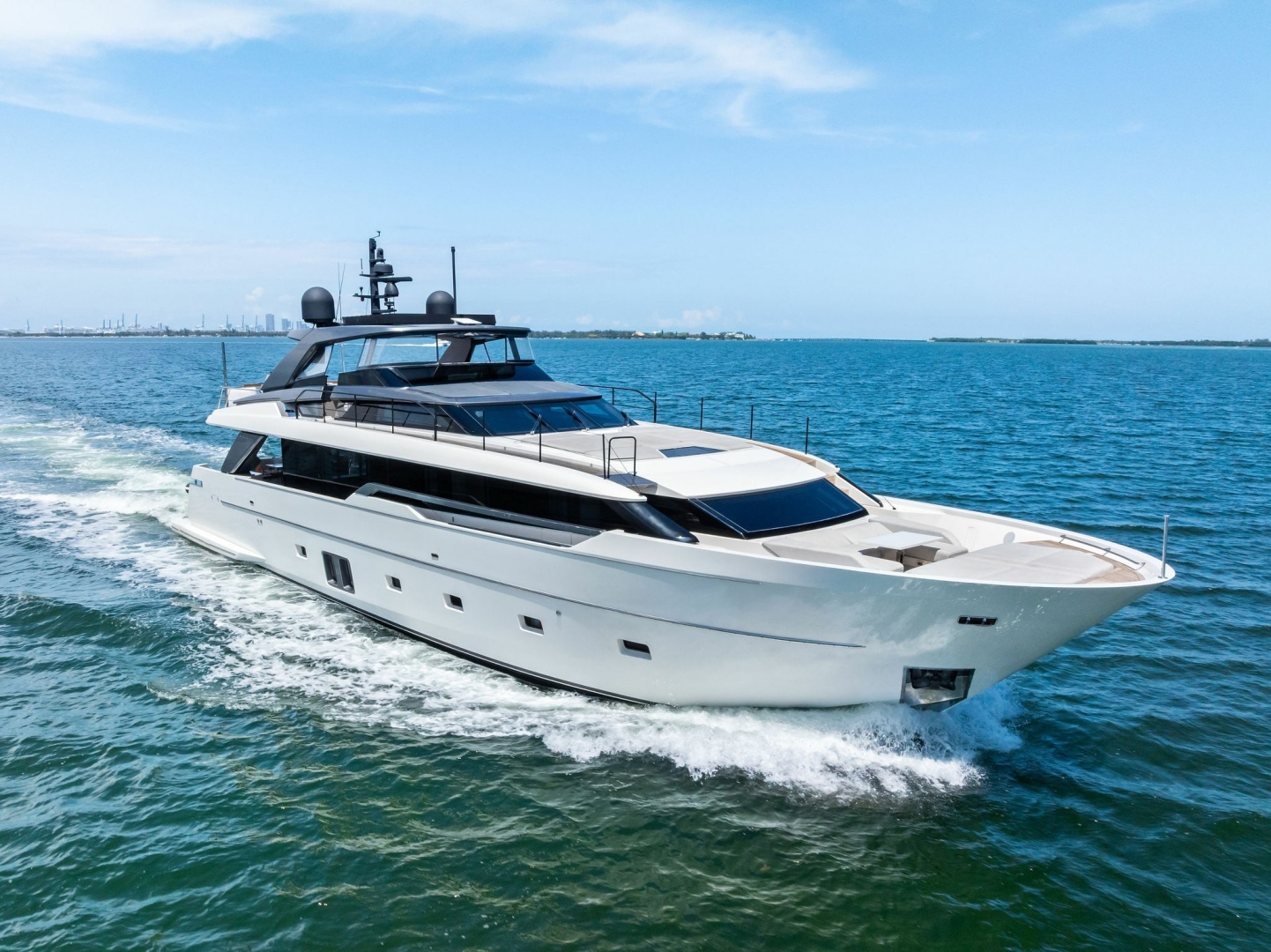
2021 Sanlorenzo GATSBY
$6,795,000
96
Miami Beach Florida

1999 Northern Marine OFF LINE
$2,495,000
84
Ft Lauderdale Florida
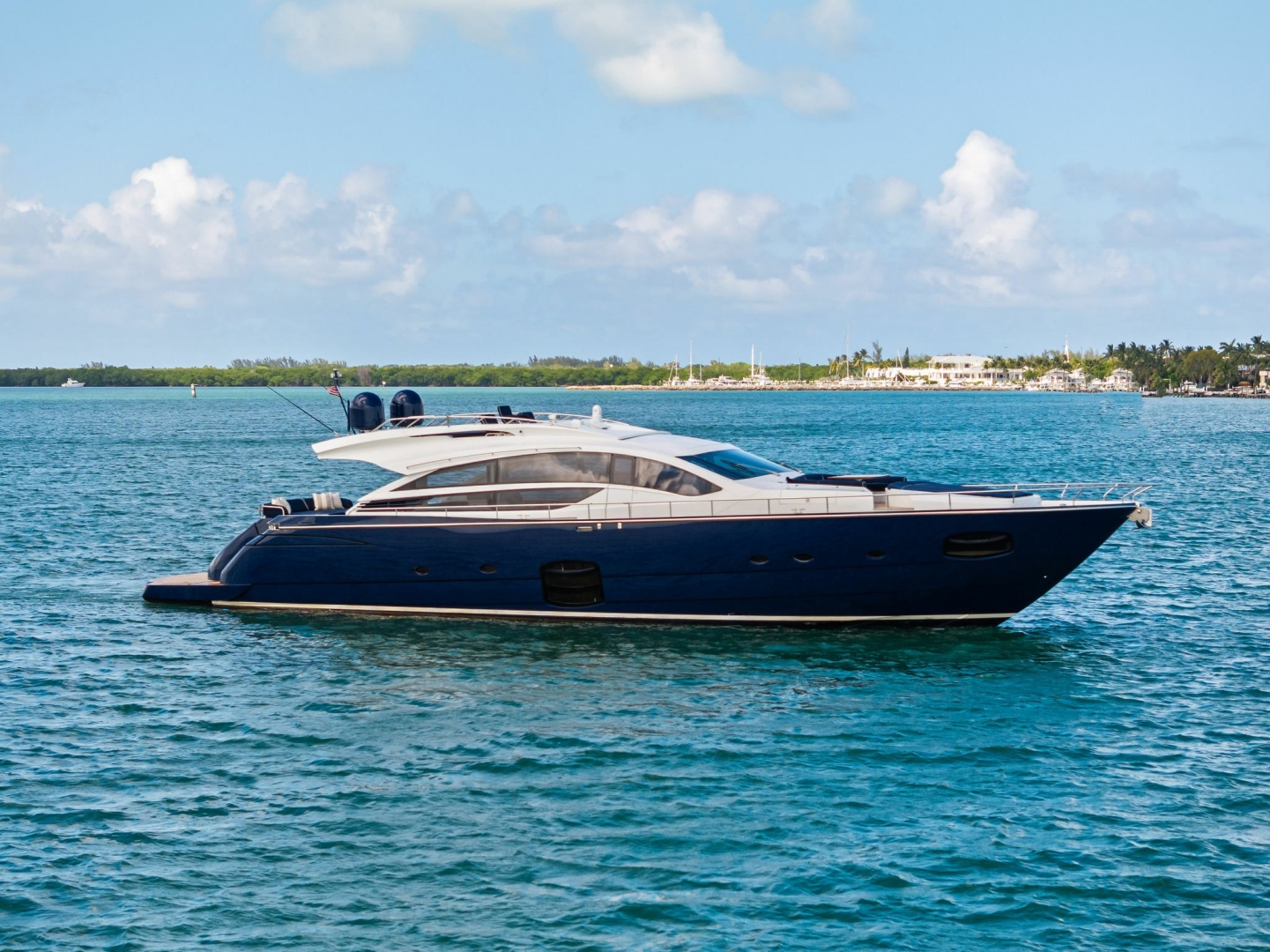
2013 Pershing DOROTHY ANN
$1,750,000
82
Miami Beach Florida

1997 Ferretti Yachts
$850,000
80
La Paz
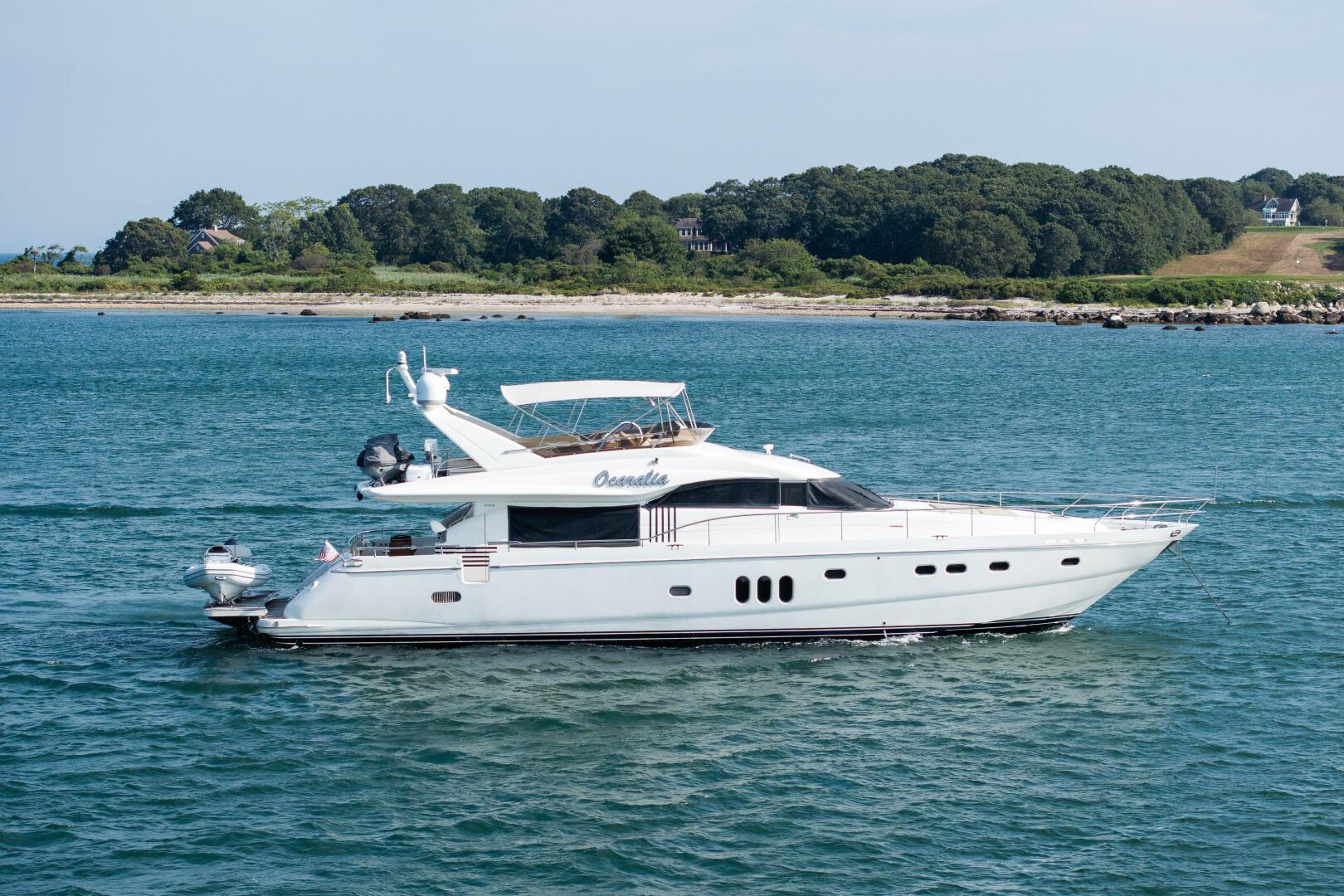
2008 Princess Yachts OCARALIA
$1,095,000
75
Charleston South Carolina
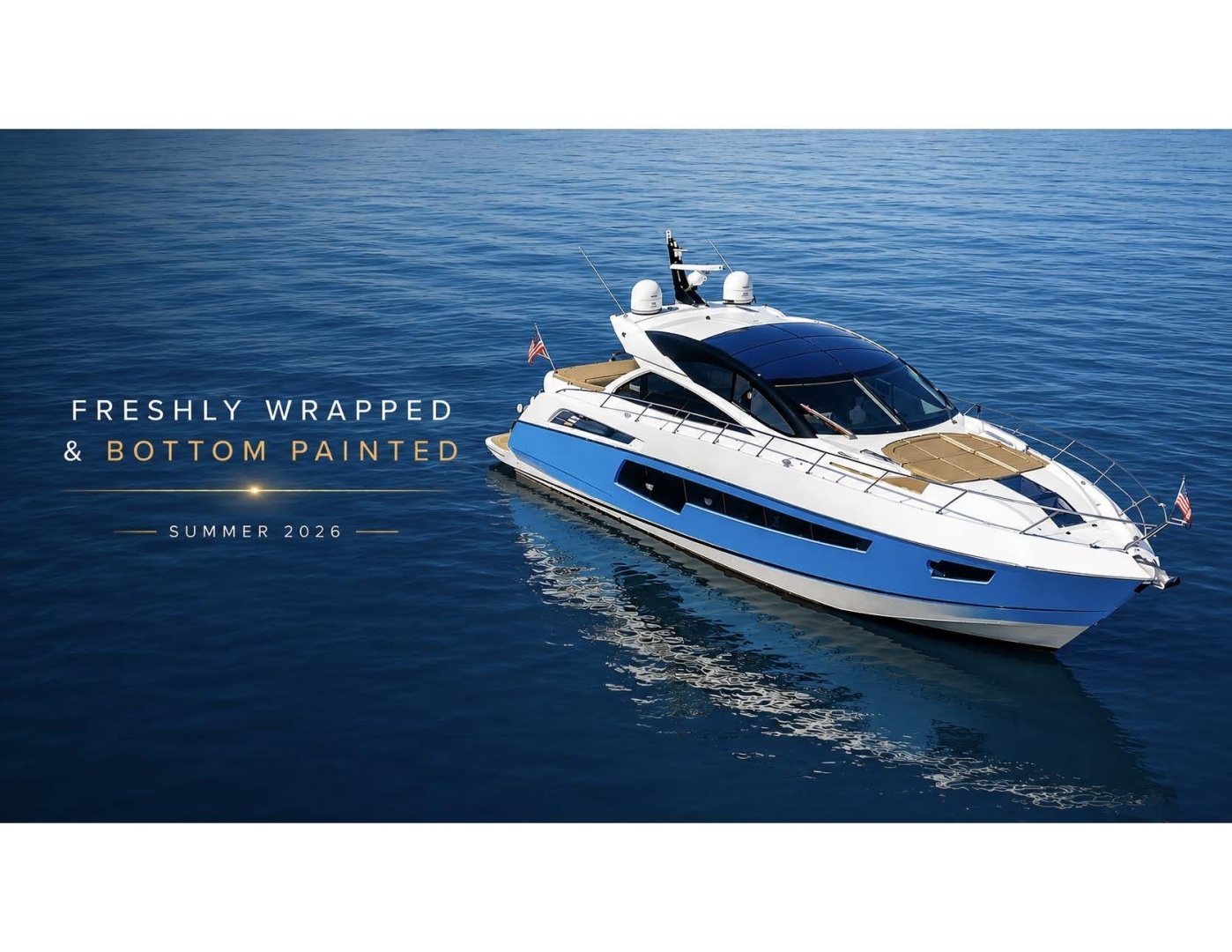
2014 Sunseeker
$1,400,000
68
New York New York

2024 Fairline
$2,750,000
68
Ft. Lauderdale Florida

2024 Sunreef Catallaxi
$3,700,000
60
Newport Rhode Island
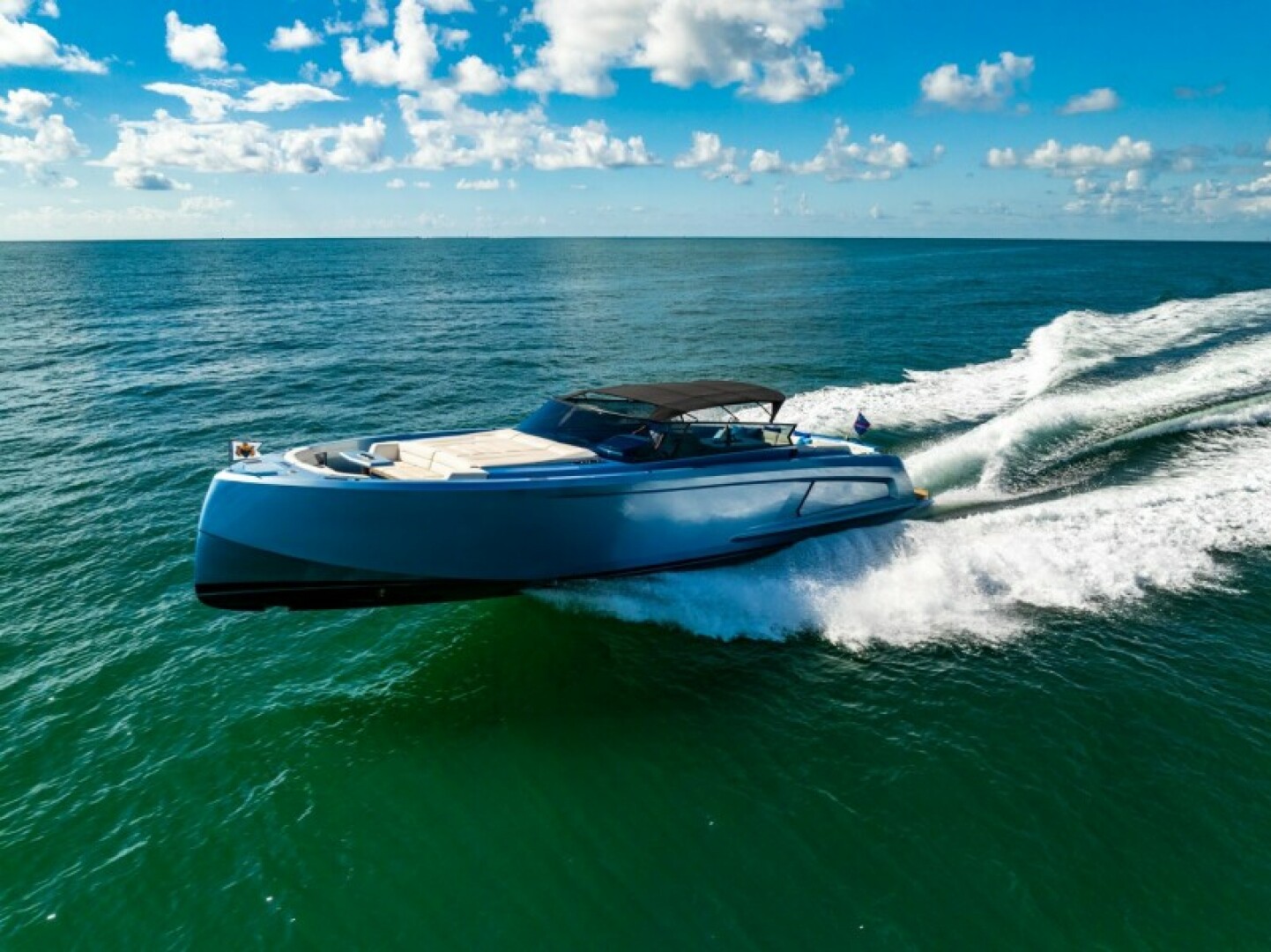
2019 Vanquish Yachts IMPULSIVE
$1,799,000
58
Miami Beach Florida
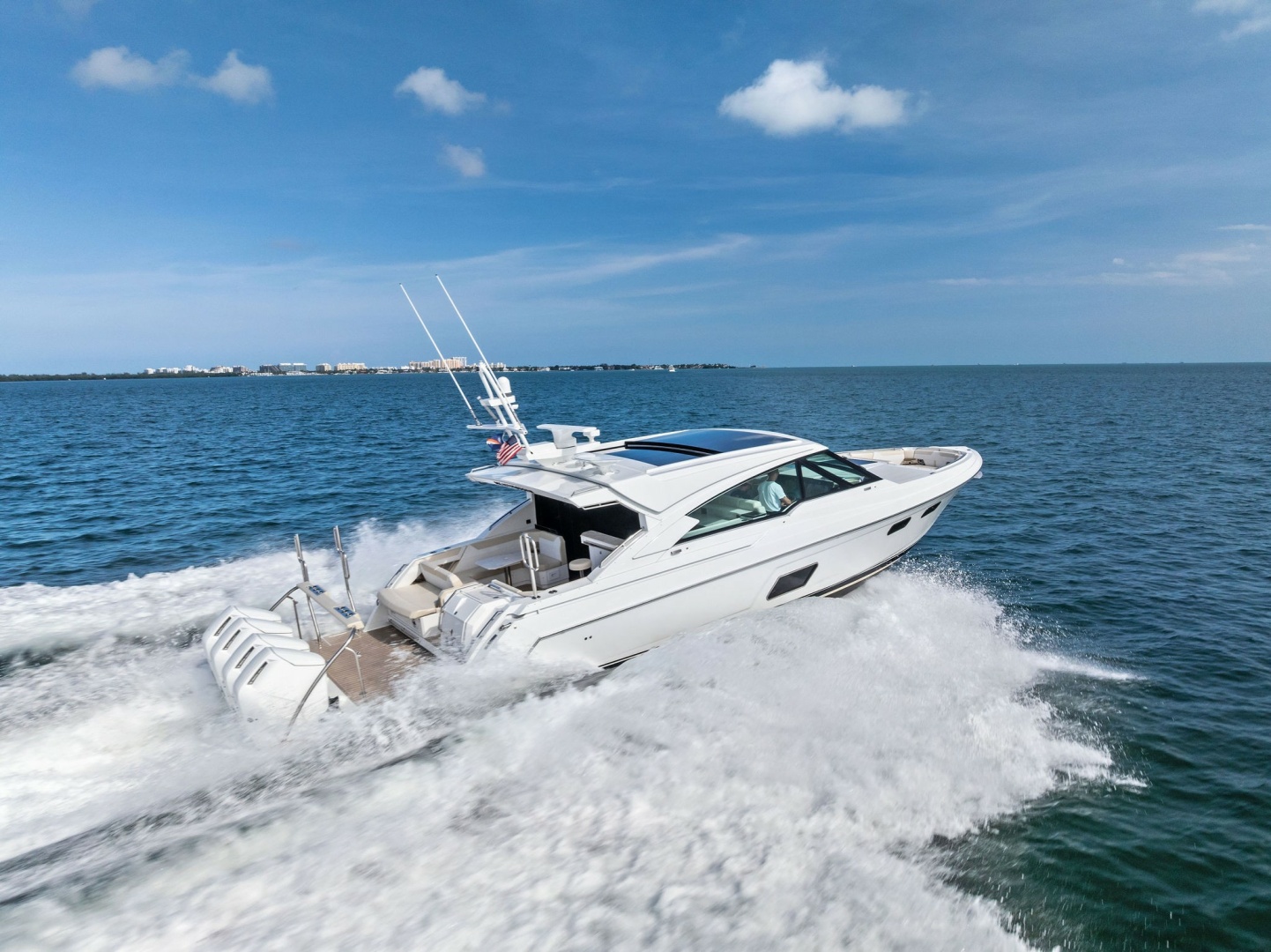
2025 Formula BREAKTHROUGH III
$1,895,000
53
Miami Beach Florida

2023 Fairline
$900,000
45
Fort Lauderdale Florida
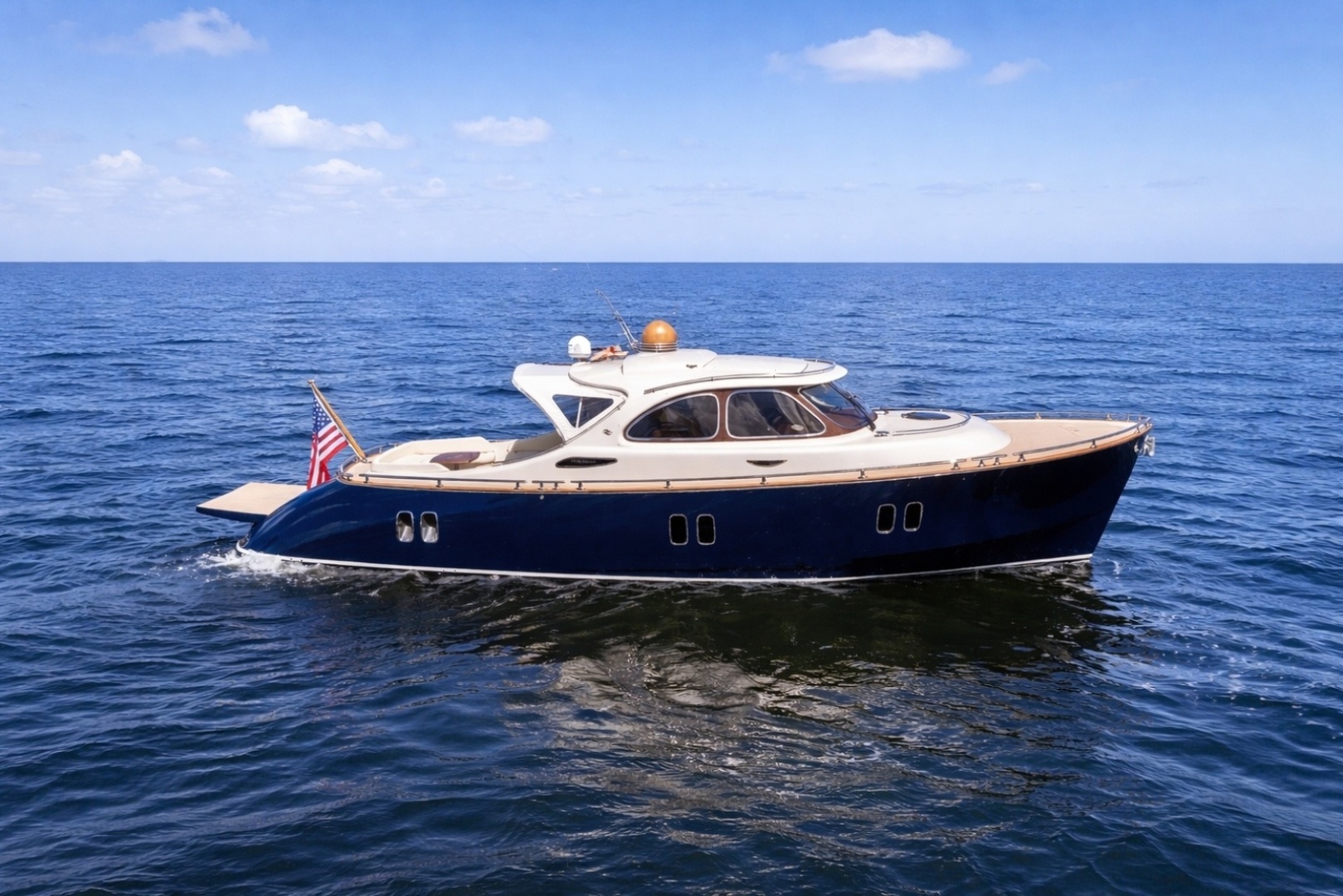
2012 Zeelander Mississippi Queen
$575,000
44
West Palm Beach Florida
2019 Bilgin 156'
$21,404,500
2028 Columbus Yachts 137'
$22,900,008
2012 Benetti 132'
$10,975,000
2024 Silver Yachts 117'
$25,400,000
2009 Hargrave 114'
$2,995,000
2028 Extra Yachts 100'
$21,404,500
2028 Extra Yachts 96'
$9,495,000
2021 Sanlorenzo 96'
$6,795,000
1999 Northern Marine 84'
$2,495,000
2013 Pershing 82'
$1,750,000
1997 Ferretti Yachts 80'
$850,000
2008 Princess Yachts 75'
$1,095,000
2014 Sunseeker 68'
$1,400,000
2024 Fairline 68'
$2,750,000
2024 Sunreef 60'
$3,700,000
2019 Vanquish Yachts 58'
$1,799,000
2025 Formula 53'
$1,895,000
2023 Fairline 45'
$900,000
2012 Zeelander 44'
$575,000