

A single hidden hull defect, invisible to the untrained eye, can quietly translate into a six-figure repair bill after the ink dries on your purchase agreement. That is the kind of surprise no buyer should ever face. A professional yacht inspection assesses a vessel’s condition, structural integrity, systems, and market value, serving as your most powerful shield in any yacht transaction. Whether you are buying your first superyacht or renewing insurance on a beloved vessel, understanding the survey process is not optional. It is essential.
Table of Contents
- What is a yacht survey and why does it matter?
- Types of yacht surveys and when you need them
- What does a yacht survey inspect? Key focus areas
- How yacht surveys are performed: Process and technologies
- Top benefits of a yacht survey for buyers and owners
- Key questions to ask before and after your yacht survey
- Get expert support for your next yacht purchase or sale
- Frequently asked questions
Key Takeaways
| Point | Details |
|---|---|
| Essential protection | A yacht survey is your best safeguard against costly hidden problems. |
| Survey types matter | Pre-purchase, insurance, and valuation surveys each serve different, critical goals. |
| Advanced techniques | Modern surveys use tools like ultrasound and thermal imaging for deeper insight. |
| Big financial impact | Catching issues early can save tens or hundreds of thousands of dollars. |
| Expert guidance | Relying on professionals maximizes your negotiation power and peace of mind. |
What is a yacht survey and why does it matter?
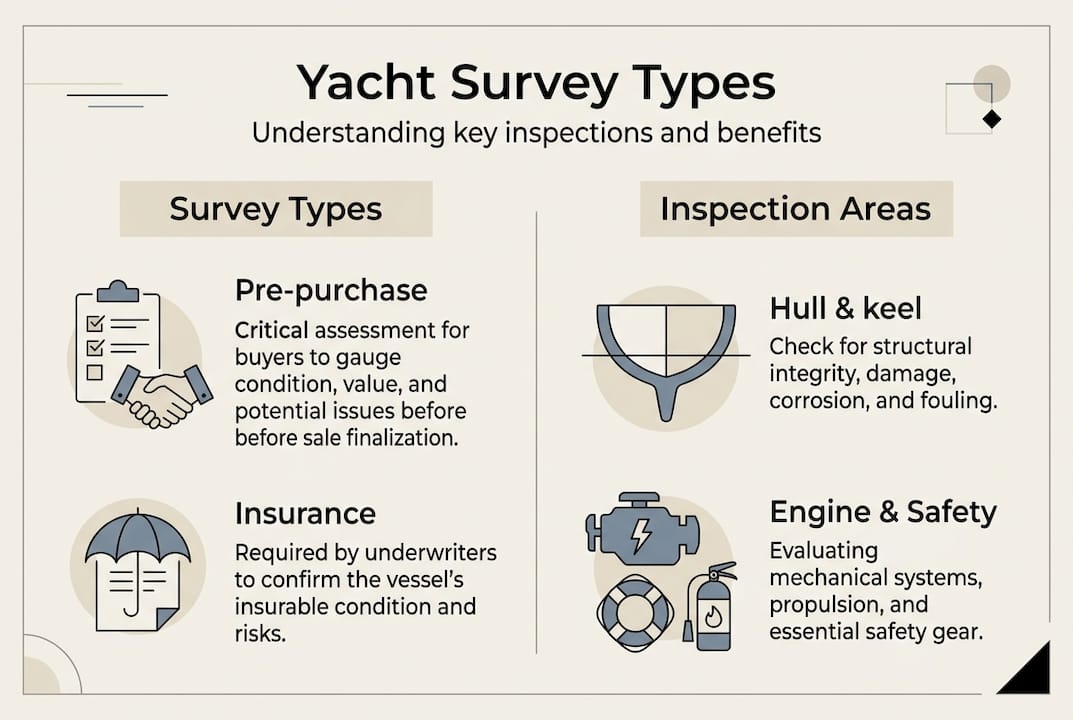
At its core, a yacht survey is a formal, professional evaluation of a vessel carried out by a qualified marine surveyor. Think of it as a complete physical examination for your yacht, one that looks beneath the polished teak and gleaming gelcoat to assess what is truly going on structurally and mechanically. As defined by marine experts, a yacht survey is a professional inspection assessing the vessel’s condition, structural integrity, systems, and value, primarily conducted for pre-purchase, insurance, or valuation purposes.
There are three primary reasons a buyer or owner commissions a survey:
- Pre-purchase: To identify defects before committing to a sale
- Insurance: To satisfy underwriter requirements and establish insurable value
- Valuation: To determine accurate luxury yacht valuation for financing, estate planning, or resale
Skipping a survey is a gamble that rarely pays off. Osmotic blistering in a fiberglass hull, for example, can cost upward of $50,000 to remediate. Corroded keel bolts, undetected electrical faults, or compromised structural bulkheads can push repair costs far higher. The survey is not a formality. It is the foundation of an informed, confident purchase.
“The survey is your single greatest tool for understanding exactly what you are buying. It transforms uncertainty into clarity.”
Now that we have established their importance, let’s break down exactly what a yacht survey entails.
Types of yacht surveys and when you need them
Not all surveys are created equal, and knowing which type applies to your situation saves time, money, and frustration. The three most common survey types each serve a distinct purpose.
| Survey type | Primary purpose | Who commissions it |
|---|---|---|
| Pre-purchase survey | Full condition and value assessment before buying | Buyer |
| Insurance survey | Confirms vessel condition and insurable value | Owner or insurer |
| Valuation survey | Establishes current market value only | Owner, lender, or estate |
The pre-purchase survey is the most thorough and the one most buyers will encounter. Insurance surveys are typically required every 3 to 5 years, though older vessels or those used commercially may require annual reviews. A change of ownership, a significant refit, or a lapse in coverage can all trigger the need for a fresh survey.
Key triggers for each survey type include:
- A signed letter of intent or purchase agreement (pre-purchase)
- Insurance policy renewal or a new underwriter requirement (insurance)
- Refinancing, estate settlement, or charter listing (valuation)
When you are navigating the buying process, the right questions to ask yacht brokers include whether a current survey is already on file. An outdated survey, even one that is only two years old, may not satisfy lenders or insurers and can delay closing by weeks. Knowing how to choose a luxury yacht also means understanding that survey currency is part of due diligence, not an afterthought.
Pro Tip: Always request a survey dated within 12 months of your intended purchase date. Anything older may require a fresh inspection before your insurer will bind coverage.
Understanding the types helps you know what to expect next. Now, let’s look at the core steps involved.
What does a yacht survey inspect? Key focus areas
A thorough survey leaves virtually no corner of the vessel unexamined. The scope of inspection covers hull and keel integrity, engines and generators, electrical systems, plumbing, HVAC, safety gear, electronics, and interior condition, with defects categorized by priority.
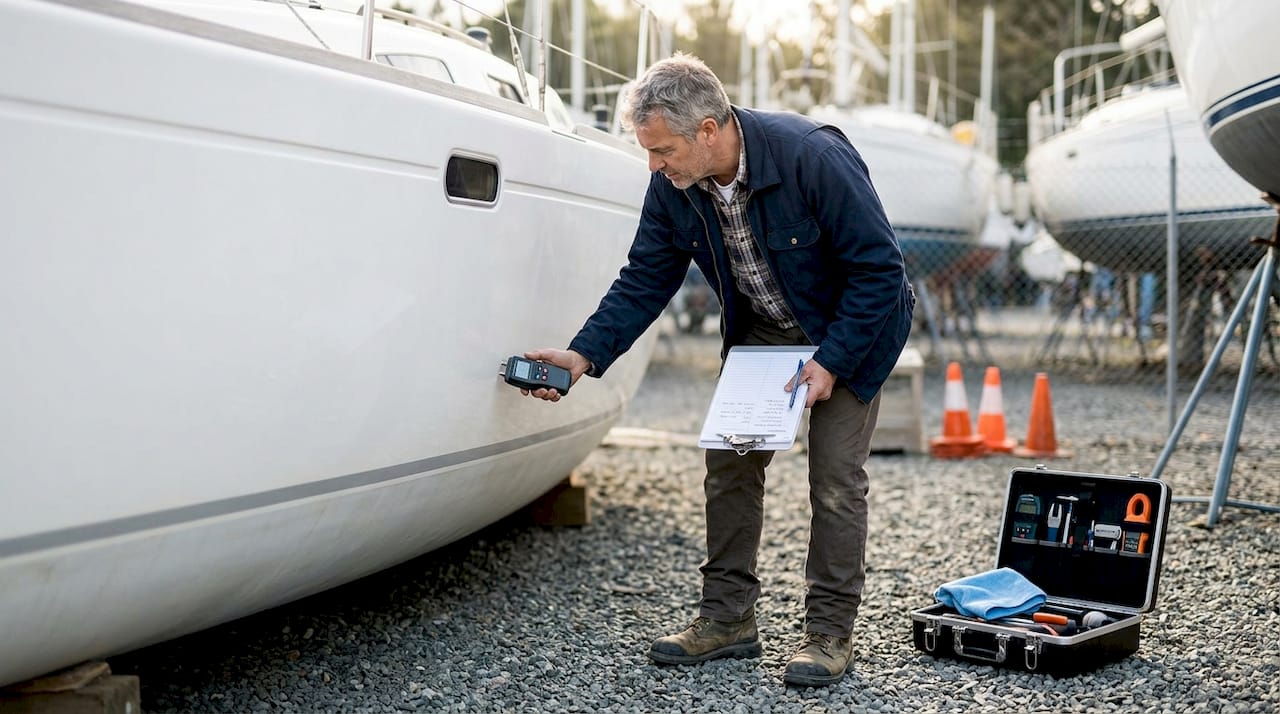
Here is how those priorities typically break down:
| Priority level | Description | Examples |
|---|---|---|
| Essential | Safety-critical or structurally significant | Keel bolt corrosion, hull delamination |
| Intermediate | Important but not immediately dangerous | Engine wear, outdated wiring |
| Cosmetic | Aesthetic or minor functional issues | Teak surface wear, minor upholstery damage |
The hull and keel receive the most scrutiny, and for good reason. Hull-related repairs are consistently the costliest findings in any survey, with osmosis, delamination, and corrosion capable of generating repair estimates that dwarf the surveyor’s fee many times over.
Beyond the hull, surveyors assess:
- Engines and generators: Hours logged, oil condition, visible leaks, exhaust smoke, and wear patterns
- Electrical systems: Panel condition, wiring age, grounding, and shore power connections
- Plumbing and HVAC: Hose integrity, through-hull fittings, bilge pump function, and air handling
- Safety equipment: Life raft certification dates, flare expiration, fire suppression systems, and EPIRB registration
- Electronics and navigation: Chartplotter accuracy, radar function, VHF radio, and AIS transponder status
Understanding yacht brokerage compliance means recognizing that many of these items are not just survey concerns. They are legal and regulatory requirements. A well-prepared buyer who has already completed a thorough yacht viewing process will arrive at the survey with a sharper eye and better questions.
Let’s pull back the curtain further: how do surveyors actually carry out these in-depth vessel inspections?
How yacht surveys are performed: Process and technologies
Modern yacht surveys are far more sophisticated than a walk-around with a clipboard. Today’s surveyors deploy an impressive array of non-destructive testing tools that reveal what the eye simply cannot see.
The typical survey process unfolds in these stages:
- Pre-inspection preparation: The surveyor reviews available documentation, maintenance logs, and any prior survey reports.
- On-dock visual inspection: A thorough above-waterline examination of the hull, deck hardware, rigging, and superstructure.
- Haul-out inspection: The vessel is lifted from the water so the surveyor can examine the hull bottom, keel, rudder, propellers, and through-hull fittings directly.
- Systems checks: All mechanical, electrical, plumbing, and safety systems are tested under load where possible.
- Sea trial: The vessel is operated at various speeds and headings to assess engine performance, handling, and onboard systems under real conditions.
The methodologies used include moisture meters, ultrasound for hull thickness measurement, percussion sounding, thermal imaging, oil analysis, and borescope cameras for engine inspection, with the hull scraped clean before readings are taken.
“A borescope inspection of the engine cylinders can reveal wear patterns that would otherwise only surface after catastrophic failure at sea.”
Pro Tip: Ask your surveyor whether oil analysis is included. A simple oil sample can reveal metal particle contamination that signals imminent engine failure, potentially saving you from a six-figure refit.
The latest yachting trends and tech have made thermal imaging particularly valuable, as it can detect moisture intrusion behind interior panels without a single fastener being removed. For buyers evaluating a vessel’s true condition, these tools are not luxuries. They are necessities. Understanding how survey findings influence yacht pricing strategy also gives you a sharper negotiating edge once the report lands in your hands.
With a clear grasp of how surveys work, let’s translate these insights into direct benefits for yacht buyers and owners.
Top benefits of a yacht survey for buyers and owners
The financial case for commissioning a survey is straightforward. The potential savings from uncovering hidden defects can reach tens or even hundreds of thousands of dollars, making the surveyor’s fee one of the most efficient investments in any yacht transaction.
Here is what a quality survey delivers:
- Defect identification before closing: You know exactly what you are buying, with no unwelcome surprises after funds transfer.
- Negotiating leverage: A survey report listing essential repairs gives you documented grounds to renegotiate the purchase price or require seller remediation.
- Long-term budget clarity: Intermediate and cosmetic findings help you plan for future maintenance and upgrades with realistic cost estimates.
- Insurance and financing compliance: Most underwriters and lenders require a current survey before binding coverage or approving a marine loan.
- Peace of mind: There is an unparalleled sense of confidence that comes from knowing your vessel has been independently verified.
“Missing a single hull issue could cost six figures. The survey fee is not a cost. It is an investment in certainty.”
For anyone navigating the full journey of buying a yacht, the survey is the moment where aspiration meets accountability. It is where the dream of ownership is tested against reality, and where informed buyers separate themselves from those who simply hope for the best.
Before wrapping up, let’s address critical questions every buyer should ask to get the most from a yacht survey.
Key questions to ask before and after your yacht survey
Choosing the right surveyor is as important as the survey itself. Before you engage anyone, ask these questions to verify their credentials and approach:
- Are you certified by SAMS (Society of Accredited Marine Surveyors) or NAMS (National Association of Marine Surveyors)?
- How many surveys have you completed on vessels of this type, size, and construction?
- Will a haul-out and sea trial be included, or are those separate arrangements?
- What non-destructive testing tools do you use, and are they included in your fee?
- How long will the written report take to deliver after the survey is complete?
Once the report is in hand, the conversation shifts to the seller. Key questions to raise include:
- Which essential defects will you repair or credit before closing?
- Can you provide service records or receipts for any recent repairs listed in the survey?
- Are there any known issues not captured in the survey that we should discuss?
Interpreting the survey’s defect categories correctly is critical. Essential items are non-negotiable. Intermediate items are your negotiating currency. Cosmetic items are yours to accept or budget for post-purchase. A skilled broker who understands the full range of questions to ask yacht brokers can help you interpret findings and structure a counteroffer that protects your position without derailing the deal.
Armed with this knowledge, let’s see how expert assistance connects you to smoother transactions and lasting value.
Get expert support for your next yacht purchase or sale
Navigating a yacht survey, interpreting the findings, and translating them into a sound negotiating position requires more than a checklist. It requires experience. At Yachts by Steve, we guide discerning buyers and sellers through every stage of the transaction, from initial vessel selection to survey coordination and closing. Choosing a yacht broker with deep market knowledge means you are never reading a survey report alone. Our team understands expert yacht brokerage at the highest level, ensuring that every finding is contextualized, every negotiation is strategic, and every client walks away with confidence. Explore our resources on yacht specification essentials to deepen your understanding before your next survey.
Frequently asked questions
How long does a yacht survey typically take?
Most yacht surveys take one to three days on-site, with the written report typically delivered within a week. Complex or larger vessels may require additional time for haul-out scheduling and systems testing.
How often do I need a new yacht survey for insurance?
Most insurers require a survey every 3 to 5 years. Older vessels or those used commercially may face annual survey requirements to maintain coverage.
What are the most common problems found in yacht surveys?
The most frequent findings involve hull issues like osmosis or delamination, engine wear, plumbing leaks, and safety equipment that is expired or out of compliance.
Can I negotiate the price of a yacht after the survey?
Absolutely. A survey report that lists defects by priority gives you documented leverage to renegotiate the purchase price, request seller repairs, or walk away from a deal that no longer makes financial sense.
Recommended
Featured Listings
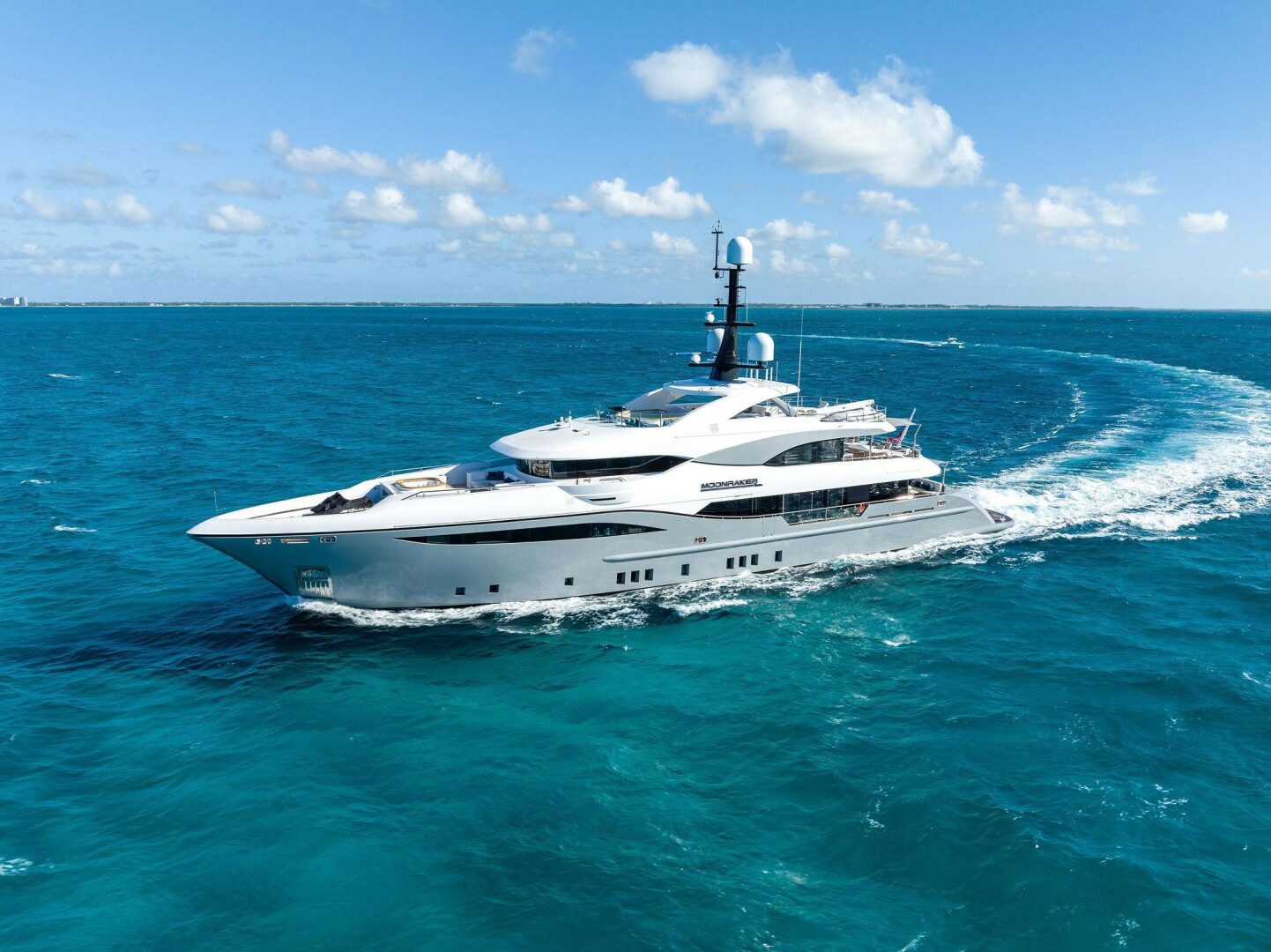
2019 Bilgin MOONRAKER
$21,404,500
156
West Palm Beach Florida

2028 Columbus Yachts
$22,900,008
137
Ancona
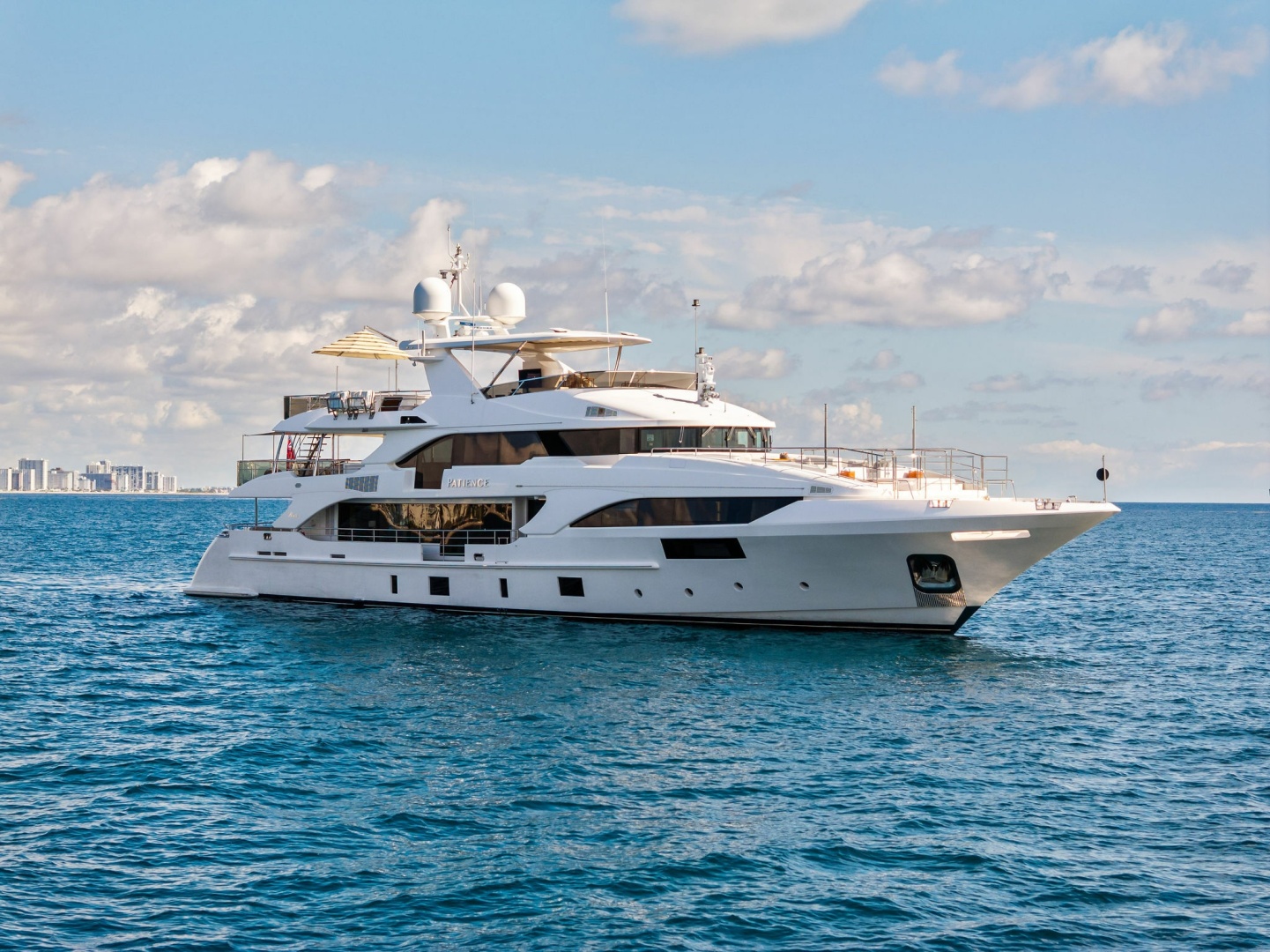
2012 Benetti PATIENCE
$10,975,000
132
Fort Lauderdale Florida
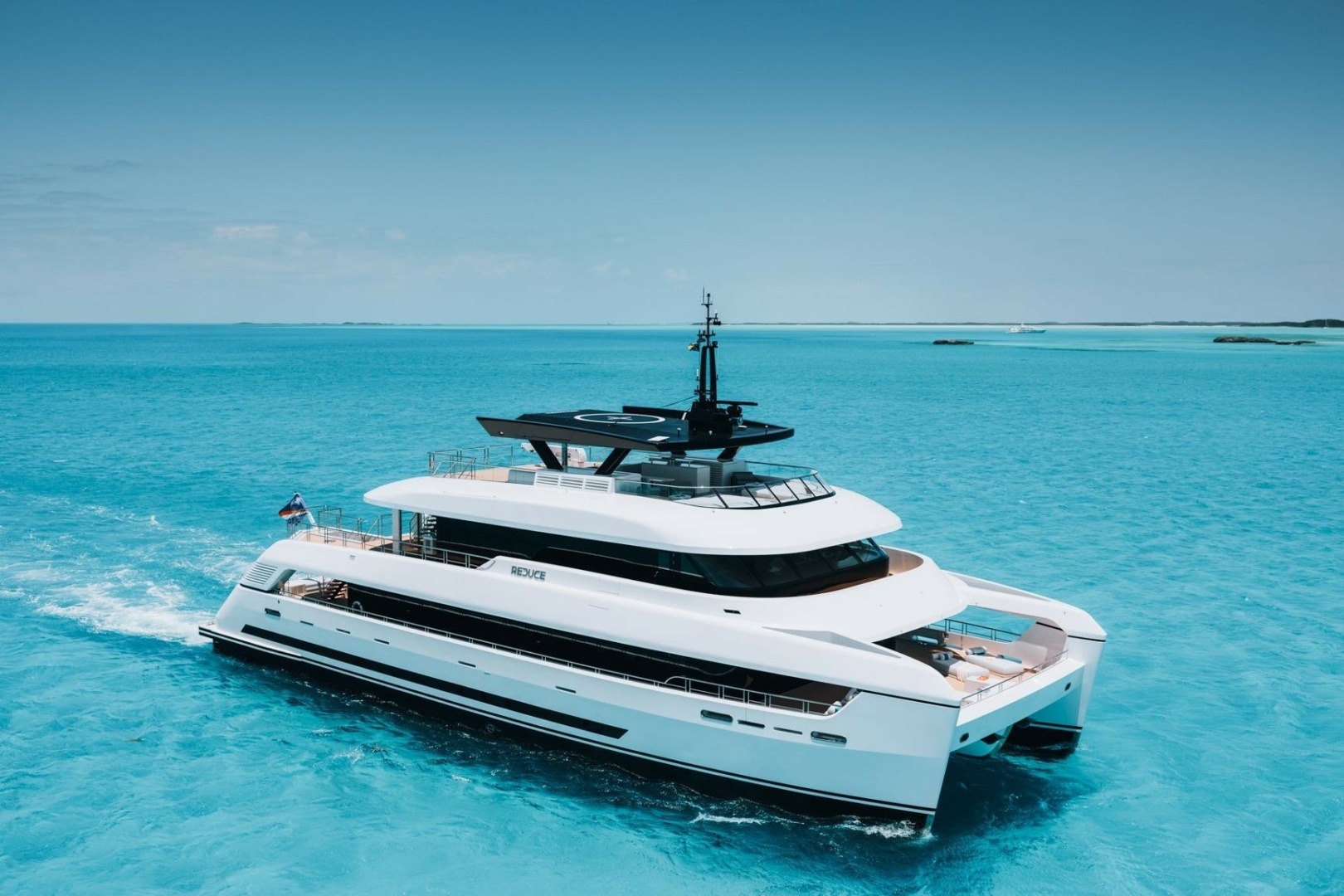
2024 Silver Yachts
$25,400,000
117
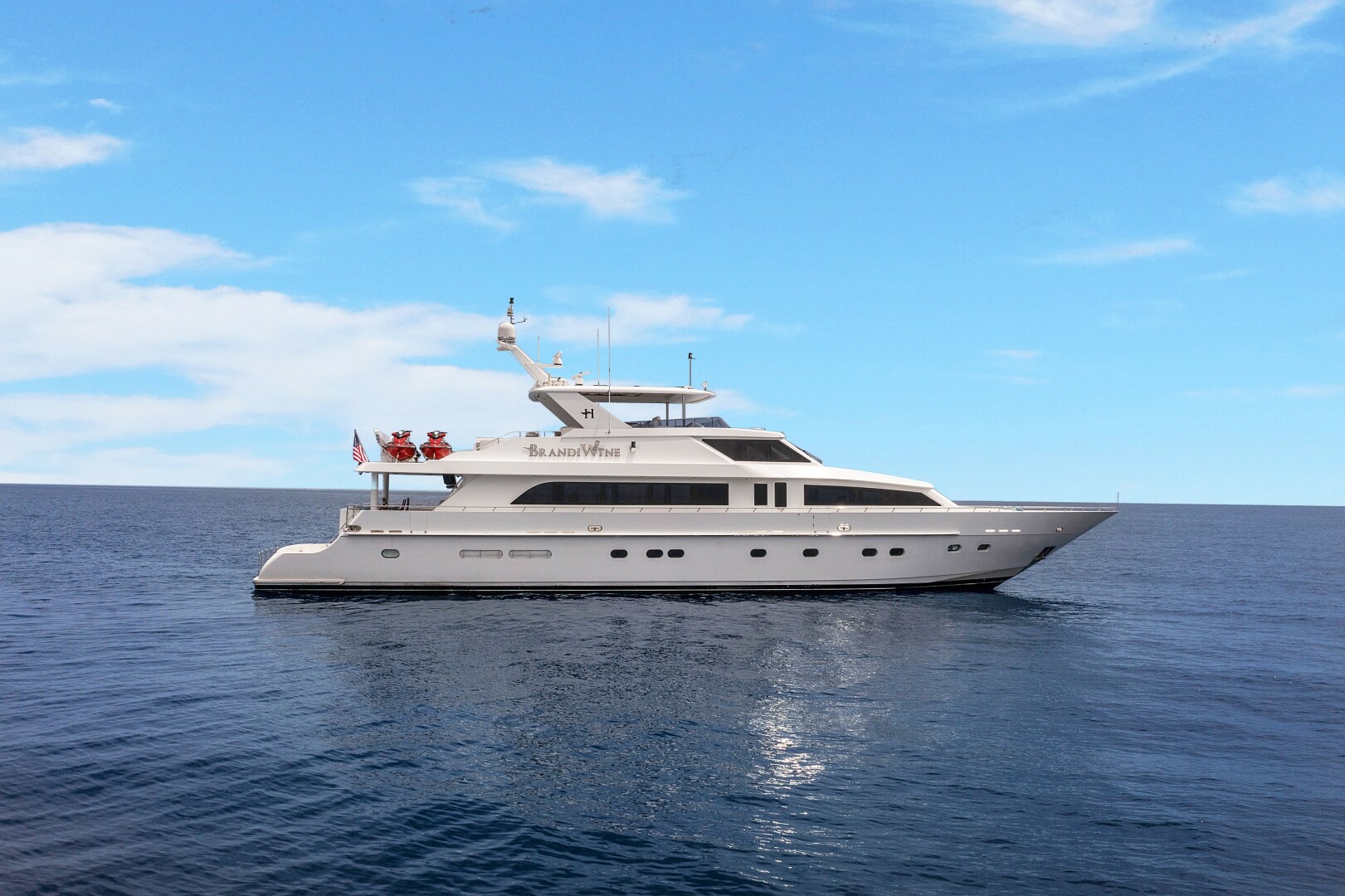
2009 Hargrave BRANDI WINE
$2,995,000
114
Fort Lauderdale Florida

2028 Extra Yachts
$21,404,500
100
Ancona

2028 Extra Yachts Extra 96
$9,495,000
96
Ancona
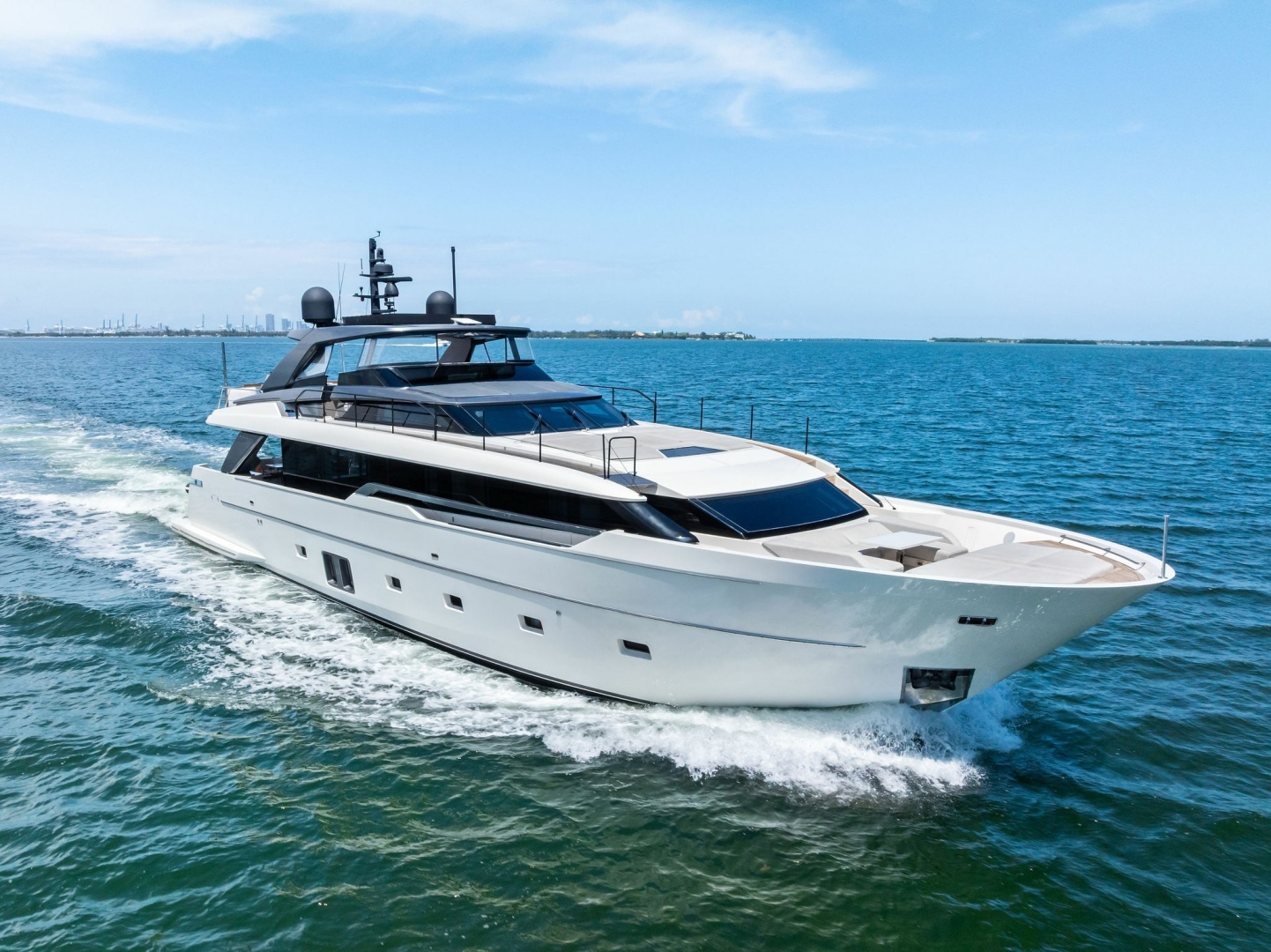
2021 Sanlorenzo GATSBY
$6,795,000
96
Miami Beach Florida

1999 Northern Marine OFF LINE
$2,495,000
84
Ft Lauderdale Florida
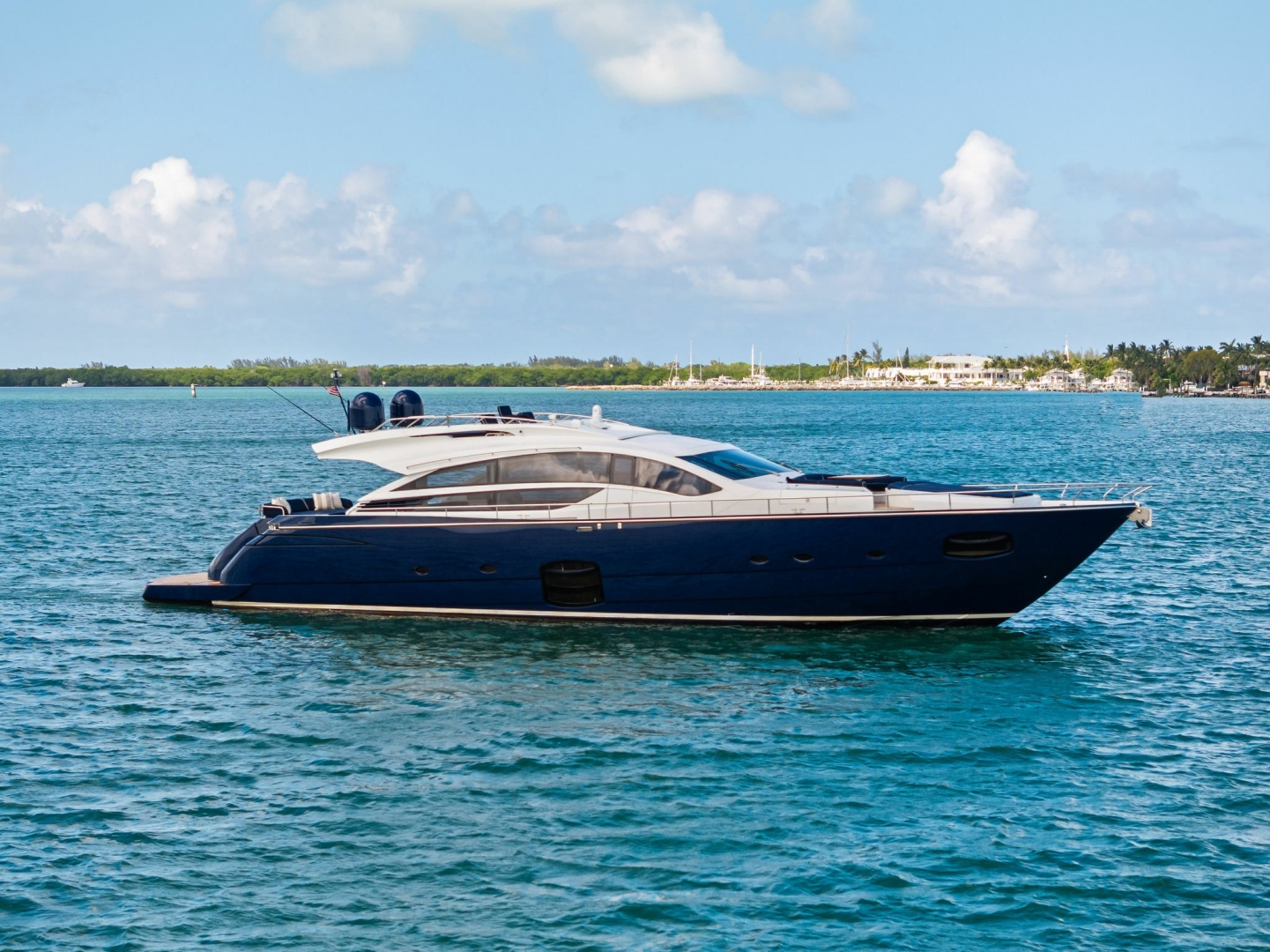
2013 Pershing DOROTHY ANN
$1,750,000
82
Miami Beach Florida

1997 Ferretti Yachts
$850,000
80
La Paz
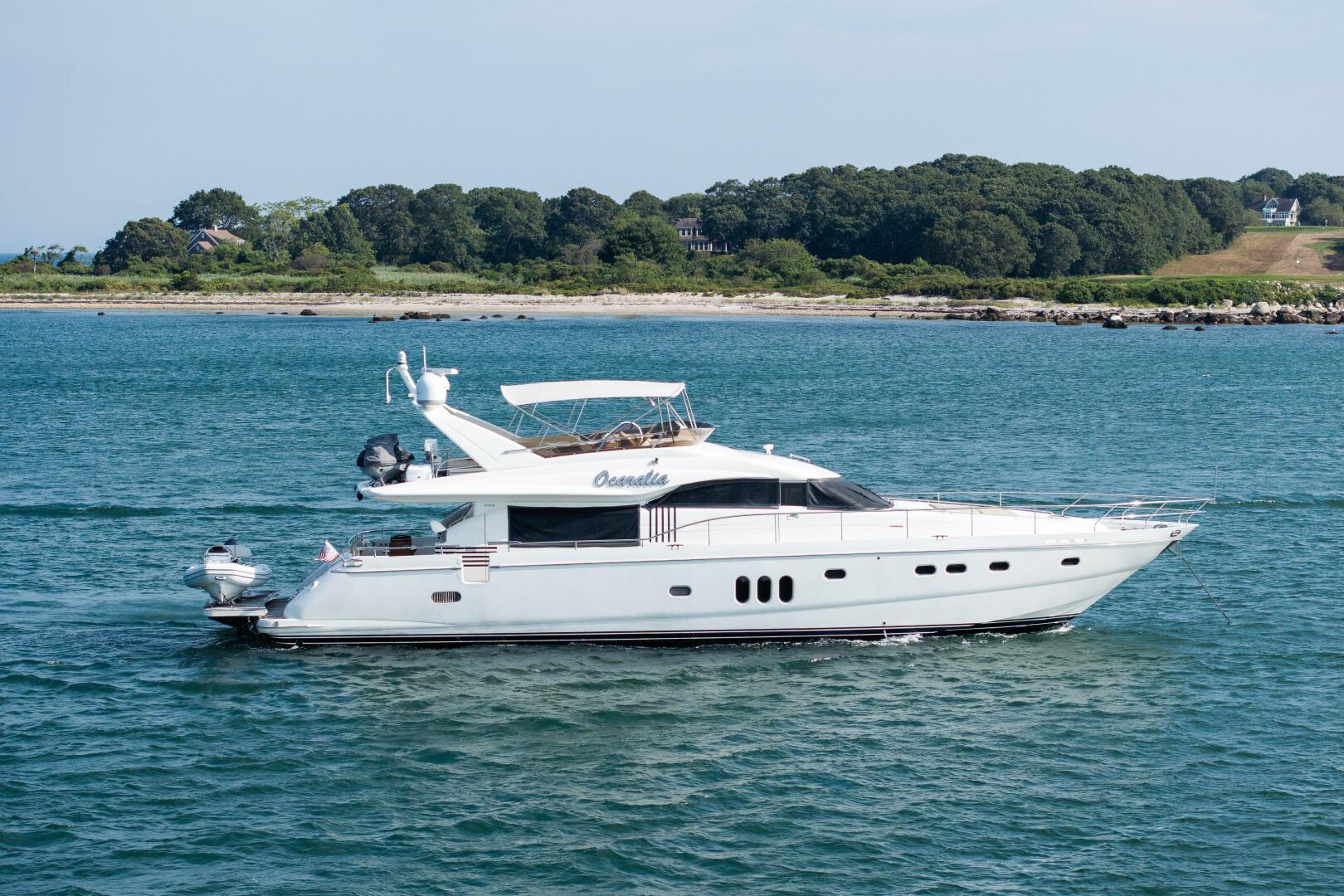
2008 Princess Yachts OCARALIA
$1,095,000
75
Charleston South Carolina
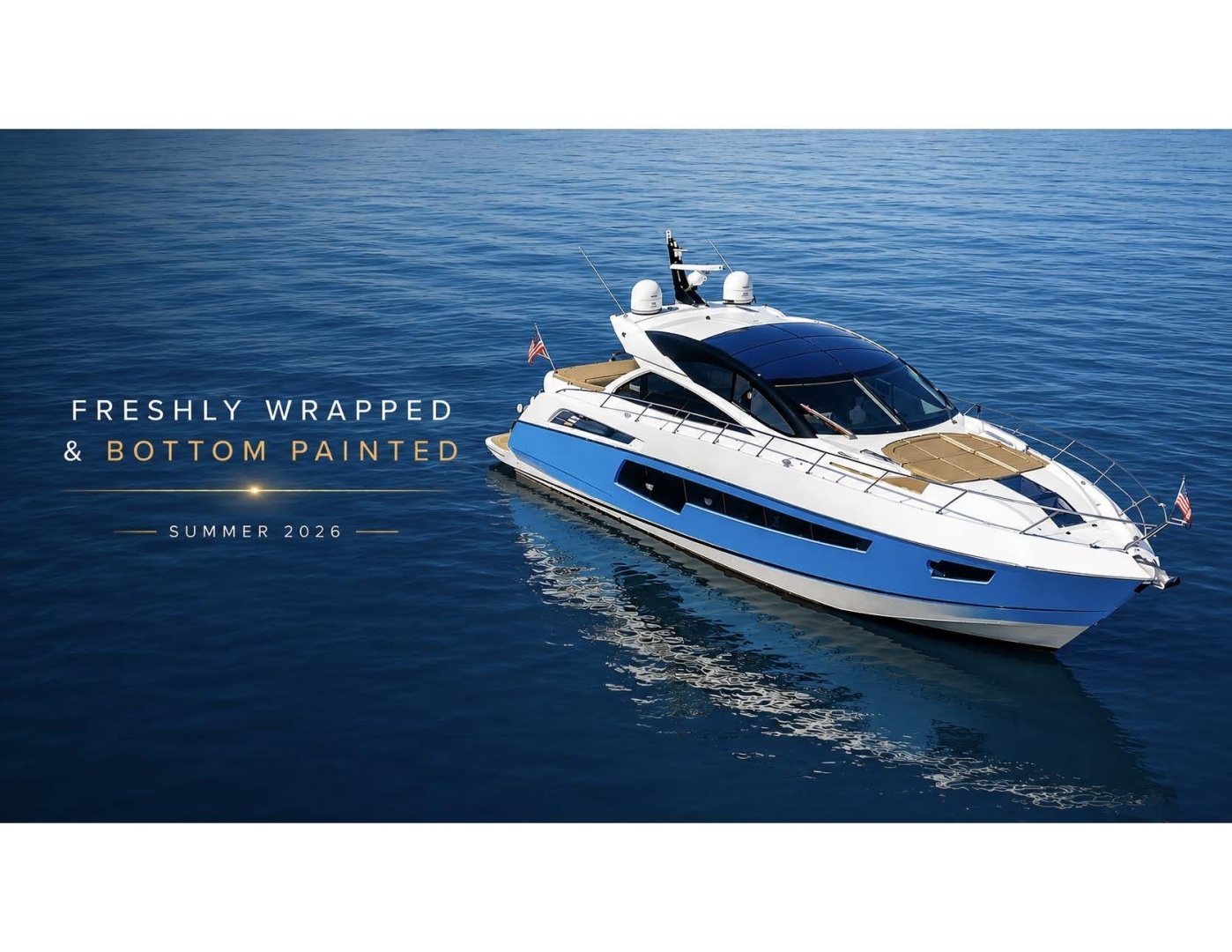
2014 Sunseeker
$1,400,000
68
New York New York

2024 Fairline
$2,750,000
68
Ft. Lauderdale Florida

2024 Sunreef Catallaxi
$3,700,000
60
Newport Rhode Island
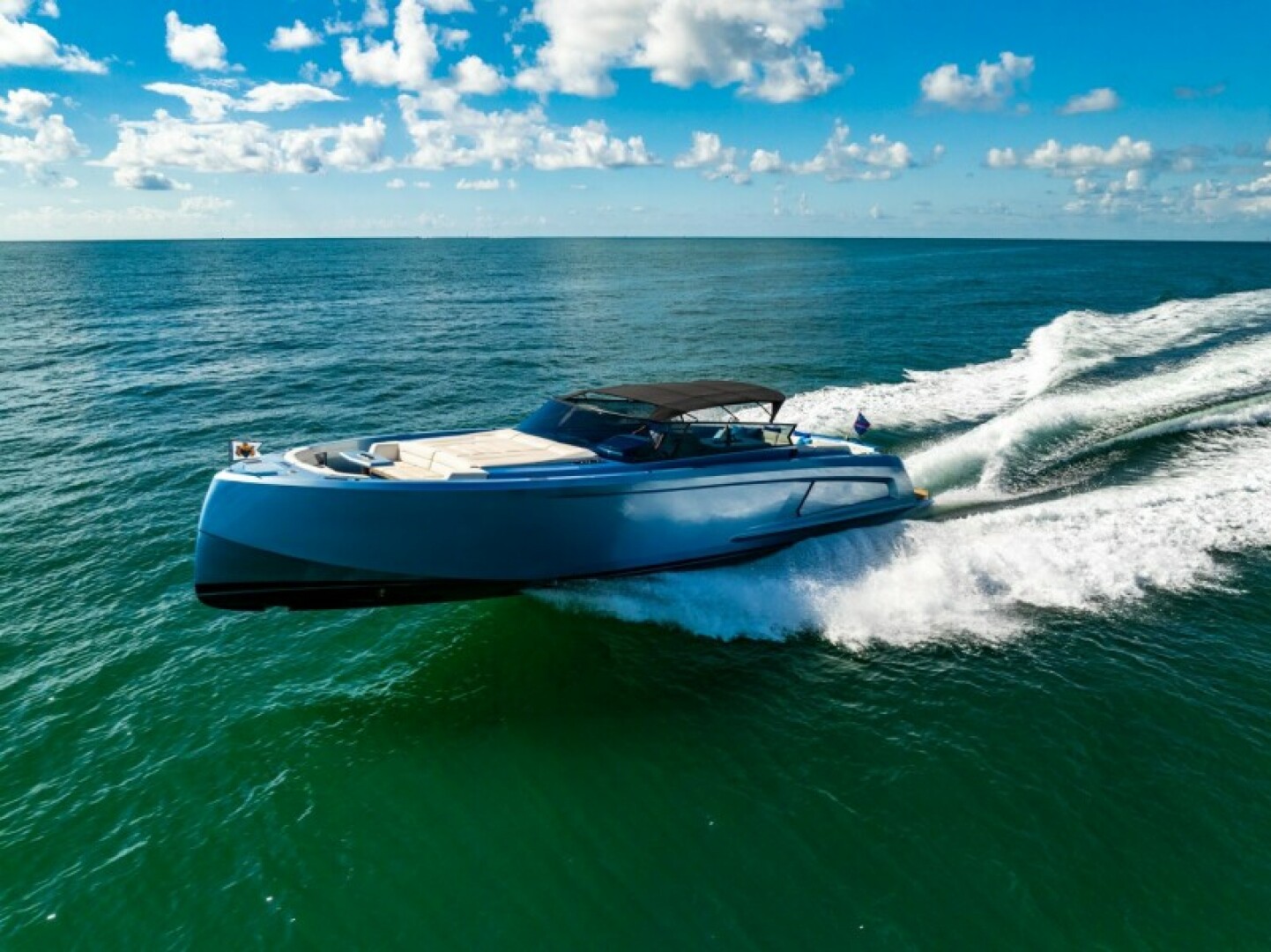
2019 Vanquish Yachts IMPULSIVE
$1,799,000
58
Miami Beach Florida
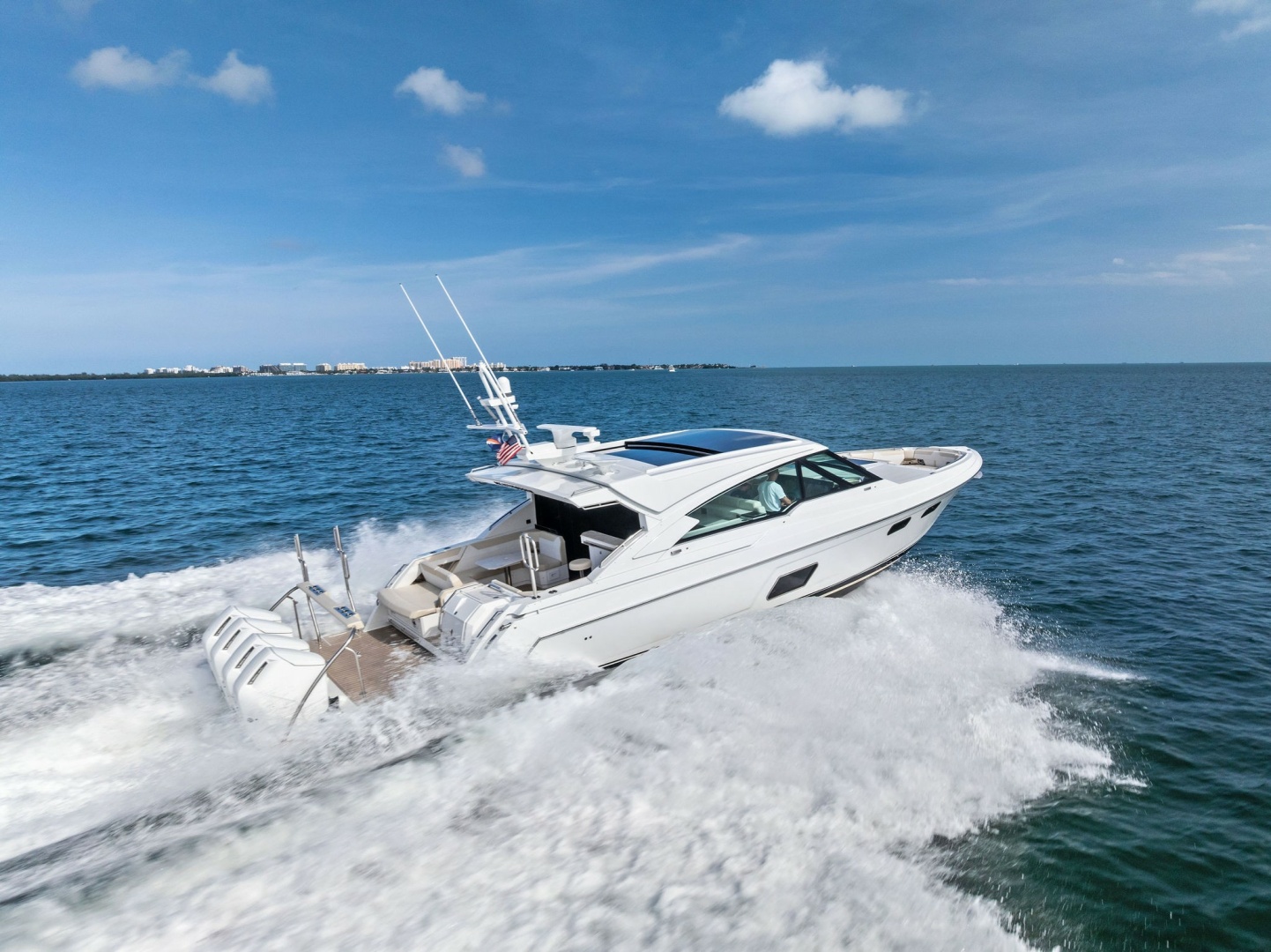
2025 Formula BREAKTHROUGH III
$1,895,000
53
Miami Beach Florida

2023 Fairline
$900,000
45
Fort Lauderdale Florida
2012 Zeelander Mississippi Queen
$575,000
44
West Palm Beach Florida
2019 Bilgin 156'
$21,404,500
2028 Columbus Yachts 137'
$22,900,008
2012 Benetti 132'
$10,975,000
2024 Silver Yachts 117'
$25,400,000
2009 Hargrave 114'
$2,995,000
2028 Extra Yachts 100'
$21,404,500
2028 Extra Yachts 96'
$9,495,000
2021 Sanlorenzo 96'
$6,795,000
1999 Northern Marine 84'
$2,495,000
2013 Pershing 82'
$1,750,000
1997 Ferretti Yachts 80'
$850,000
2008 Princess Yachts 75'
$1,095,000
2014 Sunseeker 68'
$1,400,000
2024 Fairline 68'
$2,750,000
2024 Sunreef 60'
$3,700,000
2019 Vanquish Yachts 58'
$1,799,000
2025 Formula 53'
$1,895,000
2023 Fairline 45'
$900,000
2012 Zeelander 44'
$575,000