

Quick Summary
- Proper tax planning can reduce net yacht ownership costs by 30 to 40 percent.
- US bonus depreciation allows full first-year deductions if used over 50% for business.
- EU VAT, state taxes, and leasing strategies significantly impact overall tax efficiency.
- Always consult your tax advisor for your unique situation
Few financial decisions carry the weight of a yacht purchase, and yet the tax dimension is where many affluent owners quietly leave the most money on the table. The Big Beautiful Bill now enables qualifying U.S. buyers to claim 100% bonus depreciation in the first year on yachts used over 50% for business, a provision that can translate into seven-figure write-offs on a single purchase. Meanwhile, EU VAT rules, state-by-state sales tax disparities, and cross-border leasing programs create a layered landscape where the informed owner thrives and the unprepared one overpays. This article breaks down the core strategies, the real risks, and how to apply them with precision.
Table of Contents
- Why yacht tax planning matters: Wealth preservation and ownership costs
- US yacht tax landscape: Bonus depreciation, state taxes, and business use
- EU VAT and cross-border considerations: Import, leasing, and commercial status
- From theory to application: Crafting your optimal yacht tax strategy
- The uncomfortable truth about yacht tax strategies most owners miss
- Expert guidance for strategic yacht tax planning
- Frequently asked questions
Key Takeaways
| Point | Details |
|---|---|
| Tax strategy slashes costs | Smart planning can reduce yacht ownership costs by 30-40% using charter, bonus depreciation, and VAT strategies. |
| Location drives tax outcome | Where you buy, register, and use your yacht changes sales tax, use tax, and VAT impacts dramatically. |
| Compliance is critical | Proving business use, keeping logs, and following EU/US rules is vital to retain tax benefits and avoid penalties. |
| Expert advice pays dividends | Partnering with experienced yacht advisors unlocks complex savings and avoids costly legal missteps. |
Why yacht tax planning matters: Wealth preservation and ownership costs
Owning a luxury yacht is one of life’s most rewarding pursuits, but the financial reality is equally demanding. Running costs alone typically consume 10 to 15% of a yacht’s value annually, meaning a $10 million vessel can cost $1 million to $1.5 million per year just to operate. Tax obligations layer on top of that. Without a deliberate strategy, ownership becomes a far heavier burden than it needs to be.
The encouraging truth is that well-structured tax planning can reduce net ownership costs by 30 to 40%. Charter income, bonus depreciation, and VAT optimization are the three primary levers. Each works differently, and the most effective approach often combines all three in a coordinated plan. This is why thinking of luxury yacht investment through a tax lens from the very beginning is so important.
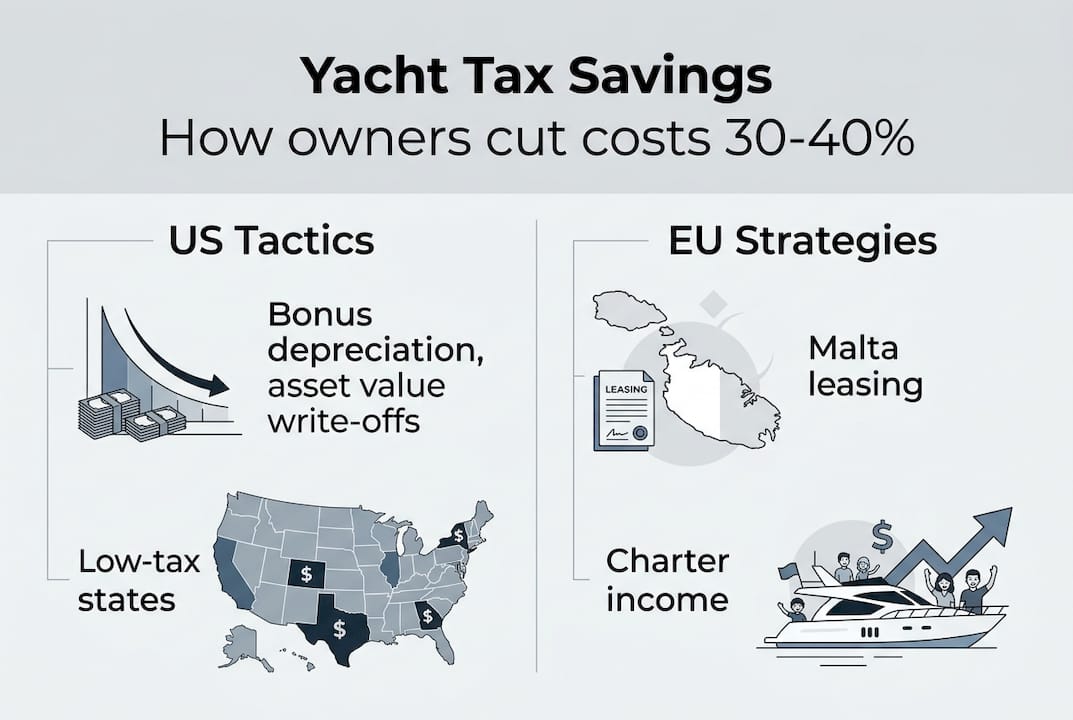
| Scenario | $10M yacht: Annual cost estimate |
|---|---|
| No tax strategy | $1.2M to $1.5M per year |
| Charter income only | $900K to $1.1M per year |
| Bonus depreciation (Year 1) | Significant first-year offset |
| Full optimized strategy | 30 to 40% net cost reduction |
The levers available to you include:
- Charter income: Offsetting operating costs while qualifying for business-use deductions
- Bonus depreciation: Accelerating the full purchase cost as a first-year deduction
- VAT planning: Structuring ownership and use to minimize EU VAT exposure
- State selection: Registering and basing your yacht in favorable tax jurisdictions
Pro Tip: Engage a tax-savvy yacht advisor before you sign any purchase agreement. The structure you choose at closing determines which benefits you can access, and some elections cannot be made retroactively.
US yacht tax landscape: Bonus depreciation, state taxes, and business use
The U.S. tax environment for yacht owners shifted meaningfully in 2025. Under the Big Beautiful Bill, buyers who purchased a qualifying yacht after January 19, 2025 can deduct 100% of the purchase price in the first year, provided the vessel is used more than 50% for legitimate business purposes such as chartering. On a $3 million yacht, that is a $3 million first-year deduction. The tax savings at a 37% marginal rate exceed $1.1 million.
To access this benefit, you must meet the predominant use test and demonstrate a genuine profit motive. The IRS scrutinizes yacht businesses carefully, so documentation is everything. Detailed captain’s logs, charter contracts, income records, and a credible business plan are non-negotiable. Hobby loss rules will disallow the deduction if the activity does not look like a real business.
Steps to maximize U.S. tax advantages:
- Confirm the yacht qualifies as listed property with predominant business use
- Establish a legitimate charter operation with documented income and expenses
- Register in a tax-favorable state from the outset
- Maintain meticulous usage logs separating personal and business hours
- Work with a maritime tax attorney to structure the ownership entity correctly
- Plan for depreciation recapture if you sell within the asset’s recovery period
State selection is equally consequential. Delaware and Alaska impose 0% sales tax and no personal property tax on yachts. Florida charges 6% sales tax but caps the total at $18,000, making it attractive for high-value purchases. California, by contrast, levies 7.5 to 10.25% with no cap, plus annual property tax. Understanding ownership structures for tax savings and tax implications by location before you commit to a state can save you hundreds of thousands.

| State | Sales tax | Property tax | Notes |
|---|---|---|---|
| Delaware | 0% | None | Ideal for registration |
| Alaska | 0% | None | Remote but favorable |
| Florida | 6% (capped $18K) | None on yachts | Popular choice |
| California | 7.5 to 10.25% | Yes, annual | Highest burden |
Pro Tip: Avoid keeping your yacht in a high-tax state for more than 90 days. Use tax applies when a vessel is present in a state long enough to trigger nexus, even if it was purchased elsewhere.
EU VAT and cross-border considerations: Import, leasing, and commercial status
For owners who cruise European waters, VAT is the dominant tax variable. The EU imposes a full VAT rate of 20 to 24% on yachts with paid status, depending on the member state. On a 5 million euro yacht, that is a potential liability of 1 to 1.2 million euros. Understanding your options before you arrive in EU waters is essential.
Non-EU owners have three primary paths to consider:
- Temporary Admission (TA): Allows a non-EU flagged yacht to cruise EU waters VAT-free for up to 18 months. The yacht must be owned and operated by a non-EU resident. Strict compliance is required; any breach triggers the full VAT liability immediately.
- Malta leasing program: Structures the purchase through a Maltese company, reducing the effective VAT rate based on the proportion of time spent outside the EU. Longer offshore itineraries mean lower effective rates.
- Commercial status: Yachts operating commercially and spending more than 50% of their time outside the EU may qualify for VAT exemptions, though compliance requirements are rigorous.
| Option | VAT exposure | Key requirement |
|---|---|---|
| VAT-paid status | Full rate (20 to 24%) | Permanent EU presence |
| Temporary Admission | Zero for 18 months | Non-EU owner, non-EU flag |
| Malta leasing | Reduced (varies) | Maltese entity, non-EU use |
| Commercial exemption | Potentially zero | >50% outside EU, commercial ops |
Exploring reducing VAT via Malta programs is particularly worthwhile for owners who split their time between the Mediterranean and the Caribbean or Pacific. The luxury yacht types you consider also influence which structures are most practical. For a broader perspective on why ownership still makes compelling financial sense, the yacht investment case is worth reviewing alongside these tax considerations.
Pro Tip: A single administrative error under Temporary Admission can trigger a VAT bill equal to 20 to 24% of your yacht’s full market value. Appoint a qualified customs agent before you enter EU waters, not after.
From theory to application: Crafting your optimal yacht tax strategy
Knowing the rules is one thing. Applying them to your specific situation requires a structured approach. The starting point is a clear decision about how you intend to use the yacht: primarily personal, primarily commercial, or a genuine blend of both. That single decision determines which tax benefits are available and which compliance obligations follow.
Steps for structuring a tax-optimized purchase:
- Define your primary use case before engaging any broker or attorney
- Select your ownership jurisdiction and entity structure in coordination with a maritime attorney
- Choose your registration state or flag state based on your cruising itinerary
- Establish charter agreements and business infrastructure if claiming business use
- Document all usage from day one with detailed logs and financial records
- Schedule annual reviews with your tax advisor to capture new opportunities and address changes in law
The right team is as important as the right strategy. You need:
- A maritime tax attorney who understands both U.S. and international yacht law
- A CPA specializing in high-net-worth clients with yacht or aviation experience
- A professional yacht manager to handle compliance, charter operations, and documentation
- A trusted yacht broker who can structure the transaction to support your tax goals from the outset
The contrast between U.S. and EU approaches is worth noting. U.S. bonus depreciation rewards chartering and business use with immediate, substantial deductions. EU commercial status offers VAT relief but demands strict operational compliance and significant time outside European waters. Pure personal use is simpler to manage but carries the highest tax burden in both jurisdictions.
Engaging professional yacht management from the start ensures that the operational reality of your ownership aligns with the legal and tax structure you have built.
Pro Tip: Build your compliance and documentation systems before the yacht is delivered. Retrofitting record-keeping after the fact is costly, stressful, and often insufficient to satisfy an IRS inquiry or EU customs review.
The uncomfortable truth about yacht tax strategies most owners miss
Here is what we observe again and again: owners invest serious energy into structuring the purchase correctly, then treat tax planning as a completed task. Laws change. Valuations shift. Cruising itineraries evolve. What was optimal at closing may be leaving significant savings uncaptured two years later.
Even seasoned owners can leave six-figure savings on the table simply by failing to revisit their structure annually. The 30 to 40% cost reduction that disciplined tax planning enables is not a one-time event. It is the cumulative result of ongoing attention.
The overlooked ongoing strategies include:
- Annual reviews of charter income ratios and business use percentages
- Updated appraisals to reflect current market values for depreciation recapture planning
- Monitoring legislative changes in both U.S. and EU jurisdictions
- Reassessing flag state and registration as your itinerary changes
Reviewing your yacht value strategy alongside your tax structure each year ensures both remain aligned. The owners who capture the most value are not necessarily the ones who started with the most aggressive strategy. They are the ones who stayed engaged.
Expert guidance for strategic yacht tax planning
Navigating yacht taxes is not a solo endeavor, and the complexity only grows as your ownership evolves. At Yachts by Steve, we work alongside clients who want every advantage the market offers, from structuring the initial transaction to connecting you with the specialists who protect your investment over time. Choosing a yacht broker with genuine expertise in tax-aware transactions makes a measurable difference, and understanding what yacht brokerage truly involves helps you engage the right partner. For deeper insight into how location shapes your financial picture, explore our guide on tax-wise yacht buying strategies. The right guidance transforms complexity into confidence.
Frequently asked questions
How does bonus depreciation affect my yacht purchase in 2026?
If your yacht is used more than 50% for business purposes such as chartering, current U.S. law allows you to deduct 100% of the cost in the year of purchase, creating a potentially enormous first-year tax offset.
What is the Temporary Admission scheme for EU yachts?
Temporary Admission allows non-EU owners to cruise EU waters VAT-free for 18 months, provided the yacht is non-EU flagged and the owner is a non-EU resident. Breaching the conditions triggers the full VAT liability immediately.
Which US states offer the lowest yacht taxes?
Delaware and Alaska impose 0% sales tax and no property tax, while Florida caps sales tax at $18,000. California remains among the most expensive, with uncapped rates and annual property tax.
Do I need a business plan to qualify for yacht tax benefits?
Yes. The IRS requires proof of a genuine profit motive, detailed usage logs, and a credible business operation to avoid hobby loss disallowance. A well-documented charter business is the foundation of any U.S. tax benefit claim.
How much can a well-executed yacht tax strategy actually save?
A disciplined, multi-faceted approach can reduce total ownership costs by 30 to 40% over time, particularly when chartering, favorable state registration, and cross-border tax programs are combined strategically.
Recommended
Featured Listings
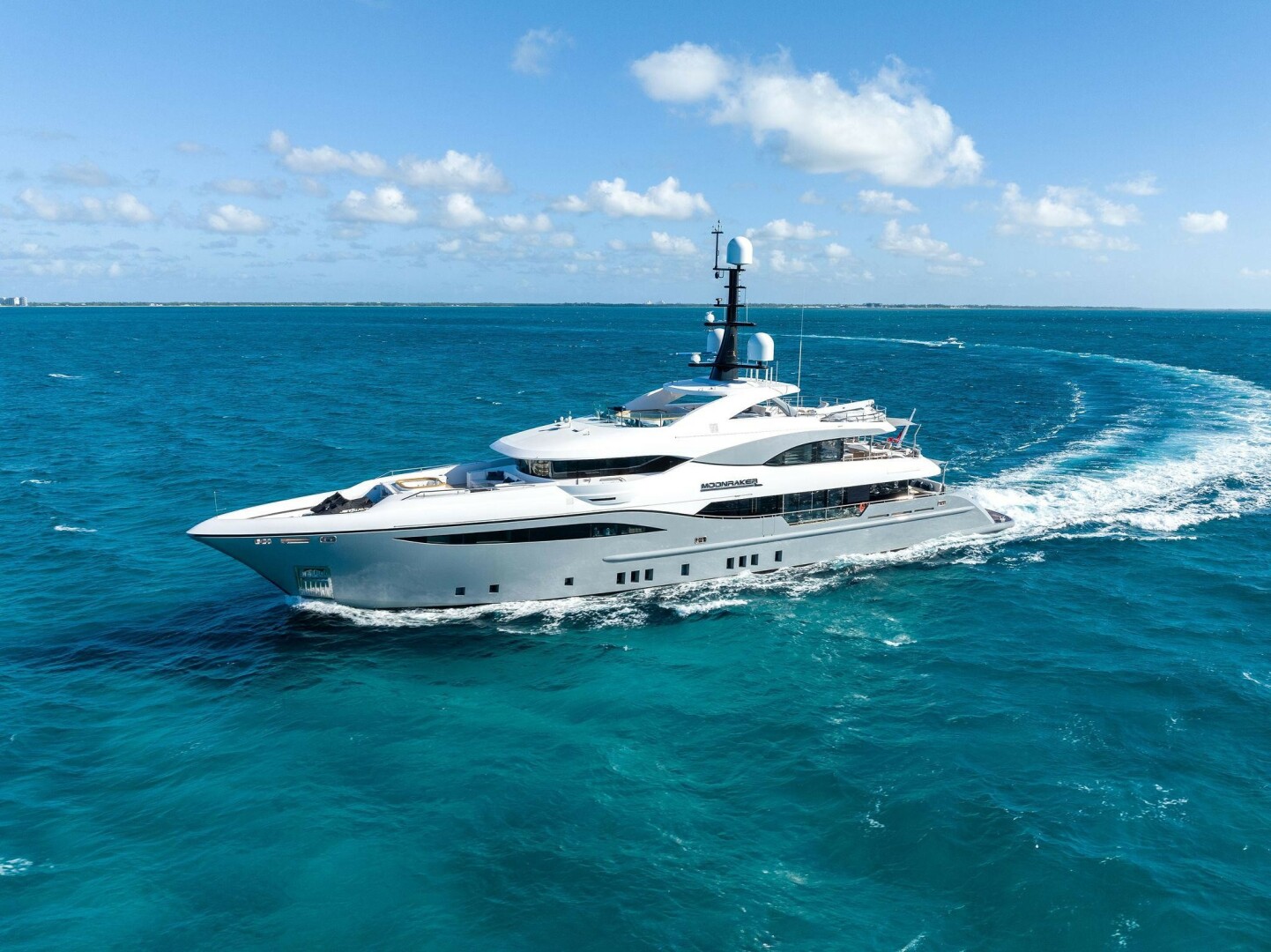
2019 Bilgin MOONRAKER
$20,646,000
156
West Palm Beach Florida

2028 Columbus Yachts
$22,900,008
137
Ancona
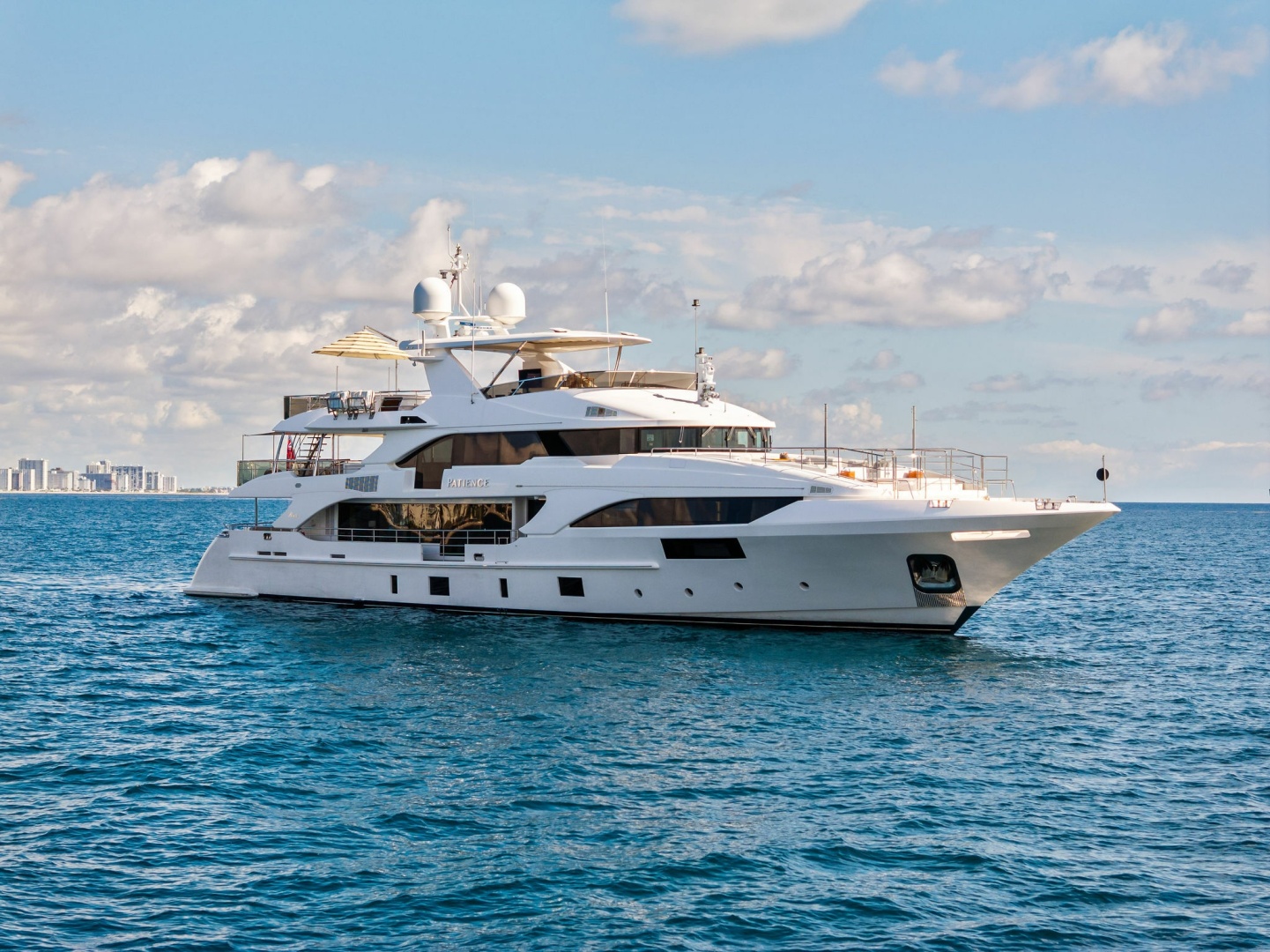
2012 Benetti PATIENCE
$10,975,000
132
Fort Lauderdale Florida
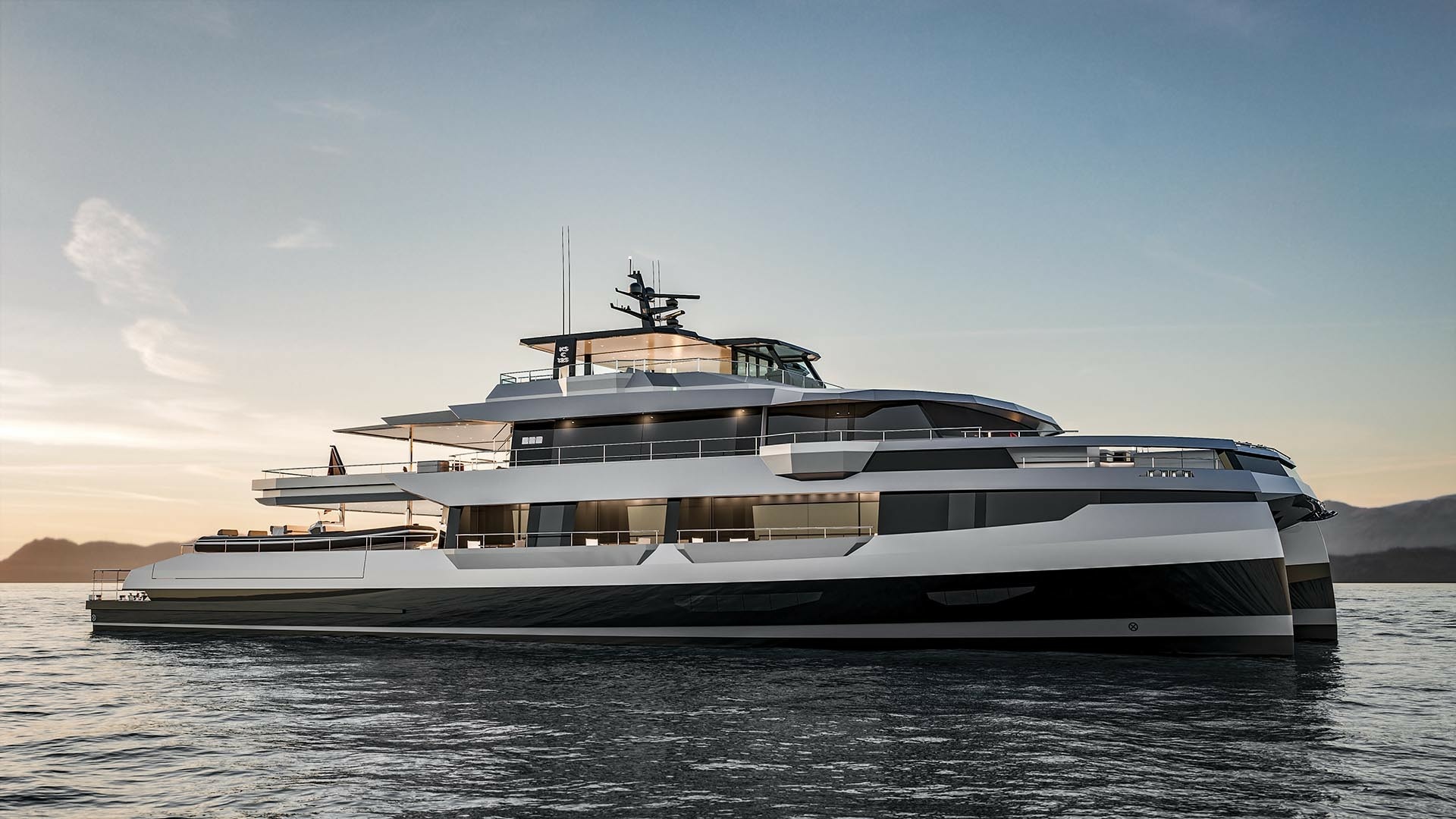
2028 Kingship Kingship
$20,000,000
125
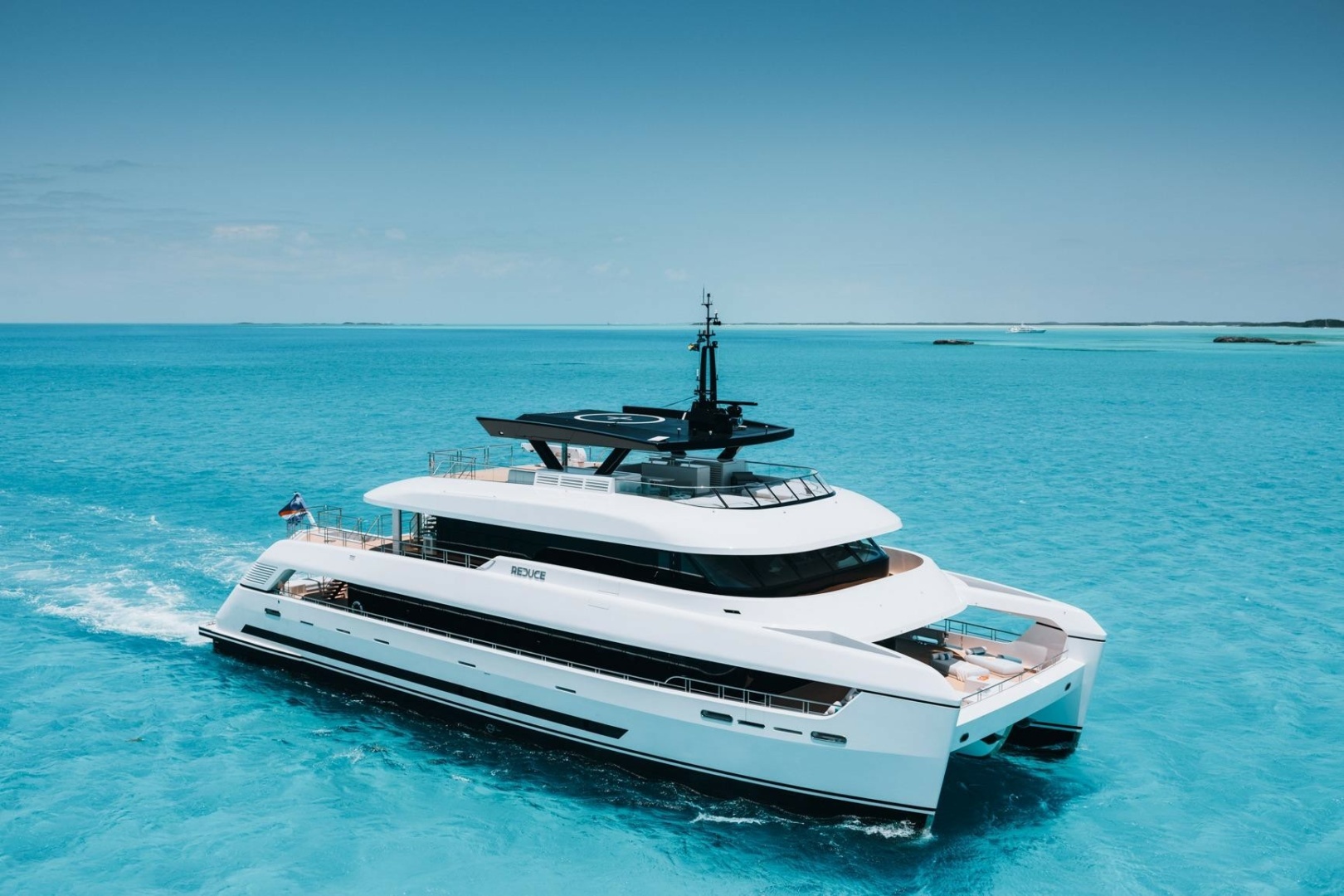
2024 Silver Yachts
$25,400,000
117
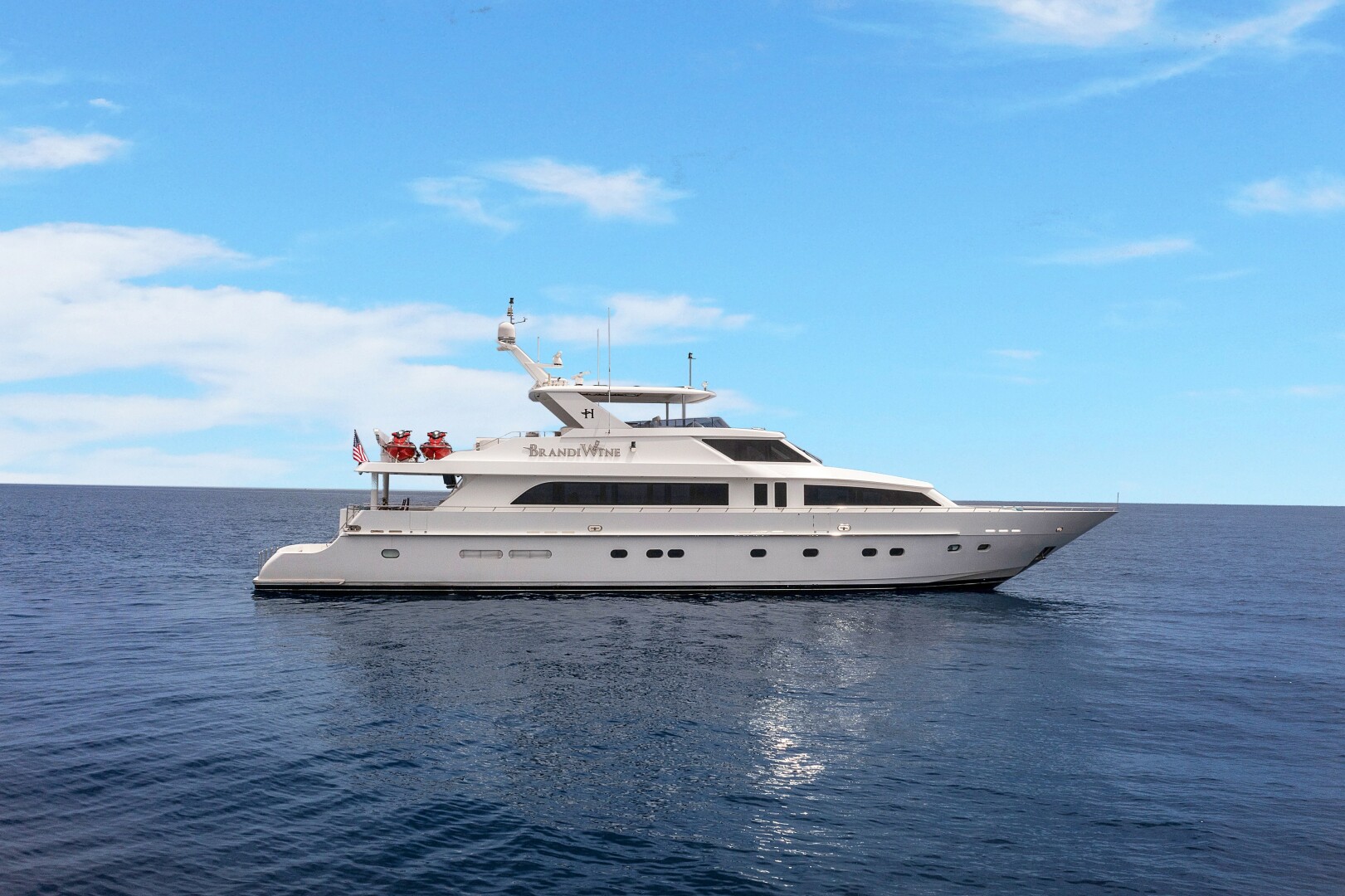
2009 Hargrave BRANDI WINE
$2,500,000
114
Fort Lauderdale Florida

2028 Extra Yachts
$20,646,000
100
Ancona
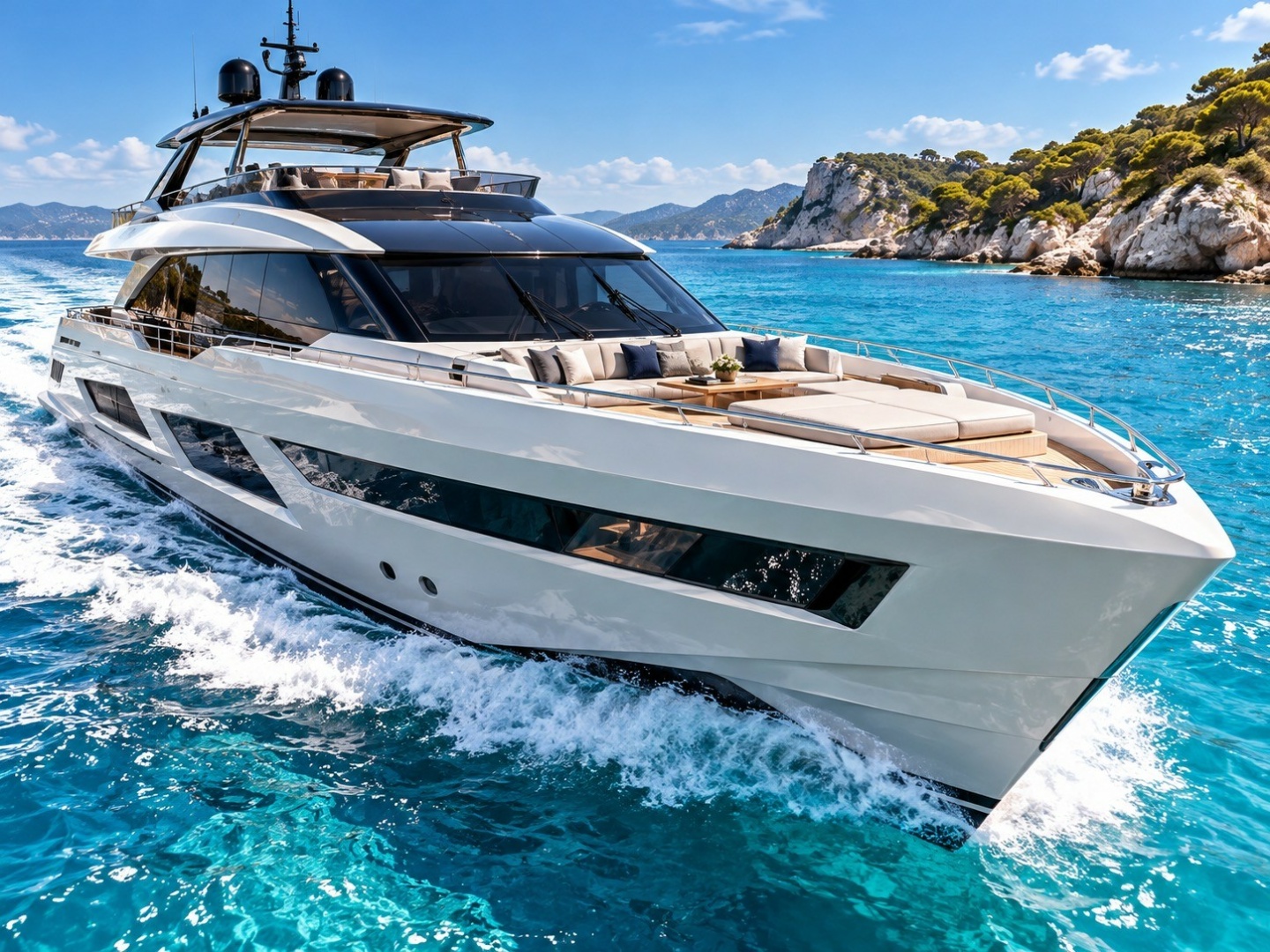
2028 Alpha
100
Ft Lauderdale Florida

2028 Extra Yachts Extra 96
$9,495,000
96
Ancona
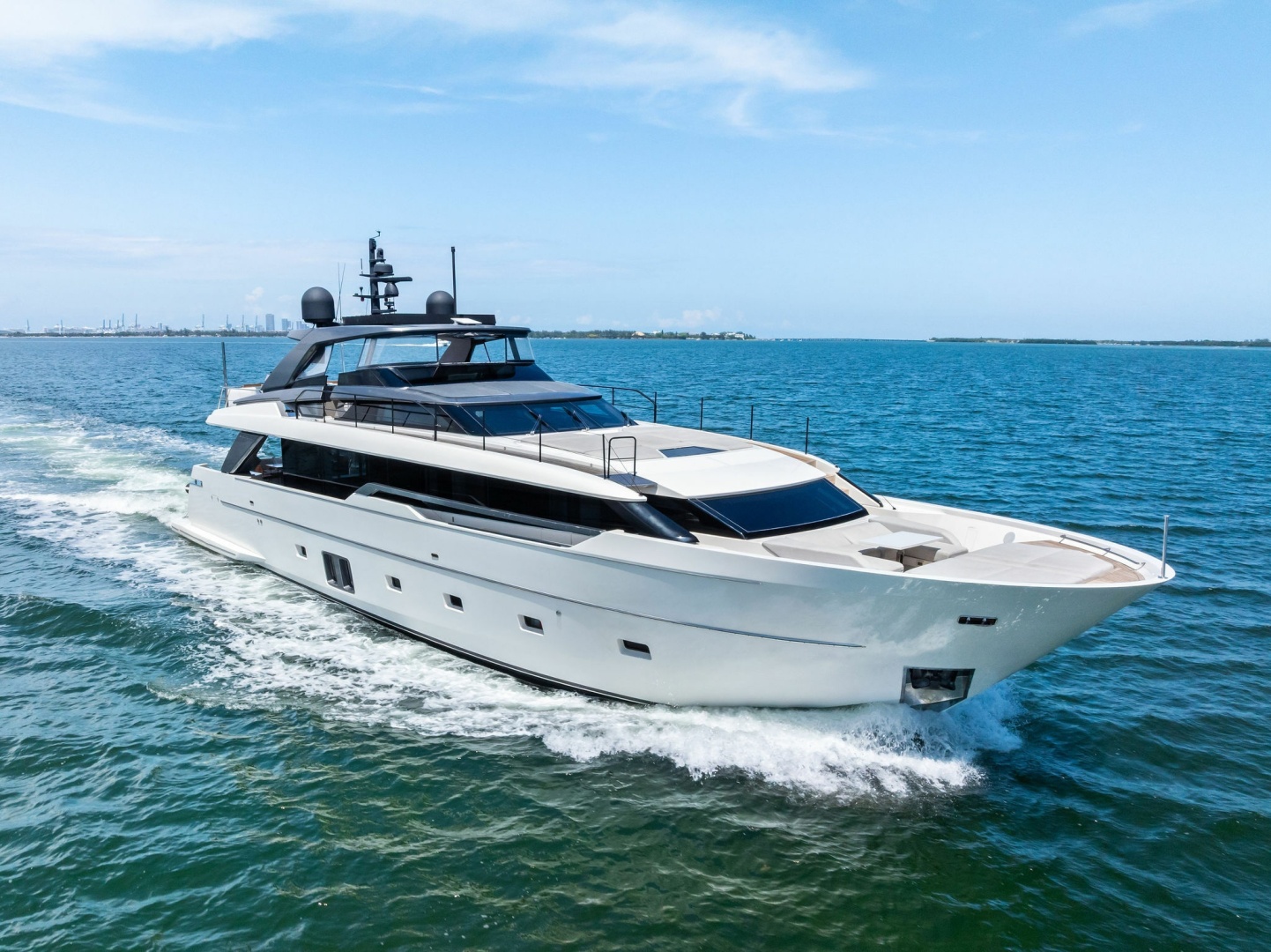
2021 Sanlorenzo GATSBY
$6,795,000
96
Miami Beach Florida
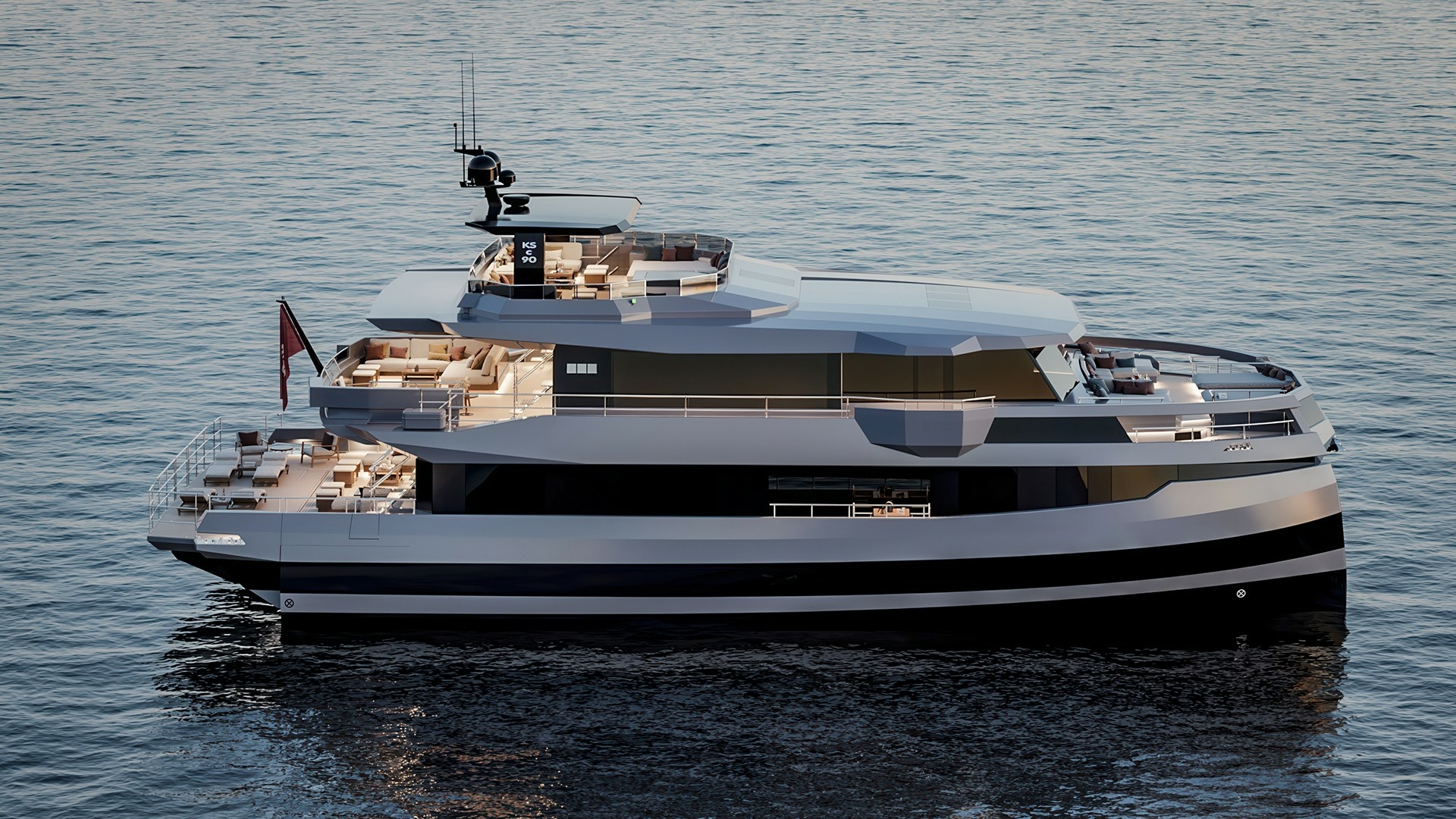
2028 Kingship
90

1999 Northern Marine OFF LINE
$2,495,000
84
Ft Lauderdale Florida
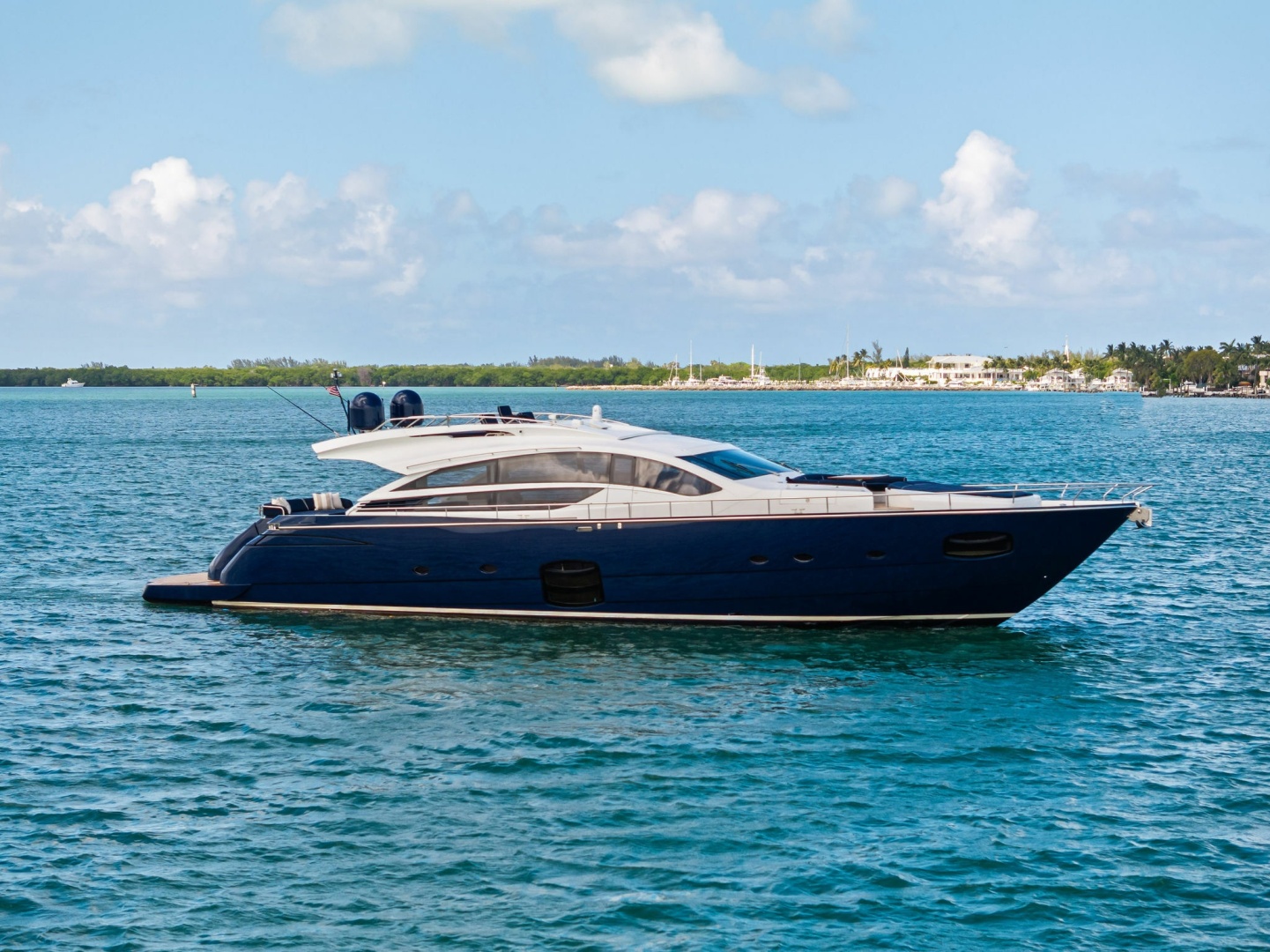
2013 Pershing DOROTHY ANN
$1,550,000
82
Miami Beach Florida

1997 Ferretti Yachts
$825,000
80
La Paz
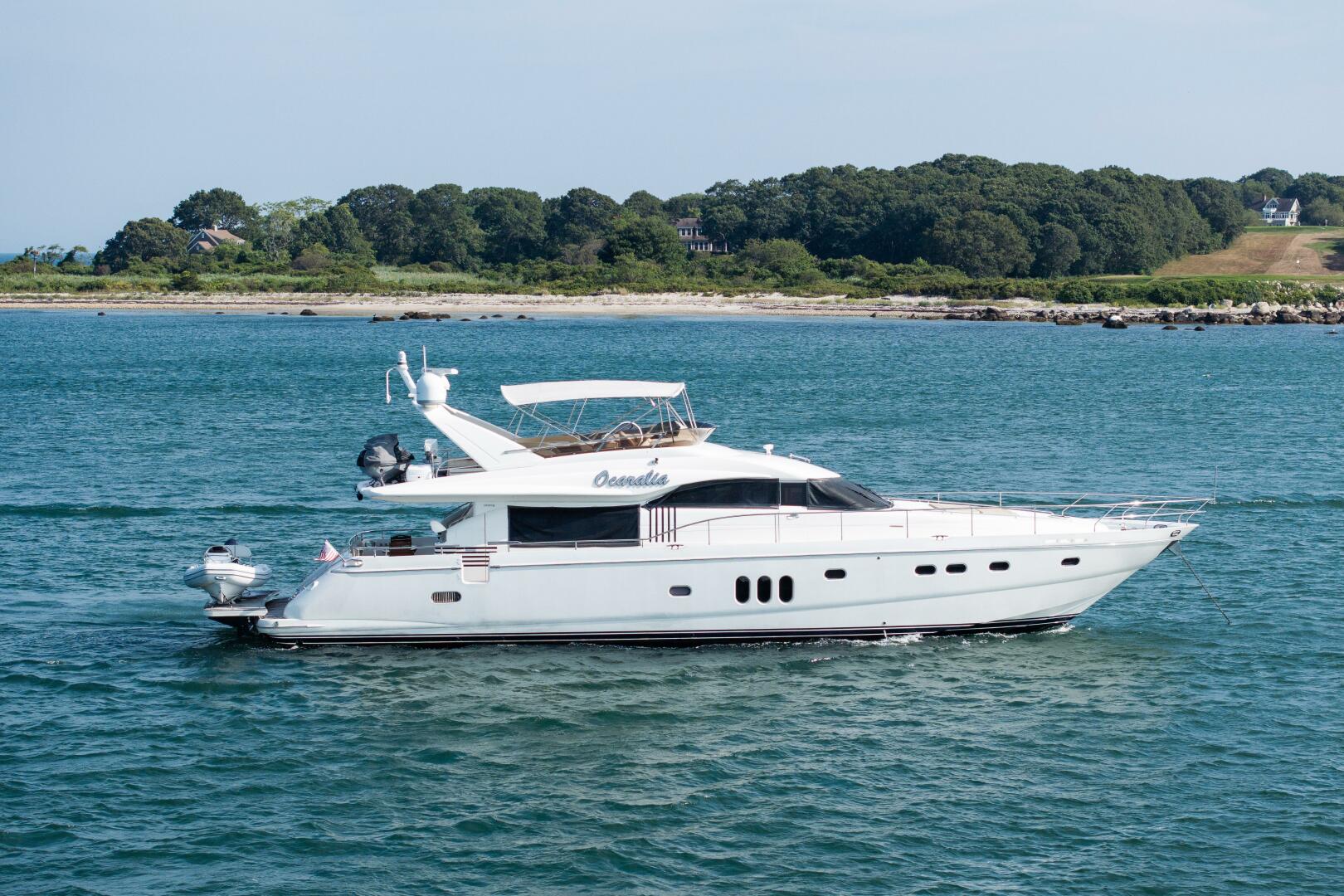
2008 Princess Yachts OCARALIA
$1,095,000
75
Charleston South Carolina
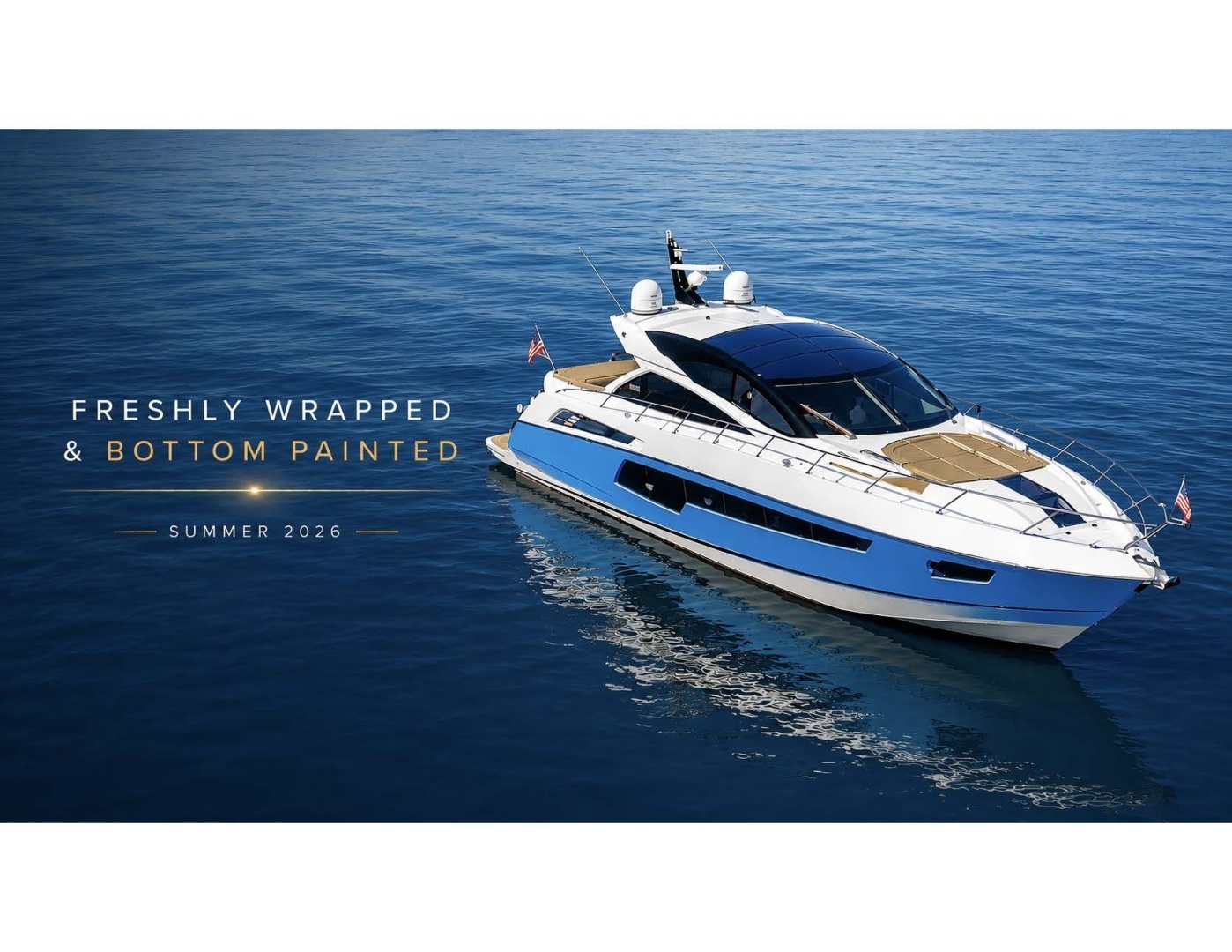
2014 Sunseeker
$1,400,000
68
New York New York

2024 Fairline
$2,750,000
68
Ft. Lauderdale Florida

2024 Sunreef Catallaxi
$3,700,000
60
Newport Rhode Island
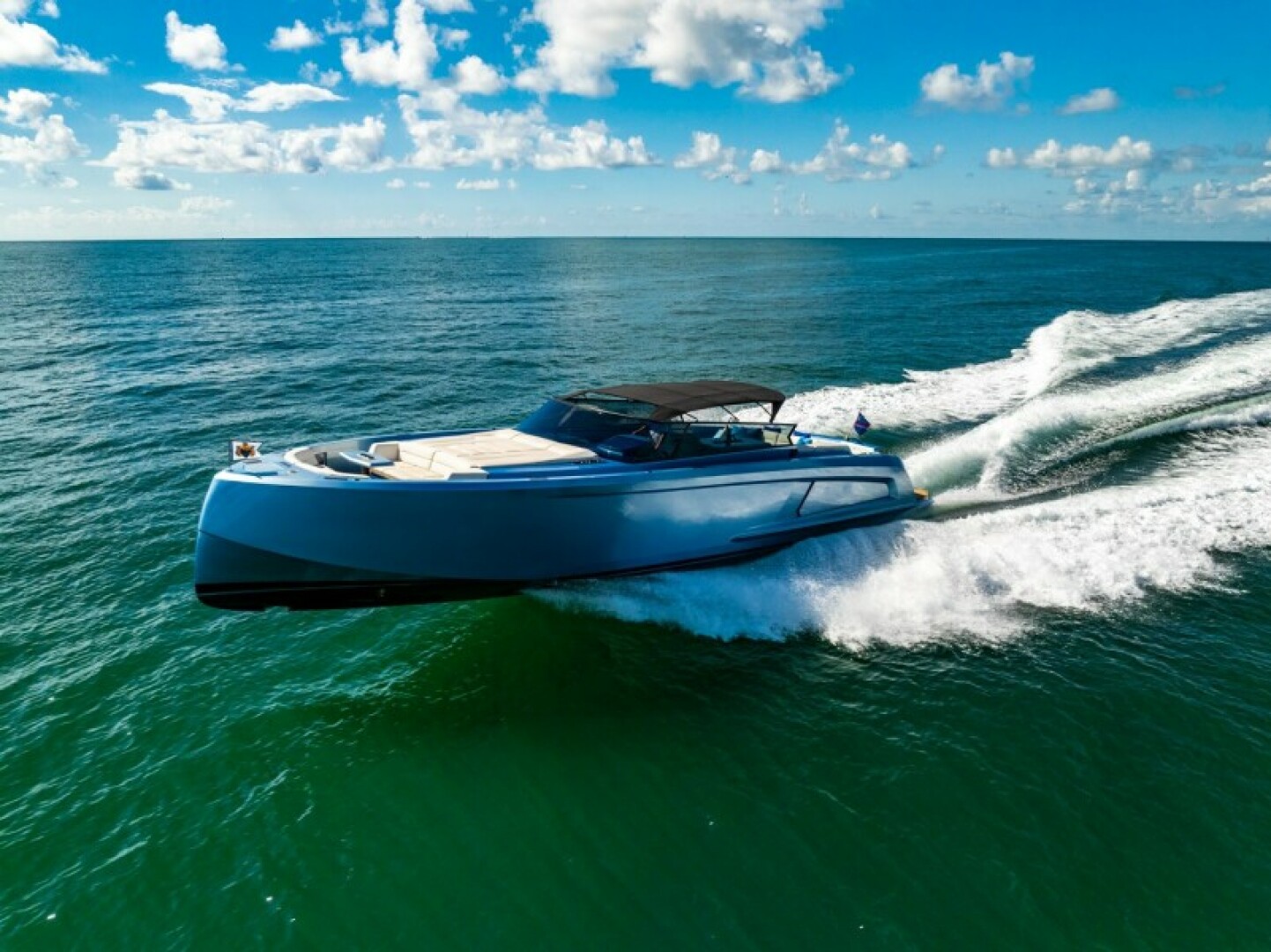
2019 Vanquish Yachts IMPULSIVE
$1,799,000
58
Miami Beach Florida
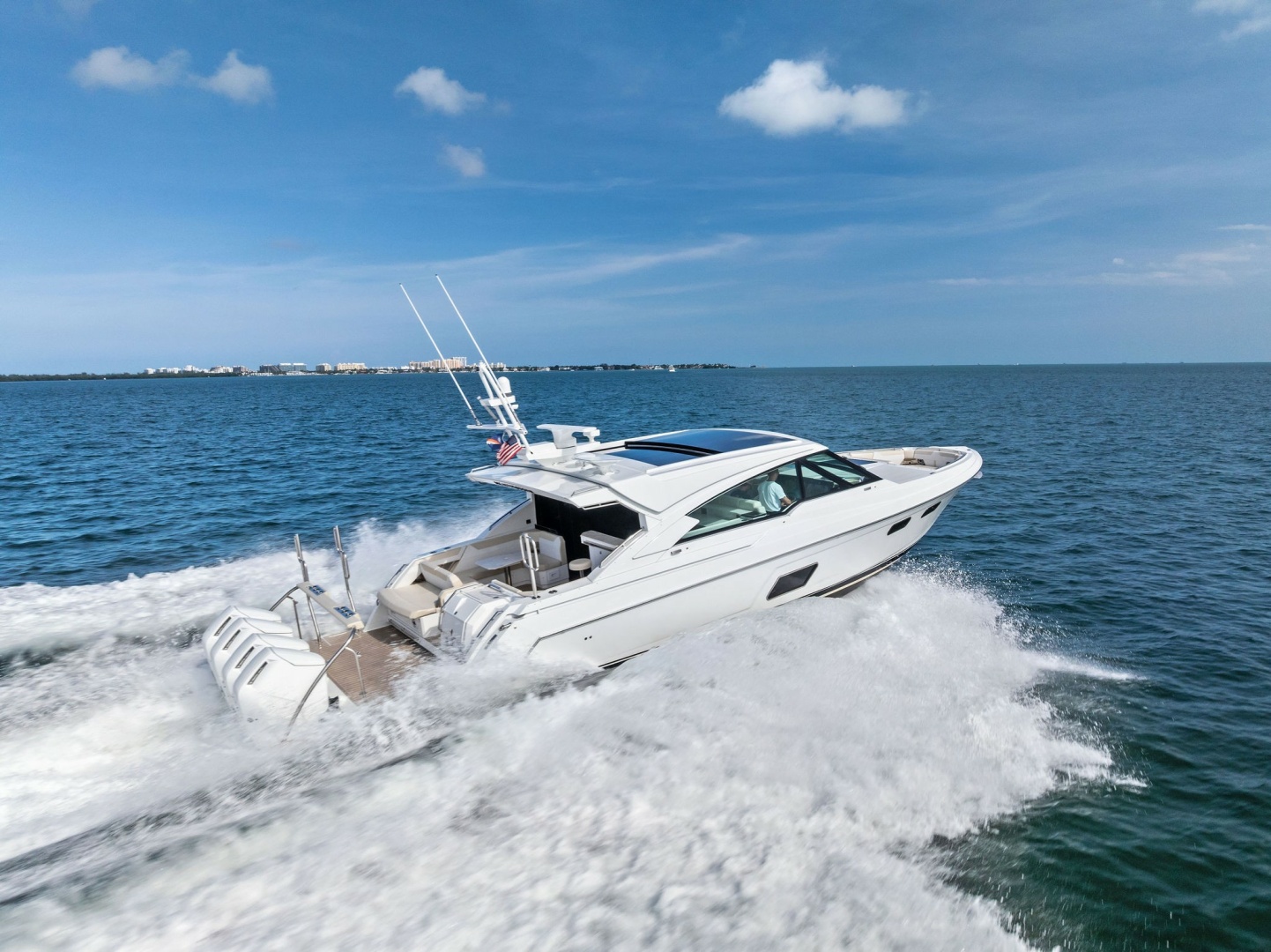
2025 Formula BREAKTHROUGH III
$1,895,000
53
Miami Beach Florida

2023 Fairline
$900,000
45
Fort Lauderdale Florida
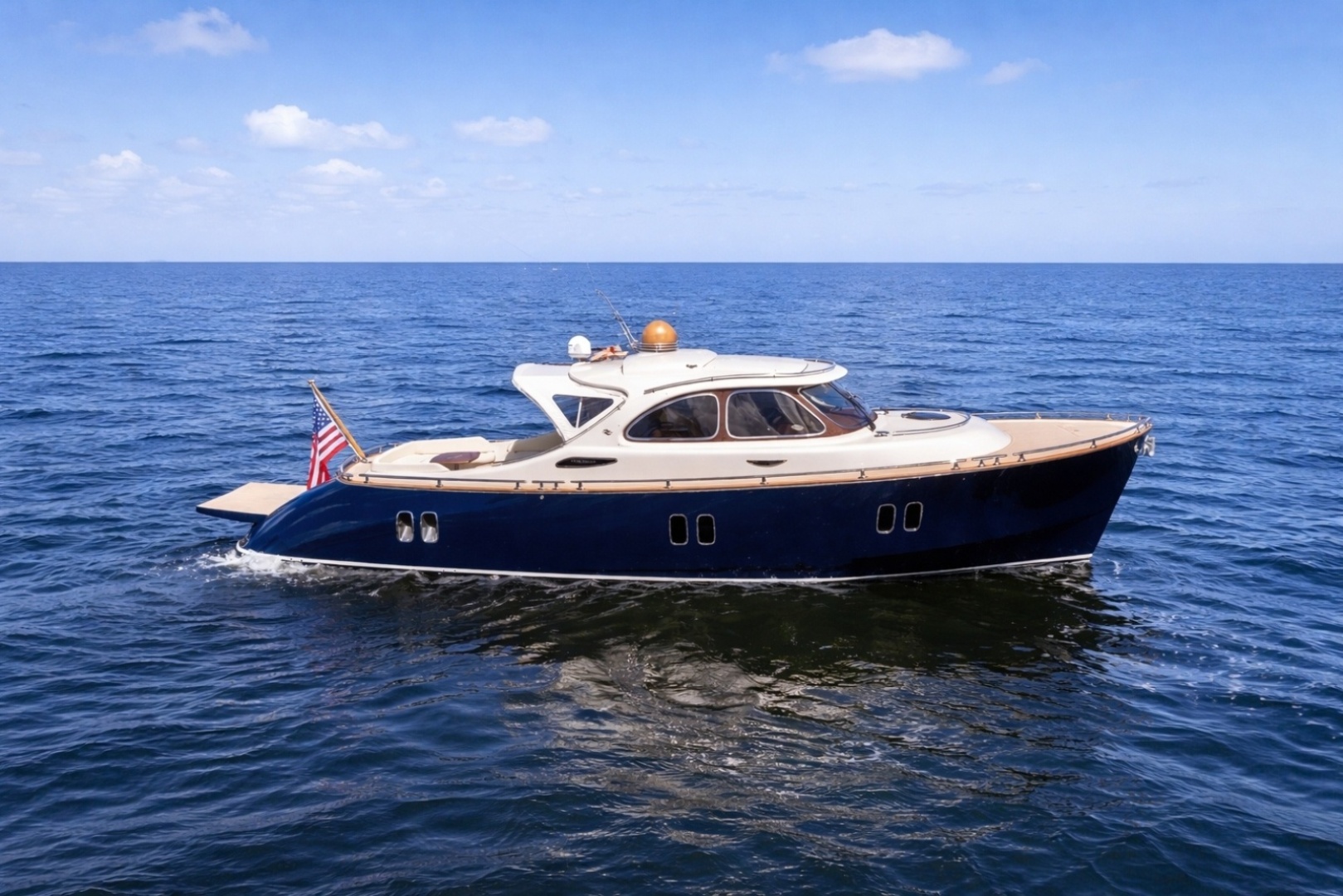
2012 Zeelander Mississippi Queen
$575,000
44
West Palm Beach Florida
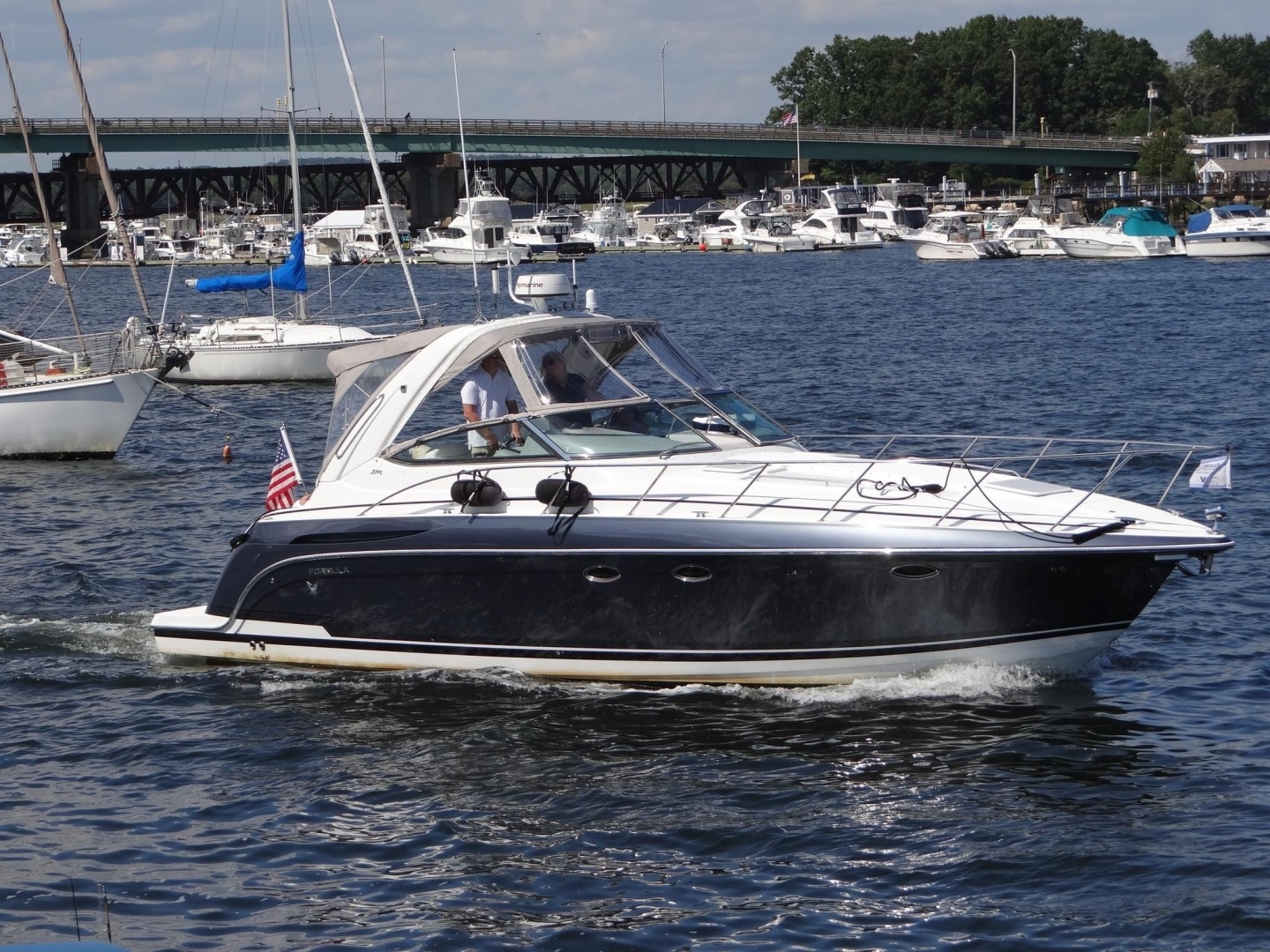
2006 Formula
$139,000
37
Newburyport Massachusetts
2019 Bilgin 156'
$20,646,000
2028 Columbus Yachts 137'
$22,900,008
2012 Benetti 132'
$10,975,000
2028 Kingship 125'
$20,000,000
2024 Silver Yachts 117'
$25,400,000
2009 Hargrave 114'
$2,500,000
2028 Extra Yachts 100'
$20,646,000
2028 Alpha 100'
2028 Extra Yachts 96'
$9,495,000
2021 Sanlorenzo 96'
$6,795,000
2028 Kingship 90'
1999 Northern Marine 84'
$2,495,000
2013 Pershing 82'
$1,550,000
1997 Ferretti Yachts 80'
$825,000
2008 Princess Yachts 75'
$1,095,000
2014 Sunseeker 68'
$1,400,000
2024 Fairline 68'
$2,750,000
2024 Sunreef 60'
$3,700,000
2019 Vanquish Yachts 58'
$1,799,000
2025 Formula 53'
$1,895,000
2023 Fairline 45'
$900,000
2012 Zeelander 44'
$575,000
2006 Formula 37'
$139,000