

Many yacht buyers assume all vessels depreciate at a predictable rate, losing value year after year. In reality, luxury yachts often stabilize or increase in value after initial depreciation if well maintained, contradicting linear depreciation myths. Understanding the complex interplay of brand, condition, market dynamics, and location is essential for making informed purchasing or selling decisions that protect your investment and maximize returns.
Table of Contents
- Introduction To Yacht Valuation
- Key Tangible Factors: Brand, Age, And Condition
- Intangible Influences: Location, Market Demand, And Seasonal Trends
- Valuation Methodologies Used By Brokers And Experts
- Common Misconceptions About Yacht Valuation
- Applying Yacht Valuation Knowledge For Buyers And Sellers
- Explore Expert Yacht Brokerage Services For 2026
- Frequently Asked Questions About Yacht Valuation Factors
Key takeaways
| Point | Details |
|---|---|
| Multiple factors drive value | Brand prestige, maintenance quality, and market demand interact to determine yacht prices beyond age alone. |
| Location premium is significant | High-demand regions like Miami can command yacht prices up to 20% higher than other markets. |
| Condition outweighs age | Well-maintained older yachts often surpass poorly kept newer models in market value. |
| Seasonal timing matters | Strategic buying or selling during peak demand periods optimizes pricing outcomes. |
| Professional methods ensure accuracy | Brokers use inspection, records verification, comparative sales, and market adjustments for precise valuation. |
Introduction to yacht valuation
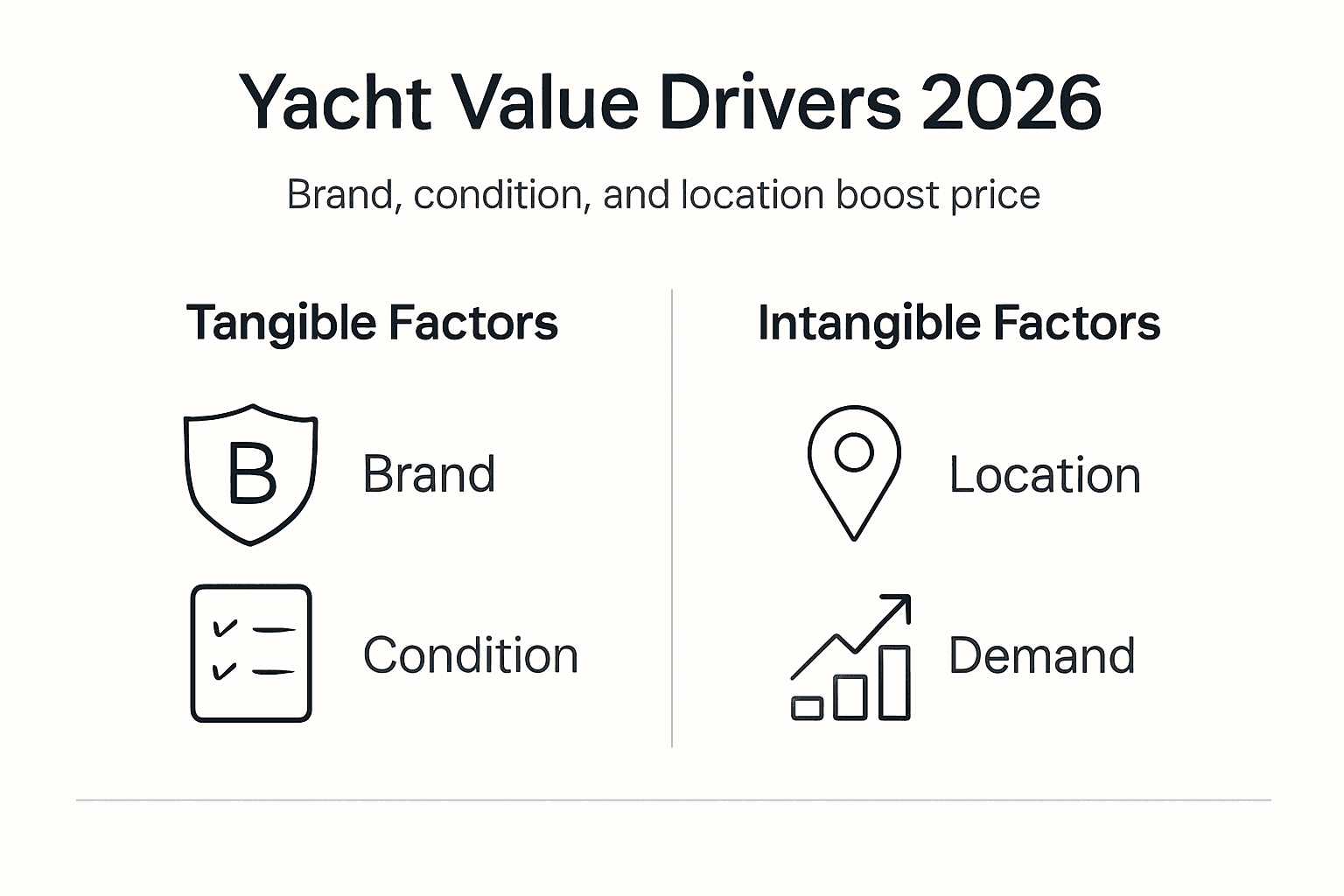
Yacht valuation is far more nuanced than appraising traditional assets like cars or real estate. Yacht valuation involves multiple interrelated factors including brand, age, condition, market demand, and seasonal trends, making it a specialized discipline requiring deep market knowledge. For affluent buyers and sellers in North America, grasping these complexities is critical to avoiding costly mistakes and securing optimal transaction outcomes.
Unlike standardized assets, each yacht represents a unique combination of craftsmanship, maintenance history, and market positioning. The luxury yacht market operates with less transparency than mass consumer markets, creating information asymmetries that can disadvantage uninformed participants. You need to understand how brand heritage, physical condition, geographic location, and market timing converge to establish true market value.
Typical challenges include overestimating the impact of age while underestimating maintenance quality, misjudging regional price variations, and misunderstanding seasonal demand fluctuations. Sellers often price based on emotional attachment or outdated comparable sales, while buyers struggle to differentiate between cosmetic appeal and structural integrity. A comprehensive understanding of how to price your yacht requires considering:
- Physical attributes including hull condition, engine performance, and interior quality
- Brand reputation and model desirability within collector and user communities
- Maintenance documentation proving consistent professional care and upgrades
- Market position relative to comparable vessels in active listings and recent sales
- Geographic factors affecting regional demand and seasonal buyer behavior
Mastering these yacht pricing dynamics empowers you to negotiate from strength, whether acquiring your dream vessel or maximizing returns on a cherished yacht. Professional valuation transforms subjective impressions into objective market intelligence, bridging the gap between asking prices and fair market value.
Key tangible factors: brand, age, and condition
Prestigious yacht manufacturers like Azimut, Sunseeker, and Ferretti command significant market premiums due to brand heritage and perceived quality. Prestigious yacht brands command valuation premiums and maintenance offsets depreciation, with some marques retaining 70% of original value after a decade when properly maintained. Brand reputation signals craftsmanship, resale stability, and parts availability, reducing buyer risk and justifying higher prices.
Age affects yacht value through a steep initial depreciation curve followed by gradual stabilization. New yachts typically lose 20 to 30% of value within the first three years as they transition from new to used status. After this initial drop, depreciation slows considerably, with well-maintained vessels stabilizing around 50 to 60% of original value by year ten. This pattern contradicts the assumption of constant annual depreciation.
Condition often matters more than age in pricing your yacht accurately. A 15-year-old yacht with meticulous maintenance, updated electronics, and fresh interior refurbishment can command prices exceeding a 10-year-old vessel showing deferred maintenance and outdated systems. Buyers recognize that condition reflects total cost of ownership, not just purchase price.
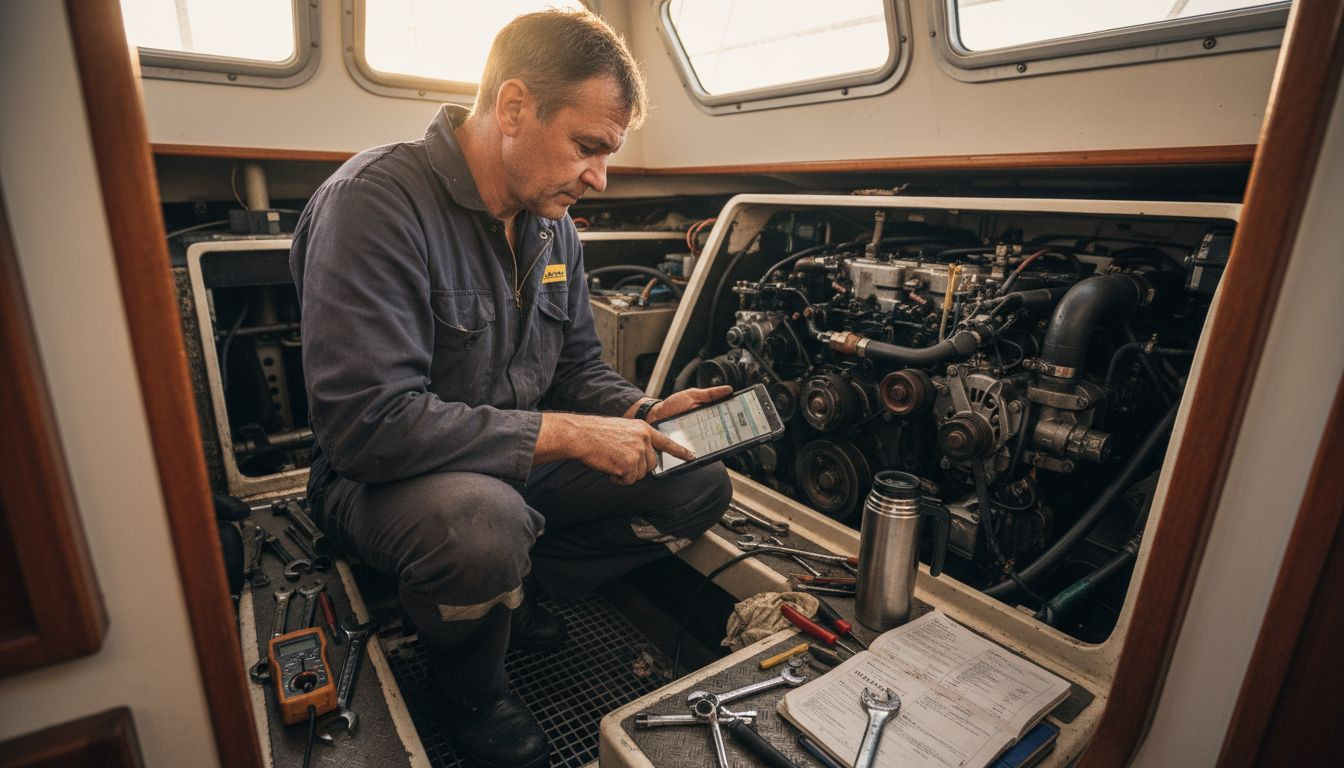
Engine hours serve as a critical condition indicator, with lower hours suggesting lighter use and potentially longer remaining service life. However, engines require regular operation to prevent deterioration, so extremely low hours on older yachts may raise concerns about improper storage or maintenance. Electronics upgrades to modern navigation, communication, and entertainment systems significantly boost appeal to tech-savvy buyers accustomed to contemporary standards.
Service records documenting routine maintenance, major repairs, and system upgrades provide tangible evidence of responsible ownership. Complete documentation substantiates asking prices and accelerates buyer confidence during due diligence. Consider these condition factors:
- Hull integrity verified through survey showing no osmotic blistering or structural damage
- Engine and generator service logs demonstrating consistent professional maintenance intervals
- Interior condition reflecting original quality or tasteful upgrades versus wear and deferred repairs
- Systems functionality including air conditioning, plumbing, electrical, and hydraulic components
- Safety equipment compliance with current regulations and certification standards
Pro Tip: Investing $50,000 in strategic upgrades like electronics modernization or interior soft goods replacement before listing can yield $100,000 or more in increased sale price by positioning your yacht as turnkey rather than project requiring immediate buyer investment.
Condition documentation transforms subjective impressions into objective value proof. The luxury yacht valuation guide emphasizes that buyers will pay premium prices for vessels they can use immediately without deferred maintenance costs hanging over the purchase.
Intangible influences: location, market demand, and seasonal trends
Geographic location exerts powerful influence on yacht pricing, with yachts located in high-demand areas like Miami can command prices up to 20% higher than identical vessels in secondary markets. Miami’s position as North America’s yachting capital creates concentrated buyer demand, extensive infrastructure, and year-round boating conditions that justify premium pricing. Other prime locations include Fort Lauderdale, Newport, and San Diego.
Market demand varies by region based on boating culture, climate, infrastructure quality, and buyer concentration. South Florida attracts international buyers seeking warm weather cruising and proximity to Caribbean destinations. Pacific Northwest buyers prioritize different hull designs and amenities suited to cooler climates and expedition-style cruising. Understanding these regional preferences helps position yachts where demand aligns with their specific features.
Seasonal market fluctuations significantly impact pricing and transaction velocity. Spring boat shows and summer cruising season preparation drive peak buying activity, when motivated buyers compete for quality listings. Fall and winter months typically see reduced activity and softer pricing, except in warm weather markets maintaining year-round demand.
| Location Type | Price Premium | Peak Season | Key Buyer Profile |
|---|---|---|---|
| Miami/Ft. Lauderdale | 15 to 20% | January to May | International buyers, winter residents |
| Newport/Northeast | 5 to 10% | April to August | Summer residents, local enthusiasts |
| Pacific Northwest | 5 to 8% | May to September | Expedition cruisers, local owners |
| Gulf Coast | 8 to 12% | March to June | Regional buyers, coastal residents |
Leveraging location advantages requires strategic positioning. Transporting a yacht to a high-demand market before listing can increase sale price beyond transportation costs. However, this strategy works best for vessels under 80 feet where transport costs remain manageable relative to potential price gains.
Market demand reflects broader economic conditions, fuel prices, and lifestyle trends affecting luxury spending. Strong stock market performance and business confidence boost yacht sales, while economic uncertainty dampens activity. Current yacht market trends show sustained demand for turnkey vessels in the 50 to 80 foot range, driven by buyers prioritizing immediate enjoyment over project yachts.
Seasonal timing strategies include:
- Listing in late winter or early spring to capture buyers preparing for summer season
- Avoiding November and December when buyers focus on holidays rather than yacht shopping
- Timing major upgrades to complete before spring boat show season begins
- Monitoring inventory levels in target markets to list when competition decreases
- Adjusting pricing expectations based on seasonal demand patterns
Pro Tip: If selling in a secondary market, consider transporting your yacht to a boat show in a primary market like Miami for the exposure period, then returning it if unsold, as the concentrated buyer attention often justifies the logistics cost.
Understanding yacht pricing dynamics related to location and timing empowers strategic decisions about where and when to enter the market. These intangible factors complement tangible attributes to establish comprehensive market positioning.
Valuation methodologies used by brokers and experts
Professional yacht brokers employ systematic approaches combining objective data with subjective market judgment. Brokers use physical inspection, maintenance verification, comparative sales, and market trend adjustments for accurate valuation, ensuring prices reflect true market conditions rather than seller wishful thinking or buyer lowball offers.
-
Physical inspection and condition assessment: Experienced brokers conduct thorough walkthroughs examining hull condition, engine room cleanliness, systems functionality, and interior quality. They identify deferred maintenance issues, safety concerns, and upgrade opportunities affecting value. This inspection provides the foundation for realistic pricing discussions.
-
Maintenance records verification: Brokers review service logs, repair invoices, and upgrade documentation to confirm maintenance claims. Complete records justify higher asking prices by demonstrating responsible ownership and reducing buyer risk. Missing documentation raises red flags requiring price adjustments or pre-sale surveys.
-
Comparative market analysis: Brokers research recent sales of comparable yachts matching the subject vessel’s make, model, age, size, and condition. This analysis establishes market ranges and identifies pricing outliers. Adjustments account for differences in equipment, location, and condition between comparables and the subject yacht.
-
Market trend integration: Current market conditions including inventory levels, buyer activity, and economic indicators influence pricing recommendations. Brokers adjust valuations based on whether markets favor buyers or sellers, seasonal timing, and specific demand for particular yacht types or sizes.
-
Upgrade and refurbishment impact: Recent improvements like electronics upgrades, interior refurbishment, or mechanical overhauls increase value when properly documented and professionally executed. Brokers calculate return on investment for various upgrade types, helping sellers prioritize pre-sale improvements.
-
Location and positioning analysis: Brokers consider where the yacht is currently located versus where it will market best. They may recommend repositioning to higher-demand markets when potential price gains exceed logistics costs.
This methodology contrasts sharply with amateur approaches relying on outdated listings, emotional pricing, or simple age-based depreciation formulas. Professional selling your yacht through brokerage ensures pricing reflects market reality while positioning the vessel competitively.
Brokers also understand buyer psychology and negotiation dynamics. They price yachts to generate showing activity while leaving negotiation room, avoiding the extremes of overpricing that deters buyers or underpricing that leaves money on the table. Their market intelligence about active buyers, competing listings, and recent transactions informs strategic pricing decisions.
Working with experienced brokers provides access to proprietary databases tracking closed sales, days on market, and price reductions across thousands of transactions. This data reveals patterns invisible to individual buyers or sellers conducting limited research. The investment in using a yacht broker typically returns multiples through optimized pricing and faster sales.
Common misconceptions about yacht valuation
Many sellers believe yachts depreciate at constant annual rates, similar to automobiles losing 10 to 15% yearly. Yachts do not depreciate linearly; condition and brand often outweigh age in value determinations, with well-maintained vessels defying simple depreciation formulas. This misconception leads to unrealistic pricing expectations that delay sales or leave money on the table.
The myth that age alone determines value ignores the critical role of maintenance quality and upgrade investments. A 20-year-old yacht with recent engine overhauls, updated electronics, and refreshed interior can command prices approaching or exceeding a 15-year-old vessel showing deferred maintenance and original outdated systems. Buyers evaluate total cost of ownership, not just purchase price.
Some owners assume brand prestige guarantees high resale value regardless of condition. While premium brands provide baseline value support, neglected examples from prestigious builders sell for less than well-maintained vessels from mid-tier manufacturers. Brand reputation creates opportunity, but only proper maintenance realizes that potential.
Another common belief suggests listing price should start well above market value, allowing room to negotiate down. This strategy backfires by deterring serious buyers who research comparables and recognize overpricing. Overpriced listings languish on market, developing stigma that eventually forces price reductions below where realistic initial pricing would have succeeded.
Key misconceptions to avoid:
- Assuming emotional attachment or money invested justifies premium pricing above market comparables
- Believing cosmetic appearance compensates for mechanical or structural issues buyers will discover in survey
- Thinking all upgrades add dollar-for-dollar value when some improvements offer minimal return on investment
- Expecting off-season pricing to match peak season values without adjusting for reduced buyer activity
- Assuming buyers will overlook missing maintenance records if the yacht looks good superficially
The reality is that savvy buyers conduct thorough due diligence including mechanical surveys, sea trials, and comparative research. They quickly identify overpriced listings and focus attention on realistically priced vessels with complete documentation. Understanding actual luxury yacht valuation guide principles prevents costly mistakes.
Dispelling these myths enables more accurate self-assessment before listing. Sellers who acknowledge condition issues, research true market comparables, and price competitively from the start typically achieve faster sales at higher net prices than those chasing inflated values downward through multiple reductions.
Applying yacht valuation knowledge for buyers and sellers
Armed with comprehensive valuation understanding, you can approach yacht transactions strategically rather than emotionally. Leveraging valuation factors and market timing can maximize price outcomes for buyers and sellers, transforming market knowledge into financial advantage. Both sides benefit from realistic expectations grounded in objective data.
Buyers should research comparable sales before making offers, identifying whether asking prices align with recent transactions for similar vessels. Understanding how condition, location, and timing affect value helps you recognize genuine opportunities versus overpriced listings. You can negotiate confidently when armed with data showing market ranges and specific condition considerations justifying your offer.
Sellers maximize outcomes by addressing condition issues before listing, completing strategic upgrades that attract buyers, and timing market entry for peak demand periods. Investing in professional detailing, mechanical servicing, and documentation organization signals serious intent and justifies premium pricing. Consider pricing your yacht for sale based on objective market data rather than emotional attachment or sunk costs.
Practical application strategies include:
- Obtaining pre-listing surveys to identify and address issues before buyers discover them, controlling the negotiation narrative
- Documenting all maintenance and upgrades with receipts and service logs to substantiate asking prices
- Researching seasonal patterns in your target market to list during peak buyer activity periods
- Evaluating whether strategic upgrades like electronics modernization or interior refresh will yield positive return on investment
- Considering geographic repositioning if current location significantly undervalues the vessel compared to primary markets
- Building negotiation buffers into asking prices while remaining within competitive market ranges
- Monitoring active inventory in your yacht’s category to adjust strategy as competition increases or decreases
Pro Tip: For buyers, making offers on yachts that have been listed for 90+ days often yields significant discounts, as sellers grow motivated and brokers push for transactions. For sellers, pricing aggressively but fairly from day one generates early activity before the listing goes stale.
Both buyers and sellers benefit from working with experienced professionals who translate market knowledge into transaction advantage. Brokers provide objective valuation perspectives unclouded by emotional attachment or unrealistic expectations. They access proprietary data about pending sales, buyer inquiries, and market shifts invisible to individuals conducting casual research.
Applying valuation knowledge means recognizing that every yacht transaction exists within broader market context. Your specific vessel competes with dozens or hundreds of alternatives, and buyers constantly compare options. Positioning competitively while highlighting unique advantages creates the value proposition that converts inquiries into offers. Understanding why to unlock value in 2026 means acting on market intelligence rather than hoping for unrealistic outcomes.
Explore expert yacht brokerage services for 2026
Navigating yacht valuation complexities becomes significantly easier with professional guidance from experienced brokers who understand market nuances and buyer psychology. Whether you’re looking to sell your current yacht or acquire your next vessel, expert brokerage services leverage the valuation insights discussed throughout this article to optimize your outcomes. Professional brokers combine market intelligence, negotiation skills, and transaction management to maximize value while minimizing stress.
Working with specialists who understand how brand, condition, location, and timing interact ensures your yacht is positioned competitively from day one. If you’re ready to choose a yacht broker who can translate valuation knowledge into results, consider how professional representation typically increases net proceeds by 10 to 20% compared to private sales. Brokers handle marketing, buyer qualification, negotiation, and closing logistics, allowing you to focus on your next adventure. Discover why listing your yacht for higher value through experienced professionals consistently outperforms alternatives. Explore essential yacht brokerage tips that savvy owners use to maximize transaction success in 2026’s dynamic luxury yacht market.
Frequently asked questions about yacht valuation factors
What role does yacht brand play in valuation?
Prestigious brands like Azimut, Sunseeker, and Ferretti command 15 to 25% premiums over comparable vessels from lesser-known builders due to reputation for quality, resale stability, and parts availability. Brand heritage signals craftsmanship and reduces buyer perceived risk. However, brand alone cannot overcome poor maintenance or condition issues.
How much does location affect yacht price?
Yachts in high-demand markets like Miami or Fort Lauderdale can sell for 15 to 20% more than identical vessels in secondary locations due to concentrated buyer activity, superior infrastructure, and favorable climate. Strategic repositioning before listing often justifies transportation costs through significantly higher sale prices. Location matters most for vessels in the 50 to 90 foot range where buyers have numerous options.
Can maintenance records really increase value?
Complete service documentation proving consistent professional maintenance can add 10 to 15% to sale price by reducing buyer risk and justifying premium positioning. Records substantiate condition claims during buyer due diligence and accelerate transaction timelines. Missing documentation raises red flags requiring price concessions or expensive pre-sale surveys.
Do yacht values follow simple depreciation formulas?
No, yacht depreciation is non-linear with steep initial drops of 20 to 30% in the first three years, then gradual stabilization around 50 to 60% of original value by year ten. Well-maintained yachts from prestigious brands can stabilize or even appreciate after initial depreciation. Condition and upgrades often matter more than age alone in determining current market value.
When is the best season to buy or sell a yacht?
Selling typically succeeds best in late winter through early summer when buyers prepare for the cruising season and competition for quality listings intensifies. Buying in fall or winter often yields better prices as sellers grow motivated and inventory accumulates. However, warm-weather markets like South Florida maintain stronger year-round activity than seasonal northern locations.
Recommended
Featured Listings
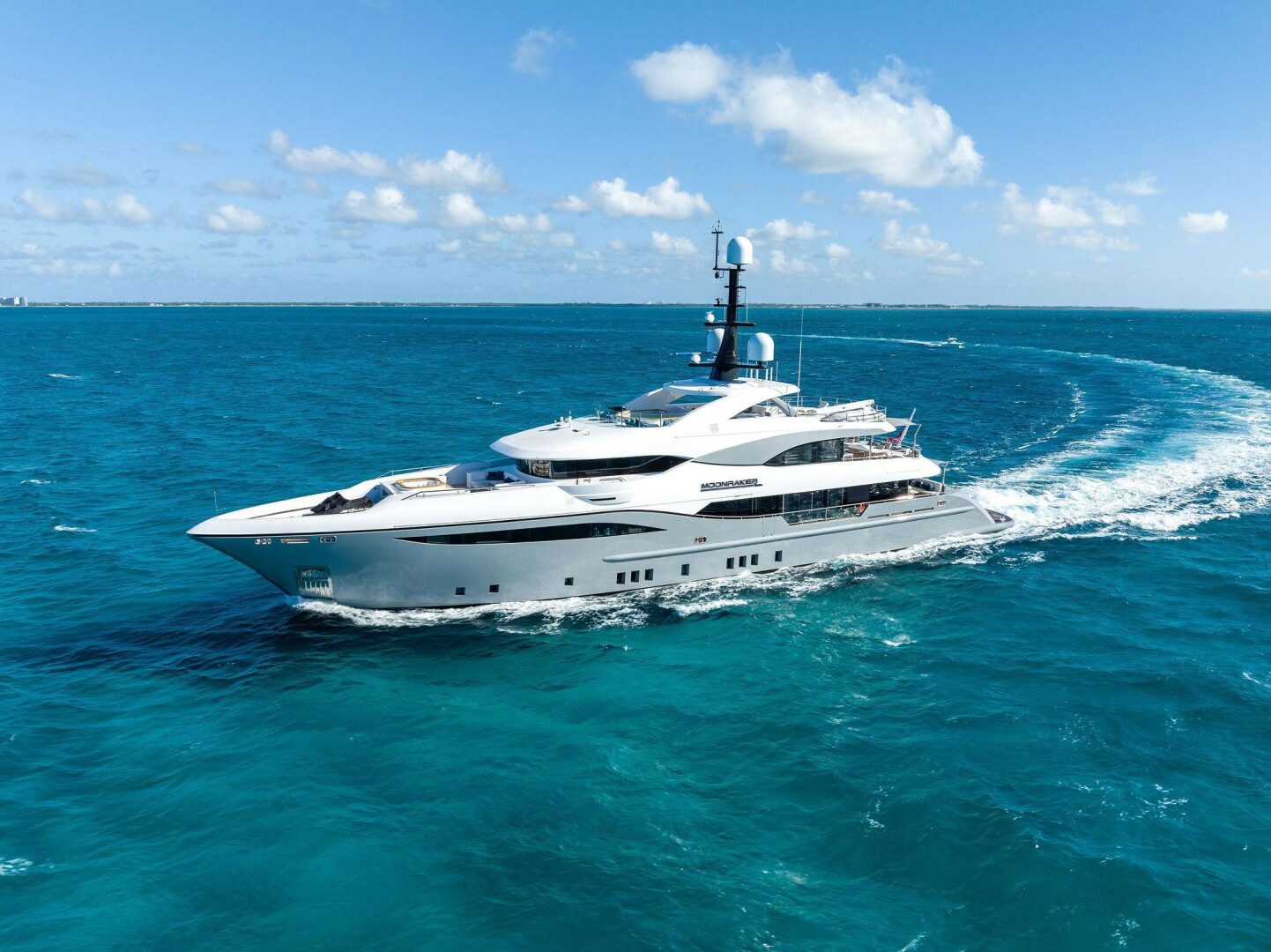
2019 Bilgin MOONRAKER
$21,404,500
156
West Palm Beach Florida

2028 Columbus Yachts
$22,900,008
137
Ancona
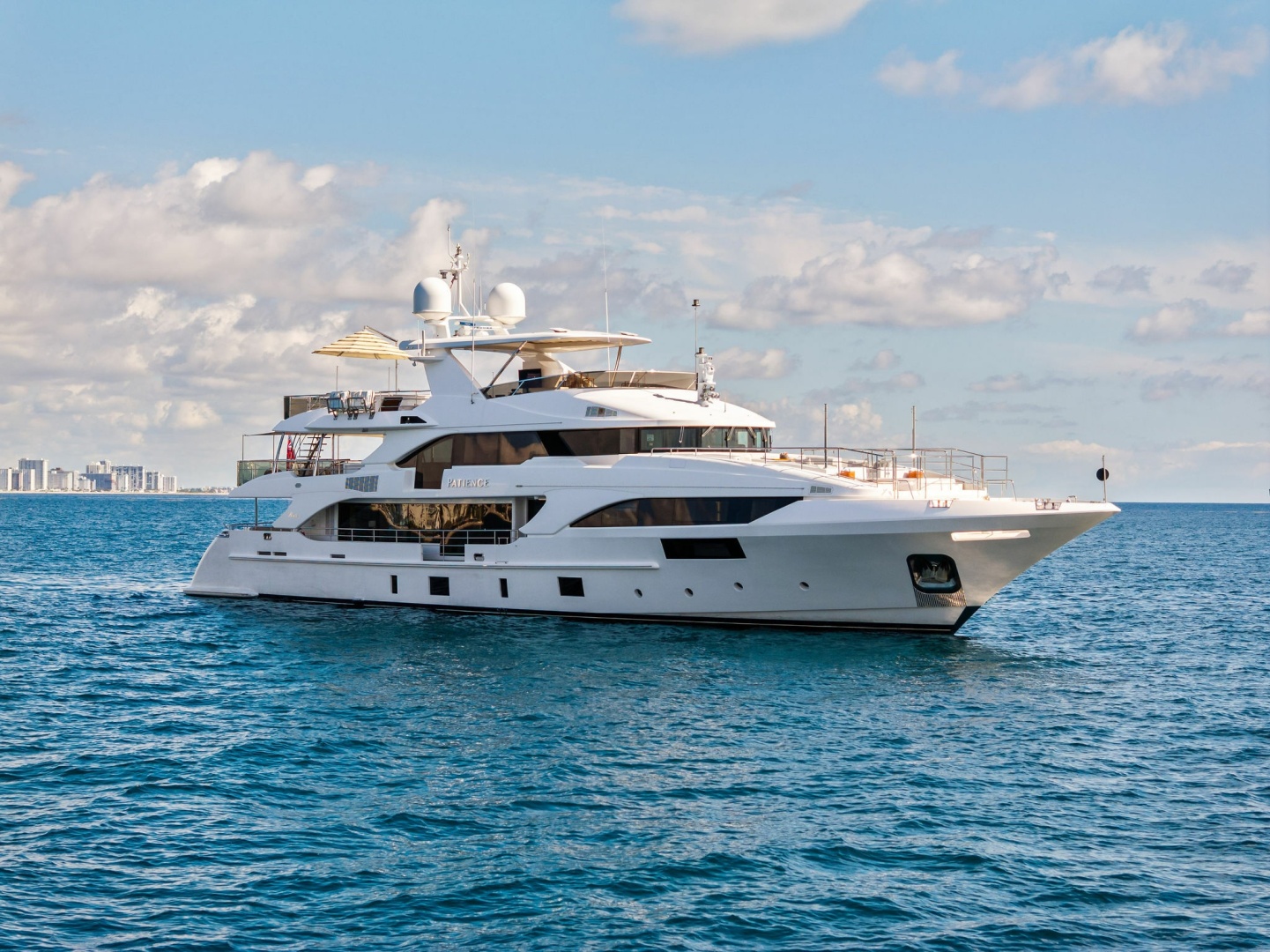
2012 Benetti PATIENCE
$10,975,000
132
Fort Lauderdale Florida
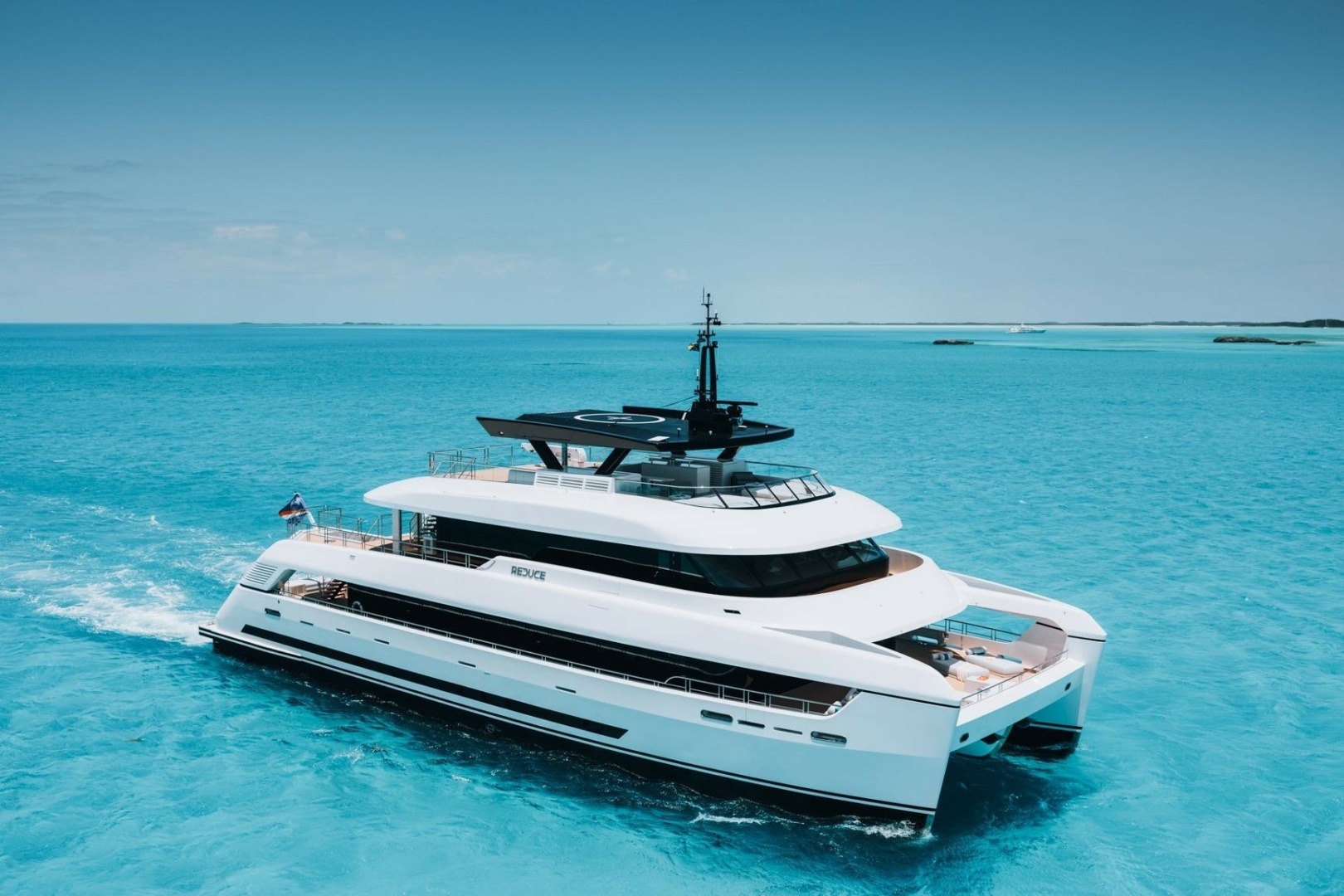
2024 Silver Yachts
$25,400,000
117
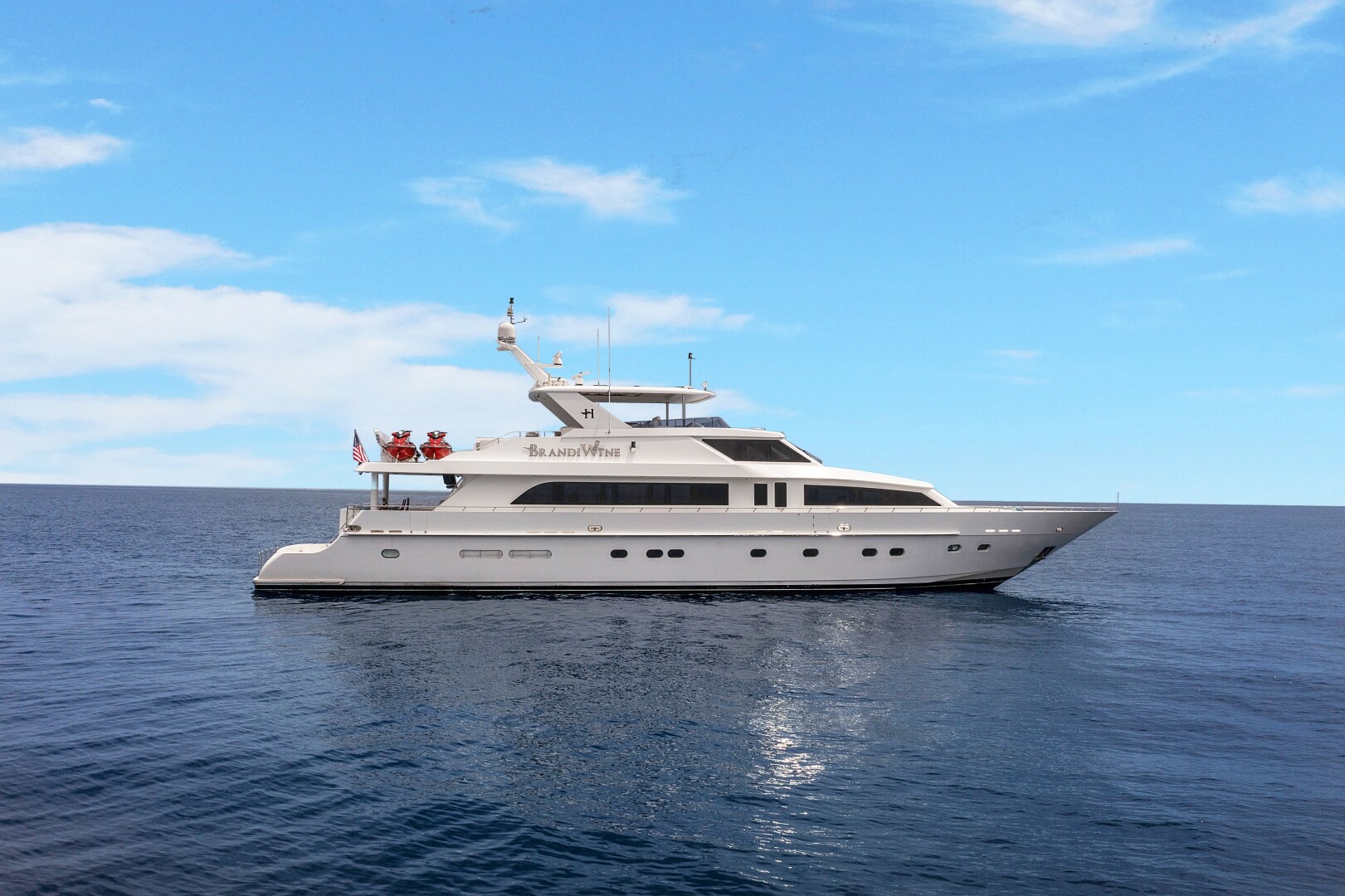
2009 Hargrave BRANDI WINE
$2,995,000
114
Fort Lauderdale Florida

2028 Extra Yachts
$21,404,500
100
Ancona

2028 Extra Yachts Extra 96
$9,495,000
96
Ancona
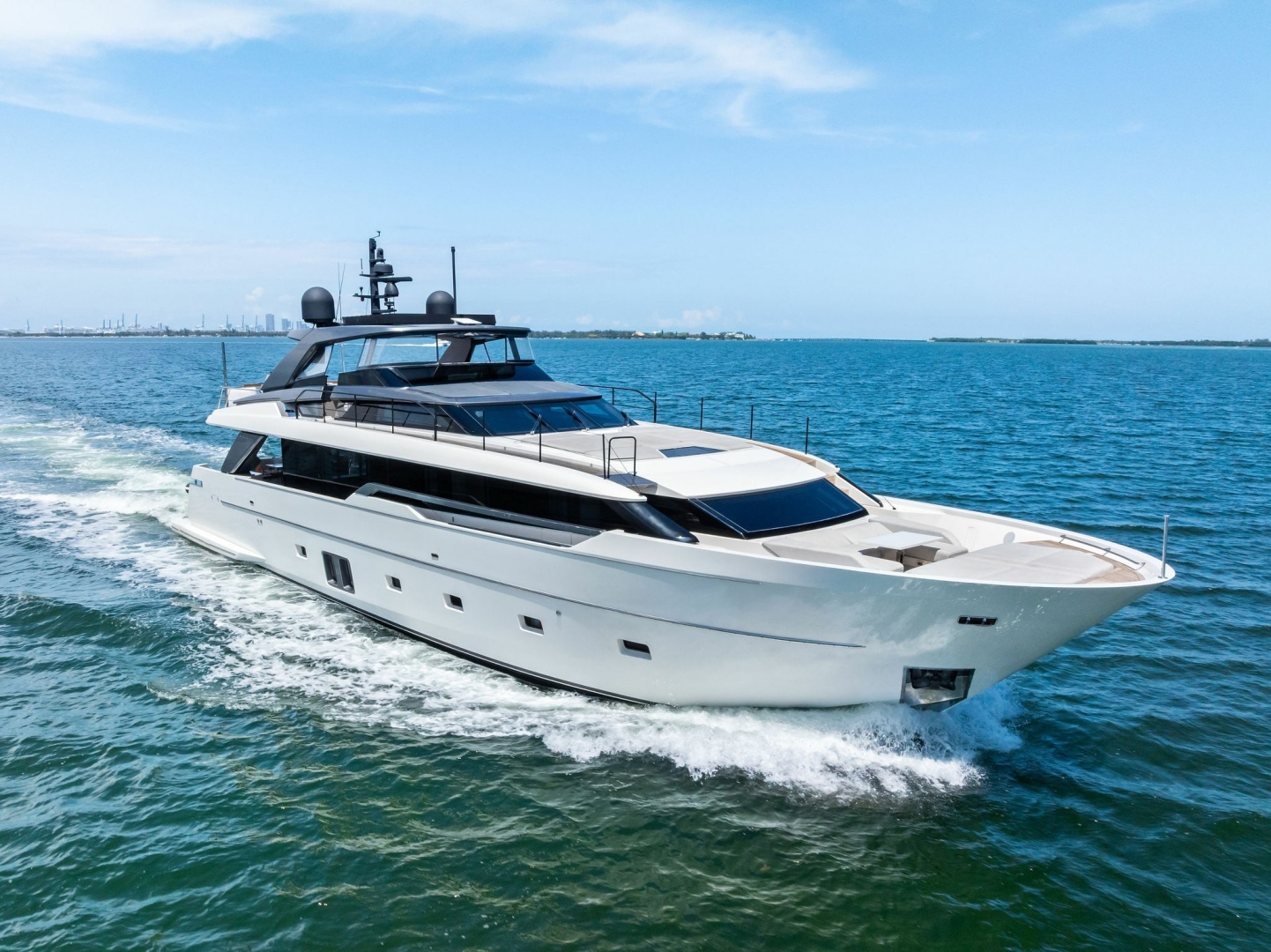
2021 Sanlorenzo GATSBY
$6,795,000
96
Miami Beach Florida

1999 Northern Marine OFF LINE
$2,495,000
84
Ft Lauderdale Florida
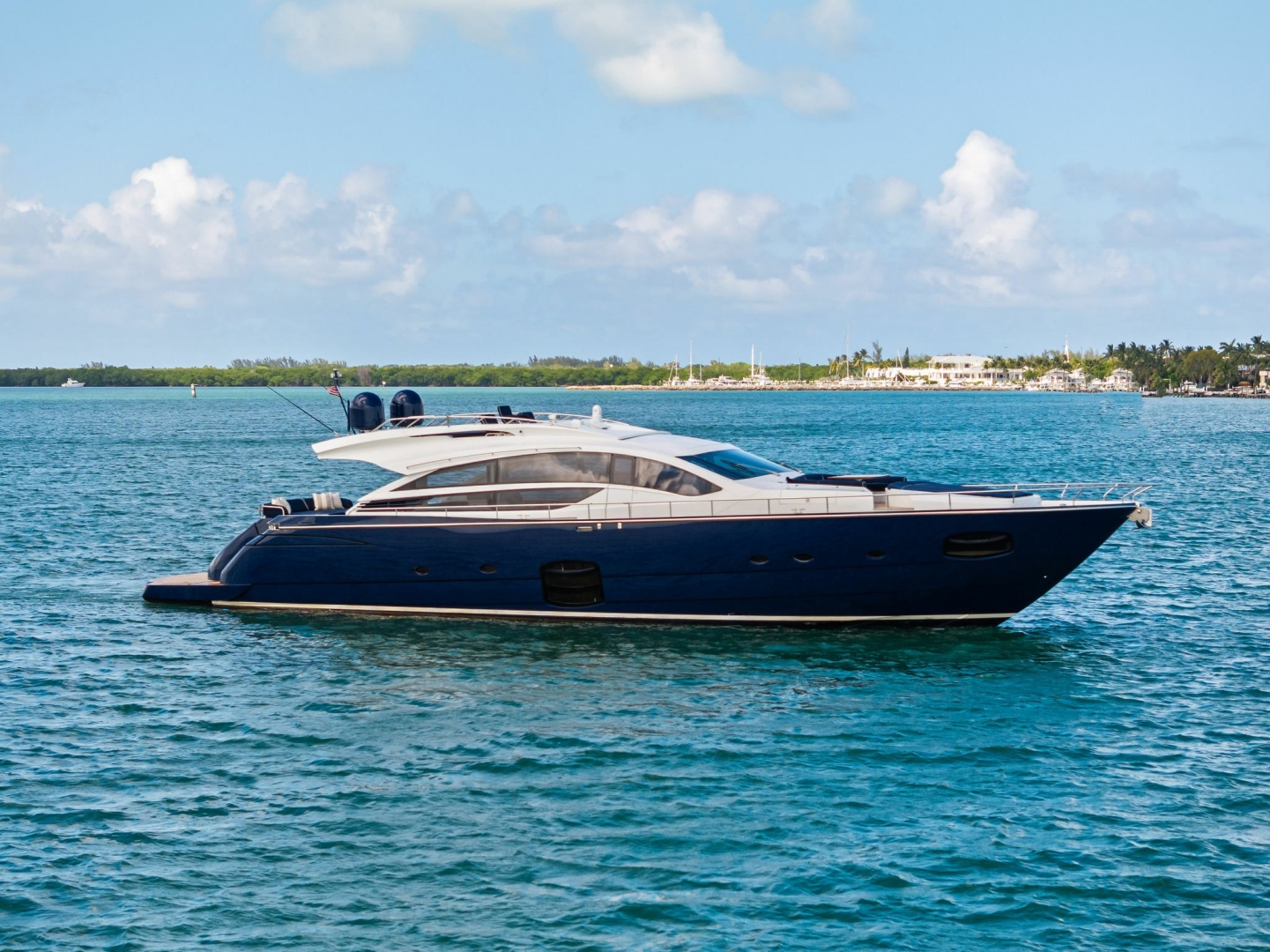
2013 Pershing DOROTHY ANN
$1,750,000
82
Miami Beach Florida

1997 Ferretti Yachts
$850,000
80
La Paz
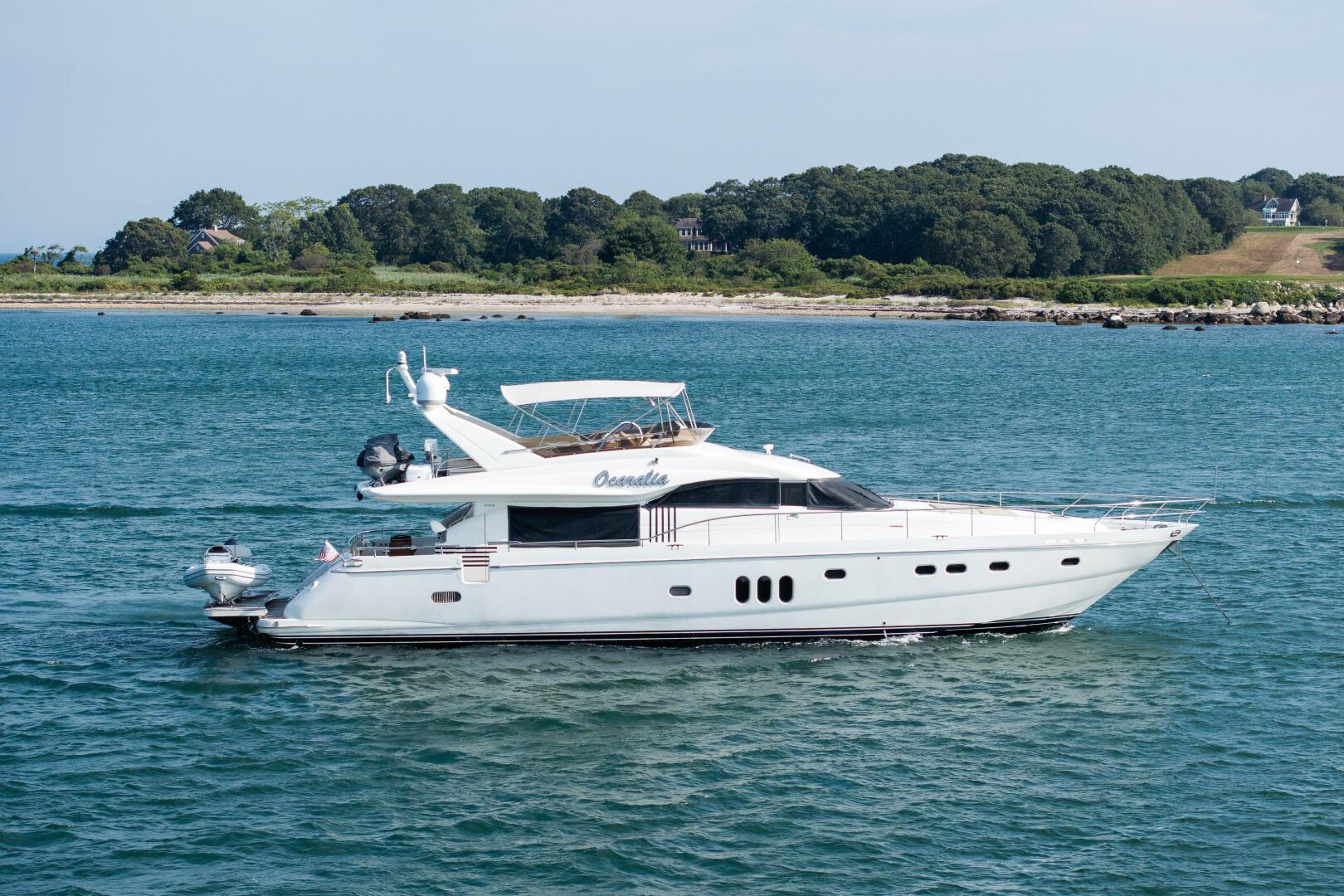
2008 Princess Yachts OCARALIA
$1,095,000
75
Charleston South Carolina
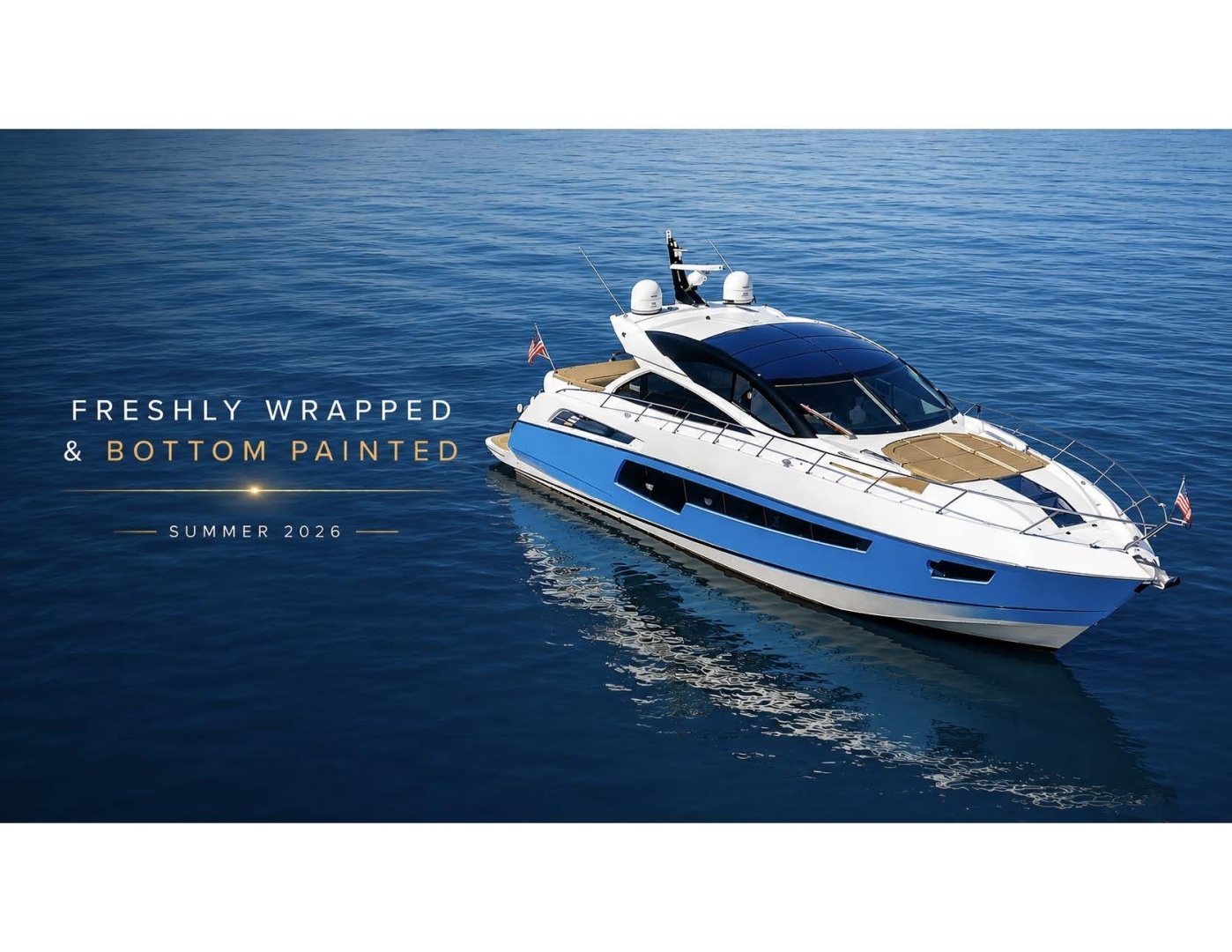
2014 Sunseeker
$1,400,000
68
New York New York

2024 Fairline
$2,750,000
68
Ft. Lauderdale Florida

2024 Sunreef Catallaxi
$3,700,000
60
Newport Rhode Island
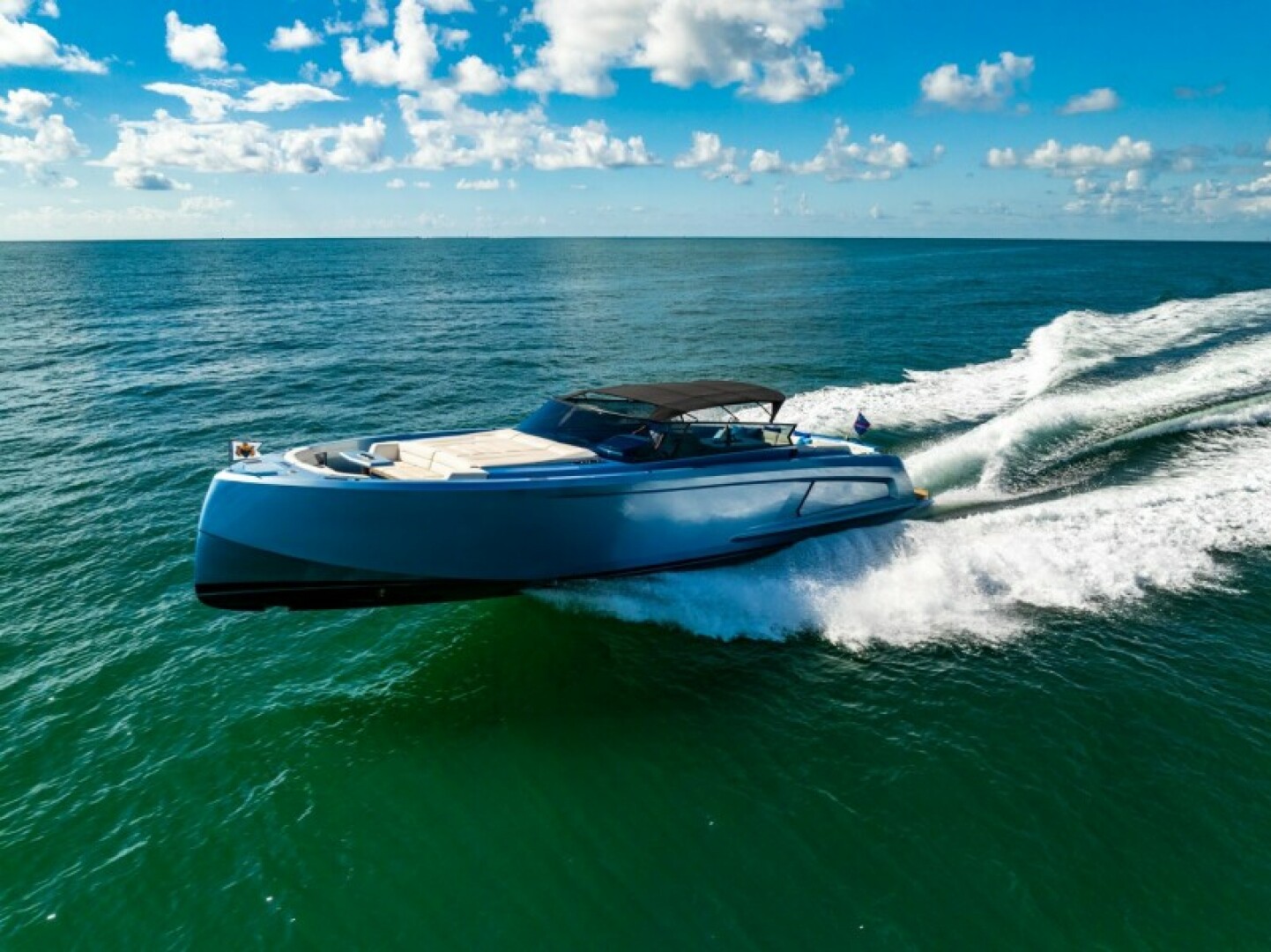
2019 Vanquish Yachts IMPULSIVE
$1,799,000
58
Miami Beach Florida
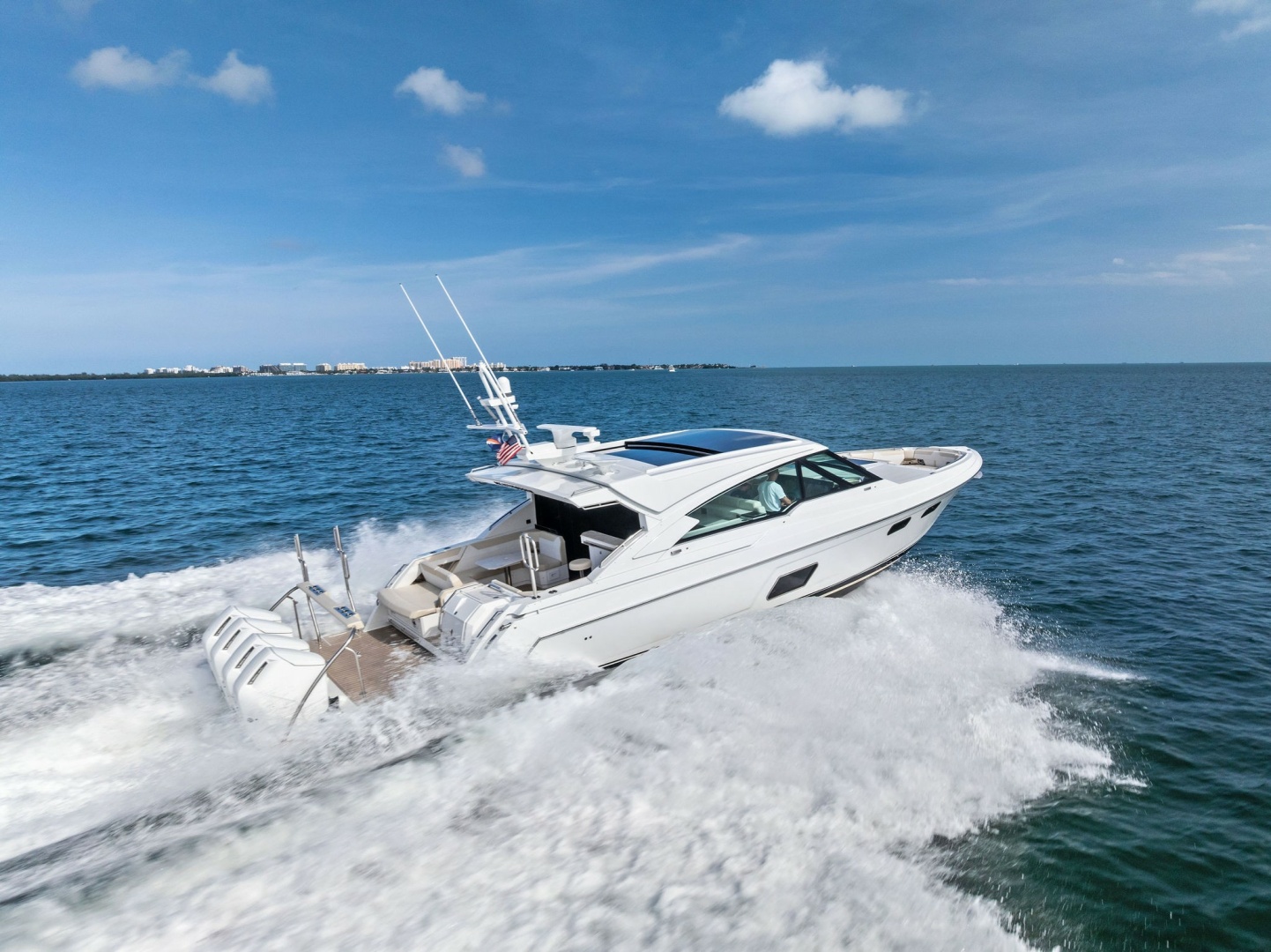
2025 Formula BREAKTHROUGH III
$1,895,000
53
Miami Beach Florida

2023 Fairline
$900,000
45
Fort Lauderdale Florida
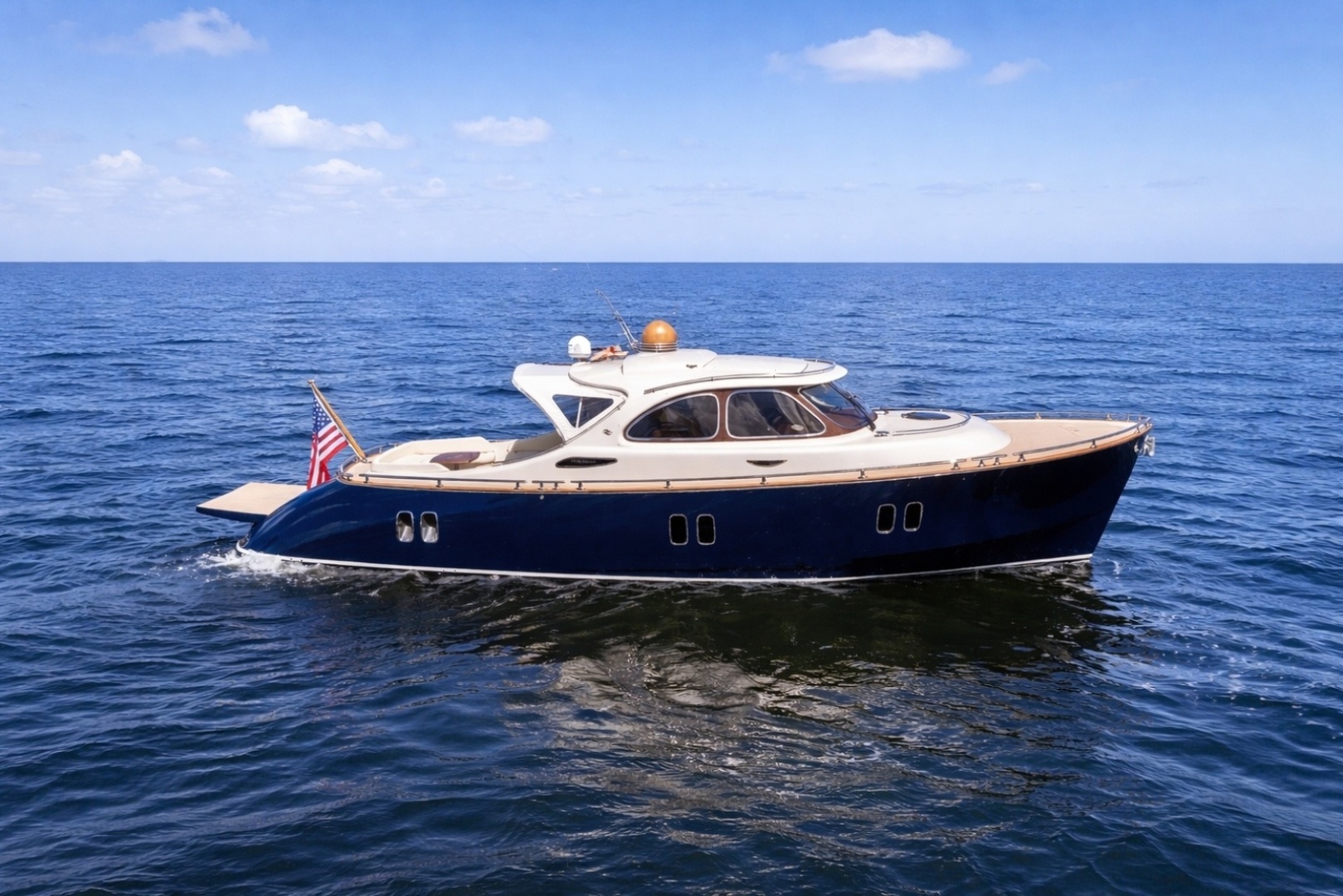
2012 Zeelander Mississippi Queen
$575,000
44
West Palm Beach Florida
2019 Bilgin 156'
$21,404,500
2028 Columbus Yachts 137'
$22,900,008
2012 Benetti 132'
$10,975,000
2024 Silver Yachts 117'
$25,400,000
2009 Hargrave 114'
$2,995,000
2028 Extra Yachts 100'
$21,404,500
2028 Extra Yachts 96'
$9,495,000
2021 Sanlorenzo 96'
$6,795,000
1999 Northern Marine 84'
$2,495,000
2013 Pershing 82'
$1,750,000
1997 Ferretti Yachts 80'
$850,000
2008 Princess Yachts 75'
$1,095,000
2014 Sunseeker 68'
$1,400,000
2024 Fairline 68'
$2,750,000
2024 Sunreef 60'
$3,700,000
2019 Vanquish Yachts 58'
$1,799,000
2025 Formula 53'
$1,895,000
2023 Fairline 45'
$900,000
2012 Zeelander 44'
$575,000