

Purchasing a luxury yacht represents one of the most significant investments you’ll make, yet many buyers approach viewings unprepared and miss critical warning signs. The difference between a dream vessel and a costly mistake often comes down to how thoroughly you execute the viewing process. Without a structured approach, even experienced buyers can overlook hidden defects, overpay for cosmetic appeal, or rush into purchases they later regret. This guide walks you through the expert steps that professional brokers and seasoned yacht owners use to evaluate vessels systematically, uncover potential issues before they become expensive problems, and negotiate from a position of strength.
Table of Contents
- Preparing For The Yacht Viewing: What You Need To Know
- Executing The Yacht Viewing: Step-By-Step Guide
- Troubleshooting And Common Mistakes In Yacht Viewing
- Expected Outcomes And Post-Viewing Steps
- Discover Exclusive Luxury Yachts With Expert Guidance
- Frequently Asked Questions
Key takeaways
| Point | Details |
|---|---|
| Professional surveys are essential | Independent marine surveys reveal hidden structural issues, osmosis, and mechanical defects that visual inspections miss |
| Sea trials test real performance | Comprehensive trials lasting 2-6 hours evaluate handling, vibration, noise, and systems under actual operating conditions |
| Broker expertise unlocks advantages | Experienced brokers provide access to off-market listings and strengthen negotiation leverage through market knowledge |
| Legal verification protects investment | Title checks and registry transcripts confirm clear ownership and reveal any liens or encumbrances |
| Structured viewing reduces risk | Systematic inspection processes help buyers make informed decisions and avoid costly mistakes |
Preparing for the yacht viewing: what you need to know
Successful yacht viewings start weeks before you step aboard. The preparation phase determines whether you’ll have access to the best vessels, negotiate effectively, and identify problems early.
Engaging a knowledgeable broker should be your first move. Experienced brokers provide access to off-market yacht expertise and exclusive listings that never appear on public platforms. They understand current market values, can identify overpriced vessels instantly, and bring negotiation power that individual buyers simply cannot match. When selecting representation, focus on brokers with proven track records in your target yacht category and size range. Understanding how to choose a yacht broker ensures you partner with someone who truly understands your needs and the market landscape.
Before viewing any yacht, request and review essential documentation:
- Complete maintenance records showing service history and major repairs
- Previous survey reports if available, highlighting past issues and resolutions
- Engine hour logs and service intervals to assess mechanical condition
- Registration documents and ownership history to verify legal status
- Specification sheets detailing original build quality and any modifications
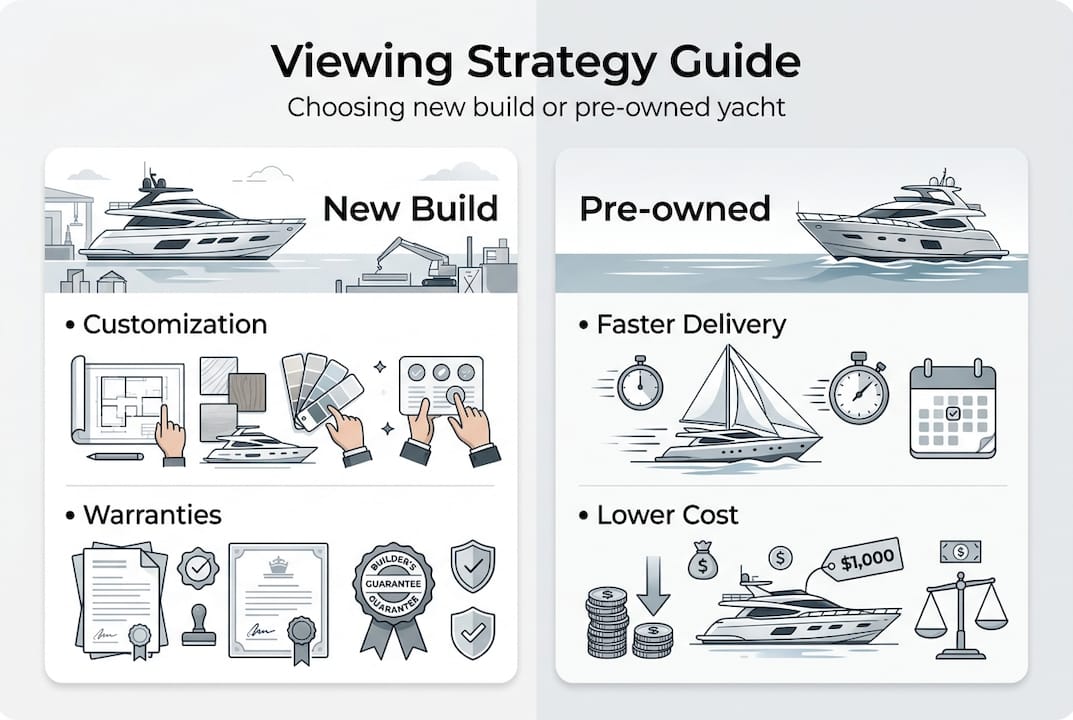
Deciding between new builds and pre-owned yachts shapes your viewing strategy. New builds offer customization opportunities and modern systems but require patience through construction timelines. Pre-owned vessels provide immediate availability and proven performance records but demand more thorough inspections. Both options require professional surveys to detect issues like osmosis, vibration problems, or structural concerns that aren’t visible during casual walkthroughs.
Schedule sea trials and surveyor appointments early in the process. Quality marine surveyors book weeks in advance, especially during peak buying seasons. Coordinate timing so the surveyor can attend the sea trial, observing performance under actual operating conditions rather than relying solely on dockside inspections.
Pro Tip: Create a detailed inspection checklist before viewing that covers systems specific to your intended use, whether that’s long-range cruising, entertaining, or performance sailing. This personalized approach ensures you evaluate what matters most for your yachting lifestyle rather than following generic checklists.
Executing the yacht viewing: step-by-step guide
The physical viewing process requires systematic evaluation across multiple areas. Rushing through inspections or skipping steps creates blind spots that surface as expensive problems after purchase.
Start your exterior inspection at the waterline, examining the hull for blisters, stress cracks, or repairs that suggest previous damage. Move methodically around the vessel, checking gelcoat condition, through-hull fittings, and underwater gear. Inspect the deck thoroughly for soft spots, crazing, or delamination. Examine all rails, cleats, and hardware for corrosion or loose fasteners. Check window seals and hatches for signs of leaks.
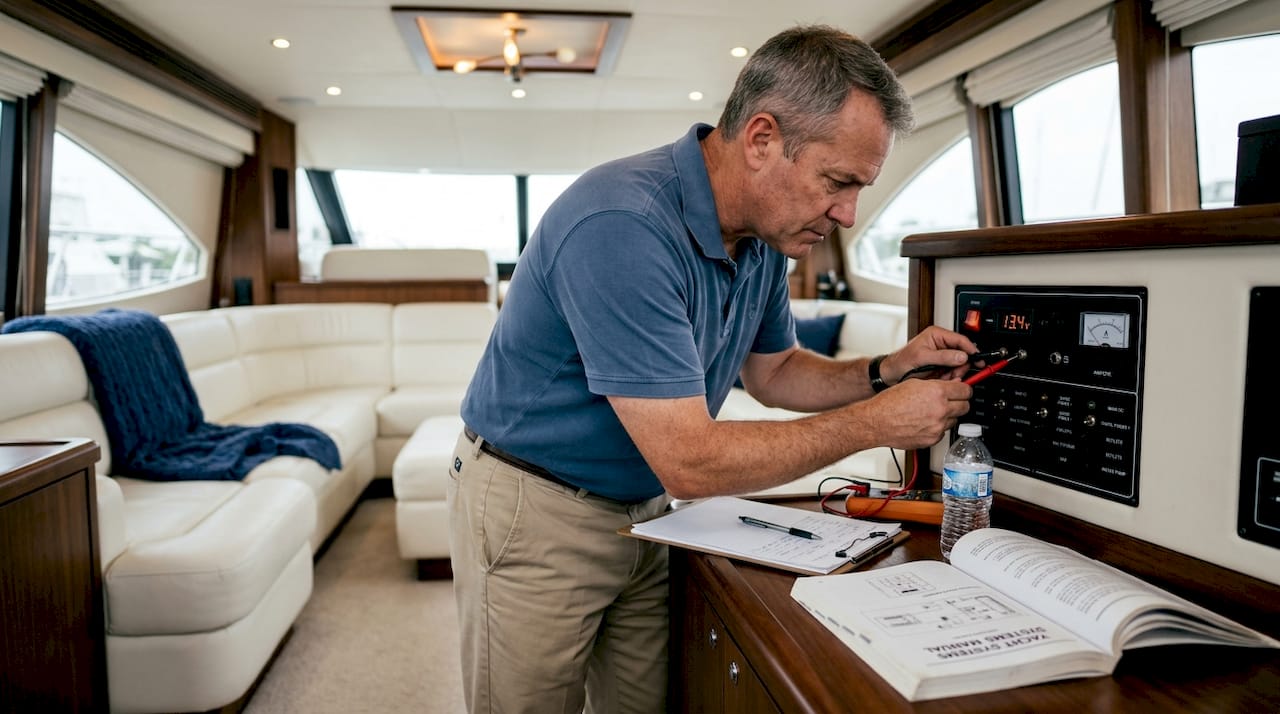
Interior inspection focuses on systems and livability. Test every electrical switch, outlet, and fixture. Run all pumps, including bilge, freshwater, and waste systems. Operate air conditioning and heating throughout the vessel. Open every locker and storage area, checking for moisture, odors, or hidden damage. Examine upholstery and woodwork for quality and condition. Verify that all navigation and communication electronics power up and function properly.
The sea trial details and duration typically span 2-6 hours, providing comprehensive performance assessment across varied conditions. During this critical phase, monitor engine performance at different RPM ranges, noting any unusual vibrations, smoke, or temperature fluctuations. Evaluate handling through turns, backing maneuvers, and emergency stops. Listen for abnormal noises from the running gear, shafts, or propellers. Test systems under load, running generators, air conditioning, and other equipment simultaneously to ensure adequate power capacity. Understanding the complete yacht purchase steps helps you appreciate why sea trials cannot be abbreviated or skipped.
| Inspection Area | Primary Focus | Key Indicators |
|---|---|---|
| Hull and Structure | Integrity and repairs | Blisters, stress cracks, previous damage, gelcoat condition |
| Mechanical Systems | Engine and running gear | Performance curves, vibration, temperature, smoke, noise levels |
| Electrical and Plumbing | Functionality under load | All systems operating simultaneously, pump performance, power capacity |
| Sea Trial Performance | Handling and stability | Maneuverability, speed ranges, vibration at cruise, emergency response |
| Legal Documentation | Clear title and ownership | Registry transcripts, lien searches, encumbrance verification |
Legal title verification through official registry transcripts confirms clear ownership and reveals any liens, mortgages, or encumbrances. This step protects you from inheriting previous owners’ financial obligations or discovering ownership disputes after closing. Your broker should coordinate these checks, but verify independently that documentation is current and complete. The comprehensive yacht ownership process includes these legal safeguards as standard practice.
Pro Tip: Record video during sea trials, capturing engine room sounds, vibration levels, and system performance. This documentation proves invaluable when comparing multiple yachts or discussing findings with surveyors and brokers later.
Troubleshooting and common mistakes in yacht viewing
Even experienced buyers fall into predictable traps during yacht viewings. Recognizing these pitfalls helps you avoid decisions you’ll regret.
The most costly mistake is skipping professional surveys or minimizing their importance. Some buyers, impressed by a yacht’s cosmetic condition or swayed by seller assurances, convince themselves that surveys are unnecessary expenses. This thinking ignores the reality that pristine yachts can have hidden issues like osmosis, structural weaknesses, or electrical problems that only trained surveyors detect. Survey costs represent a tiny fraction of purchase price but can save you from six-figure repair bills.
Relying solely on visual assessments without professional validation creates dangerous blind spots. Sellers naturally present their yachts in the best possible light, and cosmetic improvements can mask serious underlying problems. Fresh paint might hide hull blisters. New upholstery could conceal moisture damage. Updated electronics may distract from aging mechanical systems.
Common viewing errors include:
- Conducting abbreviated sea trials that miss performance issues at different speeds and loads
- Failing to test all systems simultaneously to verify adequate power and capacity
- Overlooking vibration or handling quirks as minor issues rather than symptoms of serious problems
- Accepting seller-provided surveys instead of hiring independent inspectors
- Rushing the viewing process due to competitive pressure or emotional attachment
Undervaluing stability, handling, and vibration tests during sea trials leads to unpleasant surprises. A yacht might look perfect at the dock but exhibit concerning behavior underway. Excessive vibration indicates propeller, shaft, or alignment issues. Poor handling suggests design flaws or damage. These problems dramatically affect your enjoyment and resale value.
“Even yachts that appear pristine or have undergone recent refits can harbor hidden defects. Comprehensive surveys and extended sea trials remain essential for new builds, pre-owned vessels, and everything in between. The cost of thorough inspection pales compared to discovering structural issues or mechanical failures after purchase.”
Hiring independent surveyors rather than accepting recommendations from sellers ensures unbiased opinions. Seller-suggested inspectors may have conflicts of interest or relationships that compromise objectivity. Your surveyor works exclusively for you, with no incentive to downplay problems or rush through inspections. Following a complete yacht buying checklist keeps you focused on essential verification steps rather than getting distracted by emotional factors.
Pro Tip: If you feel pressured to skip steps or accelerate the viewing process, that pressure itself is a red flag. Legitimate sellers understand that thorough inspections protect both parties and lead to smoother transactions.
Expected outcomes and post-viewing steps
After completing your viewing, survey, and sea trial, you enter the evaluation and negotiation phase where preparation pays dividends.
Review survey and sea trial findings systematically with your broker. Prioritize issues by severity and cost. Distinguish between minor cosmetic items, routine maintenance needs, and significant defects requiring immediate attention or price adjustment. Your surveyor’s report provides objective ammunition for negotiations, documenting specific problems and estimating repair costs.
Negotiation leverage comes from thorough documentation and market knowledge. If inspections reveal issues, you have several options: request price reductions reflecting repair costs, ask sellers to complete repairs before closing, or walk away if problems exceed acceptable risk. Your broker’s expertise proves invaluable here, advising whether findings justify renegotiation and what adjustments the market supports. Understanding choosing a luxury yacht principles helps you assess whether discovered issues are deal breakers or manageable concerns.
Deposit implications under standard purchase agreements like MYBA MOA carry significant weight. After deposit, buyers have limited withdrawal rights under MYBA MOA, with specific conditions triggering refund eligibility. Understanding these terms before committing protects your deposit while maintaining negotiation flexibility. Survey findings typically provide grounds for renegotiation, but review your specific agreement terms with legal counsel.
Ongoing ownership costs average 10-15% annually of yacht value, covering maintenance, crew, insurance, dockage, and operations. Budget realistically for these expenses before finalizing purchase. A yacht you can barely afford to buy becomes a financial burden you definitely cannot afford to maintain. Factor in potential refit costs if survey findings indicate upcoming system replacements or major maintenance.
Post-viewing to purchase milestones follow a structured sequence:
- Review and discuss survey and sea trial reports with your broker within 48 hours
- Determine negotiation strategy based on findings and current market conditions
- Submit revised offer or repair requests if issues warrant adjustment
- Finalize purchase price and terms once negotiations conclude
- Arrange insurance coverage and confirm financing if applicable
- Coordinate closing logistics including title transfer, registration, and payment
- Schedule delivery or arrange for professional captain to relocate the yacht
- Complete post-purchase documentation and establish maintenance schedules
Effective yacht pricing strategy considers not just purchase price but total cost of ownership, helping you budget appropriately for the complete yachting lifestyle.
Legal documentation review should involve maritime attorneys familiar with yacht transactions. They verify that contracts protect your interests, title transfers properly, and all regulatory requirements are met. This legal oversight prevents complications that could delay closing or create future ownership disputes.
Discover exclusive luxury yachts with expert guidance
Navigating the yacht viewing process successfully requires expertise, market access, and systematic evaluation skills that professional brokerage services provide. Whether you’re considering why buy a luxury yacht or ready to move forward with purchase, expert guidance streamlines every step while protecting your investment. Our curated portfolio includes exclusive listings that match your specific requirements, backed by comprehensive market knowledge and negotiation experience. We coordinate surveys, sea trials, and legal verification, ensuring nothing falls through the cracks during this complex process. Understanding how to choose a luxury yacht becomes simpler when you work with professionals who know the market intimately. Explore our approach to yacht brokerage expertise and discover how personalized service transforms yacht acquisition from stressful to seamless.
Frequently asked questions
What is included in a professional yacht sea trial?
A professional sea trial details typically lasts 2-6 hours and includes comprehensive performance testing across varied operating conditions. The trial evaluates engine performance at different RPM ranges, handling characteristics through turns and maneuvers, vibration levels at cruise and top speeds, and noise levels throughout the vessel. Systems are tested under load, running generators, air conditioning, and other equipment simultaneously to verify adequate capacity. The surveyor monitors temperatures, pressures, and mechanical performance while documenting any concerns for the final report.
Why should I hire an independent surveyor when viewing a yacht?
Independent surveyors provide unbiased inspections to uncover hidden issues like osmosis, vibrations, structural defects, or mechanical problems that visual inspections miss. They work exclusively for you with no conflicts of interest or relationships with sellers that could compromise objectivity. Professional surveyors have specialized training and equipment to detect problems invisible to untrained eyes, protecting your investment by revealing the true condition before you commit. Their detailed reports provide negotiation leverage and document baseline condition for future reference.
How do new build yachts compare to pre-owned yachts during viewing?
New builds offer customization and modern features with warranties, allowing you to specify layouts, systems, and finishes matching your exact preferences. Pre-owned yachts provide immediate availability and proven performance records, often at lower prices than comparable new builds. However, both require thorough surveys to uncover potential issues. New builds can have construction defects or design flaws, while pre-owned vessels may have hidden wear, osmosis, or deferred maintenance. The viewing process for each focuses on different priorities but demands equal diligence and professional assessment.
What legal checks are essential before purchasing a yacht?
Essential legal verification includes obtaining official registry transcripts confirming clear title and current ownership, conducting lien searches to reveal any mortgages or financial encumbrances, and verifying that all taxes and registration fees are current. Review the vessel’s documentation history to ensure proper registration and flag state compliance. Confirm that sellers have legal authority to transfer ownership and that no disputes or claims exist against the vessel. Maritime attorneys should review all contracts and closing documents to protect your interests and ensure proper title transfer under applicable maritime law.
How long should I spend viewing a yacht before making an offer?
Plan for multiple viewing sessions totaling at least 4-8 hours of direct inspection time, not including travel or scheduling. Initial walkthroughs typically take 2-3 hours to examine exterior, interior, and systems thoroughly. Sea trials add another 2-6 hours for comprehensive performance evaluation under varied conditions. Additional time for surveyor inspections, engine room examinations, and detailed system testing extends the process further. Rushing viewings to meet artificial deadlines increases risk of missing critical issues. Quality yachts deserve thorough evaluation, and sellers who pressure abbreviated inspections raise red flags about vessel condition or transaction legitimacy.
Recommended
Featured Listings
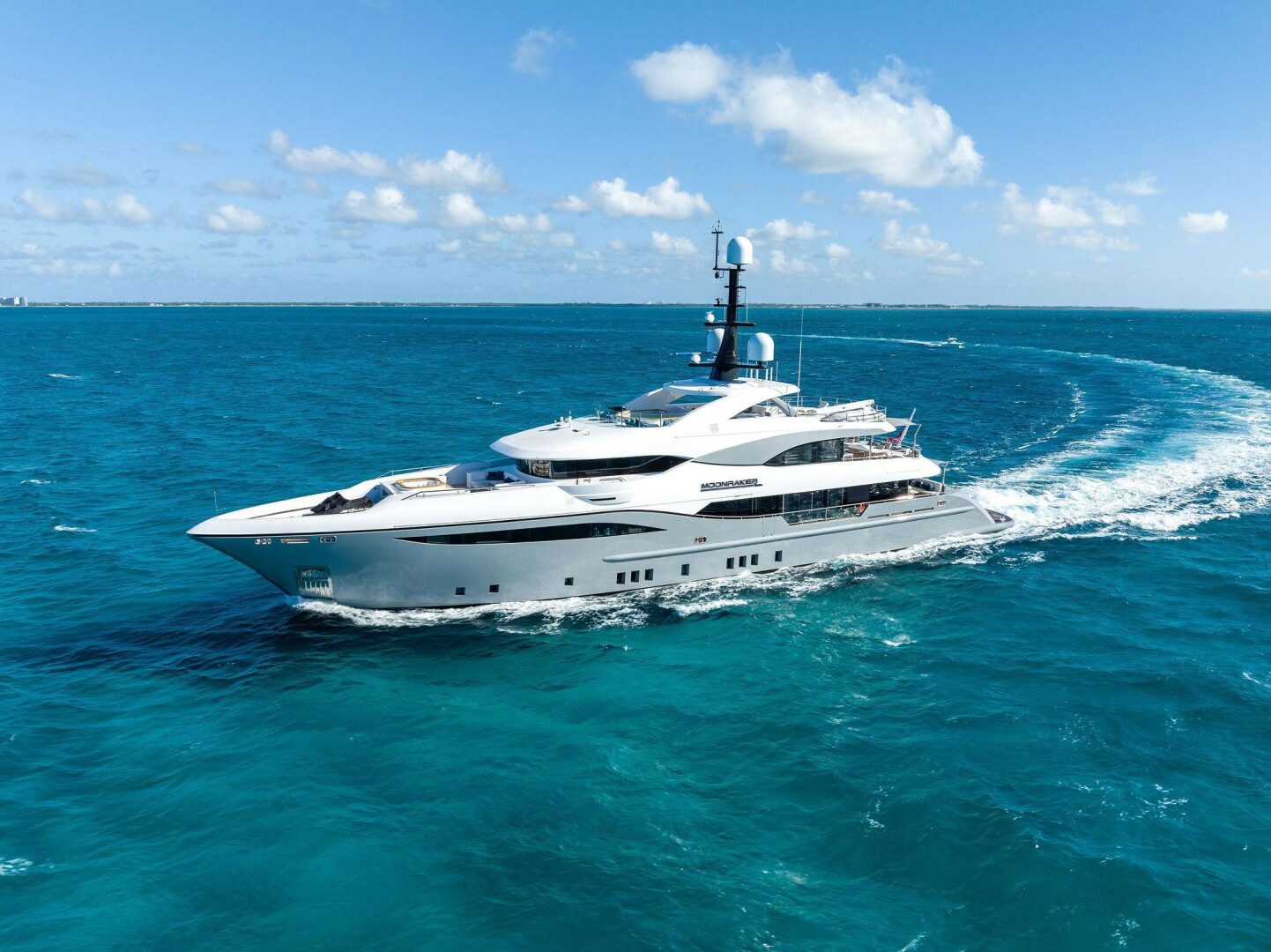
2019 Bilgin MOONRAKER
$21,404,500
156
West Palm Beach Florida

2028 Columbus Yachts
$22,900,008
137
Ancona
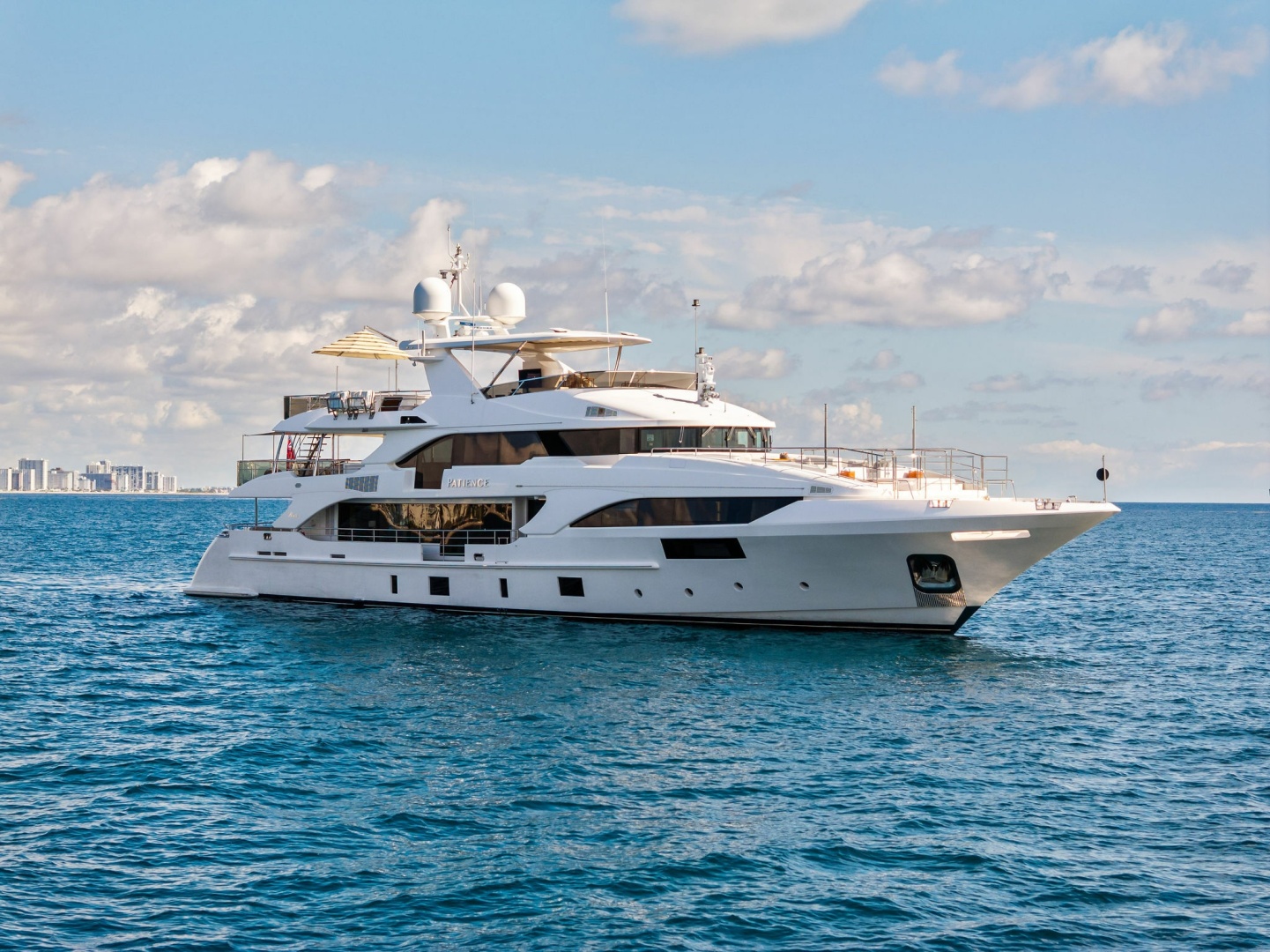
2012 Benetti PATIENCE
$10,975,000
132
Fort Lauderdale Florida
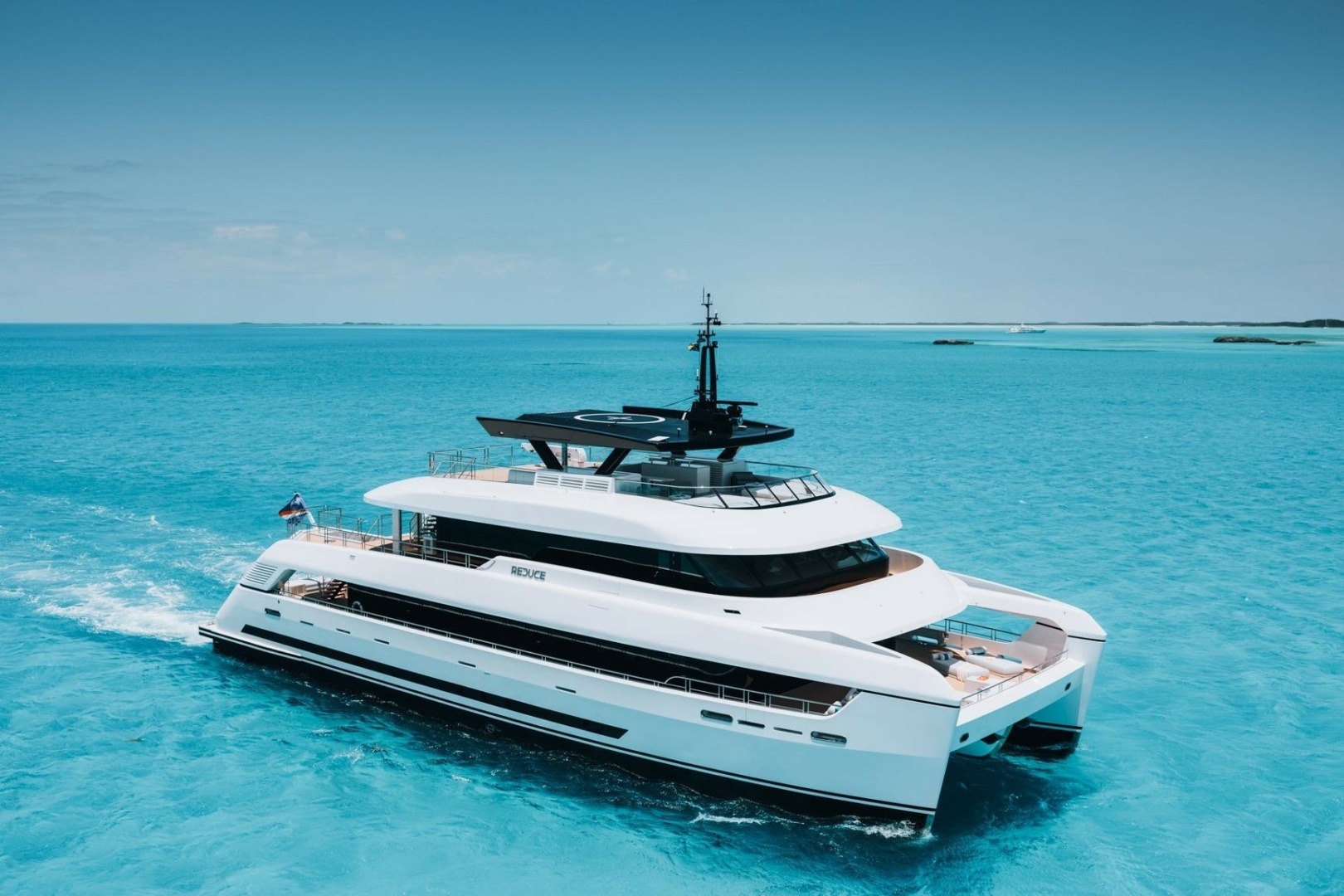
2024 Silver Yachts
$25,400,000
117
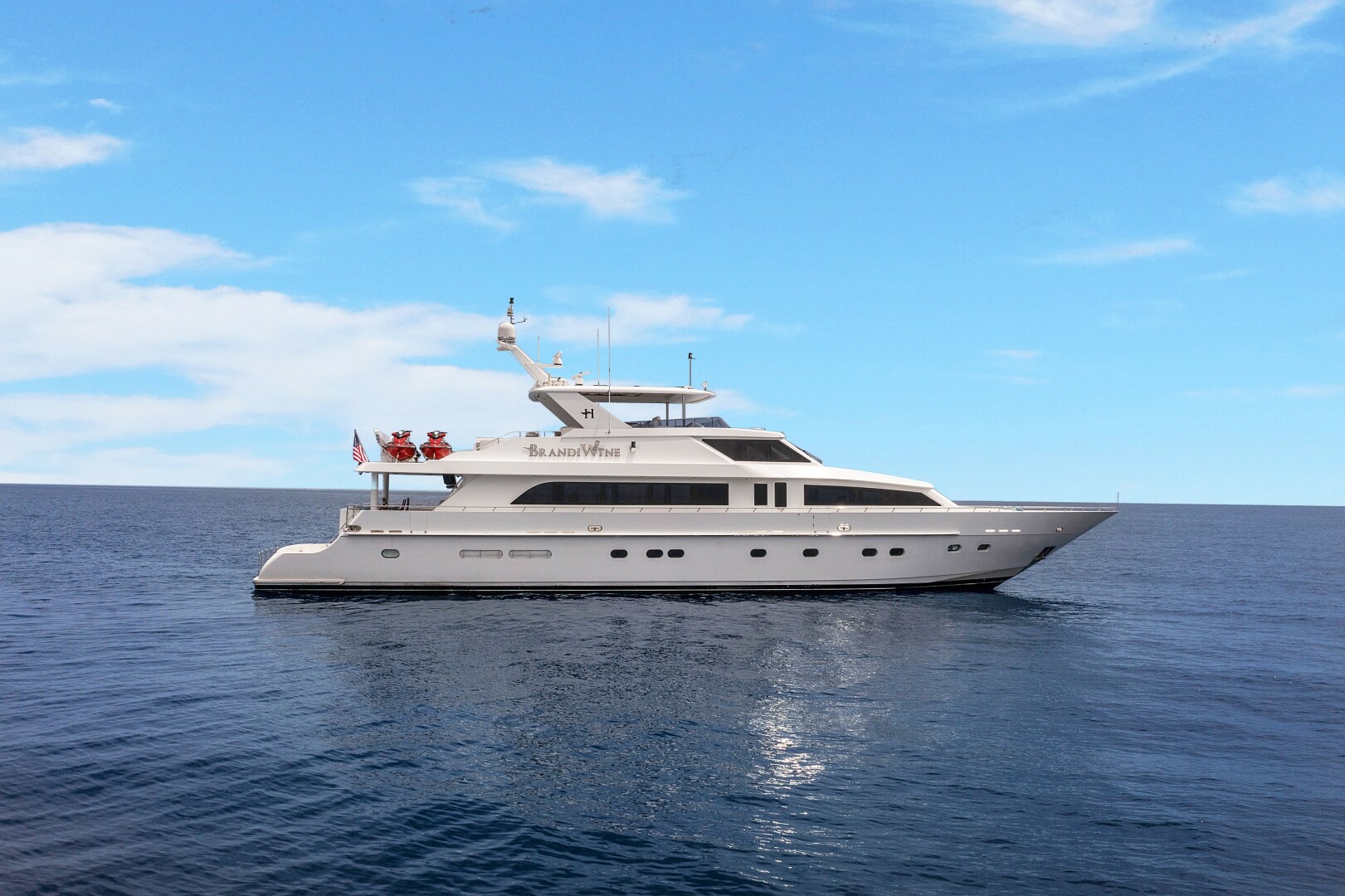
2009 Hargrave BRANDI WINE
$2,995,000
114
Fort Lauderdale Florida

2028 Extra Yachts
$21,404,500
100
Ancona

2028 Extra Yachts Extra 96
$9,495,000
96
Ancona
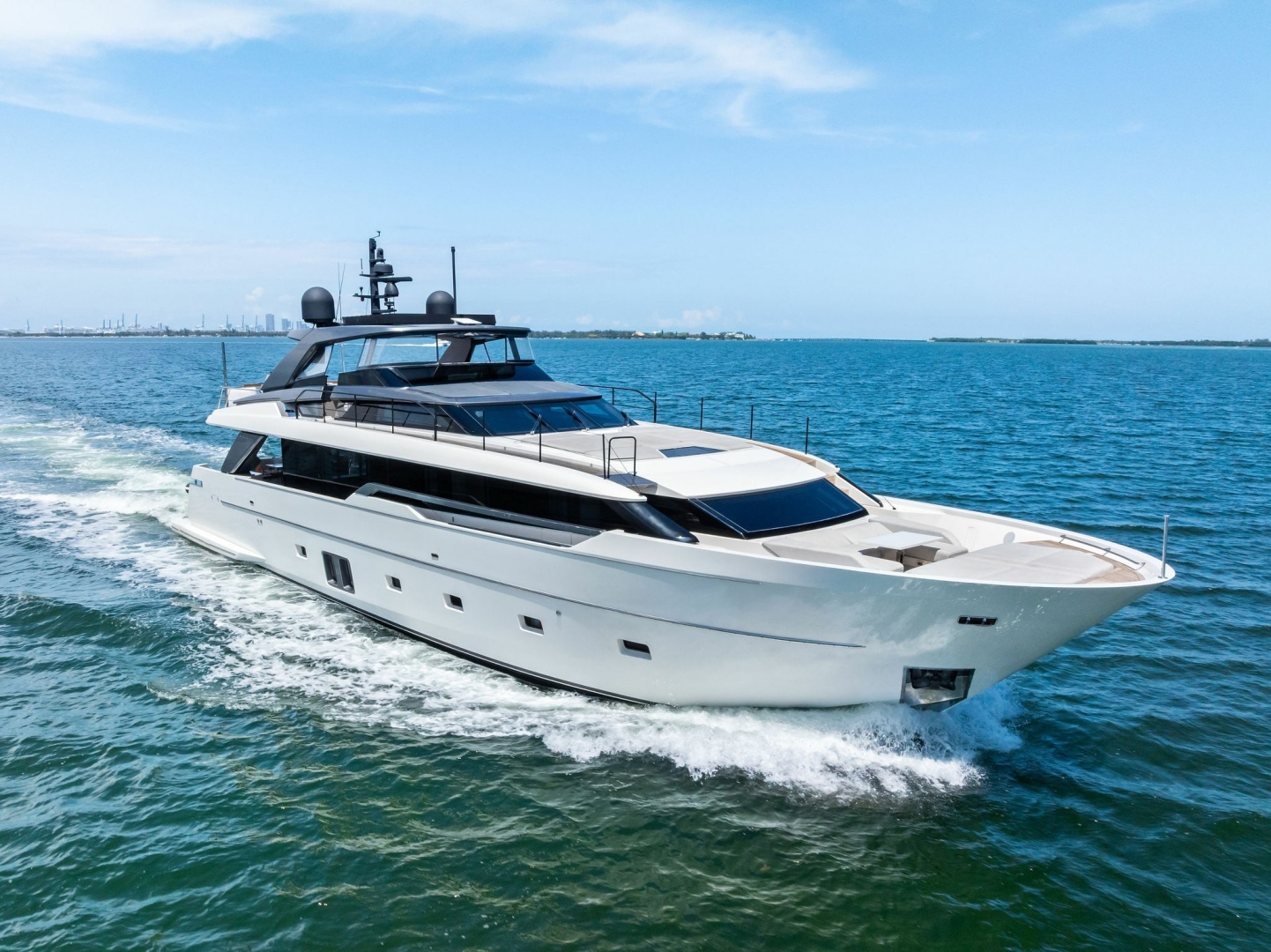
2021 Sanlorenzo GATSBY
$6,795,000
96
Miami Beach Florida

1999 Northern Marine OFF LINE
$2,495,000
84
Ft Lauderdale Florida
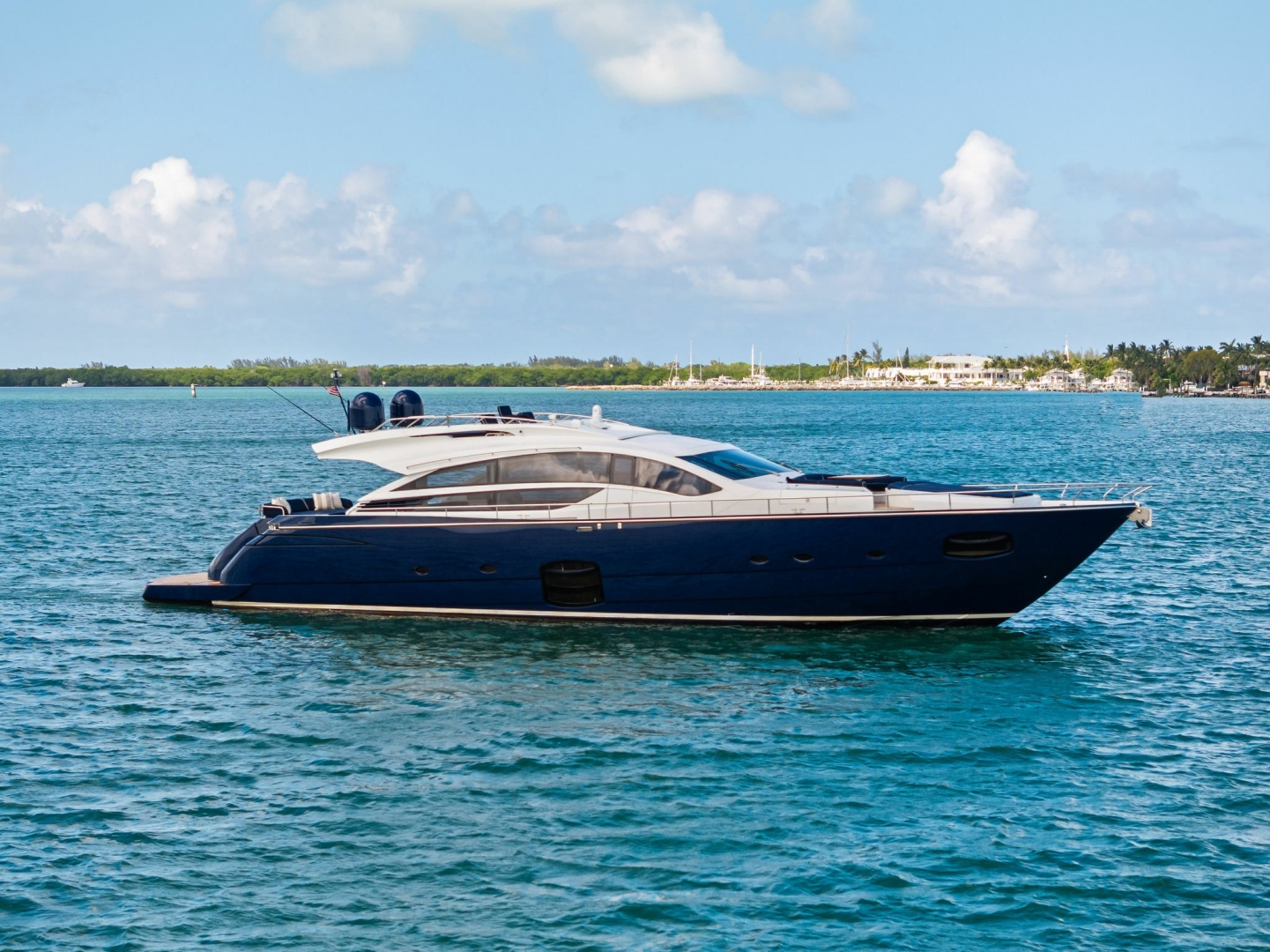
2013 Pershing DOROTHY ANN
$1,750,000
82
Miami Beach Florida

1997 Ferretti Yachts
$850,000
80
La Paz
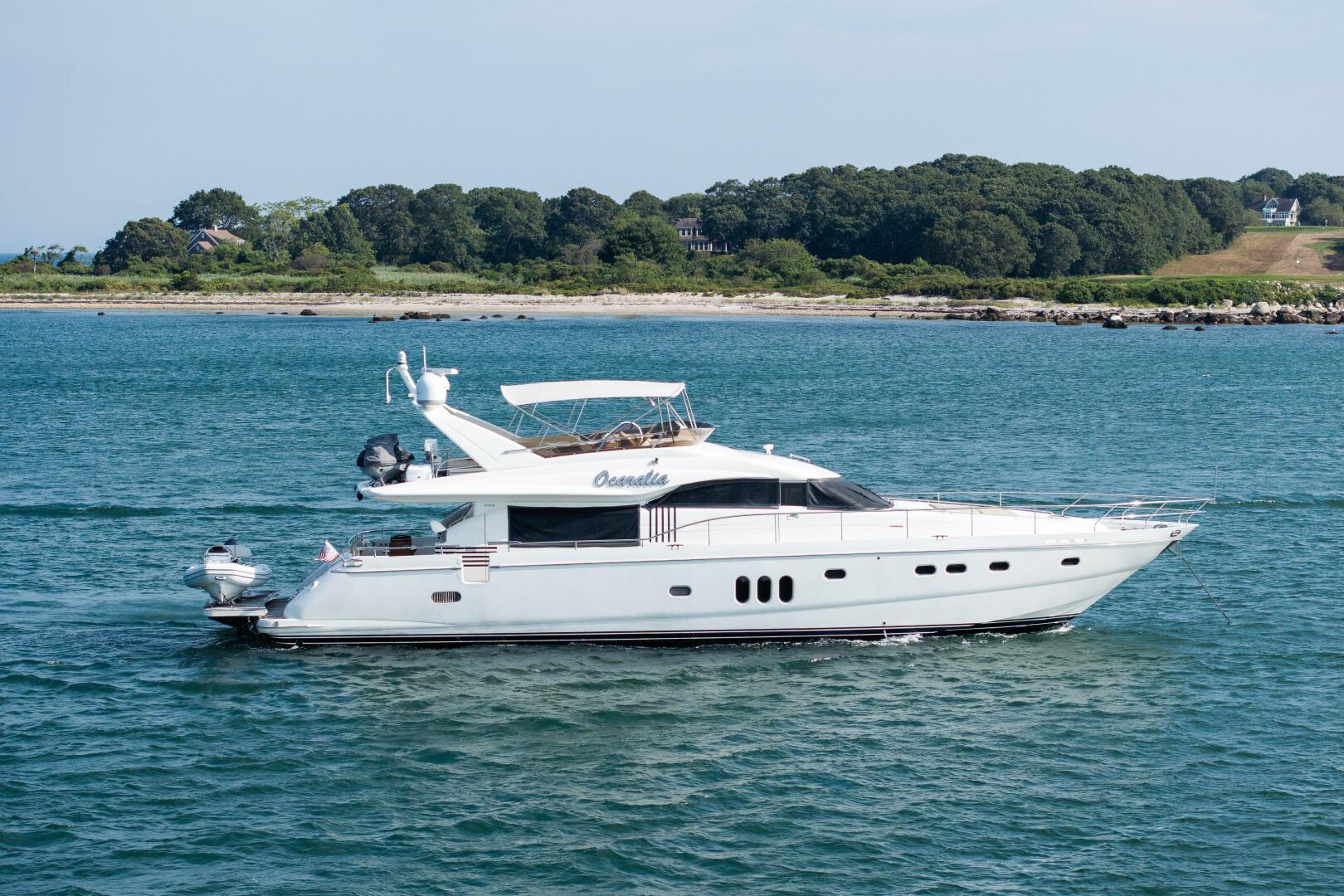
2008 Princess Yachts OCARALIA
$1,095,000
75
Charleston South Carolina
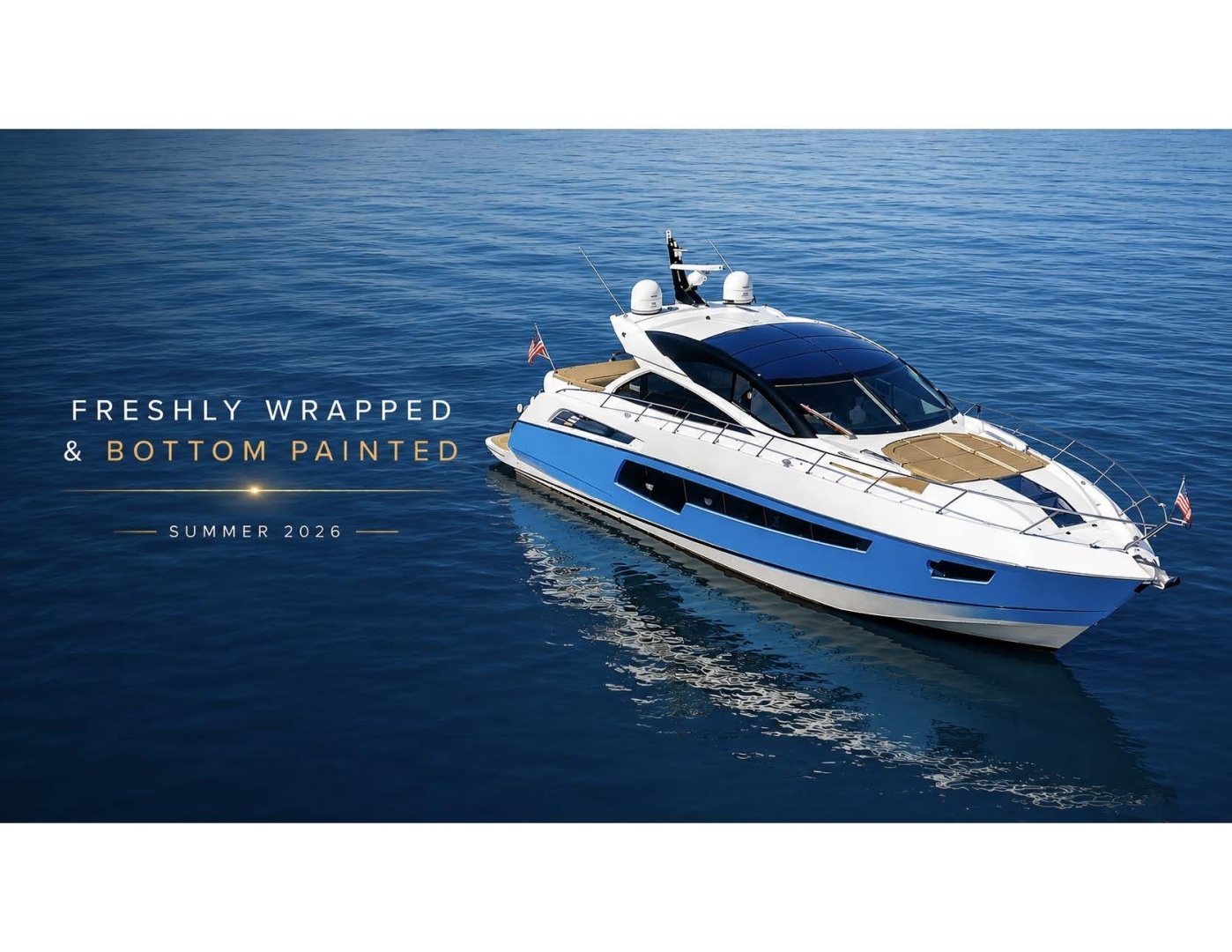
2014 Sunseeker
$1,400,000
68
New York New York

2024 Fairline
$2,750,000
68
Ft. Lauderdale Florida

2024 Sunreef Catallaxi
$3,700,000
60
Newport Rhode Island
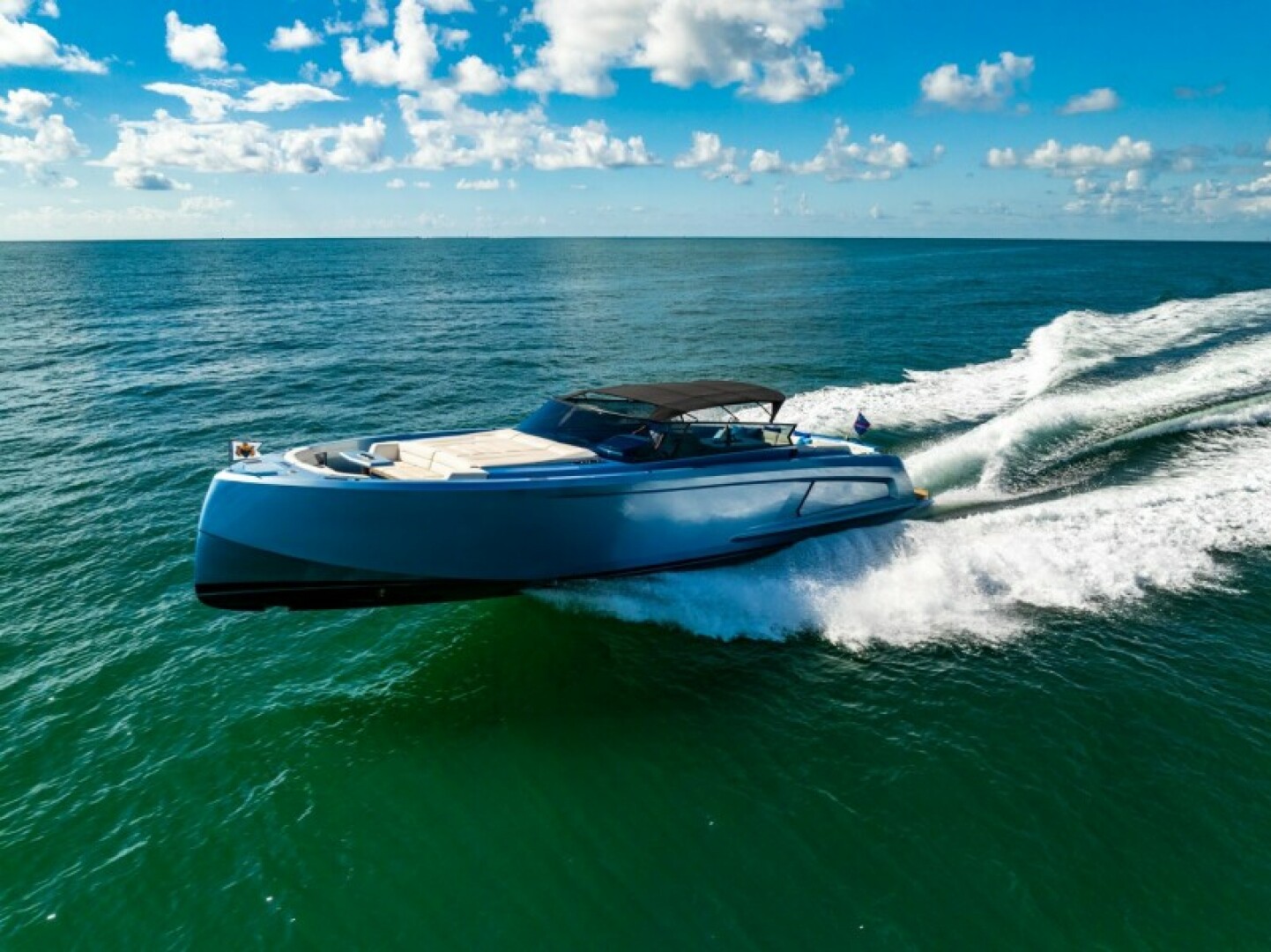
2019 Vanquish Yachts IMPULSIVE
$1,799,000
58
Miami Beach Florida
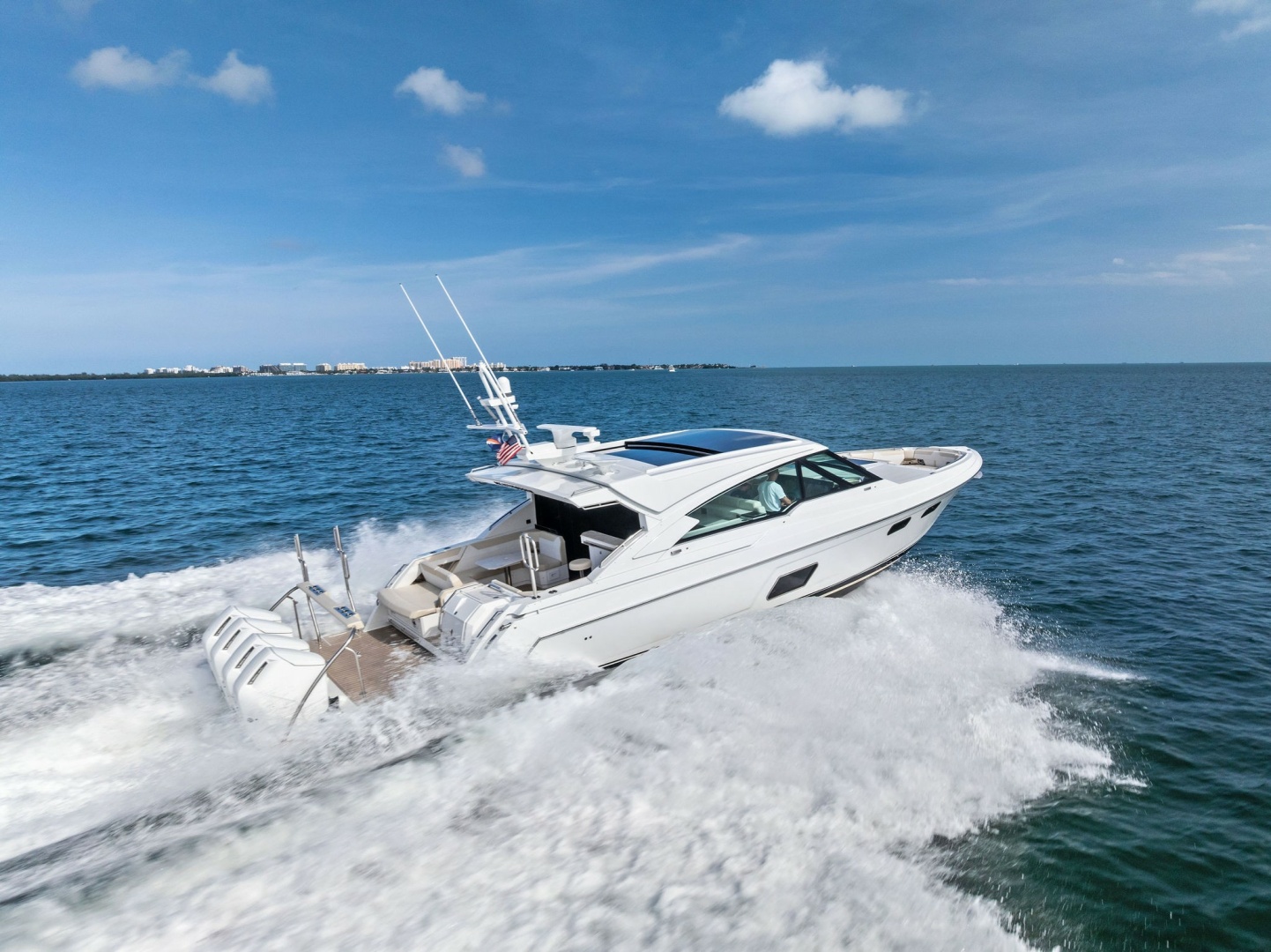
2025 Formula BREAKTHROUGH III
$1,895,000
53
Miami Beach Florida

2023 Fairline
$900,000
45
Fort Lauderdale Florida
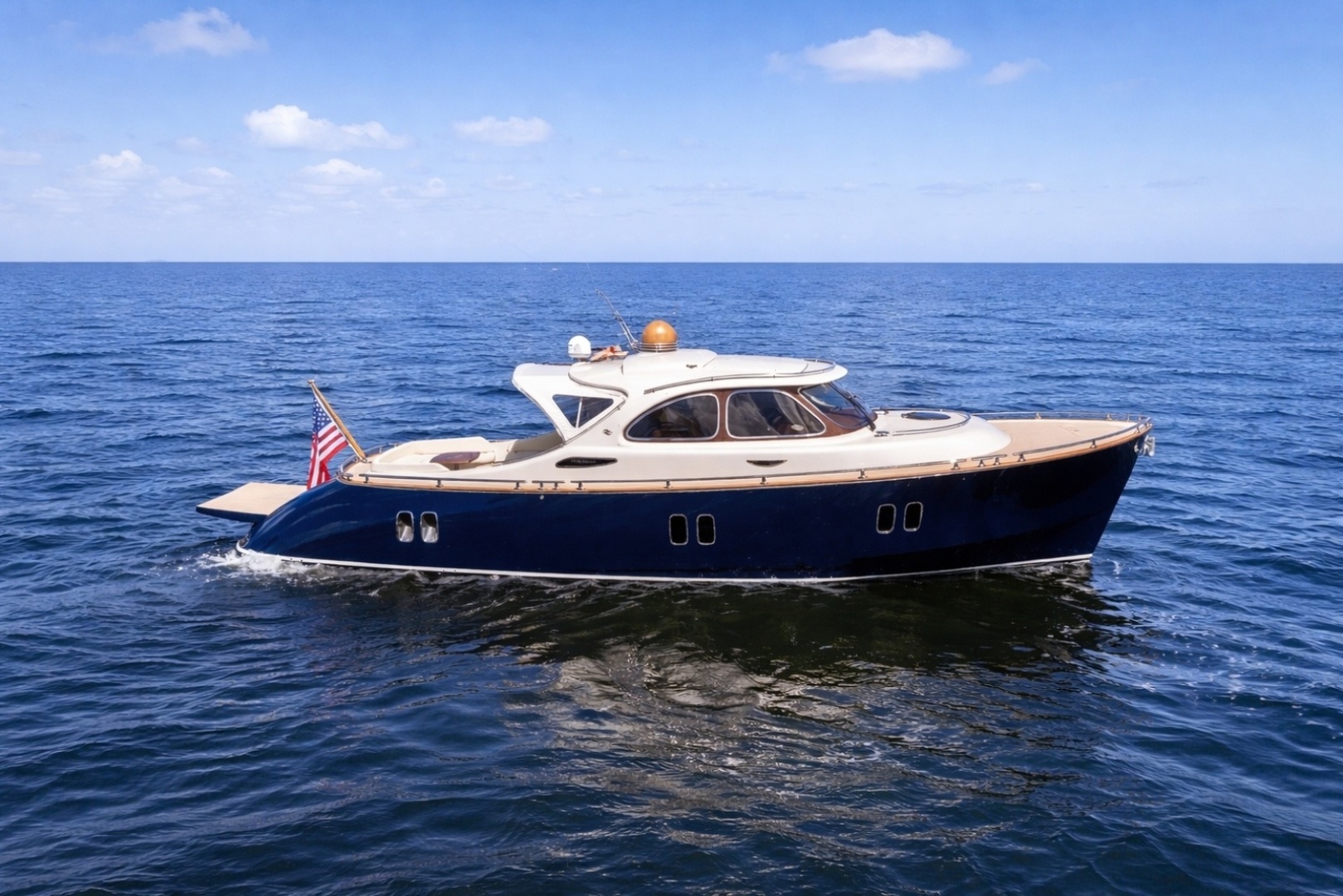
2012 Zeelander Mississippi Queen
$575,000
44
West Palm Beach Florida
2019 Bilgin 156'
$21,404,500
2028 Columbus Yachts 137'
$22,900,008
2012 Benetti 132'
$10,975,000
2024 Silver Yachts 117'
$25,400,000
2009 Hargrave 114'
$2,995,000
2028 Extra Yachts 100'
$21,404,500
2028 Extra Yachts 96'
$9,495,000
2021 Sanlorenzo 96'
$6,795,000
1999 Northern Marine 84'
$2,495,000
2013 Pershing 82'
$1,750,000
1997 Ferretti Yachts 80'
$850,000
2008 Princess Yachts 75'
$1,095,000
2014 Sunseeker 68'
$1,400,000
2024 Fairline 68'
$2,750,000
2024 Sunreef 60'
$3,700,000
2019 Vanquish Yachts 58'
$1,799,000
2025 Formula 53'
$1,895,000
2023 Fairline 45'
$900,000
2012 Zeelander 44'
$575,000