

Choosing the right yachting destination is not just about finding a beautiful coastline. It is about identifying a place that seamlessly combines world-class marina services, natural allure, and exclusive onshore amenities. For luxury yacht owners and high-end travelers, these locations offer both practical support for your vessel and the opportunity for unforgettable experiences. Explore the unique appeal of yachting destinations and see how they deliver unmatched privacy, vibrant culture, and refined adventure.
Table of Contents
- Defining Yachting Destinations And Core Appeal
- Popular Types Of Yachting Locations Worldwide
- Seasonal Trends And Premier Regions Explained
- Exclusive Amenities And Onboard Experience Essentials
- Legalities, Safety, And Local Entry Requirements
Key Takeaways
| Point | Details |
|---|---|
| Yachting Destinations | Successful yachting destinations combine maritime infrastructure, destination character, and leisure potential to attract affluent travelers. |
| Demand Factors | Travelers select yachting locations based on vital services, natural attributes, cultural significance, and accessibility. |
| Lifestyle and Privacy | Yachting offers a unique blend of privacy and social engagement, allowing owners the freedom to choose their level of interaction with local cultures. |
| Seasonal Planning | Understanding yachting seasons and aligning vessel positioning with optimal conditions enhances the overall ownership experience. |
Defining Yachting Destinations and Core Appeal
A yachting destination is far more than a location on a map. It’s a carefully orchestrated combination of services, environment, and cultural experiences designed to attract affluent travelers seeking both adventure and refinement. Think of it as a curated ecosystem where every element—from marina infrastructure to coastal scenery to local hospitality—works together to create an unforgettable experience.
For yacht owners and luxury travelers, these destinations represent the intersection of three critical dimensions:
- Maritime infrastructure: World-class marinas, fuel docking facilities, and technical support services
- Destination character: Natural beauty, cultural attractions, and exclusive onshore amenities
- Leisure potential: Water sports, dining experiences, and premium entertainment options
The core appeal of yachting destinations stems from the unique way they combine these elements. Unlike traditional vacation spots, a premier yachting destination must serve as both a practical home base for your vessel and a sophisticated retreat for personal enrichment.
What Drives Demand for Specific Destinations
Research into maritime yachting tourism experiences reveals that travelers choose yachting destinations based on five primary factors:
- Core marina services and vessel support
- Natural environmental characteristics
- Quality of onshore dining and entertainment
- Cultural and historical significance
- Accessibility and ease of navigation
Yacht buyers should understand that destination appeal is deeply personal. A 150-footer seeking Caribbean tranquility requires different infrastructure than a 200+ meter superyacht navigating Mediterranean hotspots. Your vessel’s size, your crew’s needs, and your lifestyle preferences fundamentally shape which destinations serve your interests.
The Lifestyle Component
What truly distinguishes yachting destinations is their ability to provide both complete privacy and sophisticated social engagement. Whether you’re anchoring in a remote cove or berthing in a world-renowned marina, the destination must offer flexibility. You control when you interact with local culture and when you retreat to your private floating sanctuary.
This freedom represents the core appeal—access to exclusive experiences without surrendering the comfort and control of yacht ownership. That’s why understanding the investment value and lifestyle benefits of yacht ownership directly informs which destinations align with your priorities.
Destinations prove their worth through consistent delivery: impeccable service, secure anchorages, reliable provisioning, and seamless crew rotations. When everything works perfectly, you barely notice it. When standards slip, the entire experience suffers.
Your ideal yachting destination aligns perfectly with how you want to spend your time—whether that’s active exploration or serene seclusion.
Pro tip: When evaluating a destination, spend time talking with other yacht owners who’ve actually spent seasons there rather than relying on travel guides designed for conventional tourists.
Popular Types of Yachting Locations Worldwide
Yachting destinations fall into distinct categories, each offering unique characteristics and appeal. Understanding these types helps you identify locations that match your vessel, cruising style, and personal priorities. The global yachting landscape includes everything from bustling coastal metropolises to remote island anchorages, and each serves different purposes in your ownership experience.
Think of yachting locations as falling into five primary categories:
Here’s a quick reference comparing popular yachting location types:
| Location Type | Social Atmosphere | Privacy Level | Example Regions |
|---|---|---|---|
| Coastal Marina Cities | Highly vibrant, event-focused | Moderate, less secluded | Monaco, Miami, Dubai |
| Island Resort Destinations | Relaxed, upscale interactions | High, variable by cove | Caribbean, Greek Islands |
| Sheltered Bay Havens | Low-key, seasonal communities | Very high, stable base | New Zealand Bay of Islands |
| Open-water Cruising Routes | Dynamic, changing crews | Varies by passage | Transatlantic, Pacific paths |
| Adventure Exploration Ports | Intimate, expedition teams | Maximal, remote setting | Alaska, Patagonia, Antarctica |
- Coastal marina cities: Urban centers with full service infrastructure and cultural attractions
- Island resort destinations: Exclusive archipelagos with sheltered anchorages and leisure amenities
- Sheltered bay havens: Protected natural anchorages ideal for season-long positioning
- Open-water cruising routes: Transit corridors connecting major destinations with their own appeal
- Adventure exploration ports: Remote or specialized locations for expedition-style yachting
Coastal Marina Cities
These are the powerhouses of yachting tourism. Major coastal cities like Monaco, Miami, and Dubai function as operational hubs where world-class marina services and yacht support create the infrastructure your vessel requires. They offer comprehensive fuel services, repair facilities, crew provisioning, and seamless vessel management.
What makes these locations valuable goes beyond mechanics. You gain access to Michelin-starred dining, high-end shopping, cultural events, and social networks of fellow yacht owners. These cities never sleep, which appeals to owners who want constant engagement and activity.
Island Resort Destinations
Island chains like the Caribbean and Mediterranean archipelagos represent the opposite appeal. These locations provide multiple anchorage options within cruising distance, allowing you to change scenery daily without repositioning hundreds of miles. The economic potential of recreational yachting in island-based marina systems continues driving development of exclusive resort-style facilities.
Island destinations excel at blending privacy with occasional sophistication. You anchor in a pristine cove one day, then motor to a resort island the next for dinner. The flexibility defines their appeal for owners seeking balanced experiences.
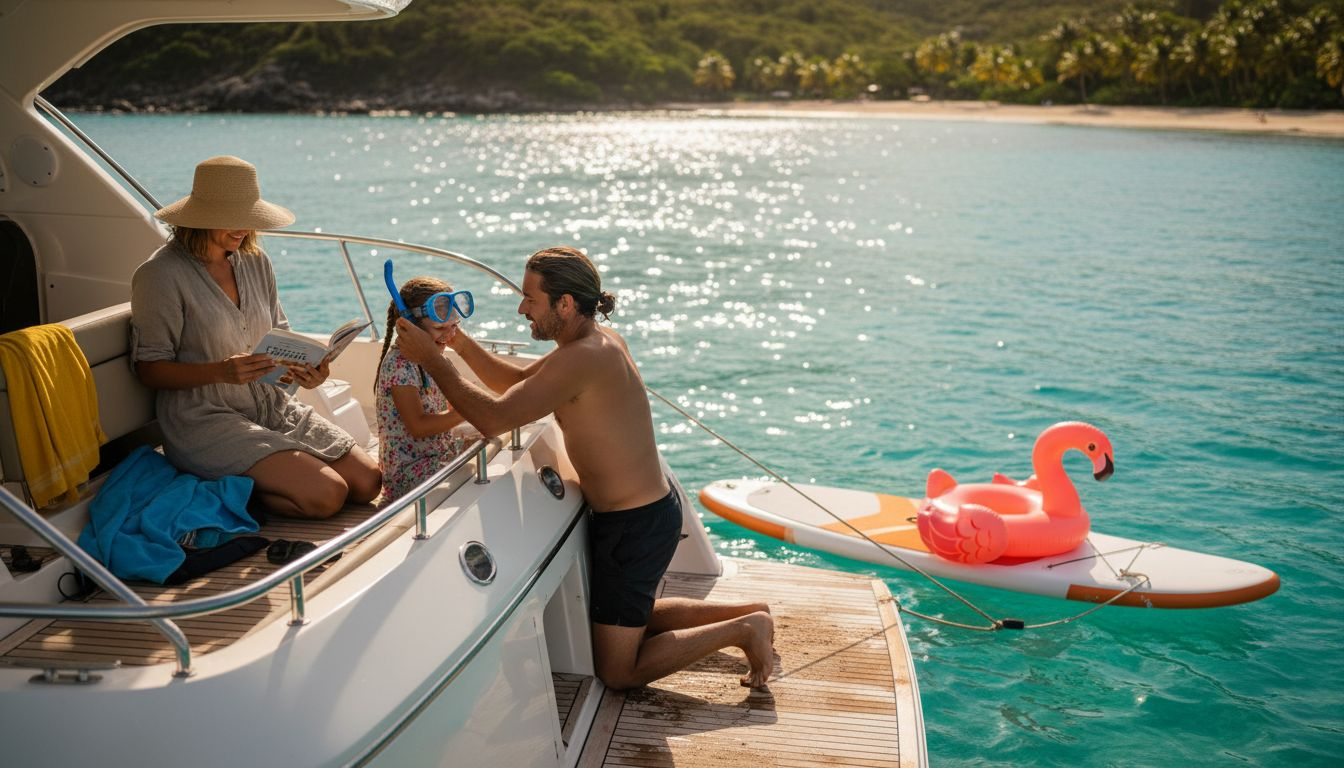
Sheltered Bay Havens
Certain geographic locations offer natural protection from weather and swell. These protected anchorages become seasonal home bases where owners position vessels for extended periods. Think of Greece’s Aegean islands or New Zealand’s Bay of Islands—places where holding ground stays secure and the environment feels stable.
The best yachting destination for you depends entirely on how you want to spend your time and what operational demands matter most to your crew.
Choosing Your Primary Type
Most experienced yacht owners maintain relationships with multiple destination types. You might keep a superyacht positioned in a full-service Mediterranean marina during summer, then move to Caribbean islands for winter exploration. This portfolio approach maximizes your vessel’s utility.
Your choice depends on four factors:
- How much crew support infrastructure you require
- Whether you prioritize cultural engagement or natural seclusion
- Your vessel’s size and operational needs
- Your preferred cruising season and weather patterns
Each location type demands different preparation and offers distinct rewards. Understanding these categories clarifies which destinations deserve your attention and investment.
Pro tip: Visit potential destination types during shoulder seasons (April-May or September-October) when crowds thin but facilities remain fully operational, giving you honest insight into the location without peak-season chaos.
Seasonal Trends and Premier Regions Explained
Yachting seasons are not arbitrary. They’re defined by weather patterns, ocean conditions, and the predictable movement of yacht owners seeking optimal conditions. Understanding seasonal rhythms and regional preferences is essential for positioning your vessel strategically and maximizing your ownership experience throughout the year.
The global yachting calendar creates distinct peaks and valleys. Global nautical tourism trends reveal that owner behavior clusters around specific windows when weather, infrastructure readiness, and social calendars align perfectly.
Understanding the Northern Hemisphere Summer
June through September represents peak Mediterranean yachting season. This is when 40 to 60 percent of global superyachts concentrate in European waters. The Côte d’Azur, Croatian coastline, and Greek islands operate at maximum capacity during these months.
What drives this concentration? Predictable weather, calm seas, and the European social calendar converge. You’ll encounter fellow owners, established provisioning services run at full capacity, and a vibrant social scene. This season suits owners seeking engagement and activity.
The trade-off is crowding. Popular anchorages fill quickly, mooring fees peak, and privacy becomes harder to find. August especially sees marina congestion across the Mediterranean.
Caribbean Winter Escape
December through March defines Caribbean season. As Northern Hemisphere temperatures drop, yacht owners migrate south in what industry professionals call the “winter window.” The Caribbean offers hurricane-free months, reliable weather, and the hemisphere’s warmest conditions.
This season attracts a different owner profile—those seeking warmth, water sports, and island exploration. The trade winds blow consistently, creating excellent sailing conditions. Crew rotations happen predictably, with holiday schedules influencing crew availability.
Prime Caribbean spots like the Bahamas, St. Barts, and the Grenadines become fully booked by January. Plan vessel positioning by October to secure desirable berths.
Shoulder Seasons and Underrated Opportunities
April through May and September through November are shoulder seasons—overlooked windows of opportunity. During these months, yachting tourism demand and supply patterns shift dramatically, creating distinct advantages for strategic owners.
Weather remains favorable while crowds thin significantly. Mediterranean spring offers perfect sailing conditions with 30 percent fewer vessels. Crew can actually rest. Anchorages feel peaceful rather than congested. Provisioning services remain fully operational despite lower demand.
Most owners dismiss these periods as “off-season,” creating hidden value for those who plan differently.
Premier Regions and Their Peak Windows
Each major yachting region has optimal timing:
- Mediterranean: May through September, peak June-August
- Caribbean: December through March, peak January-February
- Southeast Asia: November through March
- Alaska and Canada: June through September
- Pacific: January through March
- Arabian Gulf: October through April
Your ideal seasonal rhythm depends on your vessel size, crew structure, and personal preferences. Larger superyachts typically follow established migration patterns. Smaller vessels enjoy flexibility to chase perfect weather year-round.
Here’s a summary of peak yachting seasons by region:
| Region | Peak Months | Main Draw | Space Availability |
|---|---|---|---|
| Mediterranean | June–August | Social events, culture | Limited in high season |
| Caribbean | December–February | Warmth, island hopping | Fully booked by Jan |
| Southeast Asia | Nov–March | Exotic routes, calm seas | Moderate |
| Alaska/Canada | June–Sept | Wildlife, nature | Roomy, less crowded |
| Pacific Islands | Jan–March | Adventure, open seas | Ample outside holidays |
| Arabian Gulf | Oct–April | Luxury, city access | Varies by event |
The best yachting strategy aligns your vessel’s movement with optimal regional seasons while positioning crew rotations during predictable demand cycles.
Planning Your Annual Positioning
Most successful yacht owners work backward from their preferred social and weather windows. Determine where you want to be December, June, and August. Then plan vessel movements connecting those points during ideal sailing seasons.
This approach requires coordinating five factors:
- Desired location during peak periods
- Transit routes between seasonal bases
- Crew rotation logistics
- Marina availability and reservations
- Fuel and provisioning efficiency
Your brokerage partner should understand these seasonal complexities and help you position your vessel strategically throughout the year.
Pro tip: Book your primary marina position during peak season by early autumn of the previous year—premium berths in Monaco, Palma, and St. Barts fill completely 9-12 months in advance.
Exclusive Amenities and Onboard Experience Essentials
Your yacht is not simply a vessel—it’s a floating sanctuary where every detail reflects your taste and enhances your lifestyle. The distinction between an ordinary yacht and a truly exceptional one lies in how thoughtfully amenities are curated and integrated into daily onboard life. Premium yachting experiences depend on seamless execution of comfort, wellness, and personalized service.
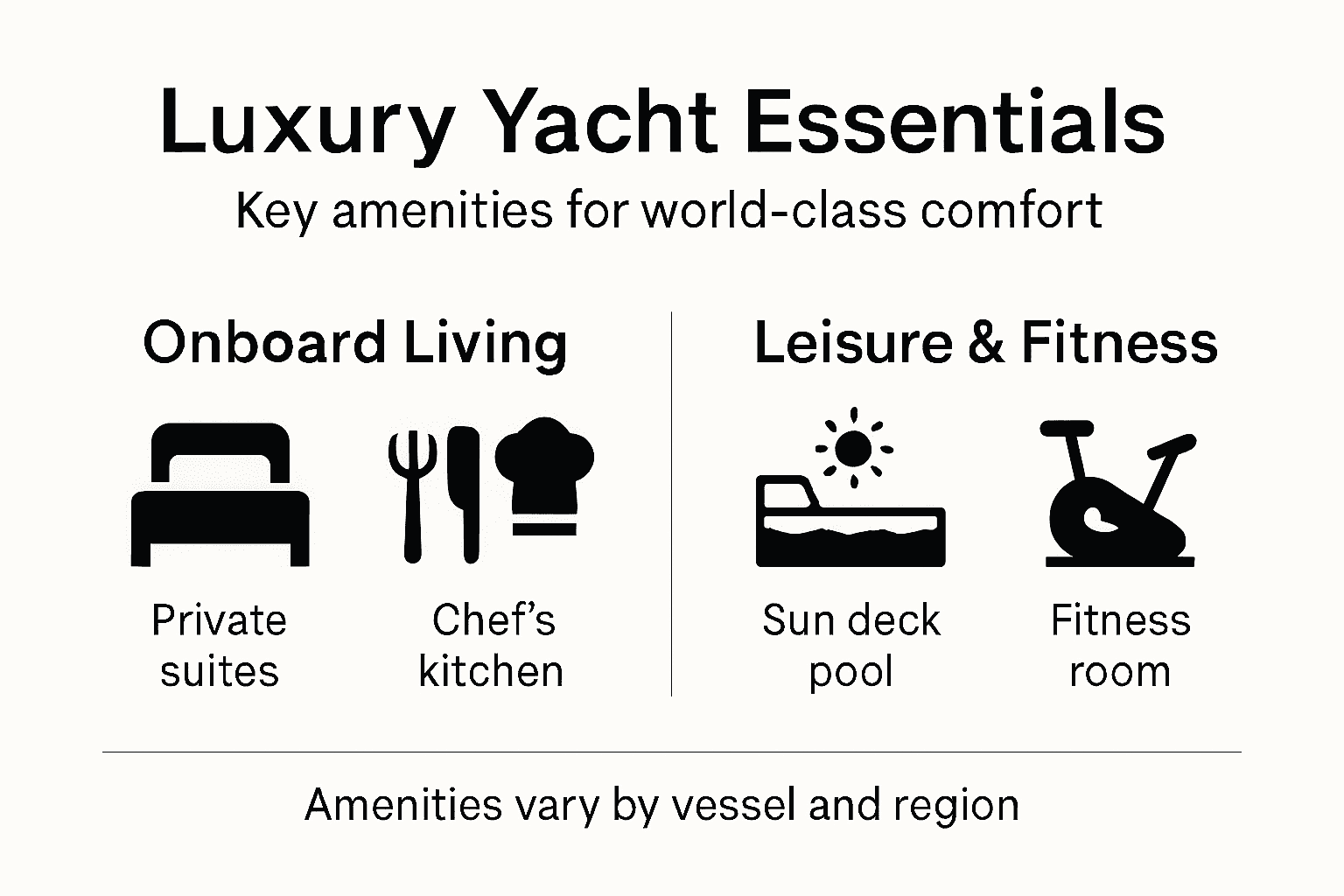
The onboard experience transforms your vessel from transportation into a destination unto itself. Luxury yachting amenities and guest management services have evolved dramatically, moving beyond basic comfort to create comprehensive lifestyle ecosystems that rival five-star resorts—with the added advantage of privacy and mobility.
The Galley and Culinary Excellence
A superyacht’s galley operates like a Michelin-starred restaurant kitchen, compressed into optimized space. Your chef requires professional-grade equipment, precise temperature control, and reliable provisioning access at every destination. The difference between adequate and exceptional lies in equipment specifications and crew expertise.
Consider these galley essentials:
- Commercial-grade refrigeration and wine storage systems
- Multiple cooking stations accommodating various culinary techniques
- Specialty equipment for dietary preferences (sushi bars, pasta makers)
- Fresh produce provisioning networks at every major port
- Sommelier-level wine management systems
Your culinary experience directly shapes daily life satisfaction. A chef preparing world-class cuisine transforms routine meals into memorable occasions. This single element justifies substantial investment in crew excellence and equipment quality.
Wellness and Fitness Infrastructure
Modern luxury yacht owners prioritize health and wellness onboard. Bespoke wellness services and experiential yacht design now define competitive positioning in the superyacht market.
Wellness amenities transform your vessel into a personal health sanctuary:
- Full-service fitness centers with resistance and cardio equipment
- Spa facilities including saunas, steam rooms, and massage therapy spaces
- Yoga platforms and meditation areas with ocean views
- Advanced water systems supporting hydrotherapy treatments
- Medical-grade air filtration and circadian lighting
These aren’t luxuries—they’re investments in your physical and mental wellbeing during extended cruises. Extended time at sea demands thoughtful attention to health infrastructure.
Entertainment and Connectivity
Staying connected while cruising requires sophisticated technology integration. Modern yachts feature satellite internet systems ensuring seamless communication from remote anchorages. Entertainment systems rival home cinema experiences, with multiple zones supporting simultaneous activities.
Connectivity essentials include:
- Redundant satellite internet with backup systems
- Integrated audio and visual systems throughout vessel
- Smart home automation controlling lighting, climate, and entertainment
- Secure networking protecting privacy and sensitive communications
- Gaming and recreational systems for crew relaxation
Water Sports and Tender Equipment
Your yacht extends beyond the vessel itself through tender fleets and water sports equipment. Jet skis, diving gear, kayaks, and towed water sports equipment dramatically expand onboard experience possibilities. Tender garage design and maintenance infrastructure prove critical for equipment longevity.
Investment in quality tenders and water sports capability creates daily adventure opportunities that fundamentally define your yachting lifestyle.
Exceptional onboard experience hinges on three elements: meticulous equipment selection, expert crew management, and thoughtful operational planning.
The Human Element
No amenity matters without exceptional crew delivering personalized service. Your chef, captain, and service staff fundamentally determine whether your yacht lives up to its potential. Crew training, retention, and cultural fit deserve as much attention as hardware specifications.
Pro tip: Before purchasing, spend time onboard similar vessels during actual cruises, observing crew operations and amenity functionality during realistic use rather than during polished showings.
Legalities, Safety, and Local Entry Requirements
International yachting demands strict compliance with overlapping legal frameworks. Each destination operates under unique customs, immigration, and safety regulations. Violations create serious complications—from financial penalties to vessel detention to criminal liability. Your crew and vessel must meet all requirements before arrival at any port.
Navigating this complexity requires professional assistance. Most yacht owners work with specialized maritime legal advisors and brokers who understand destination-specific requirements. The investment in proper compliance planning prevents costly mistakes and ensures seamless cruising.
Understanding International Entry Requirements
Every country maintains distinct procedures for vessel entry. National policies governing vessel entry, customs, and safety regulations vary substantially across yachting destinations. Some nations require advance notification. Others demand in-person captain declarations. Timing, paperwork, and procedural differences create constant complexity.
Core entry requirements typically include:
- Advance notification to harbor authorities
- Captain’s declaration of vessel status and crew manifest
- Customs clearance documentation
- Immigration screening for all crew and guests
- Proof of vessel registration and insurance
- Safety certification and equipment documentation
Failure to follow procedures results in fines, operational delays, and potential legal consequences.
Safety Standards and Certifications
International Maritime Organization (IMO) standards establish baseline safety requirements for commercial and private vessels. Your yacht must maintain current safety certifications covering life-saving equipment, fire suppression, structural integrity, and emergency protocols.
Beyond international standards, individual destinations impose additional safety requirements. Yachting legal frameworks and local safety standards govern everything from crew competency certificates to equipment specifications to operational procedures. These aren’t optional suggestions—they’re enforceable regulations.
Critical safety certifications include:
- Class society surveying (Lloyd’s Register, Bureau Veritas, etc.)
- International Safety Management Code compliance
- Crew competency and licensing documentation
- Equipment safety inspections and certifications
- Environmental compliance certificates
Your captain and crew must fully understand these requirements and maintain current documentation.
Customs and Tax Considerations
International cruising triggers customs obligations and potential tax liabilities. Some destinations charge cruising fees. Others impose temporary import duties on luxury goods. VAT regulations differ dramatically—Mediterranean countries charge significant value-added tax, while some Caribbean destinations offer tax advantages.
Understanding your tax residency status and destination tax implications prevents unpleasant financial surprises. Some yacht owners structure their ownership strategically to optimize tax efficiency across multiple countries.
Immigration and Crew Documentation
Your crew’s passports, visas, and work authorizations must be current and valid. Some destinations require crew visas in advance. Others allow visa-on-arrival. Crew nationality restrictions affect hiring decisions in certain regions.
Guest visas present additional complexity. When cruising internationally, your guests require valid documentation. Some nations impose restrictions on crew working while guests are onboard—essentially treating it as commercial operation.
Port State Control and Inspections
Vessel inspectors conduct random safety audits at ports. These port state control inspections verify compliance with international standards. Deficiencies result in immediate corrective action requirements or potential detention.
Regulatory compliance isn’t bureaucratic overhead—it’s fundamental to safe, uninterrupted cruising and protecting your investment.
Professional Compliance Support
Navigating international maritime law requires expert guidance. Your yacht broker and maritime attorney should understand destination-specific requirements and help you prepare comprehensive compliance documentation.
Pro tip: Maintain a comprehensive digital file containing all vessel certifications, crew documentation, guest visa information, and destination-specific entry requirements—organized by cruising region and updated quarterly.
Discover Your Perfect Yachting Destination with Expert Guidance
Choosing the ideal yachting destination involves balancing your vessel’s needs with your lifestyle goals. This article highlights challenges like finding the right maritime infrastructure, securing privacy, and aligning seasonal rhythms to maximize your yacht’s potential. At Yachts by Steve, we understand these pain points and offer personalized support to connect you with premium yachts perfectly suited for your preferred cruising regions and lifestyle.
Explore our Uncategorized – Jason category for insightful resources that deepen your understanding of yachting destinations. Whether you seek serene island havens or vibrant coastal marina cities, our detailed listings feature vessel specifications and locations to help you make informed decisions. Don’t wait to elevate your yachting journey—visit Yachts by Steve today and take the first step toward owning a yacht that unlocks exclusive worlds tailored exclusively for you.
Frequently Asked Questions
What defines a premium yachting destination?
A premium yachting destination combines world-class maritime infrastructure, stunning natural beauty, cultural attractions, and ample leisure opportunities. It serves as both a practical home base for your vessel and a sophisticated retreat for personal enrichment.
How can I choose the right yachting destination for my needs?
Choosing the right destination depends on factors such as required crew support, desired level of privacy, your vessel’s size and operational needs, and your preferred cruising season. Understanding these elements can help pinpoint your ideal location.
What are the seasonal trends for optimal yachting experiences?
Yachting seasons are influenced by weather patterns and owner behavior. Understanding peak seasons in various regions can help you strategically position your vessel, with popular times generally being summer in the Northern Hemisphere for Mediterranean locations and winter months for tropical destinations.
What role do onboard amenities play in enhancing the luxury yachting experience?
Onboard amenities are essential for creating a luxurious experience, as they transform your yacht into a personal sanctuary. High-quality galley facilities, wellness offerings, entertainment options, and water sports equipment significantly enhance daily life aboard, making it more enjoyable and comfortable.
Recommended
- Your Suggested Posts
- Why Buy a Luxury Yacht: Prestige, Freedom, and Investment
- Why Luxury Yachts Are in Demand: Modern Drivers
- News
- Champagne Tower Hire Blogs & Articles | Event Inspiration & Ideas
- 7 Prime Examples of Luxury Vehicles for Elite Travelers
- What to Wear on Cruise Ships: The Complete Style Guide
Featured Listings
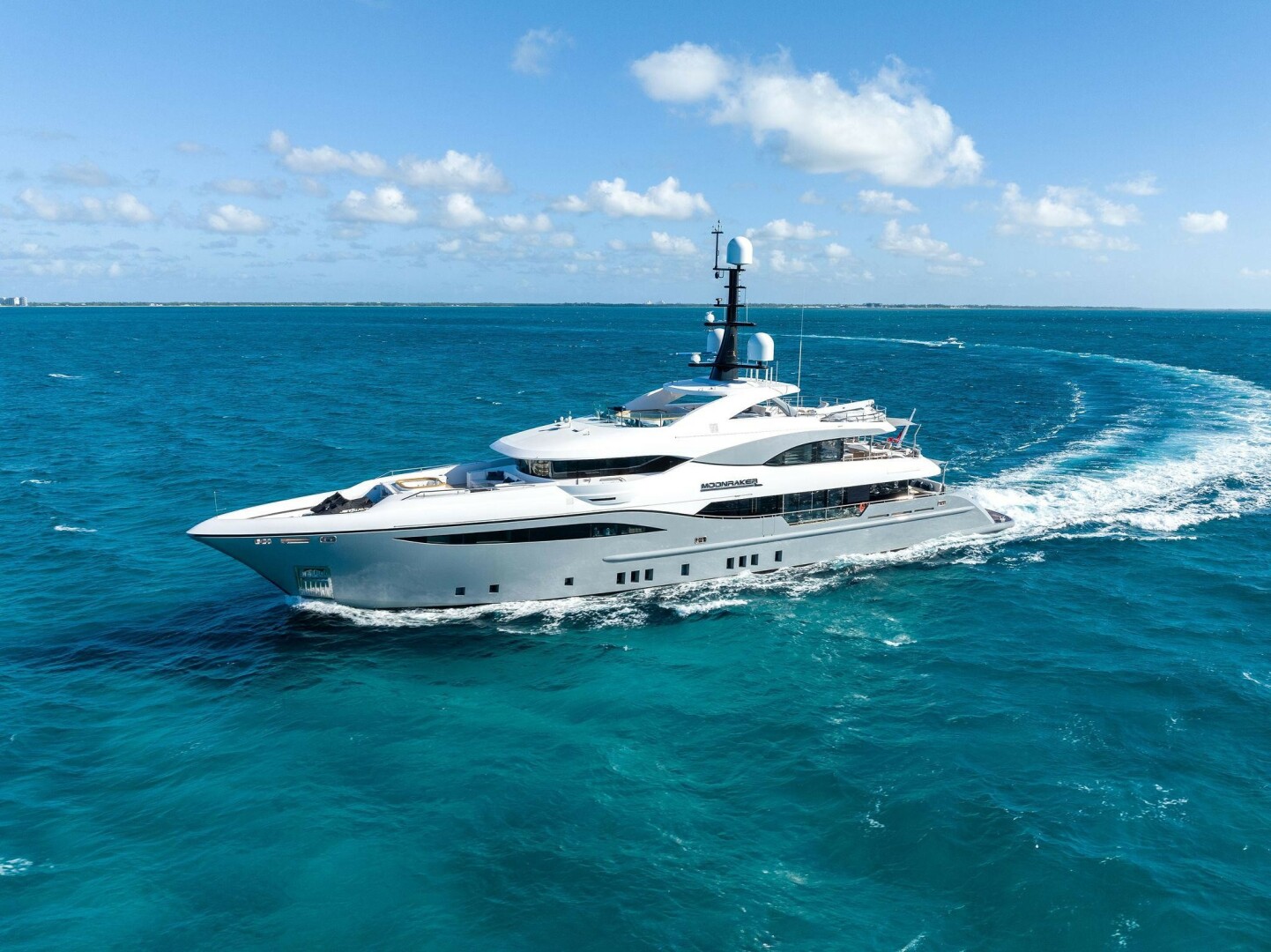
2019 Bilgin MOONRAKER
$20,646,000
156
West Palm Beach Florida

2028 Columbus Yachts
$22,900,008
137
Ancona
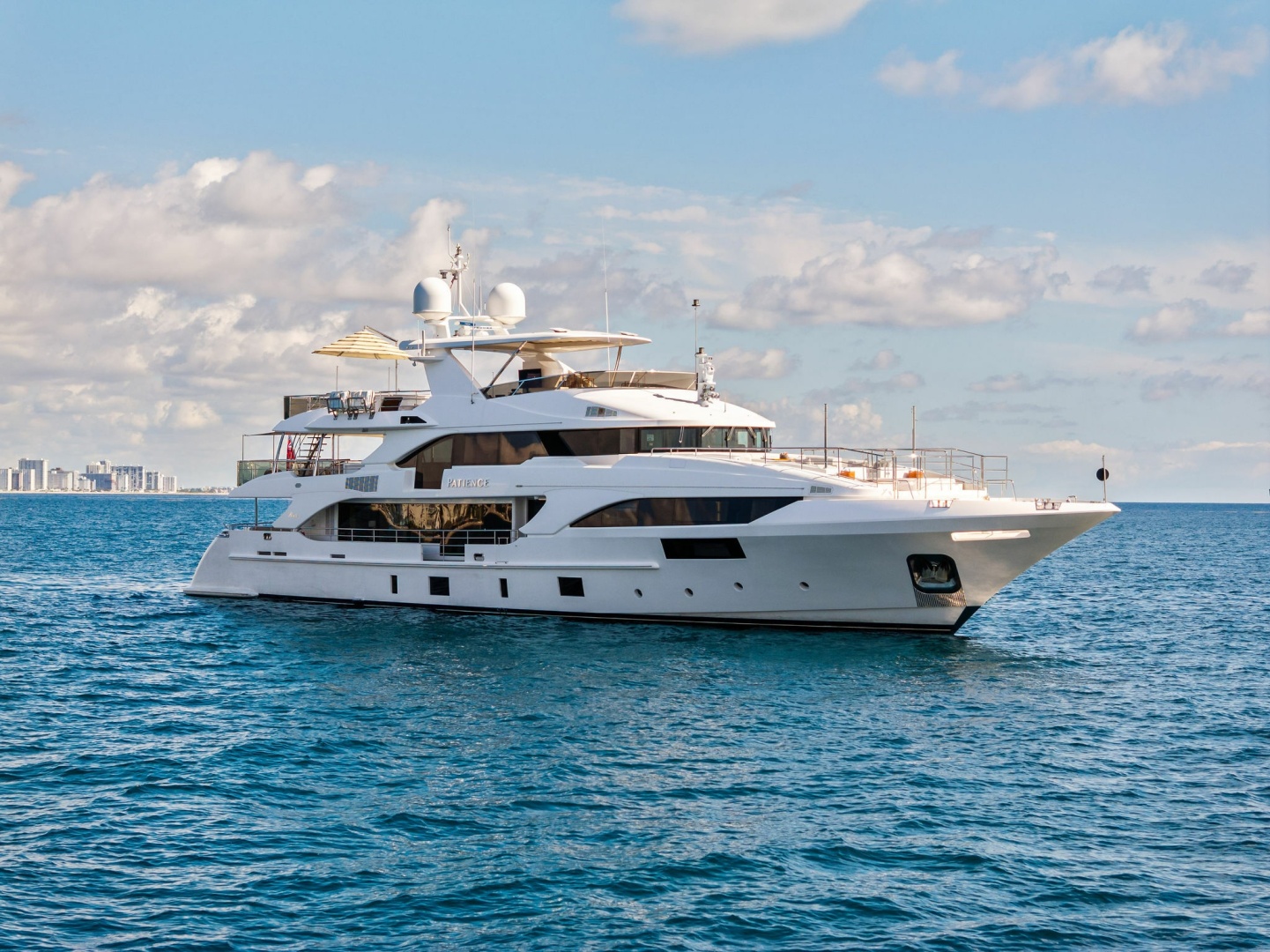
2012 Benetti PATIENCE
$10,975,000
132
Fort Lauderdale Florida
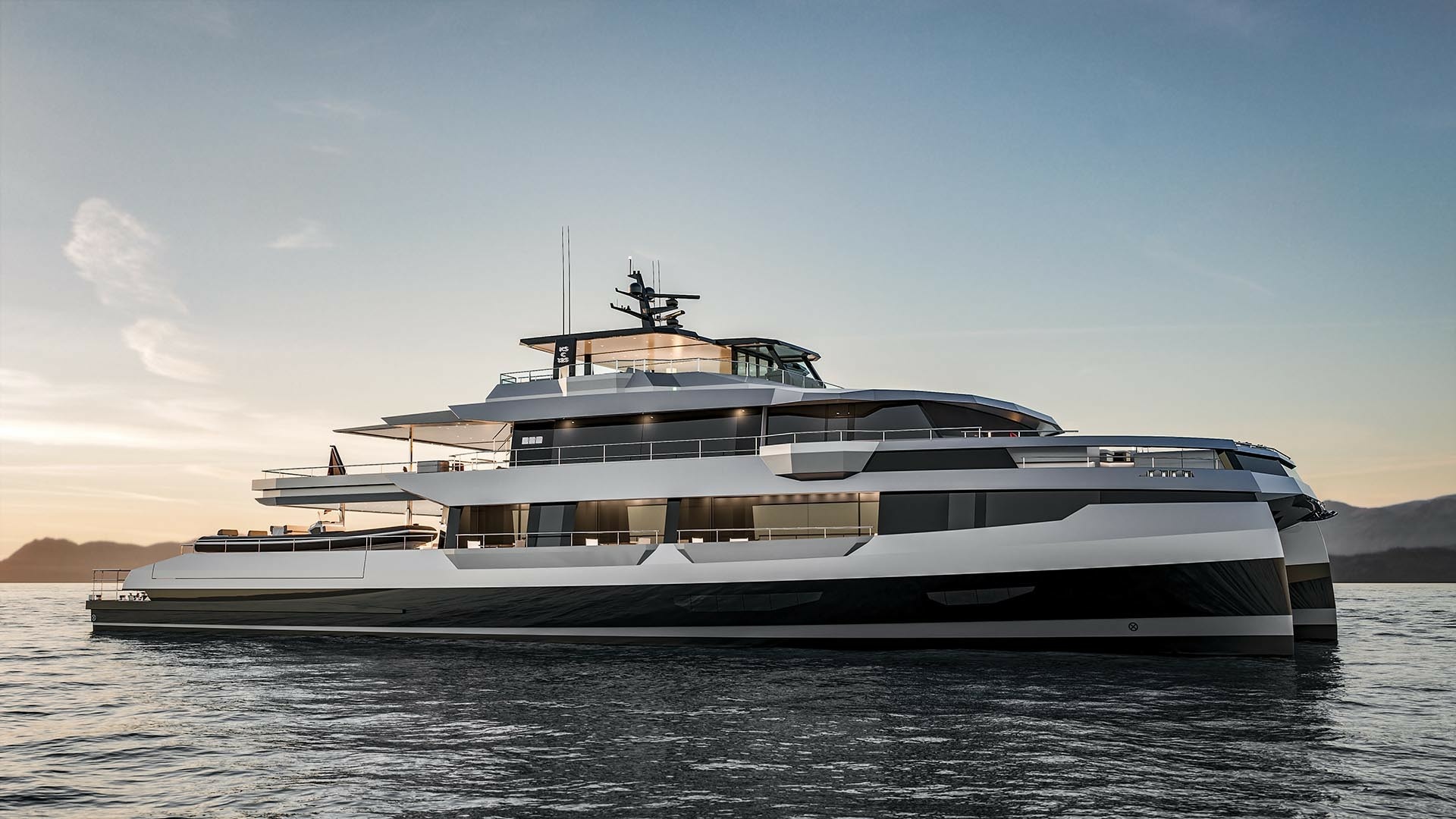
2028 Kingship Kingship
$20,000,000
125
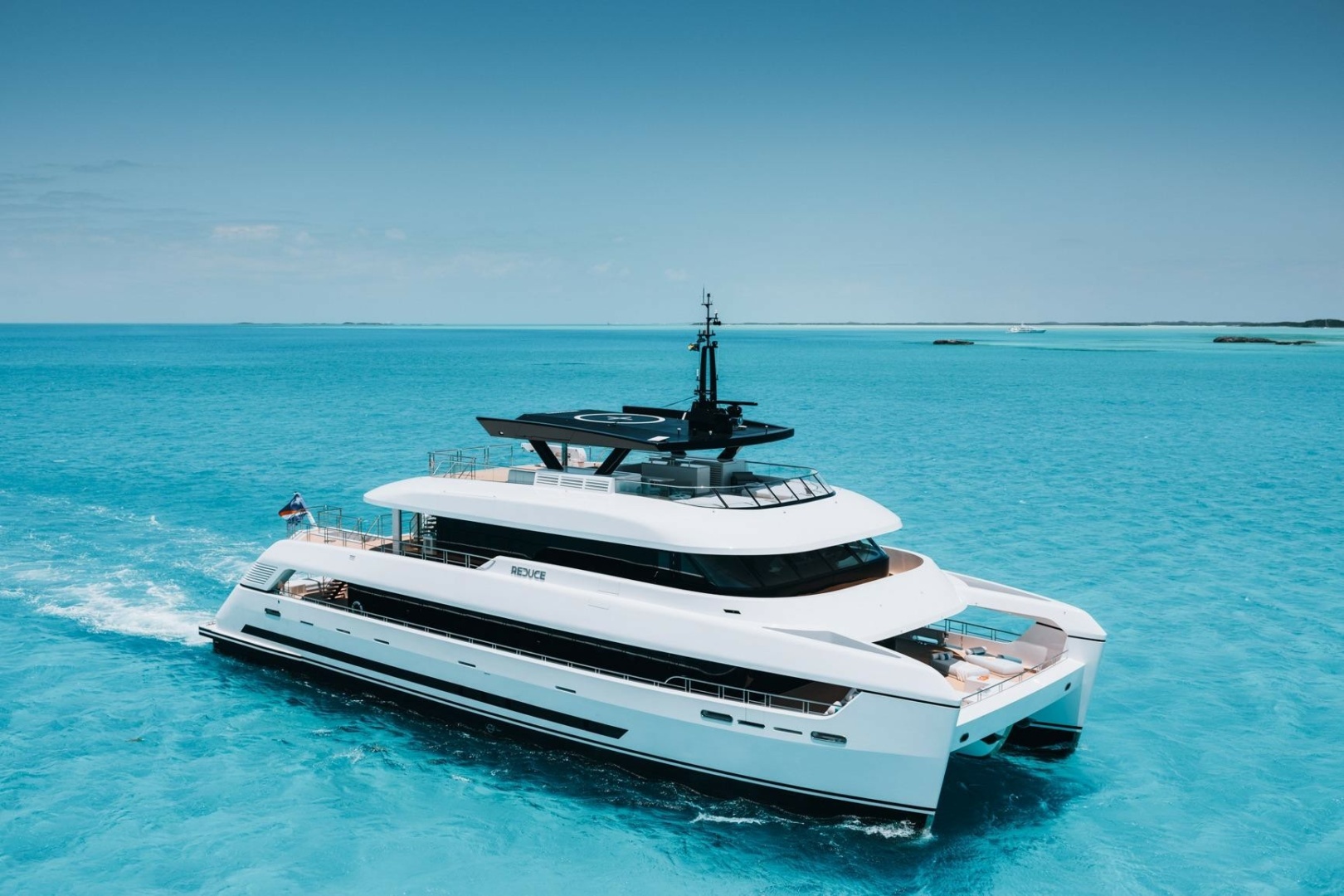
2024 Silver Yachts
$25,400,000
117
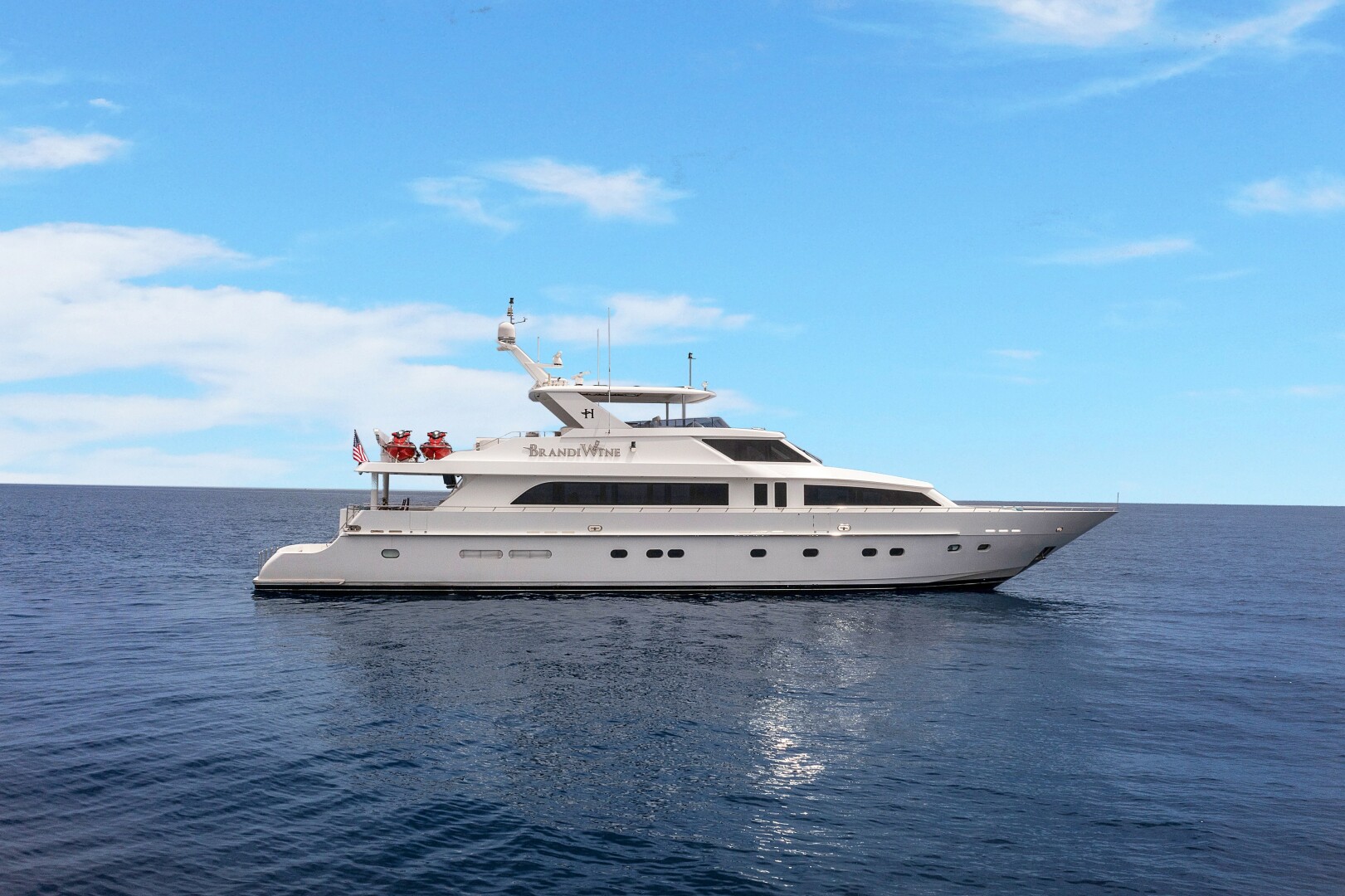
2009 Hargrave BRANDI WINE
$2,500,000
114
Fort Lauderdale Florida

2028 Extra Yachts
$20,646,000
100
Ancona
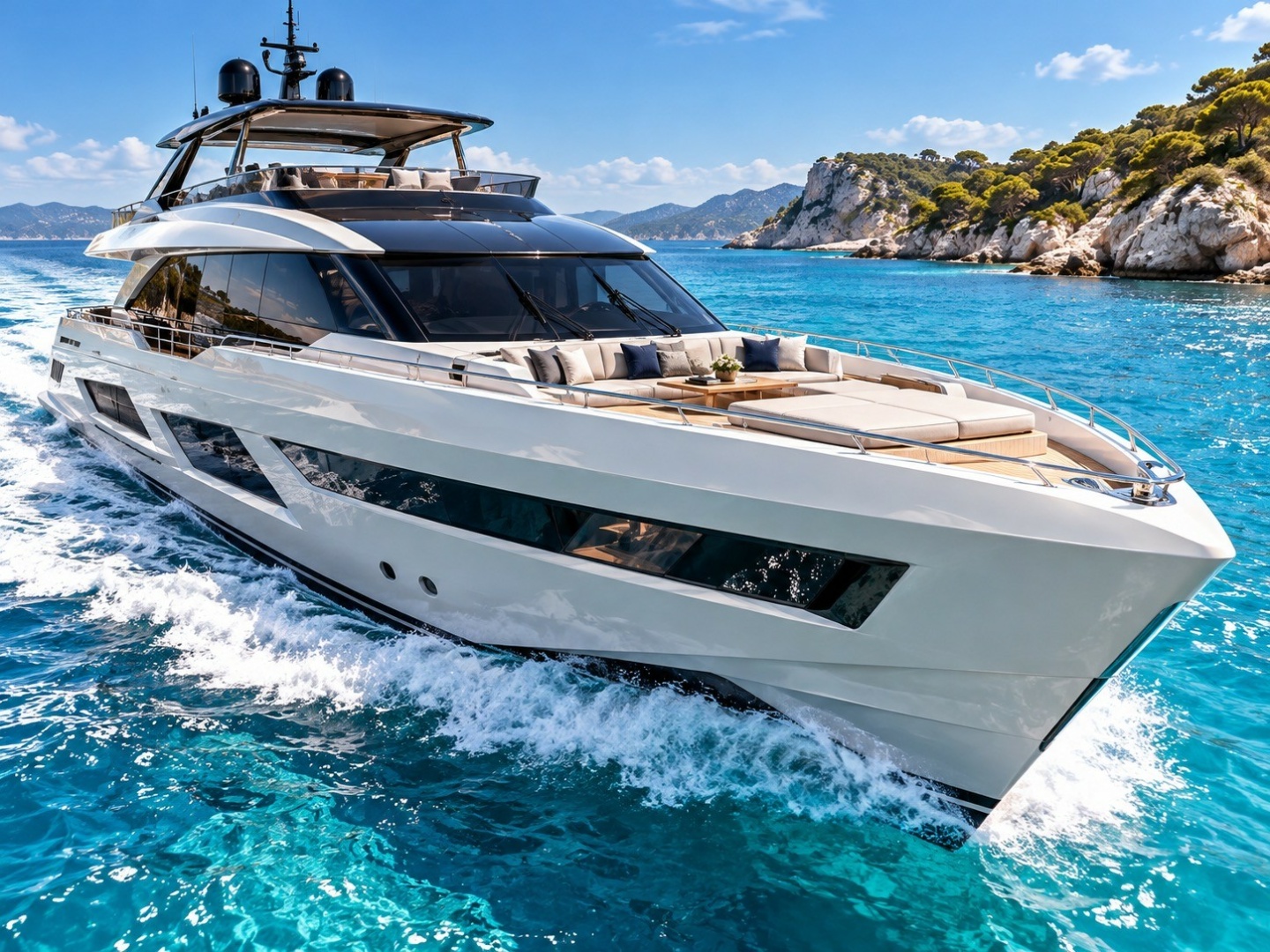
2028 Alpha
100
Ft Lauderdale Florida

2028 Extra Yachts Extra 96
$9,495,000
96
Ancona
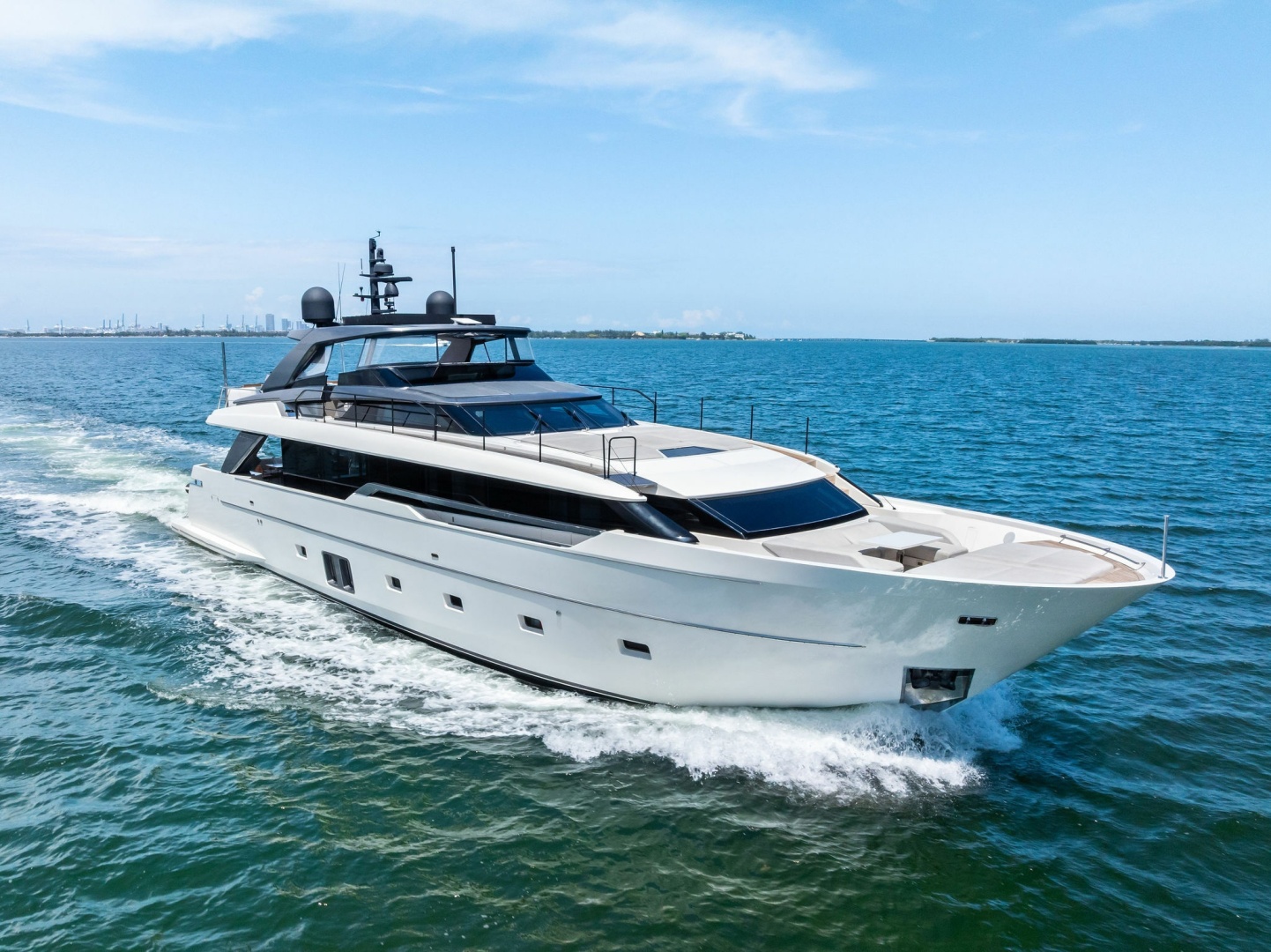
2021 Sanlorenzo GATSBY
$6,795,000
96
Miami Beach Florida
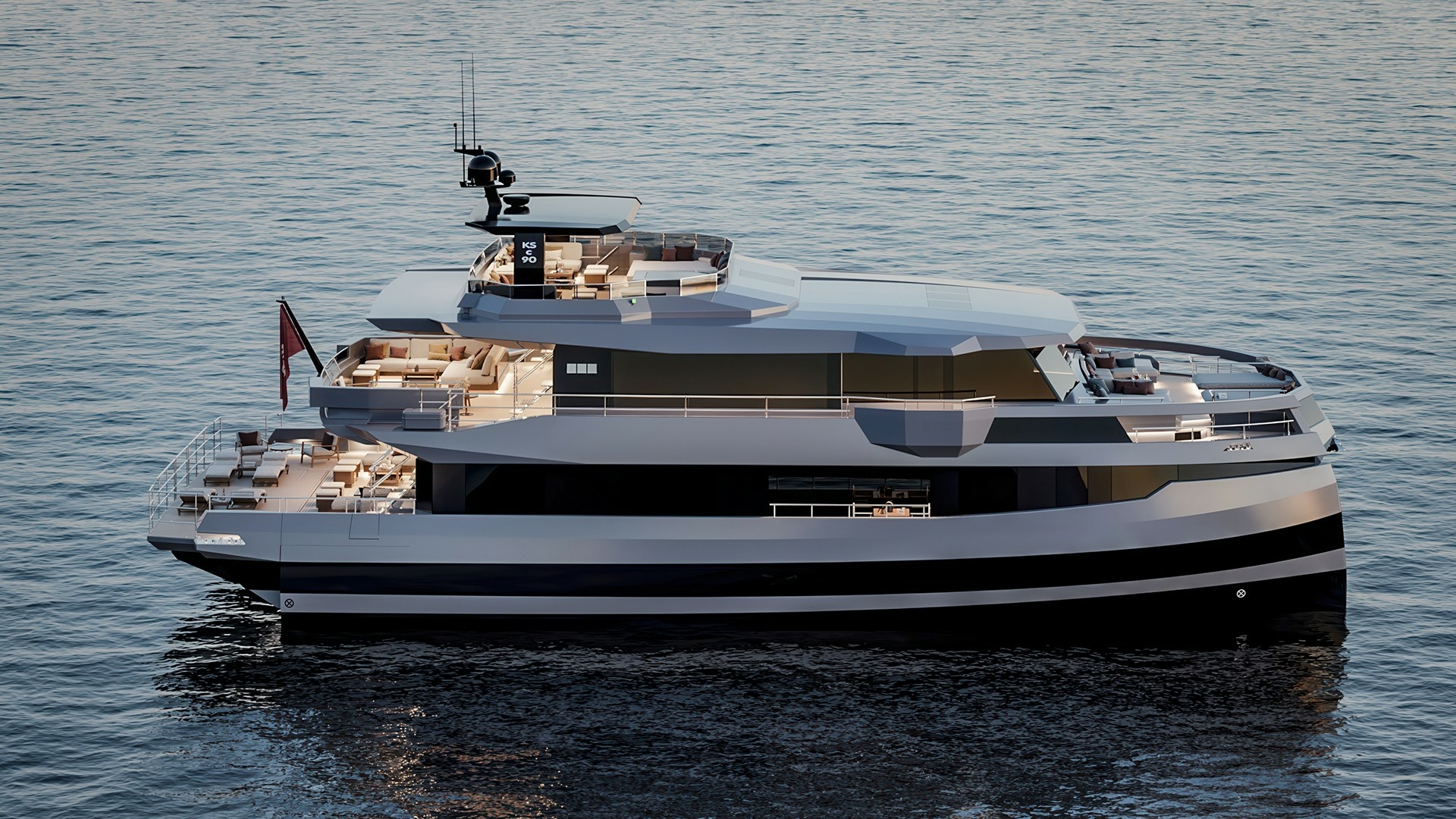
2028 Kingship
90

1999 Northern Marine OFF LINE
$2,495,000
84
Ft Lauderdale Florida
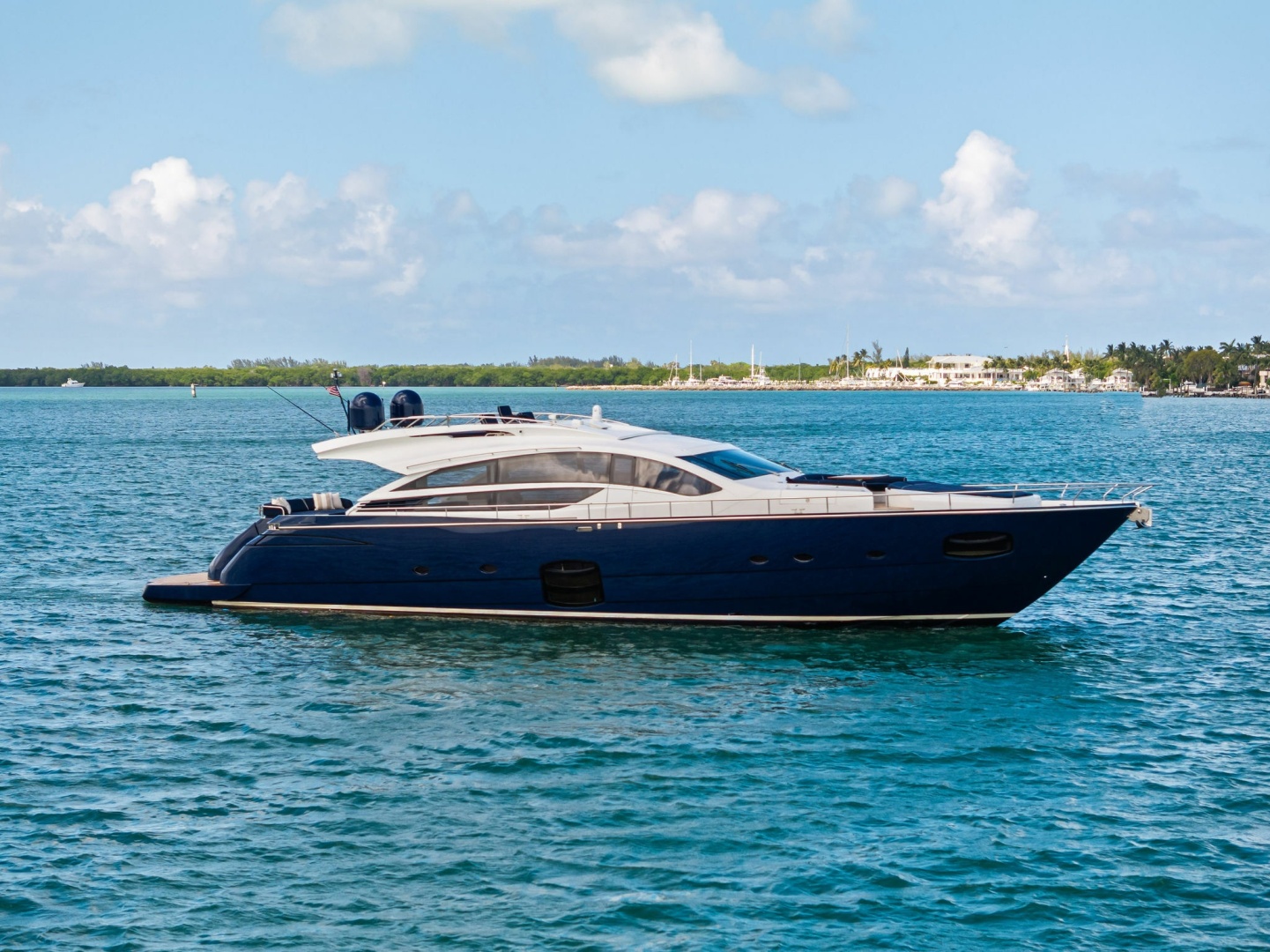
2013 Pershing DOROTHY ANN
$1,550,000
82
Miami Beach Florida

1997 Ferretti Yachts
$825,000
80
La Paz
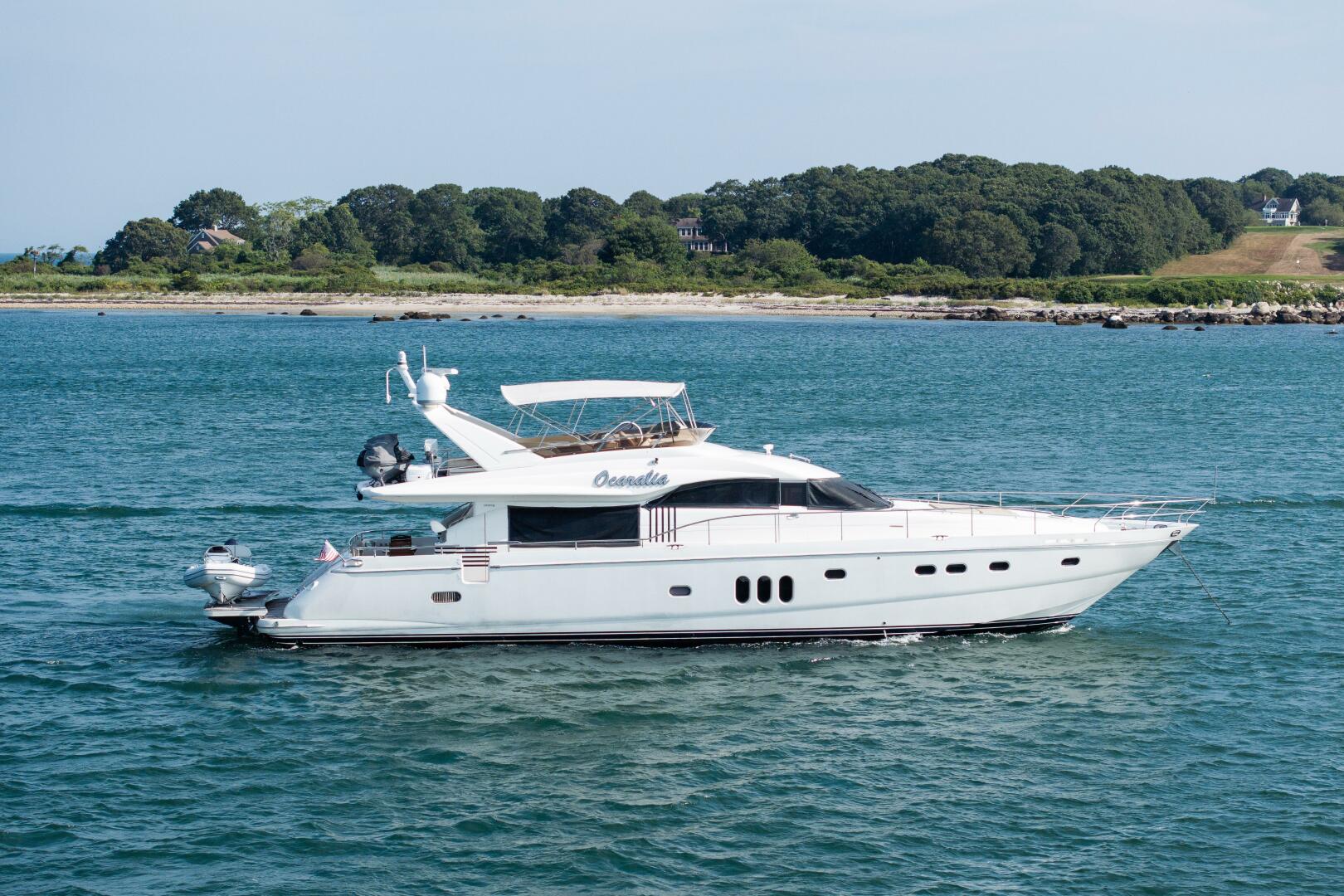
2008 Princess Yachts OCARALIA
$1,095,000
75
Charleston South Carolina
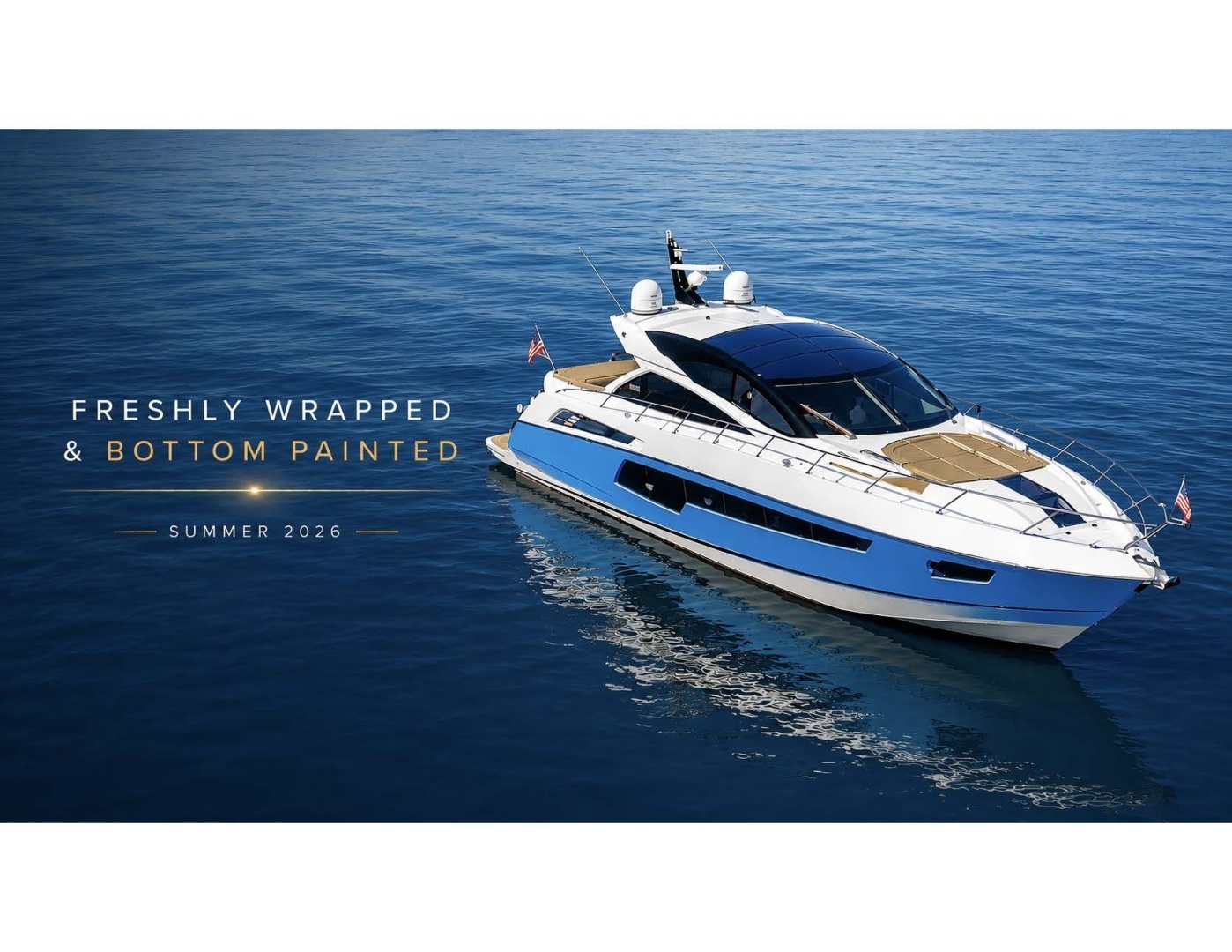
2014 Sunseeker
$1,400,000
68
New York New York

2024 Fairline
$2,750,000
68
Ft. Lauderdale Florida

2024 Sunreef Catallaxi
$3,700,000
60
Newport Rhode Island
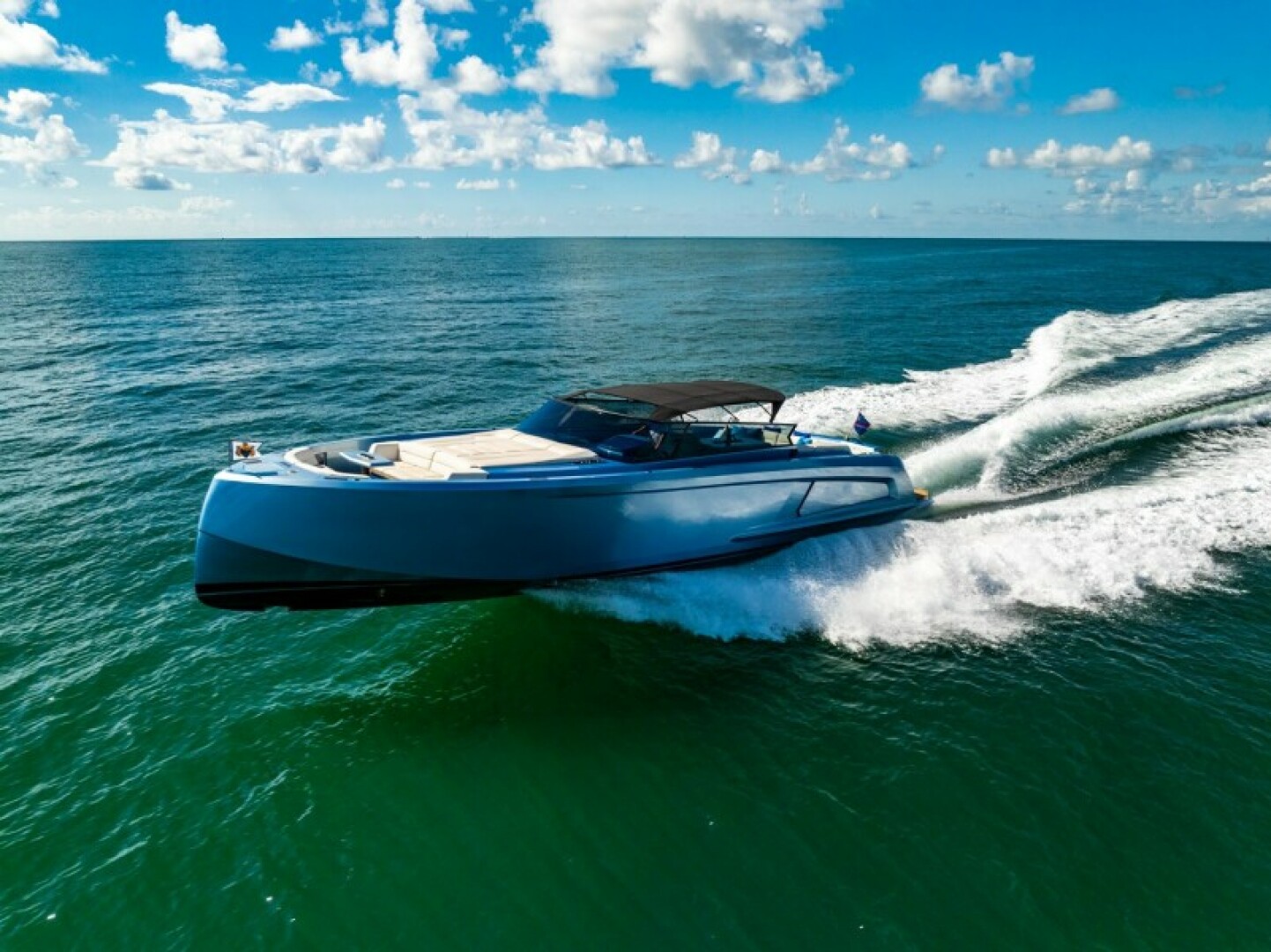
2019 Vanquish Yachts IMPULSIVE
$1,799,000
58
Miami Beach Florida
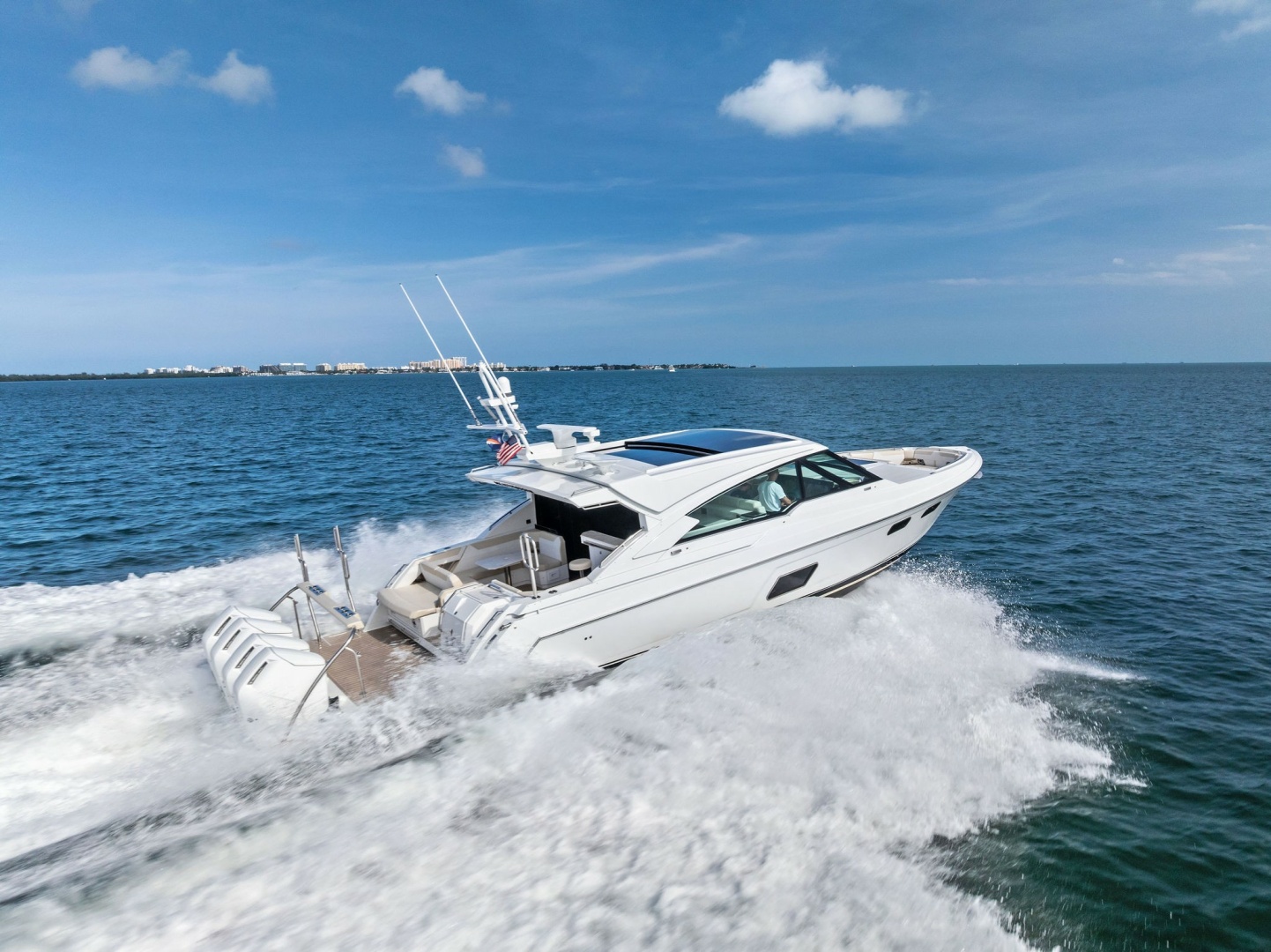
2025 Formula BREAKTHROUGH III
$1,895,000
53
Miami Beach Florida

2023 Fairline
$900,000
45
Fort Lauderdale Florida
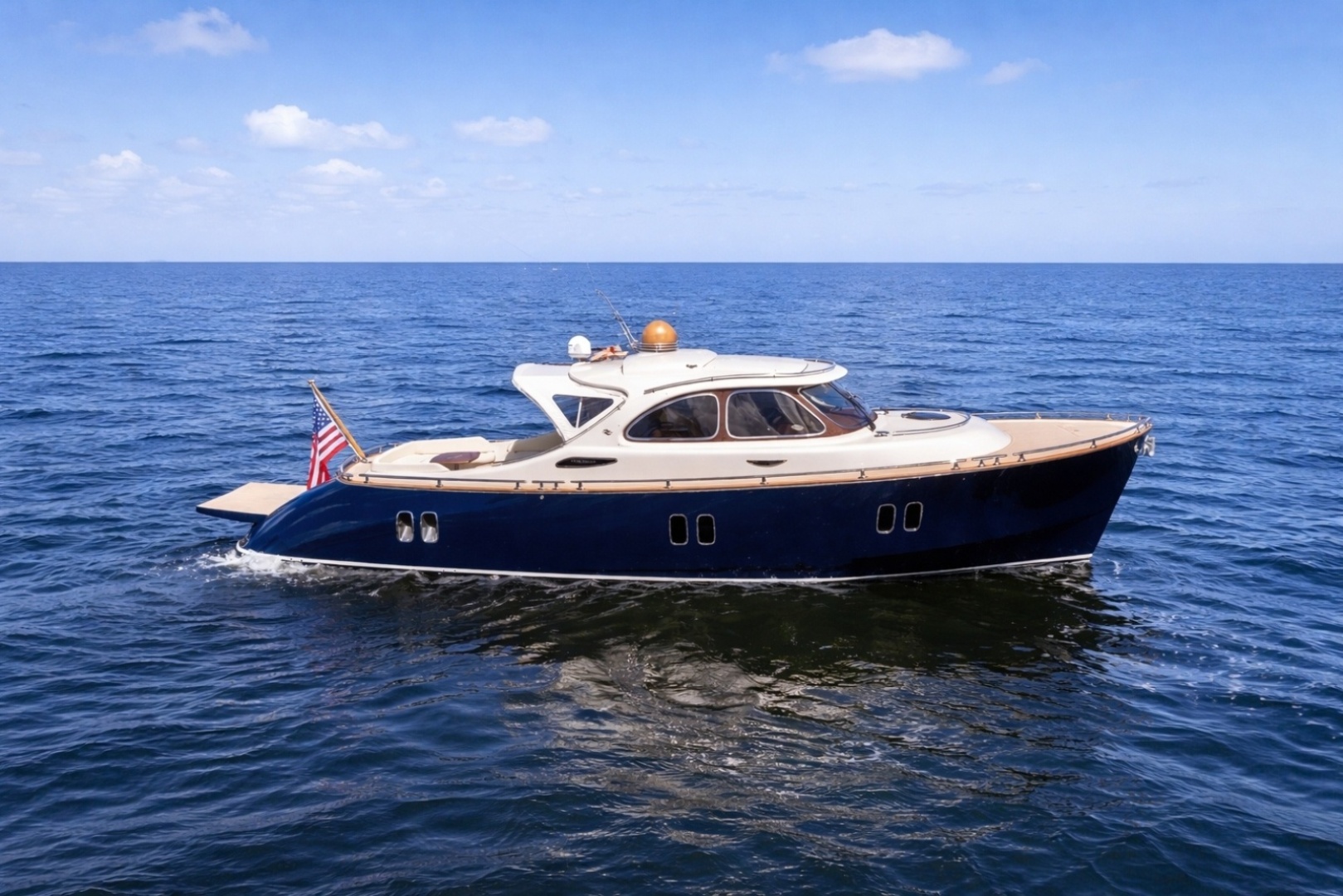
2012 Zeelander Mississippi Queen
$575,000
44
West Palm Beach Florida
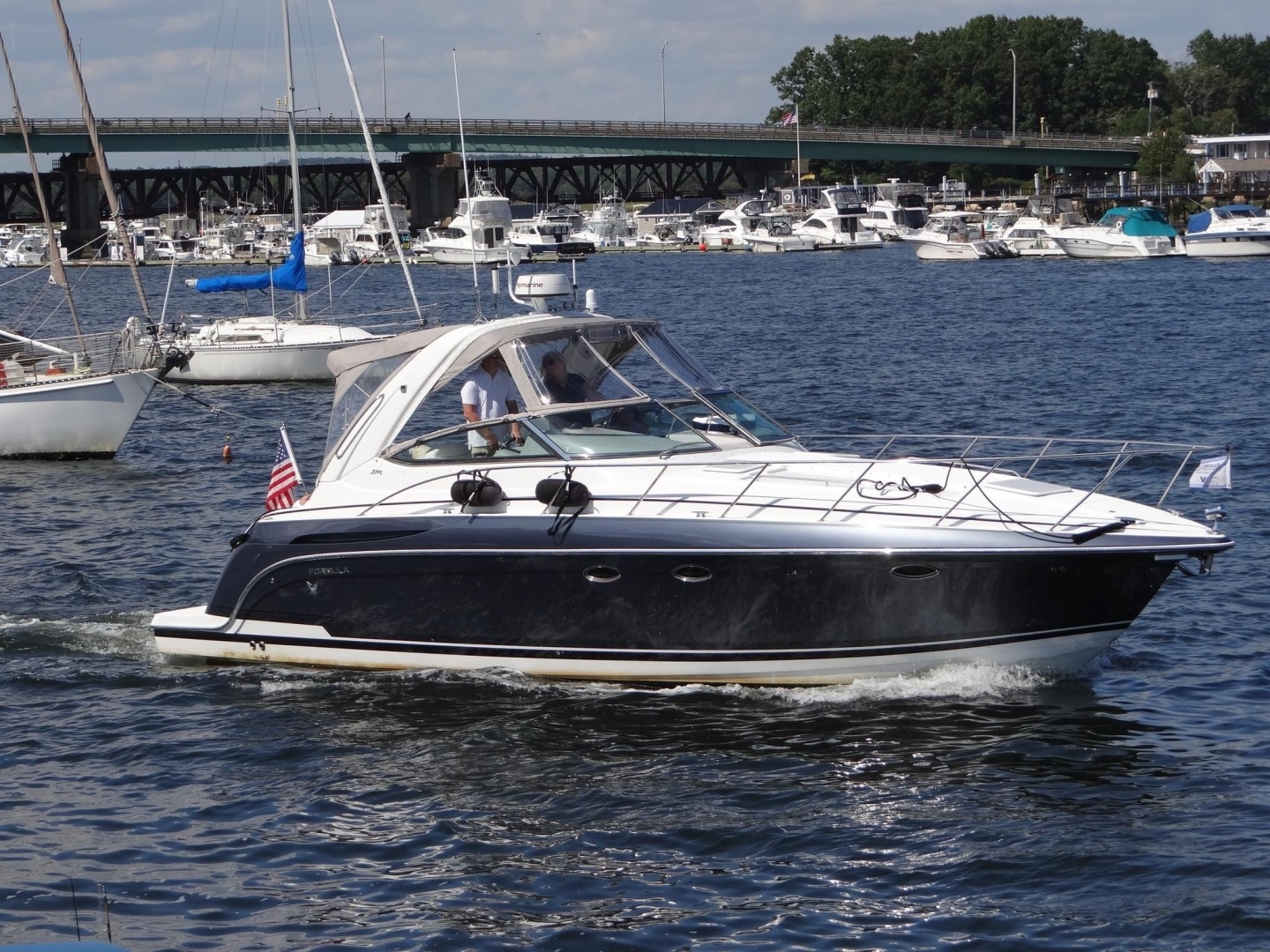
2006 Formula
$139,000
37
Newburyport Massachusetts
2019 Bilgin 156'
$20,646,000
2028 Columbus Yachts 137'
$22,900,008
2012 Benetti 132'
$10,975,000
2028 Kingship 125'
$20,000,000
2024 Silver Yachts 117'
$25,400,000
2009 Hargrave 114'
$2,500,000
2028 Extra Yachts 100'
$20,646,000
2028 Alpha 100'
2028 Extra Yachts 96'
$9,495,000
2021 Sanlorenzo 96'
$6,795,000
2028 Kingship 90'
1999 Northern Marine 84'
$2,495,000
2013 Pershing 82'
$1,550,000
1997 Ferretti Yachts 80'
$825,000
2008 Princess Yachts 75'
$1,095,000
2014 Sunseeker 68'
$1,400,000
2024 Fairline 68'
$2,750,000
2024 Sunreef 60'
$3,700,000
2019 Vanquish Yachts 58'
$1,799,000
2025 Formula 53'
$1,895,000
2023 Fairline 45'
$900,000
2012 Zeelander 44'
$575,000
2006 Formula 37'
$139,000