

Most people assume yachting etiquette is simply about which fork to use at dinner or how to dress for a sundowner. The reality runs far deeper. The unwritten codes aboard a luxury yacht shape everything from the ease of social gatherings to the outcome of sensitive business negotiations. Whether you are a seasoned owner welcoming guests or a first-time charter passenger, understanding these protocols signals respect, builds trust, and elevates every moment on the water. This guide moves beyond surface-level advice to give you the nuanced, practical knowledge that distinguishes a truly gracious presence afloat.
Table of Contents
- Understanding yacht protocols: Preparing for life at sea
- Onboard manners: Social rules and personal conduct
- Yacht etiquette for business and social networking
- Flag rituals, tipping, and gifting: Traditions that signal respect
- The nuances most guides miss: Insider etiquette that sets you apart
- Elevate your yachting experience with expert guidance
- Frequently asked questions
Key Takeaways
| Point | Details |
|---|---|
| Pack and prepare smart | Use soft-sided luggage, pack minimally, and always greet the crew with respect. |
| Follow key onboard rules | Respect smoking and drinking guidelines, cherish privacy, and treat staff as professionals. |
| Master networking etiquette | Maintain discretion during business or social events and avoid oversharing or prying. |
| Honor traditions and customs | Observe flag protocols, appropriate tipping, and thoughtful gifting according to yacht type. |
| Refined etiquette sets you apart | The best yachting guests anticipate others’ needs and blend seamlessly into any gathering. |
Understanding yacht protocols: Preparing for life at sea
The moment you step aboard, you are entering someone’s sanctuary. First impressions form quickly, and the way you carry yourself from the very first greeting sets the tone for the entire voyage. Always acknowledge the captain and crew with a warm, respectful greeting. They are professionals who take immense pride in their vessel, and treating them as such costs nothing but earns enormous goodwill.
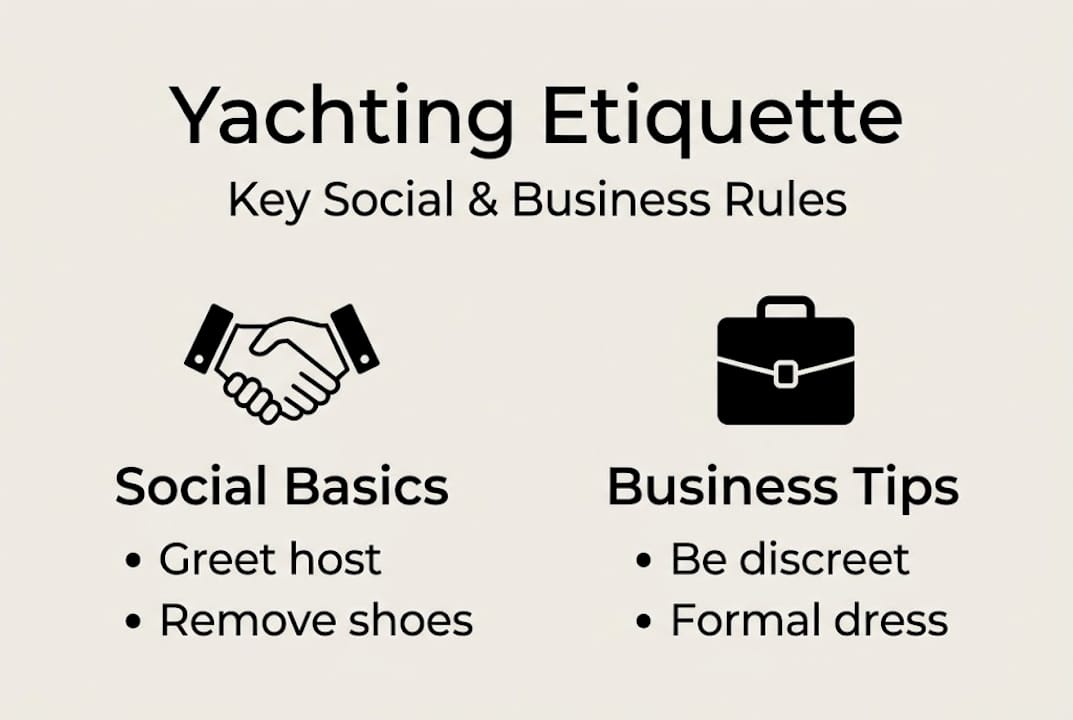
One of the most universally observed practices is removing your shoes before boarding. This is not merely ceremonial. Deck surfaces, whether teak, fiberglass, or polished composite, are expensive and easily scratched. Remove shoes upon boarding to protect decks, and use soft-sided luggage to respect the limited storage space available. Hard-shell suitcases are a common mistake that can damage cabinetry and frustrate crew members tasked with stowing gear.
Packing with intention is equally important. Space aboard even the most expansive superyacht is finite and shared. Overpacking signals a lack of awareness and creates unnecessary clutter in cabins and communal areas. Think of it this way: your luggage should be as streamlined as the vessel itself.
Here are the essentials to keep in mind before you board:
- Footwear: Pack soft-soled deck shoes or go barefoot. Leave stilettos and hard-soled shoes ashore.
- Luggage: Soft duffel bags or collapsible bags only. One bag per person is ideal for shorter charters.
- Attire: Smart-casual is the standard for most occasions. Ask your host about any themed evenings or formal dinners in advance.
- Personal items: Minimize toiletries and avoid strong fragrances, which can be overwhelming in enclosed spaces.
- Electronics: Bring only what you need. Charging cables and adapters can clutter shared spaces quickly.
For broader yacht charter tips that cover everything from destination planning to onboard comfort, preparation is always the best investment you can make before casting off.
Pro Tip: Before your trip, reach out to your host or charter company to ask about any specific preferences or restrictions. Understanding yacht charter basics ahead of time ensures you arrive as a guest who enhances the experience rather than complicates it.
With the stage set, it is time to review the fundamental onboard behaviors that form the bedrock of pleasant yachting for all.
Onboard manners: Social rules and personal conduct
After prepping for your voyage, it is crucial to follow these time-tested rules once you have boarded. The social fabric of life at sea is delicate. In a confined, beautiful space shared with others, small gestures carry amplified weight.
Here is a sequential guide to navigating onboard social conduct with grace:
- Greet your hosts and fellow guests warmly upon boarding. Introduce yourself clearly and avoid monopolizing the captain’s attention during departure or docking.
- Respect communal spaces. Salons, sun decks, and dining areas are shared. Occupy only the space you need and tidy up after yourself without being asked.
- Honor privacy. Cabins are personal sanctuaries. Never enter another guest’s cabin without an explicit invitation, and keep noise levels considerate during early mornings and late evenings.
- Mind your consumption. Overindulgence in alcohol is one of the fastest ways to damage your reputation aboard. Drink with the same elegance you would expect at a private dinner in a fine home.
- Know the smoking policy before you light up. Always ask the captain or host first. If smoking is permitted, it is typically allowed only on the stern and always downwind of other guests.
- Zero tolerance for illegal substances. This is non-negotiable. No illegal substances are permitted aboard, and the consequences extend far beyond social embarrassment.
The relationship between guests and crew deserves particular attention. The crew are consummate professionals. They are not personal servants, and treating them as such is both disrespectful and counterproductive. Address them by name, express genuine gratitude, and follow their safety instructions without question. The boat may be the stage, but the crew are the stars of a seamless voyage.
When it comes to yacht charter vs purchase decisions, understanding the crew dynamic in each context is essential, as the expectations and formalities differ meaningfully between the two.
“Drink responsibly and always ask about the smoking policy before lighting up. These small acts of respect go a long way toward creating an atmosphere where everyone feels at ease and valued.”
Manners with fellow guests lay a foundation, but certain rules become critical when conducting business or networking.
Yacht etiquette for business and social networking
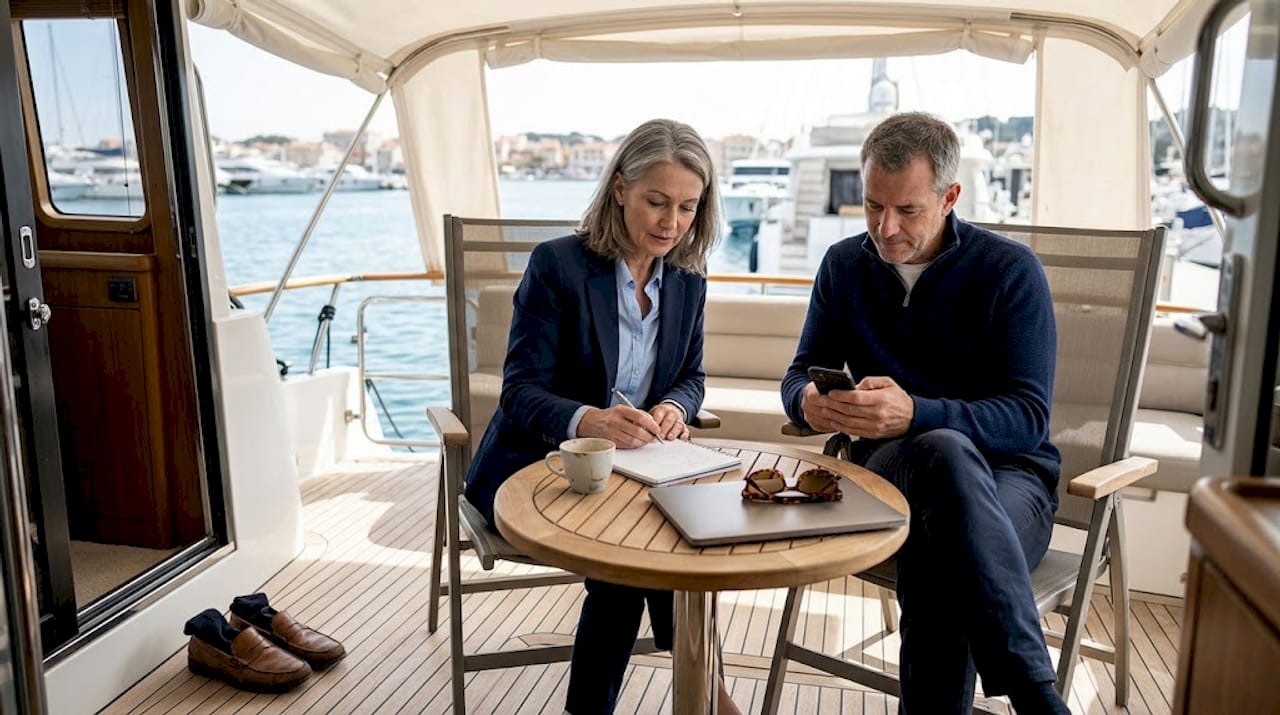
The luxury yacht has long served as one of the world’s most exclusive venues for discreet business conversations and high-value social networking. The setting is intentional. Away from offices and crowded restaurants, a yacht offers privacy, intimacy, and an atmosphere that encourages candid dialogue. But this privilege comes with its own set of expectations.
Yachts as networking venues require a professional demeanor at all times. Oversharing personal or financial details, pressing others for information, or dominating conversations are all behaviors that erode trust quickly in this environment.
Key principles for business and social networking aboard:
- No eavesdropping. Sound travels surprisingly well on a yacht. If a conversation is not directed at you, redirect your attention elsewhere.
- Cameras and social media require consent. Never photograph fellow guests or sensitive conversations without explicit permission. Privacy is paramount.
- Avoid unsolicited questions about net worth, vessel ownership, or deal specifics. Let conversations develop naturally.
- Follow the host’s lead on when business talk is appropriate. Some gatherings are purely social, and mixing agendas uninvited is a misstep.
Pro Tip: When in doubt, err on the side of discretion. Relationships built afloat can have lasting impact, and the most memorable guests are those who made others feel comfortable rather than scrutinized.
Here is a practical comparison of social versus business etiquette aboard:
| Etiquette area | Social setting | Business setting |
|---|---|---|
| Greetings | Warm, first-name basis | Formal until invited otherwise |
| Topics to avoid | Personal finances, politics | Competitor names, deal specifics |
| Photography | Ask first, keep it light | Generally avoid unless agreed |
| Follow-up | Casual message or gift | Formal note within 48 hours |
| Conversation length | Open and flowing | Purposeful, concise, then social |
For those interested in luxury yacht events as venues for professional engagement, understanding this dual register is what separates a memorable guest from an awkward one.
With business and privacy covered, let us turn to the rituals and finishing touches that distinguish a well-mannered guest or owner.
Flag rituals, tipping, and gifting: Traditions that signal respect
Some of the most meaningful expressions of yachting etiquette are rooted in tradition. Flag protocols, tipping customs, and the art of gifting are not mere formalities. They are signals of cultural literacy and genuine respect for the world you are entering.
Flag etiquette is among the oldest and most codified of maritime traditions. Proper hoisting and lowering of the ensign, burgee, and private signals follow strict yacht club conventions. The national ensign is typically flown at the stern and raised at 0800 hours, lowered at sunset. The burgee, representing your yacht club affiliation, flies from the bow or masthead. Flying flags incorrectly, or at the wrong time, signals inexperience to those who know.
Key flag practices to observe:
- Raise the ensign promptly at 0800 and lower it at sunset or when leaving the vessel unattended.
- The burgee should reflect your club membership and be flown with pride.
- When entering a foreign port, fly the courtesy flag of that nation from the starboard spreader.
- Never fly a flag that is torn, faded, or otherwise damaged. It reflects poorly on the vessel and its owner.
Tipping is where many guests feel uncertain. On charter yachts, tipping 10 to 20 percent of the charter fee for the crew at the end of the voyage is standard practice and deeply appreciated. This is typically distributed by the captain among the crew. On private yachts, the dynamic shifts. Tipping is not always expected, and discretion guided by the host’s preferences is the wisest approach.
| Scenario | Tipping expectation | Gifting preference |
|---|---|---|
| Charter yacht | 10 to 20% of charter fee | Cash in an envelope, end of trip |
| Private yacht, invited guest | Discretionary, ask subtly | Personalized gift or onshore gesture |
| Day charter | 15 to 20% of daily rate | Optional, based on service quality |
| Owner’s vessel, crew only | Per employment agreement | Holiday bonuses or personal tokens |
Gifting for private yacht hosts is an art form in itself. Rather than arriving with a generic bottle of wine, consider something personalized: a monogrammed item, a rare book related to a known interest, or a reservation at a celebrated restaurant in the next port of call. These gestures communicate that you have paid attention, which is the highest compliment in refined social circles.
The nuances most guides miss: Insider etiquette that sets you apart
Now that you are equipped with the essentials, consider this deeper perspective that can win respect among the most seasoned yacht-goers. Most etiquette guides focus on rules. What they rarely address is the art of anticipation.
In serious yachting circles, the guests who earn lasting admiration are not those who follow the rules perfectly. They are the ones who notice when a host needs a quiet moment and creates space for it. They read the room before suggesting an activity. They adapt seamlessly when plans shift due to weather or the captain’s judgment, without complaint or visible frustration.
Understanding the why behind traditions matters enormously. Flag protocols exist to communicate identity and respect between vessels. Tipping norms exist because crew members often work long seasons away from family. When you understand the human story behind a tradition, you practice it with a warmth that no checklist can replicate.
The uncomfortable truth is that etiquette can be performed or it can be lived. The former is detectable. The latter is magnetic. When choosing a yacht charter or accepting an invitation aboard, bring your full attention and genuine curiosity. That is the currency that matters most in these circles.
Pro Tip: The greatest show of sophistication is seamless adaptation. Blend in, observe quietly, and let kindness lead every interaction. The most respected guests rarely need to announce themselves.
Elevate your yachting experience with expert guidance
With a strong foundation in etiquette, your next chapter at sea deserves equally refined support. Whether you are considering your first purchase, planning a charter, or preparing to host clients aboard, the right expertise makes all the difference. At Yachts by Steve, we offer personalized guidance for every stage of your yachting journey. Explore our resources on choosing a yacht broker to understand what true partnership looks like, or review the latest yachting industry trends to make informed decisions in a dynamic market. For those ready to evaluate specific vessels, our detailed yacht specifications guide ensures you know exactly what to look for. Reach out today and let us help you navigate the waters ahead with confidence.
Frequently asked questions
Is tipping always required on a private yacht?
No, tipping is expected on charters but on private yachts, discretion and host preferences matter most, and formalities are secondary to the host’s own customs.
What luggage should I bring aboard a yacht?
Use soft-sided luggage and pack light. Soft luggage protects decks and fits more easily into the limited storage spaces typical of even large yachts.
Are there any taboos or major faux pas on a yacht?
Yes. Unapproved smoking, illegal substances, and excessive drinking are the fastest ways to damage your standing. No illegal substances are ever acceptable aboard, regardless of the setting.
How should I handle flag etiquette on a yacht?
Follow established protocols for hoisting and lowering the ensign and burgee according to yacht club traditions, including proper timing at 0800 and sunset.
What is the best way to network or do business on a yacht?
Maintain a professional demeanor, respect privacy, and keep discussions discreet. Professional demeanor and discretion are the foundations of trust in any high-value onboard conversation.
Recommended
Featured Listings
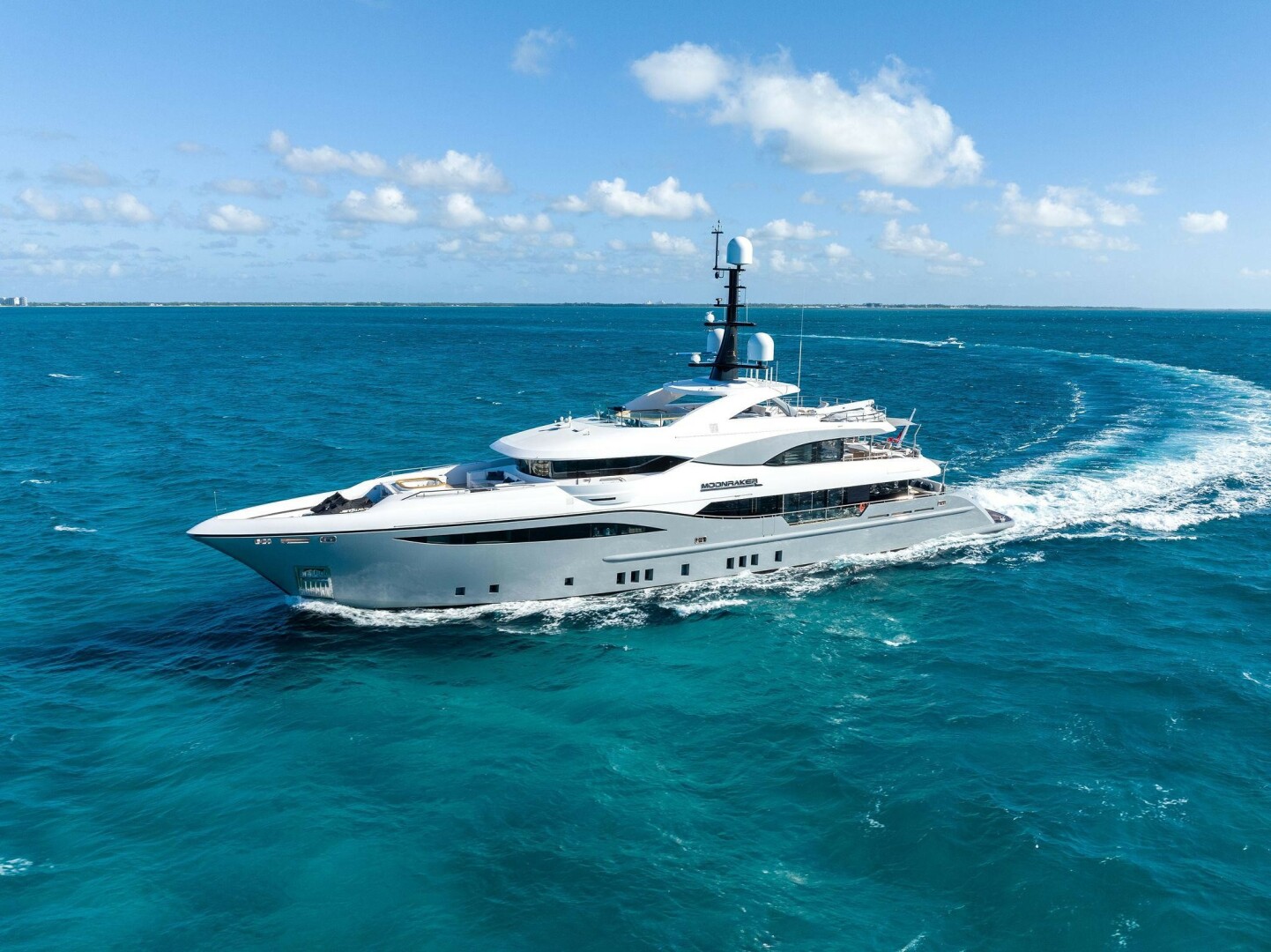
2019 Bilgin MOONRAKER
$20,646,000
156
West Palm Beach Florida

2028 Columbus Yachts
$22,900,008
137
Ancona
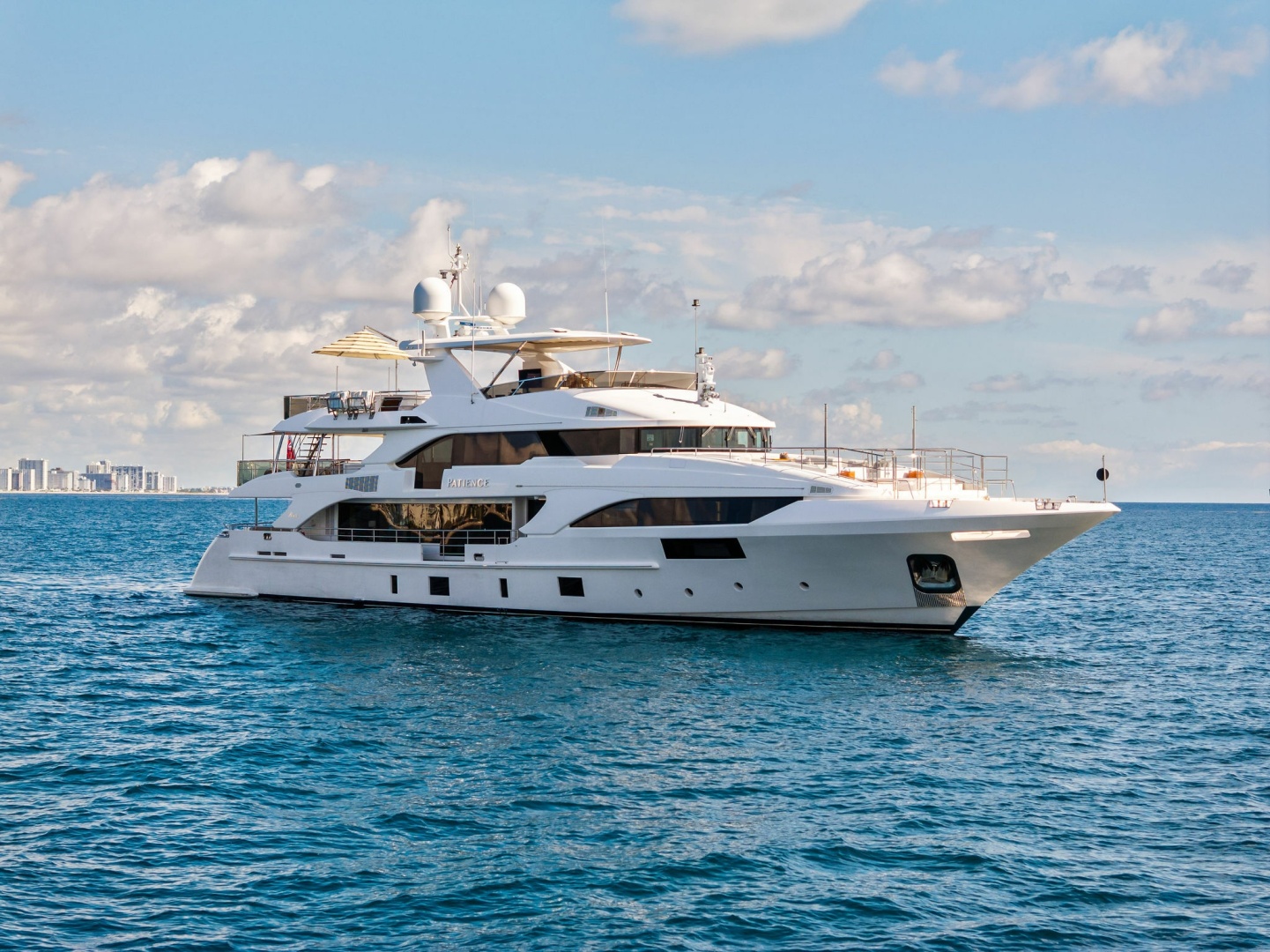
2012 Benetti PATIENCE
$10,975,000
132
Fort Lauderdale Florida
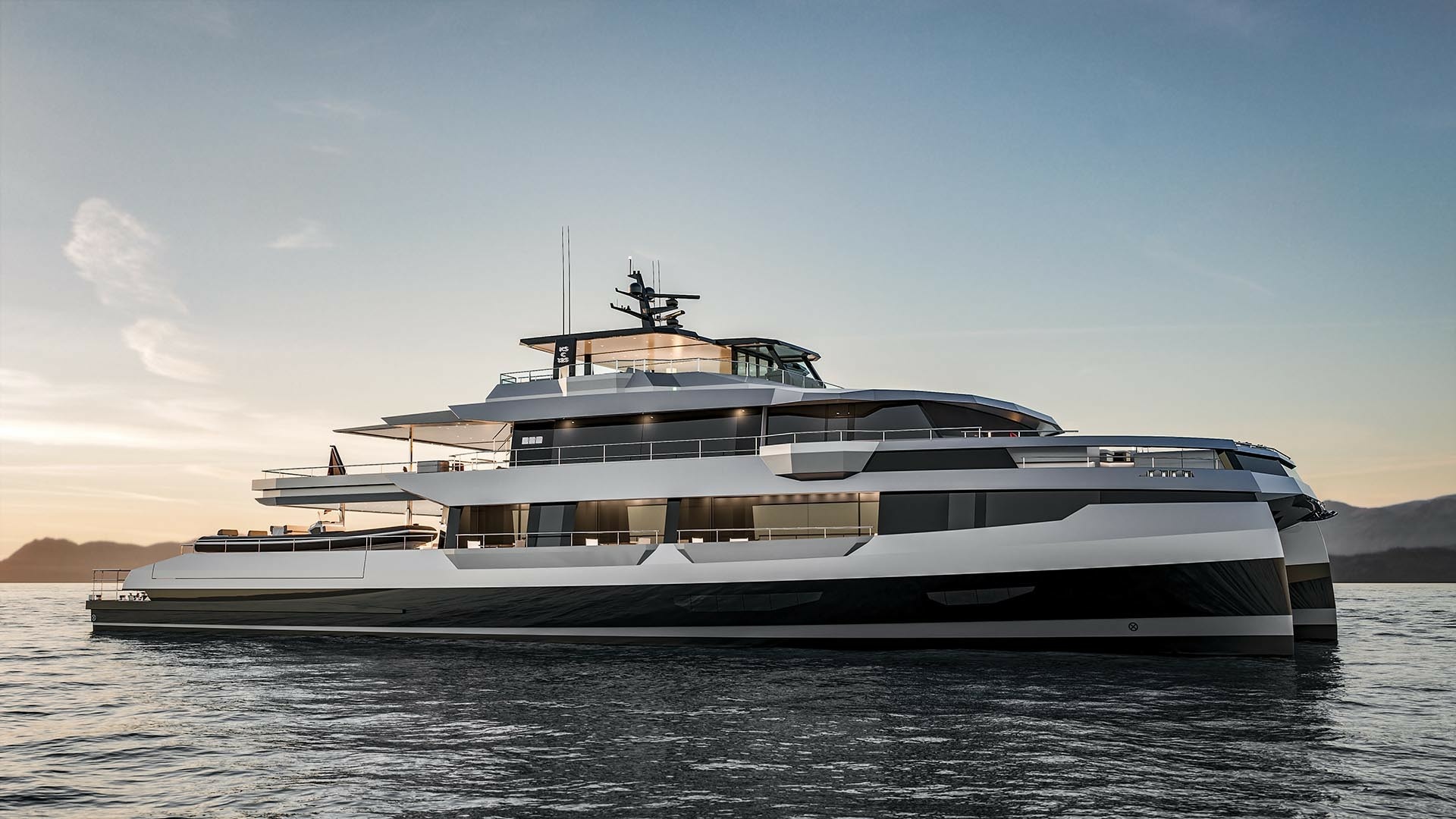
2028 Kingship Kingship
$20,000,000
125
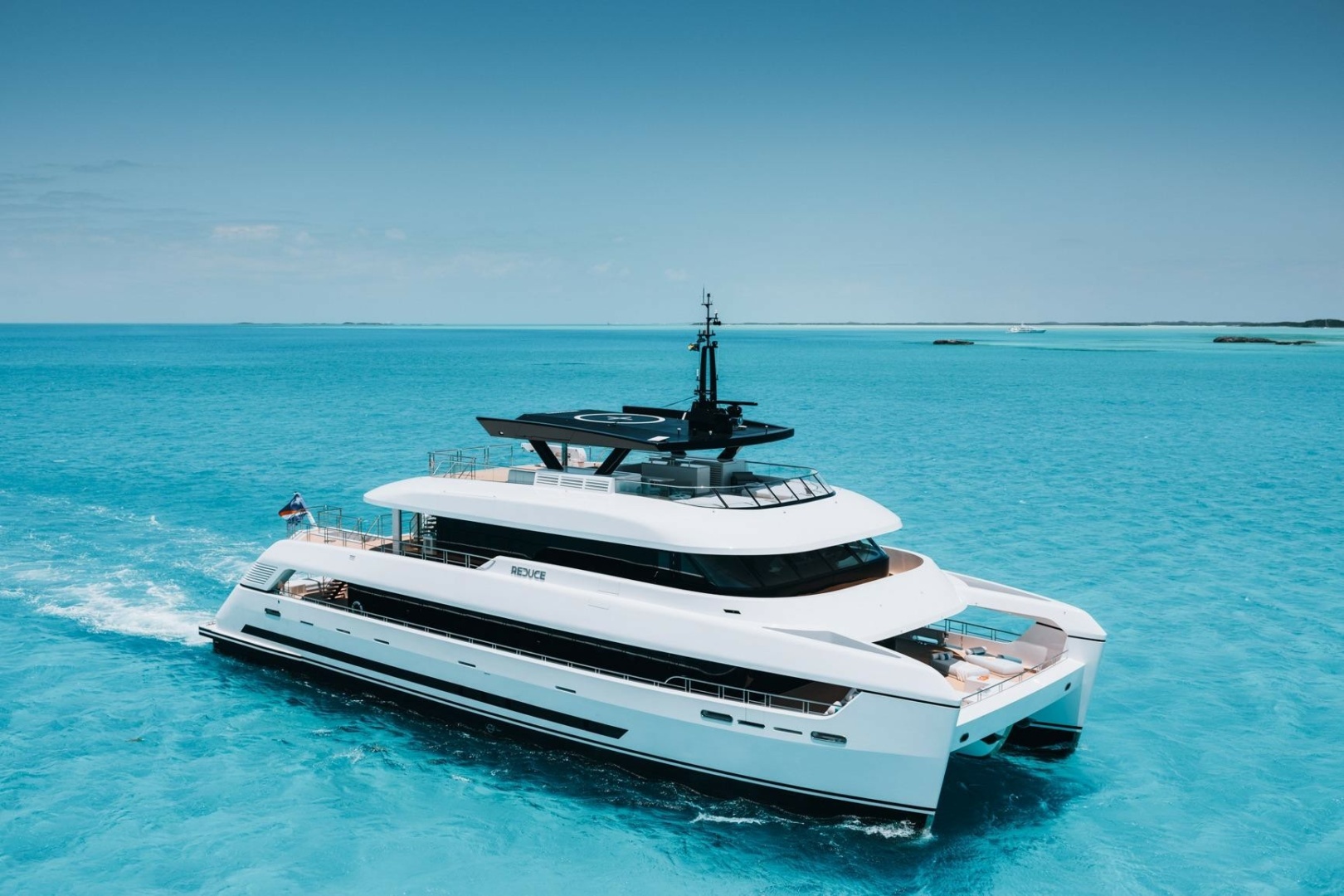
2024 Silver Yachts
$25,400,000
117
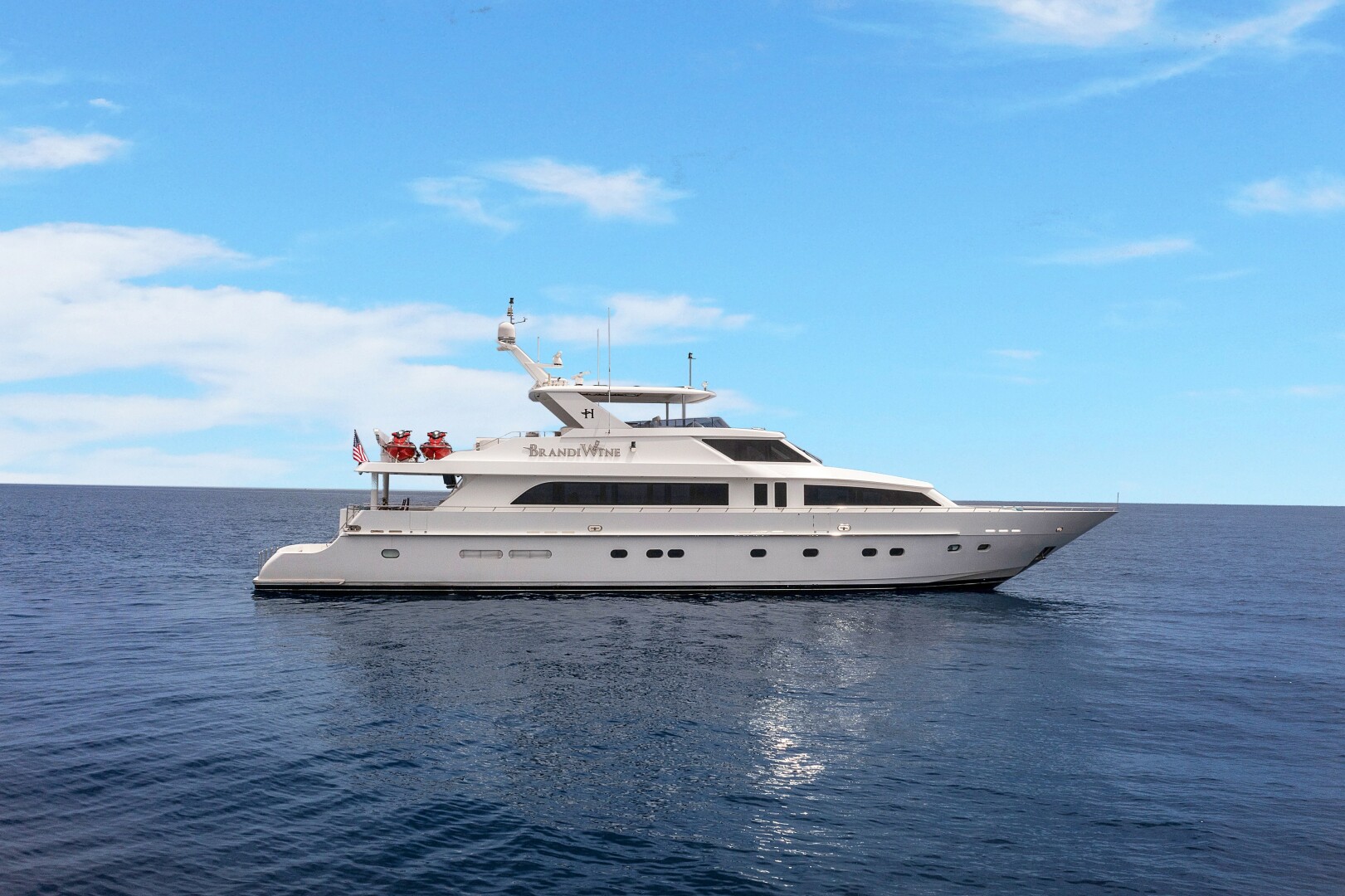
2009 Hargrave BRANDI WINE
$2,500,000
114
Fort Lauderdale Florida

2028 Extra Yachts
$20,646,000
100
Ancona
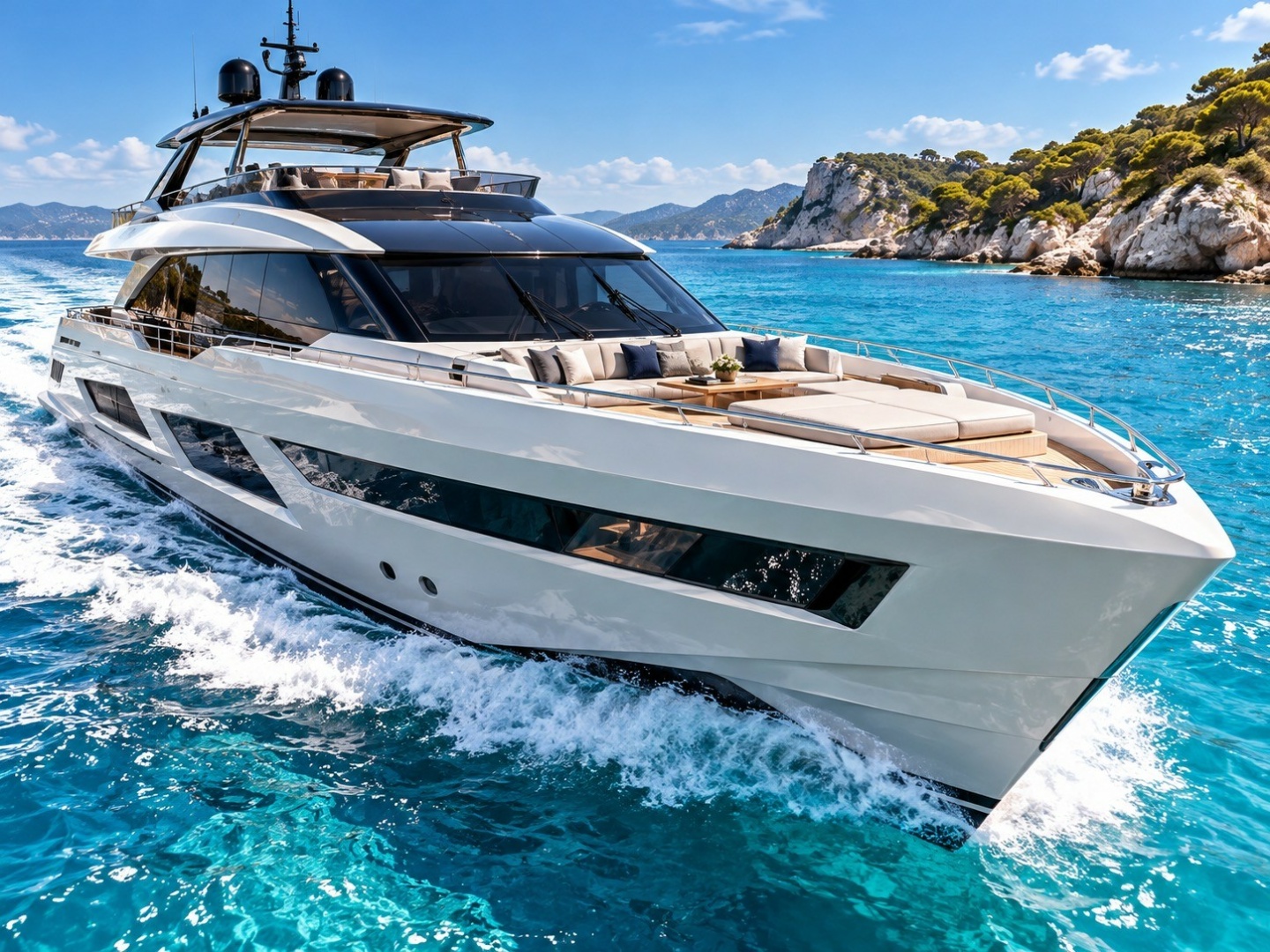
2028 Alpha
100
Ft Lauderdale Florida

2028 Extra Yachts Extra 96
$9,495,000
96
Ancona
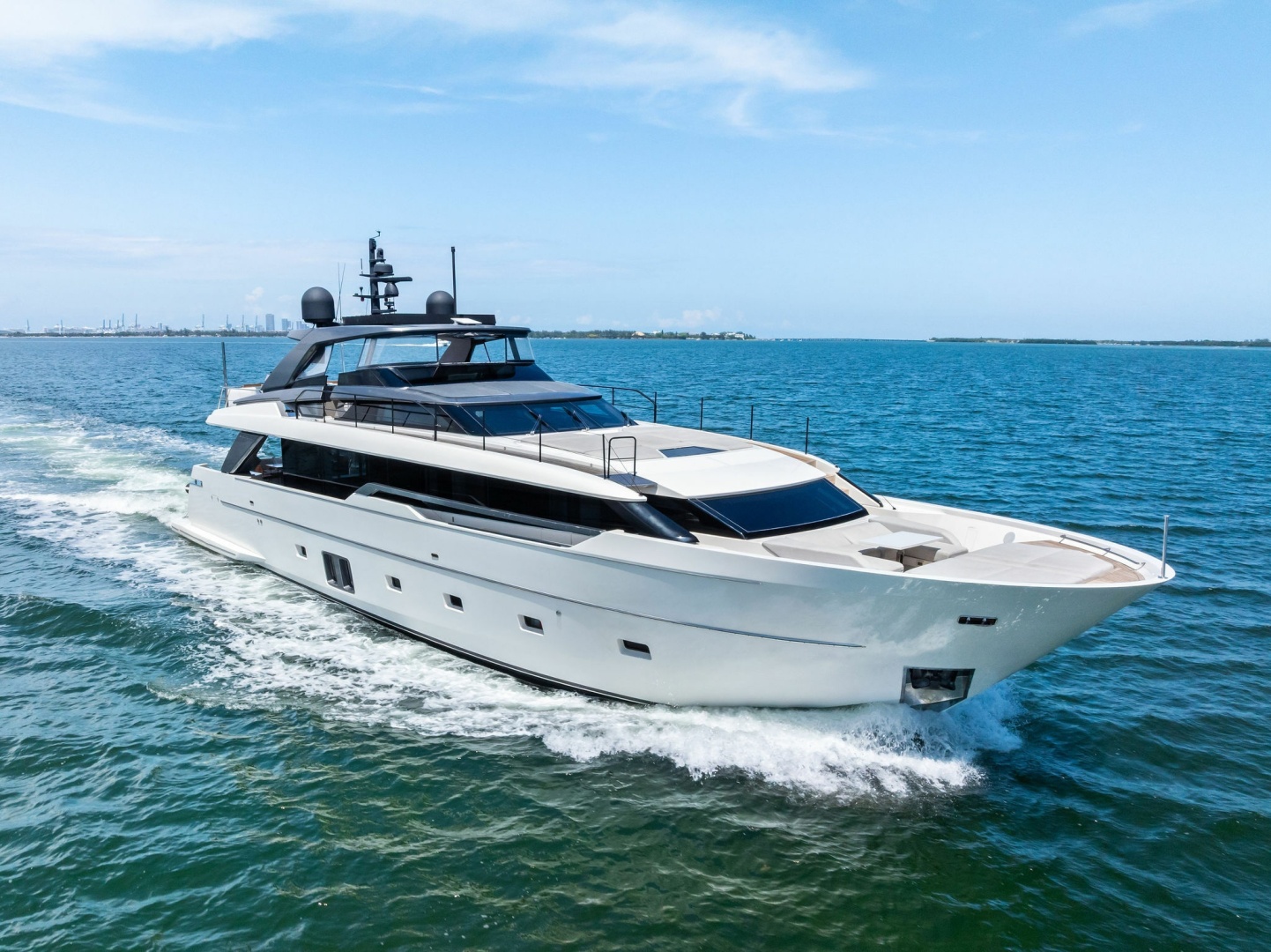
2021 Sanlorenzo GATSBY
$6,795,000
96
Miami Beach Florida
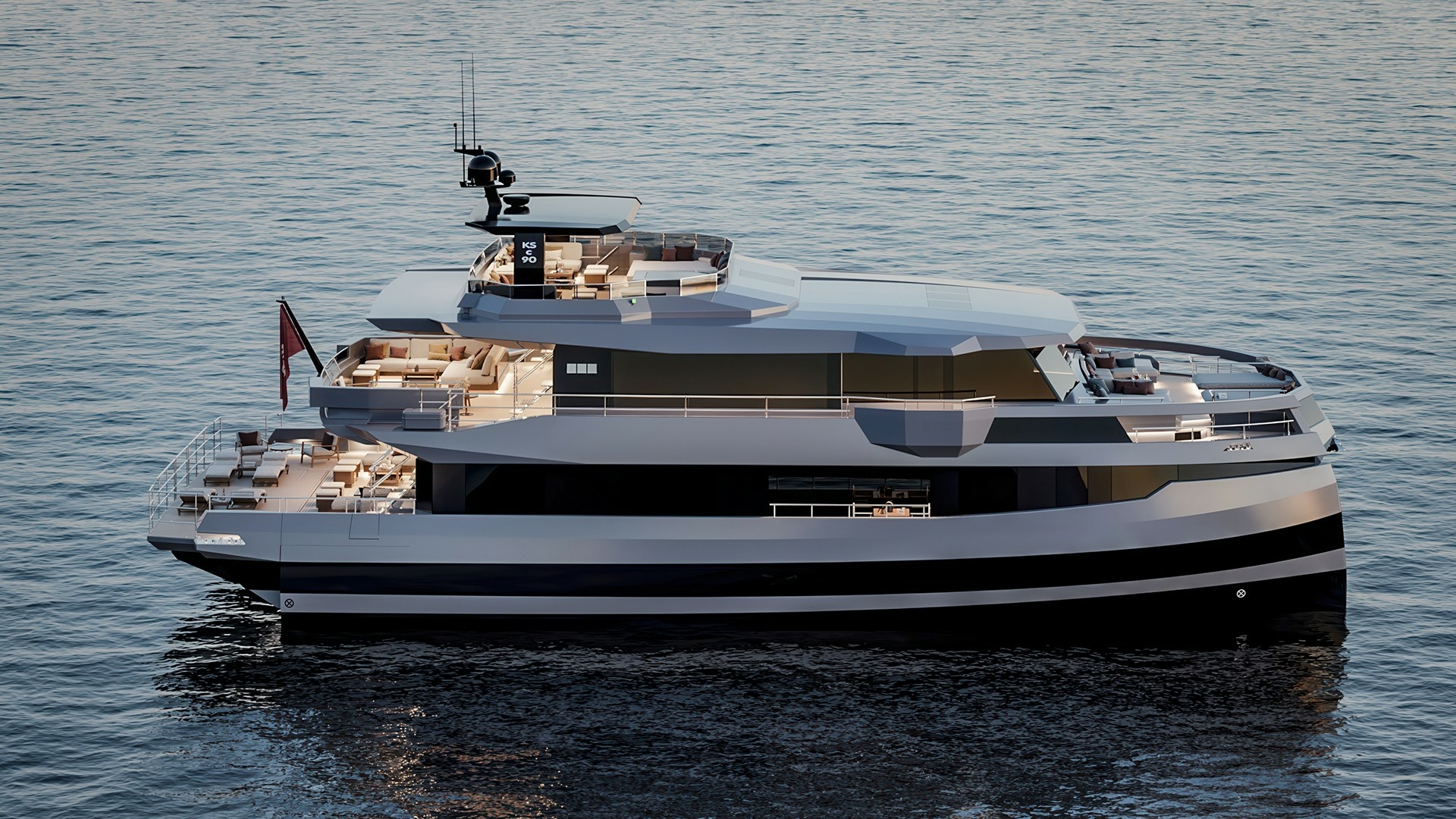
2028 Kingship
90

1999 Northern Marine OFF LINE
$2,495,000
84
Ft Lauderdale Florida
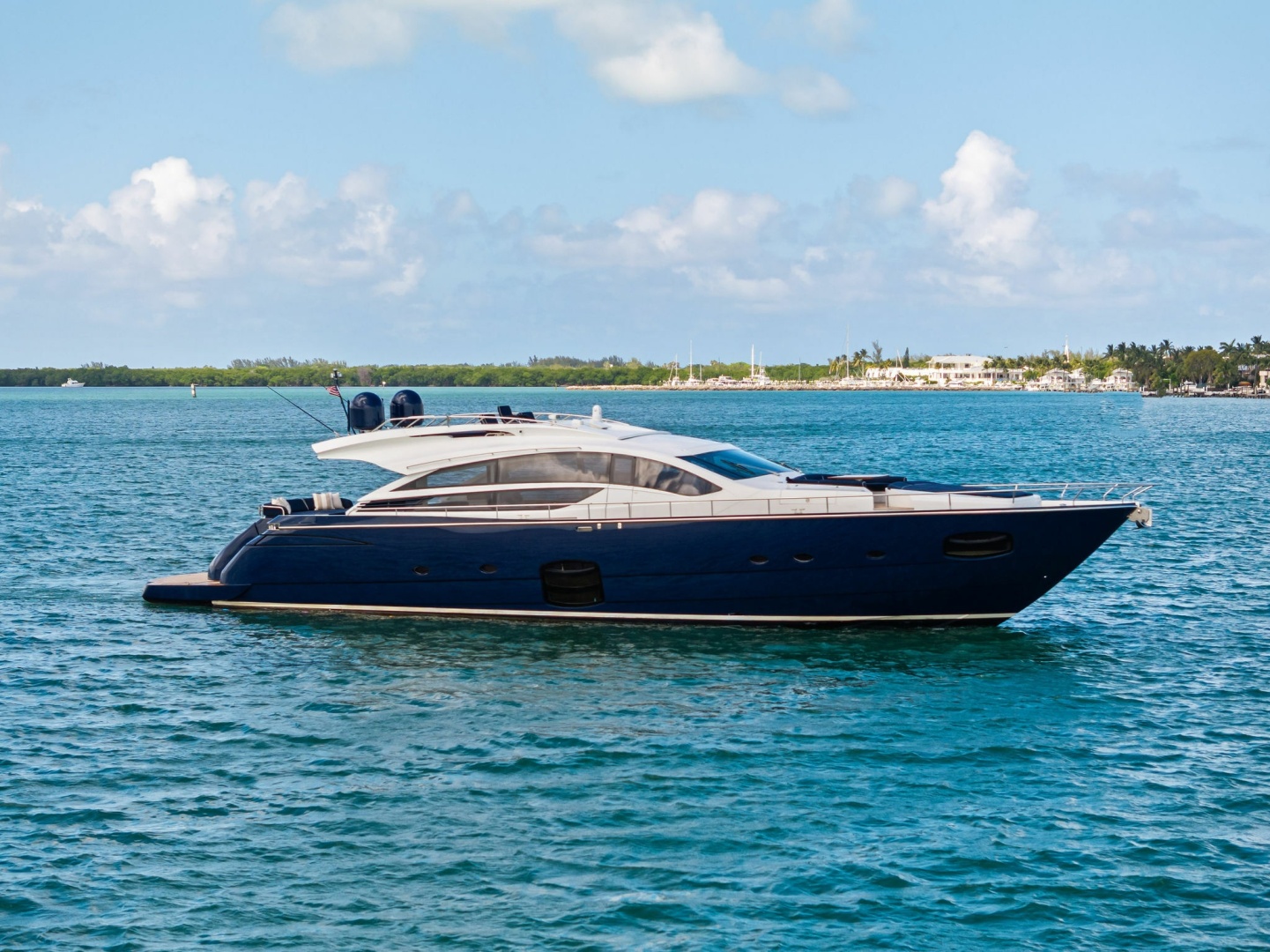
2013 Pershing DOROTHY ANN
$1,550,000
82
Miami Beach Florida

1997 Ferretti Yachts
$825,000
80
La Paz
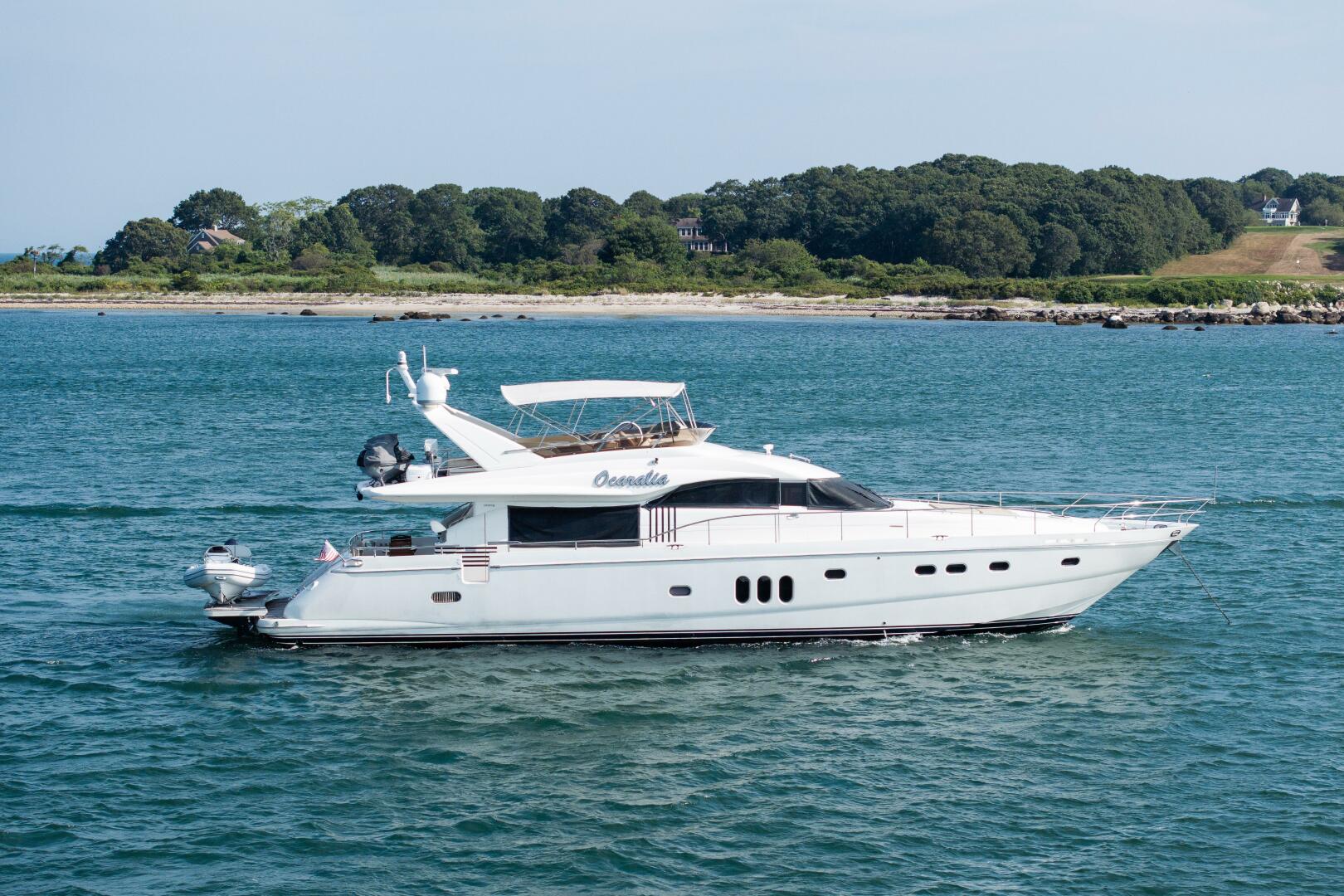
2008 Princess Yachts OCARALIA
$1,095,000
75
Charleston South Carolina
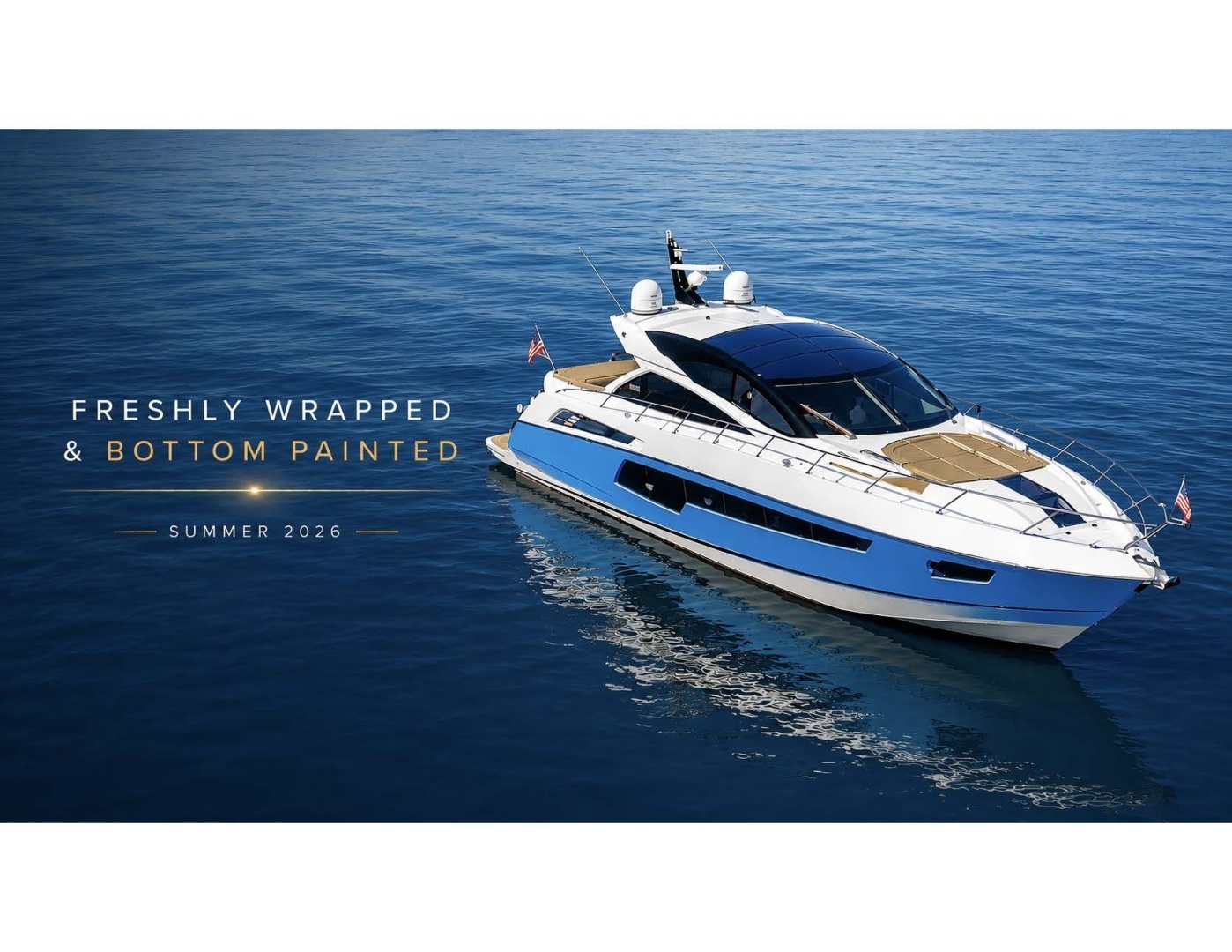
2014 Sunseeker
$1,400,000
68
New York New York

2024 Fairline
$2,750,000
68
Ft. Lauderdale Florida

2024 Sunreef Catallaxi
$3,700,000
60
Newport Rhode Island
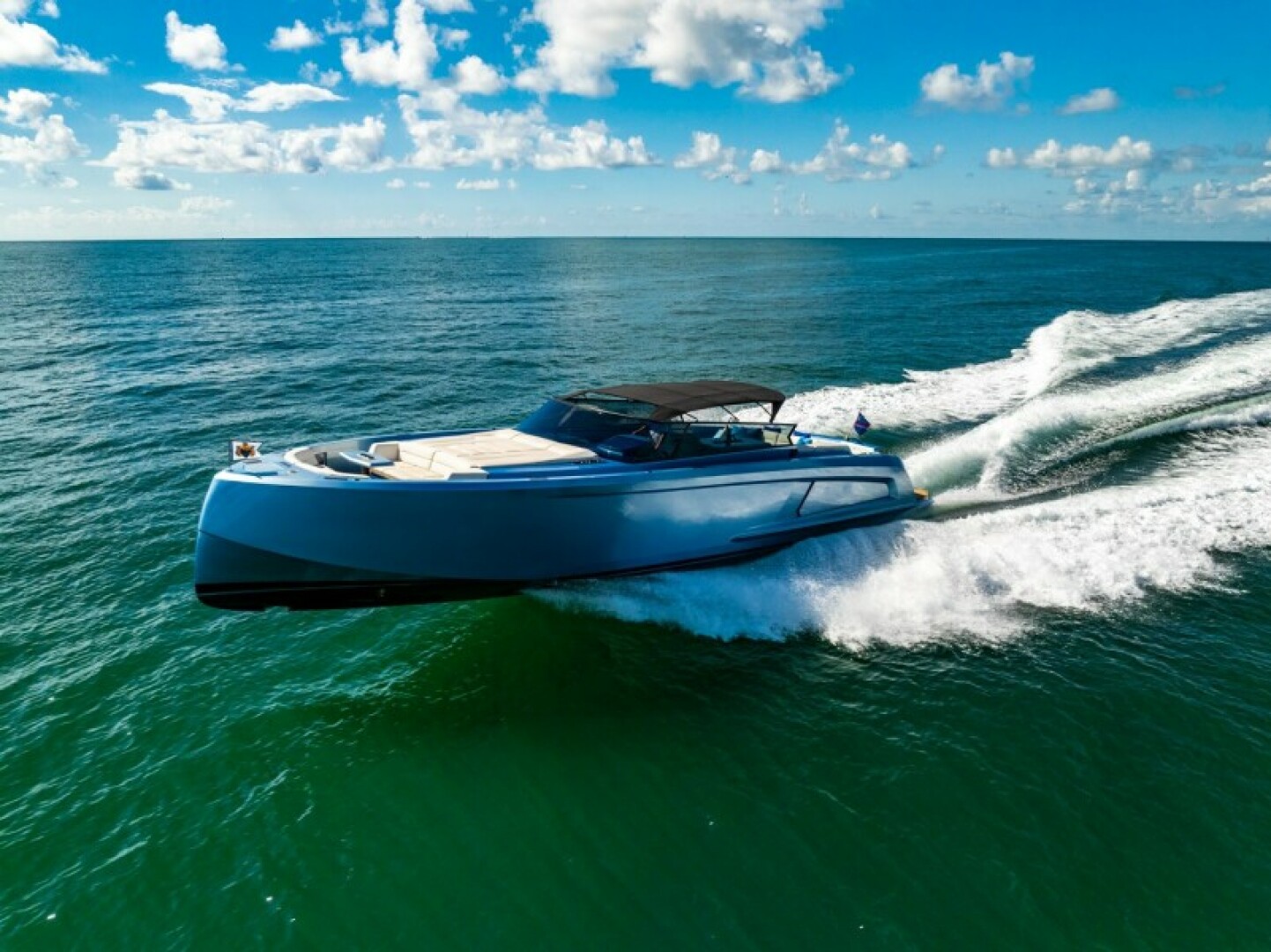
2019 Vanquish Yachts IMPULSIVE
$1,799,000
58
Miami Beach Florida
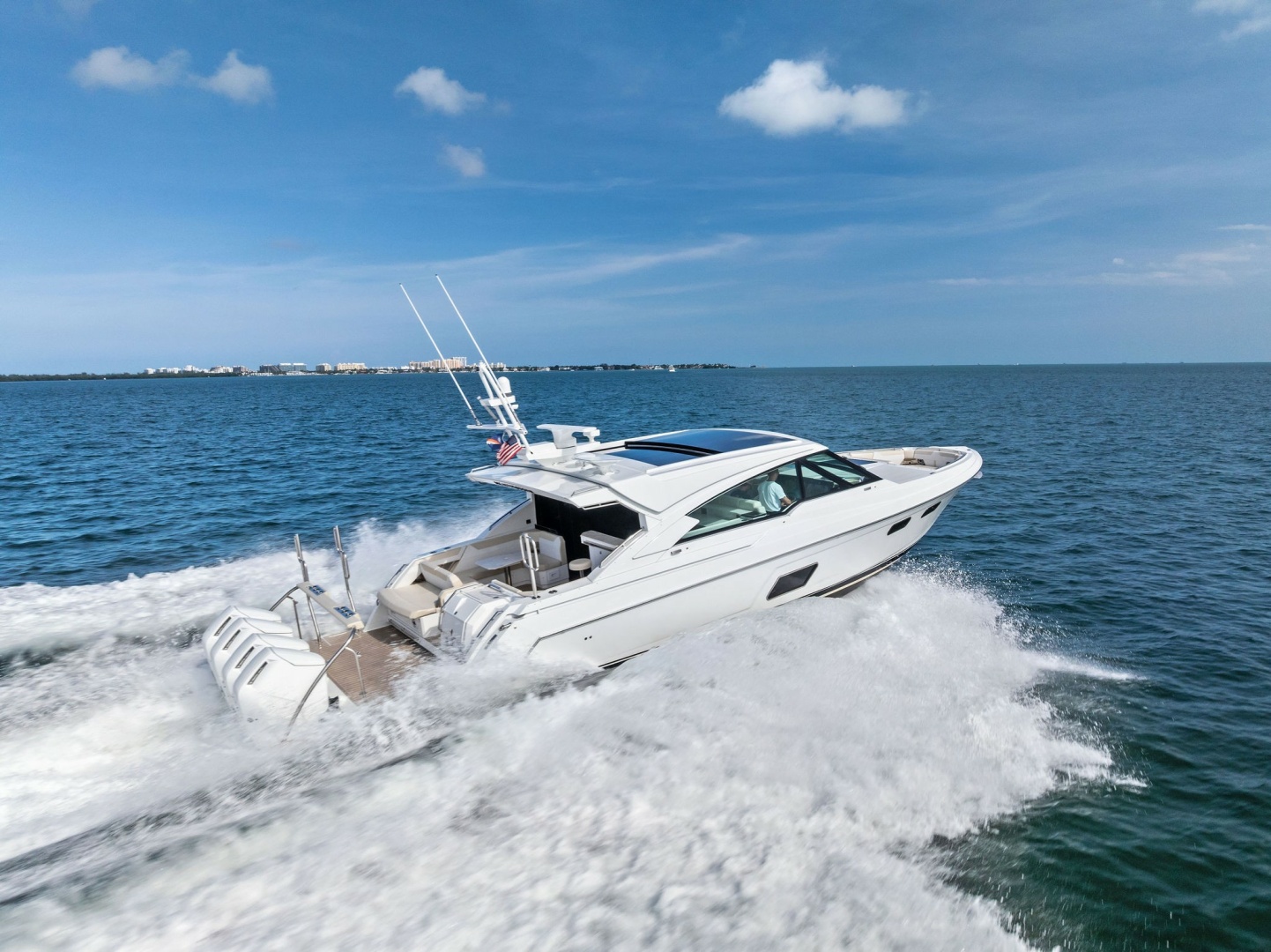
2025 Formula BREAKTHROUGH III
$1,895,000
53
Miami Beach Florida

2023 Fairline
$900,000
45
Fort Lauderdale Florida
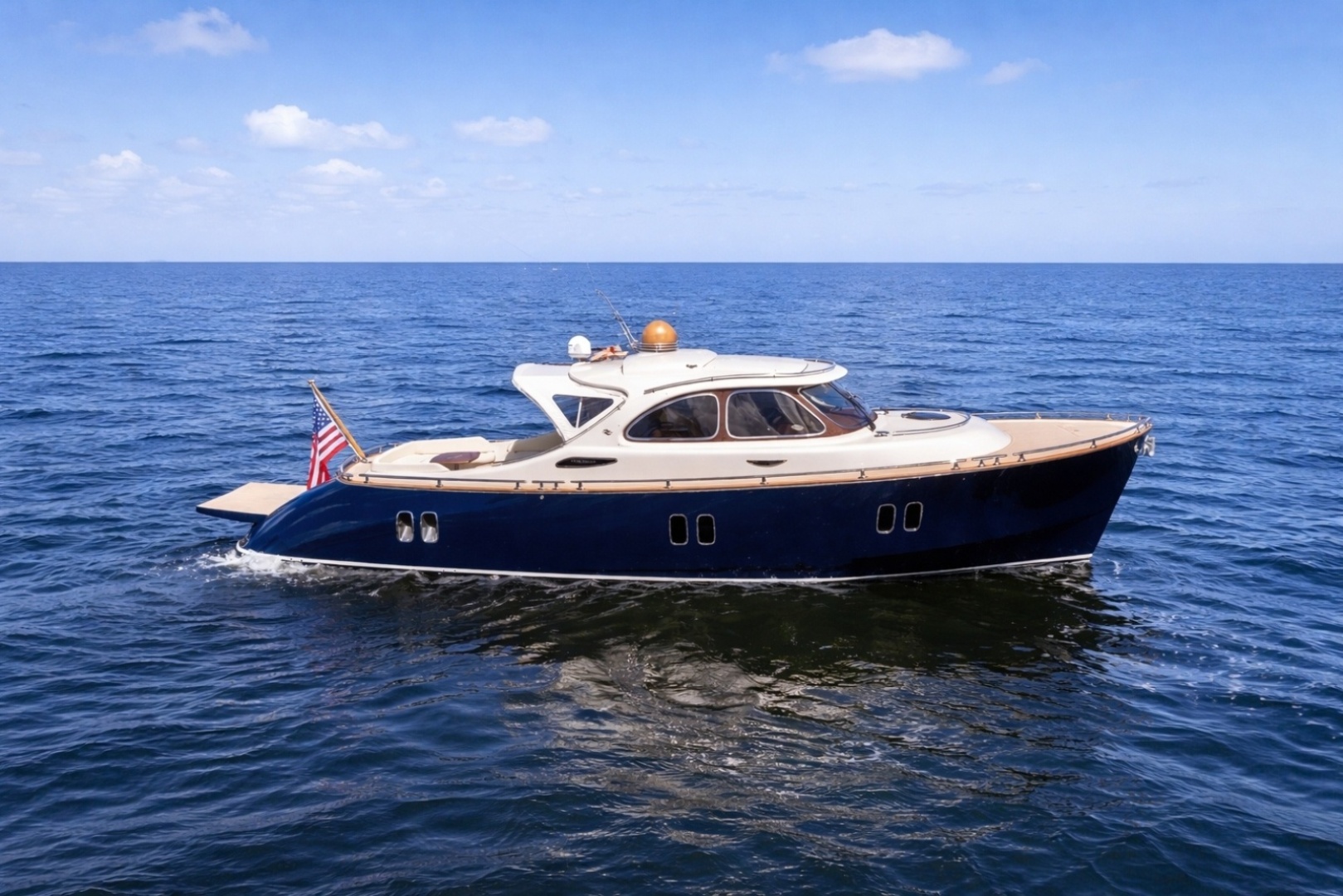
2012 Zeelander Mississippi Queen
$575,000
44
West Palm Beach Florida
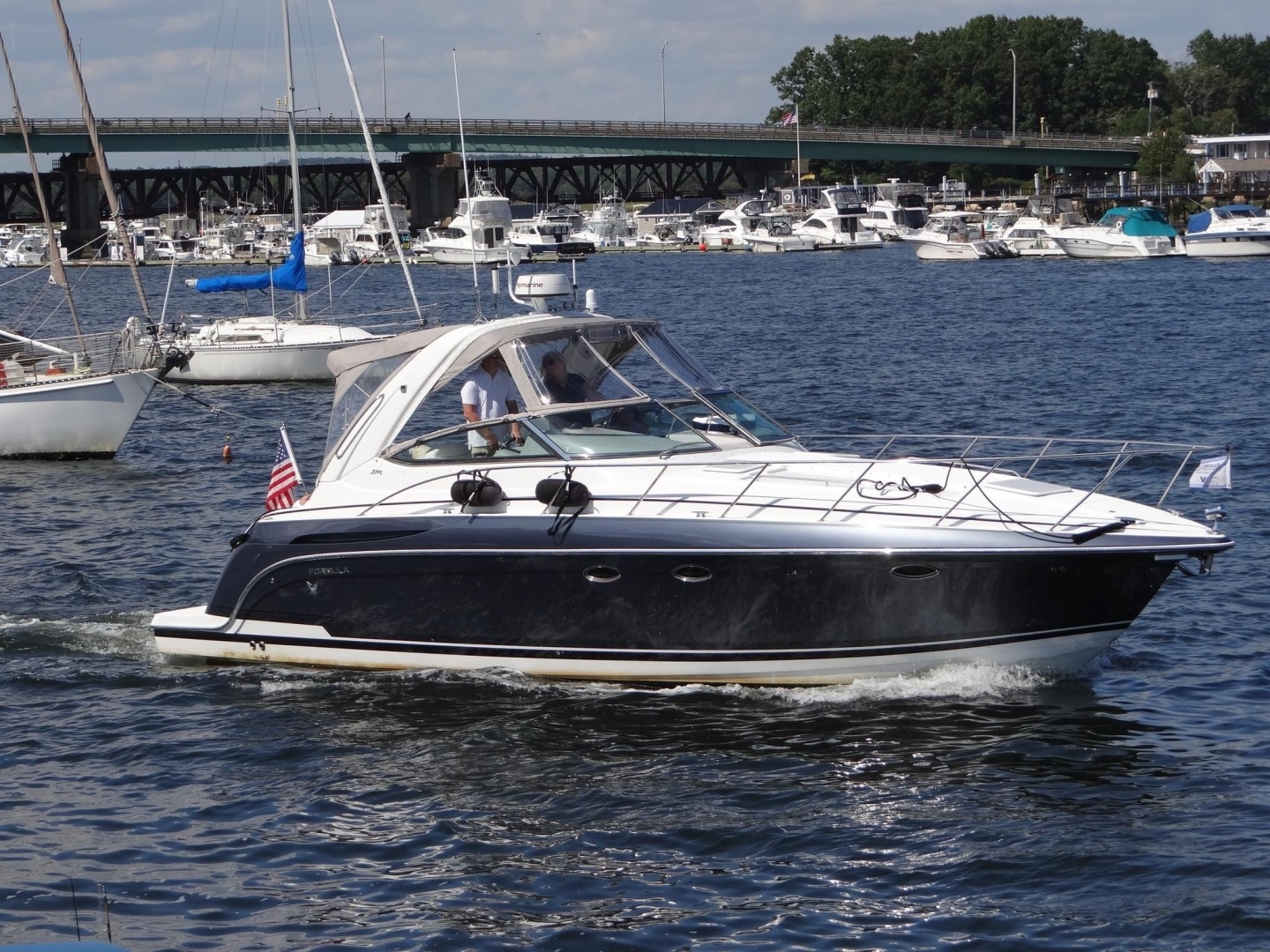
2006 Formula
$139,000
37
Newburyport Massachusetts
2019 Bilgin 156'
$20,646,000
2028 Columbus Yachts 137'
$22,900,008
2012 Benetti 132'
$10,975,000
2028 Kingship 125'
$20,000,000
2024 Silver Yachts 117'
$25,400,000
2009 Hargrave 114'
$2,500,000
2028 Extra Yachts 100'
$20,646,000
2028 Alpha 100'
2028 Extra Yachts 96'
$9,495,000
2021 Sanlorenzo 96'
$6,795,000
2028 Kingship 90'
1999 Northern Marine 84'
$2,495,000
2013 Pershing 82'
$1,550,000
1997 Ferretti Yachts 80'
$825,000
2008 Princess Yachts 75'
$1,095,000
2014 Sunseeker 68'
$1,400,000
2024 Fairline 68'
$2,750,000
2024 Sunreef 60'
$3,700,000
2019 Vanquish Yachts 58'
$1,799,000
2025 Formula 53'
$1,895,000
2023 Fairline 45'
$900,000
2012 Zeelander 44'
$575,000
2006 Formula 37'
$139,000