

TL;DR:
- Proper contract understanding and legal due diligence are essential for seamless yacht ownership and resale.
- Flag state choice influences tax, privacy, and compliance, impacting ongoing ownership costs and regulations.
- Legal risks such as liens, sanctions, and disputes can significantly affect yacht value and ownership security.
Luxury yacht ownership promises freedom, prestige, and unparalleled experiences on the open water. Yet beneath that idyllic surface lies a complex web of legal obligations that can quietly unravel even the most carefully planned transaction. Many buyers focus entirely on specifications, aesthetics, and price, overlooking the contracts, flag registrations, tax structures, and dispute risks that ultimately determine whether ownership is seamless or deeply costly. This guide cuts through that complexity, walking you through every essential legal consideration so your investment is protected, your compliance is airtight, and your time on the water remains the sanctuary it was always meant to be.
Table of Contents
- Key contracts and process: Securing your yacht transaction
- Choosing a flag state: Tax, privacy, and compliance implications
- Global tax, VAT, and operating cost compliance
- Legal disputes and compliance pitfalls: What every buyer must know
- Why legal foundations shape not just safety—but yacht value
- Secure your yachting journey with expert guidance
- Frequently asked questions
Key Takeaways
| Point | Details |
|---|---|
| Standard contracts | Luxury yacht deals rely on MYBA or IYBA contracts, each with unique rules and pitfalls. |
| Flag state matters | Your yacht’s registration affects privacy, taxes, and compliance—choose strategically. |
| Understand real costs | VAT and annual expenses can add 10-15% to a yacht’s value—plan for all costs and optimize structure. |
| Watch for disputes | Legal battles over sanctions, liens, and commissions can happen even to careful buyers—proactively protect yourself. |
| Legal planning adds value | A well-structured, compliant yacht ownership boosts resale and ensures true enjoyment. |
Key contracts and process: Securing your yacht transaction
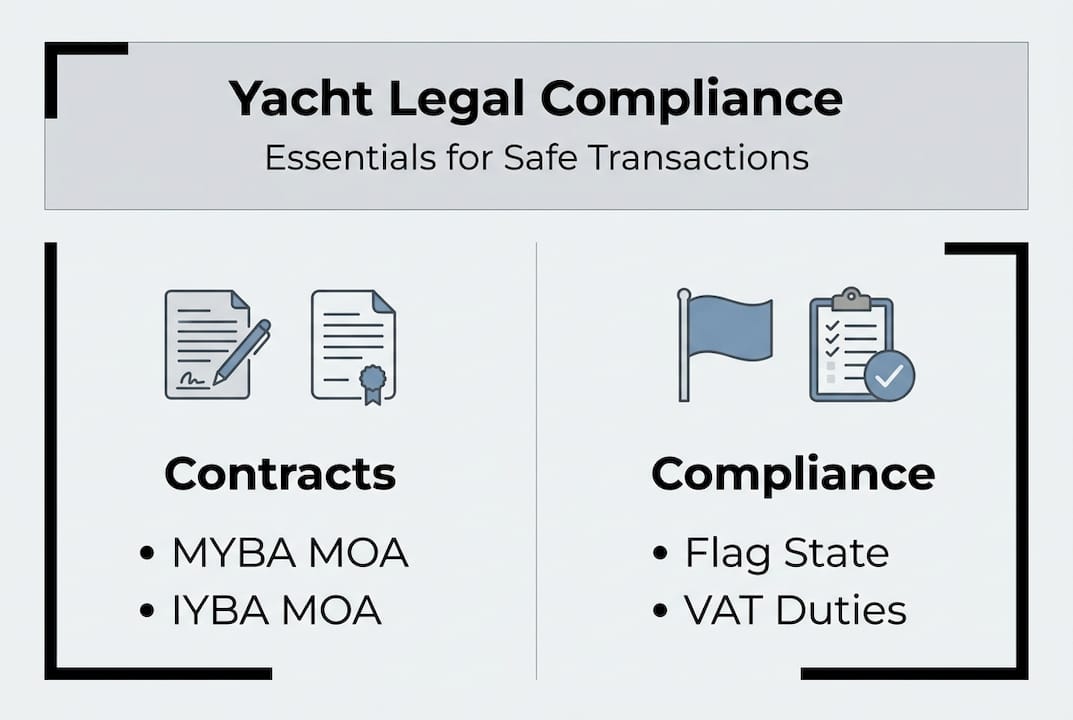
Every luxury yacht transaction begins and ends with its contracts. Understanding which agreement governs your deal is not a formality. It is your first line of defense.
The two dominant standard contracts in the industry are the MYBA Memorandum of Agreement (MOA), widely used in European transactions, and the IYBA Purchase and Sale Agreement (PSA), the preferred instrument in American markets. As standard contracts like MYBA MOA and IYBA PSA require a 10% escrow deposit and set timelines under “as is where is” terms, understanding their differences is essential before you sign anything.
| Feature | MYBA MOA | IYBA PSA |
|---|---|---|
| Primary market | Europe, Mediterranean | United States, Americas |
| Escrow requirement | 10% of purchase price | 10% of purchase price |
| Survey rights | Buyer has unconditional rejection right | Buyer has rejection right with conditions |
| Warranty standard | Seller warrants clear title | Seller warrants clear title |
| “As is where is” | Yes, post-acceptance | Yes, post-acceptance |
The typical deal flow follows a clear sequence:
- Offer and acceptance — Buyer submits a written offer; seller countersigns to form a binding agreement.
- Escrow deposit — 10% of the agreed price is placed in a neutral escrow account.
- Sea trial — The vessel is tested under realistic operating conditions.
- Survey — A qualified marine surveyor inspects the yacht for structural and mechanical integrity.
- Acceptance or rejection — Buyer either accepts the vessel or invokes their right to reject based on material defects.
- Closing — Remaining funds are transferred, and title documents are exchanged.
One of the most overlooked elements is the material defect standard. Under the MYBA MOA, a buyer may reject a vessel unconditionally during the survey phase. However, once acceptance is given, the “as is where is” clause applies, and recourse narrows sharply. Sellers, for their part, warrant clear title but offer no broader guarantees on condition post-acceptance.
Pro Tip: Before signing any contract, ask your broker to walk you through the default clauses and timeline flexibility. A rigid timeline with no grace period can cost you your deposit if closing logistics shift unexpectedly. Reviewing yacht brokerage compliance standards will help you understand what a reputable broker should be managing on your behalf.
For a broader view of the purchase process, the yacht buying expert guide offers detailed context on each phase. And if you are still selecting a broker, knowing the questions to ask yacht brokers will sharpen every conversation.
Choosing a flag state: Tax, privacy, and compliance implications
Once contracts are settled, your next critical decision is where to register your vessel. The flag state is far more than a legal technicality. It shapes your tax exposure, your privacy protections, and the regulatory framework your yacht must operate within.

A flag state is the country whose laws govern a vessel’s registration, safety standards, and crew requirements. Choosing wisely can mean the difference between streamlined operations and a compliance burden that follows you into every port.
Three flag states dominate the luxury segment:
- Cayman Islands — Favored for strong privacy protections, minimal taxation, and a respected international reputation. Ideal for private owners who prioritize confidentiality.
- Malta — An EU member state offering access to European waters with favorable VAT leasing schemes and a growing regulatory framework.
- Marshall Islands — Known for operational flexibility and cost efficiency, popular with commercial charter operations.
As flag state selection impacts tax, privacy, operations, and requires compliance with major conventions, the choice demands careful legal analysis rather than a default decision. You can also review yacht registration legalities for a deeper legal perspective.
Beyond registration, every flag state obligates the vessel to comply with international maritime conventions:
- SOLAS (Safety of Life at Sea) — Structural and safety equipment standards
- MARPOL — Environmental protection and pollution prevention
- MLC 2006 — Maritime Labour Convention governing crew rights
- ISM/ISPS Codes — Safety management and port security protocols
For owners planning to charter commercially, flag state compliance intersects with crewing requirements and insurance obligations in ways that can significantly affect operating costs. Exploring yacht ownership structures before finalizing registration can reveal smarter configurations.
Pro Tip: If you intend to charter your yacht commercially, research the flag state’s crewing requirements before registering. Some flags require a minimum number of locally certified officers, which can affect both cost and operational flexibility.
Global tax, VAT, and operating cost compliance
Understanding your flag state sets the stage, but the financial reality of ownership is shaped most powerfully by tax strategy and operating costs. These numbers are rarely small.
Annual operating costs equal 10 to 15% of a yacht’s value each year, covering crew salaries, insurance, fuel, maintenance, port fees, and regulatory compliance. On a $10 million vessel, that means $1 million to $1.5 million annually before any unexpected repairs.
VAT is one of the most consequential and misunderstood elements of yacht ownership. Key considerations include:
- Malta leasing schemes reduce effective VAT to as low as 5.4% for qualifying vessels, making it one of the most attractive structures for EU-based owners.
- Commercial exemptions allow yachts operated as charter businesses to recover VAT on purchases and operating expenses.
- Proof of export is required for VAT exemption when a vessel leaves EU waters permanently. Without proper documentation, owners face retroactive VAT assessments.
- Usage tracking in EU waters matters. Extended private use without VAT paid can trigger audits and penalties.
The global superyacht market is projected to reach $17 billion by 2030, and with that growth comes increased regulatory scrutiny from tax authorities across Europe and beyond. Staying ahead of compliance is not optional.
Practical optimization strategies include holding the vessel through a corporate structure in a favorable jurisdiction, using the Malta leasing program during the purchase phase, and maintaining meticulous logs of where the yacht operates and for what purpose. Understanding how location and yacht tax interact is essential for any owner spending significant time in European waters.
For those evaluating whether ownership makes financial sense, the yacht investment value analysis and yacht pricing strategy resources offer grounded perspectives. Pairing those insights with a clear plan for yacht tax savings can meaningfully shift the long-term economics of ownership.
Legal disputes and compliance pitfalls: What every buyer must know
Even with meticulous planning, legal challenges can surface unexpectedly. The most costly mistakes are rarely the ones buyers anticipate.
“The greatest legal risks in yacht ownership are not the ones written into the contract. They are the ones nobody thought to ask about.” — Maritime legal counsel perspective
Recent high-profile cases have reshaped how buyers and their advisors approach due diligence. Sanctions detentions, maritime liens, and commission disputes are legal risks even for careful buyers who believe they have done everything right.
The key risk categories every buyer must address:
- Sanctions exposure — The UK detention of the superyacht Phi demonstrated that a vessel with connections to sanctioned individuals or countries can be detained even when the registered owner is not personally sanctioned. Read the superyacht sanctions case for a detailed account of how this unfolds in practice.
- Maritime liens — Unpaid debts for crew wages, fuel, repairs, or port fees attach to the vessel itself, not the previous owner. A buyer who skips thorough lien searches can inherit significant undisclosed liabilities.
- Limitation deadlines — Under Dutch law and several other jurisdictions, maritime claims lapse within extremely short windows. Missing a deadline can extinguish a legitimate claim entirely.
- Broker commission disputes — When multiple brokers are involved in a transaction, commission claims can arise from parties with no formal agreement in place. Clarifying yacht sales commission arrangements in writing before any deal progresses is essential.
The practical solution is straightforward but often skipped: engage a qualified maritime lawyer before making any offer. Their fee is negligible compared to the cost of a disputed transaction, a detained vessel, or an inherited lien.
Why legal foundations shape not just safety—but yacht value
Here is a perspective that rarely surfaces in standard buying guides: the legal health of a yacht is a silent asset. It does not appear on a spec sheet, but it profoundly influences resale value, insurance premiums, and the ease of future transactions.
We have seen owners invest millions in interior refits and technology upgrades, only to find that unresolved ownership disputes or murky flag histories quietly suppress their vessel’s market value. A spotless legal record, clean title history, and documented compliance with international conventions are worth real money at resale. Buyers at this level do their homework, and any cloud on a vessel’s legal past will either kill a deal or force a price concession.
The owners who treat legal compliance as an ongoing discipline rather than a one-time closing checklist consistently enjoy smoother transactions, stronger resale outcomes, and genuine peace of mind. A well-maintained luxury yacht investment is not just about the vessel’s physical condition. It is about the integrity of every document, registration, and agreement attached to it.
Professional legal and brokerage guidance pays for itself. Not just in avoided litigation, but in the confidence that comes from knowing your ownership is unassailable.
Secure your yachting journey with expert guidance
Navigating the legal landscape of luxury yacht ownership is genuinely complex, but it does not have to be overwhelming. The right expertise transforms these complexities into manageable, well-sequenced steps that protect your investment at every stage. Understanding why use a yacht broker goes far beyond transaction facilitation. A skilled broker coordinates legal due diligence, flag state strategy, and contract negotiation with precision. Explore what expert yacht brokerage truly means in practice, and discover the deeper reasons to buy a luxury yacht when every legal detail is handled with care. At Yachts by Steve, we are here to guide you through every layer of the process with clarity and confidence.
Frequently asked questions
What is the most common legal mistake in luxury yacht purchases?
The most common mistake is failing to review warranties and default clauses in sale contracts, which can lead to expensive disputes or the loss of your deposit if timelines shift or defects emerge post-acceptance. Contract pitfalls are well-documented and entirely avoidable with proper legal review.
How does flag state selection impact privacy and taxes?
Your chosen flag state determines the level of ownership privacy, the applicable tax rate, and which international compliance regulations your vessel must meet. Flag state affects privacy and tax obligations in ways that vary significantly between jurisdictions like the Cayman Islands, Malta, and the Marshall Islands.
Can past liens or debts remain after buying a yacht?
Yes, maritime liens persist after sale and attach to the vessel itself rather than the previous owner, meaning buyers can unknowingly inherit undisclosed debts for crew wages, fuel, or repairs.
What are typical annual operating costs for a luxury yacht?
Annual running costs equal 10 to 15% of a yacht’s purchase value, covering crew, insurance, maintenance, port fees, and ongoing regulatory compliance requirements.
Are sanctions a risk even for buyers not personally sanctioned?
Yes, as demonstrated in the Phi superyacht case, sanctions have resulted in detentions of vessels connected to sanctioned individuals or countries, even when the registered owner has no personal sanctions designation.
Recommended
Featured Listings
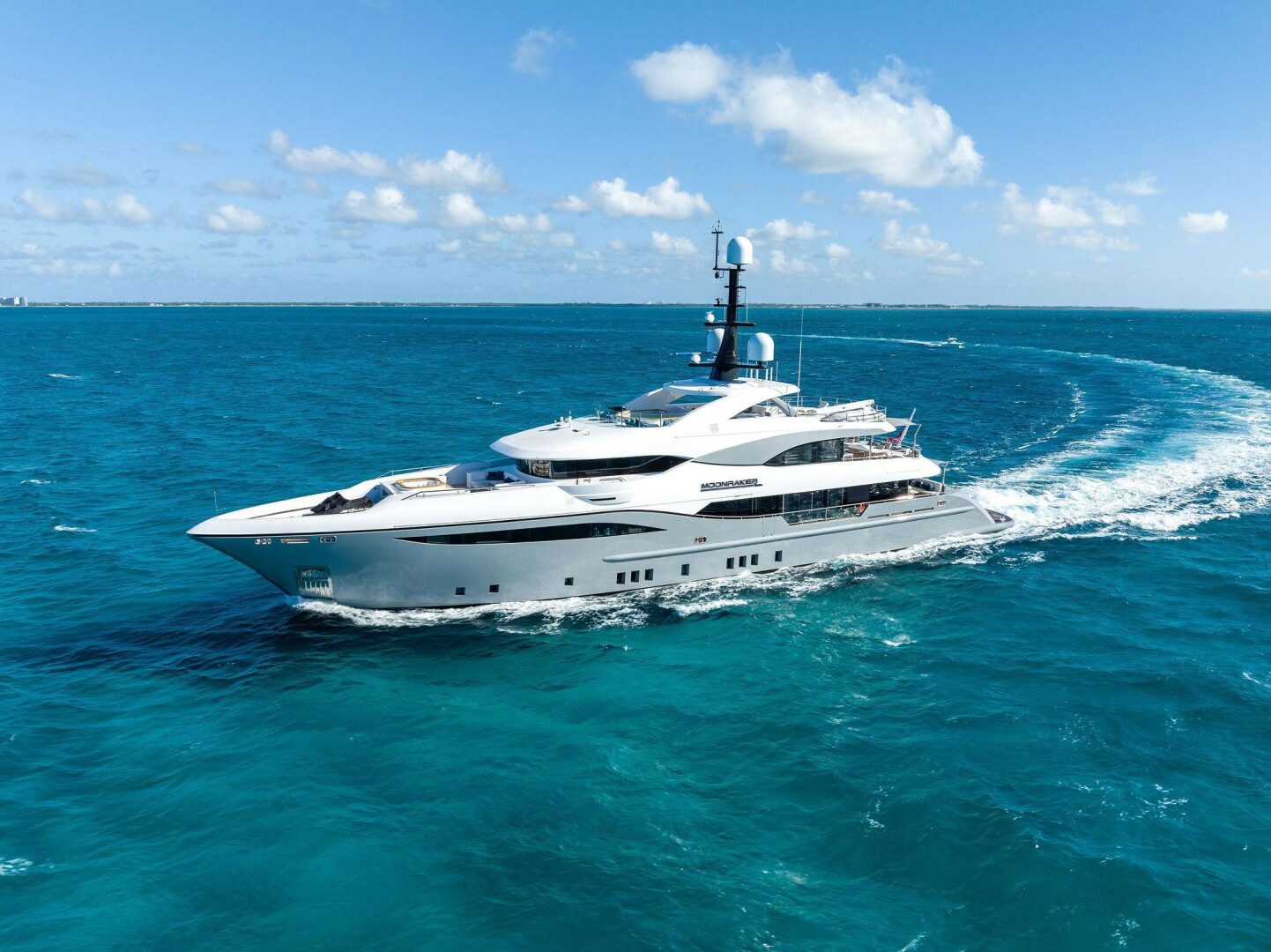
2019 Bilgin MOONRAKER
$21,404,500
156
West Palm Beach Florida

2028 Columbus Yachts
$22,900,008
137
Ancona
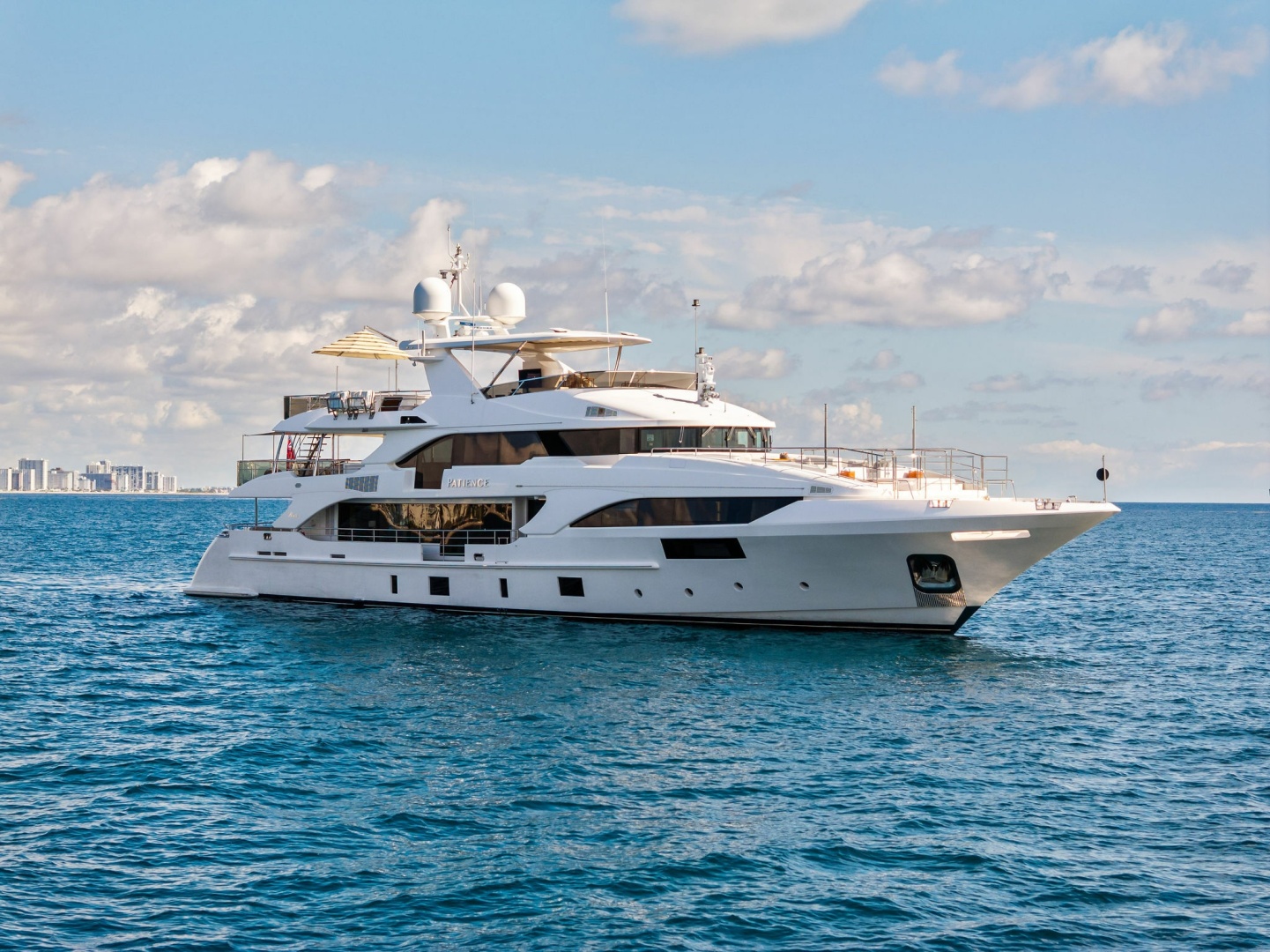
2012 Benetti PATIENCE
$10,975,000
132
Fort Lauderdale Florida
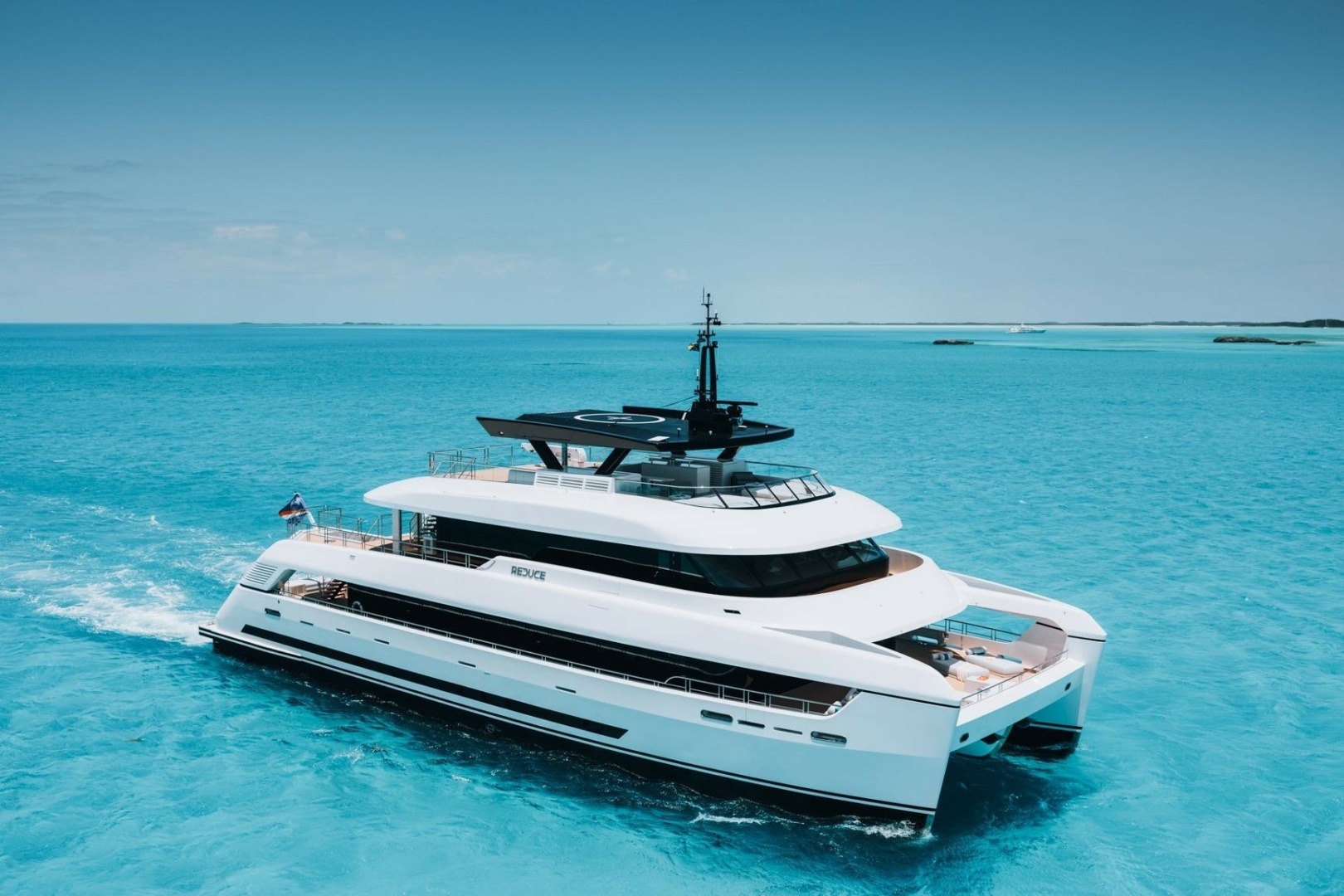
2024 Silver Yachts
$25,400,000
117
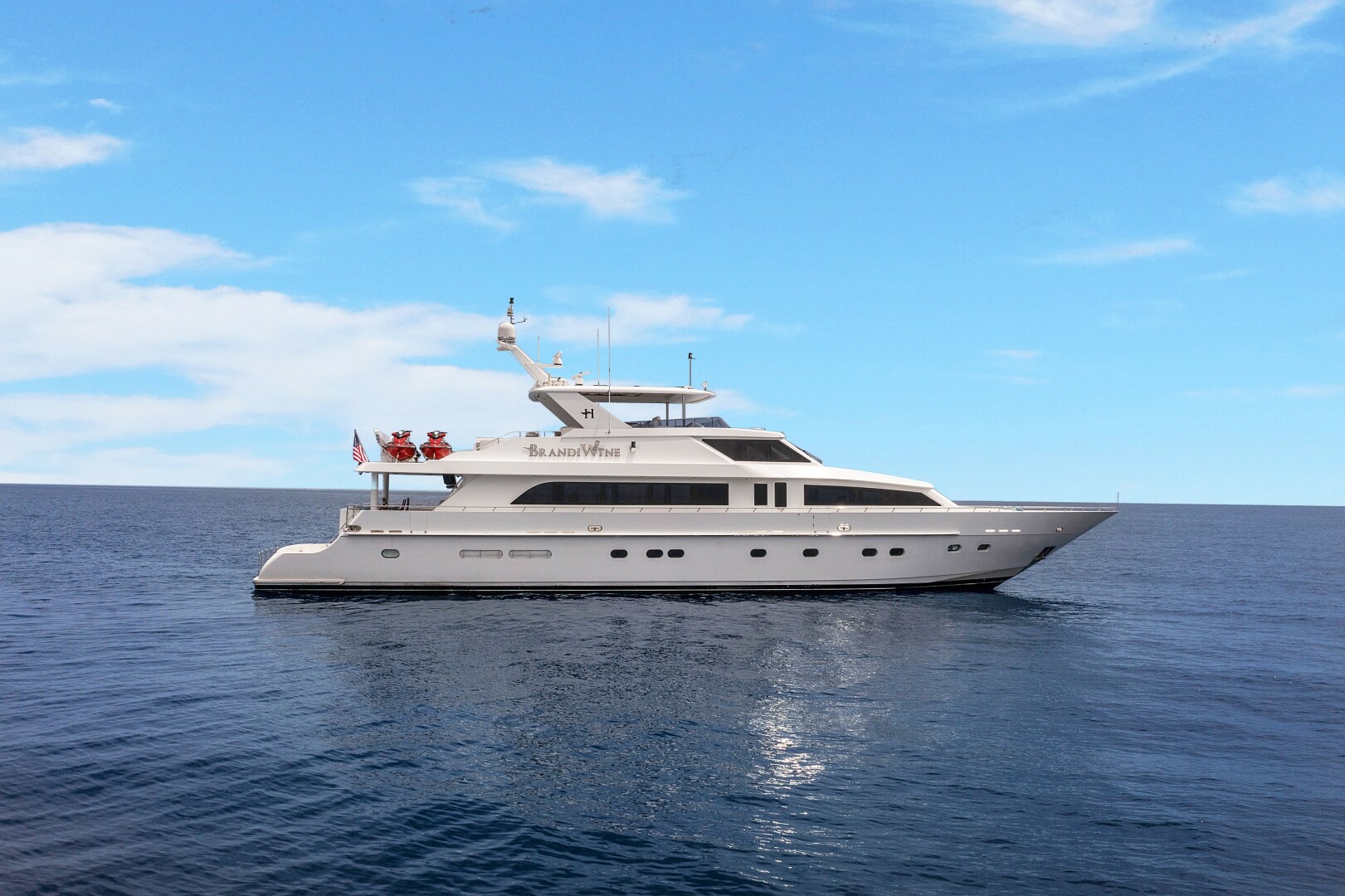
2009 Hargrave BRANDI WINE
$2,995,000
114
Fort Lauderdale Florida

2028 Extra Yachts
$21,404,500
100
Ancona

2028 Extra Yachts Extra 96
$9,495,000
96
Ancona
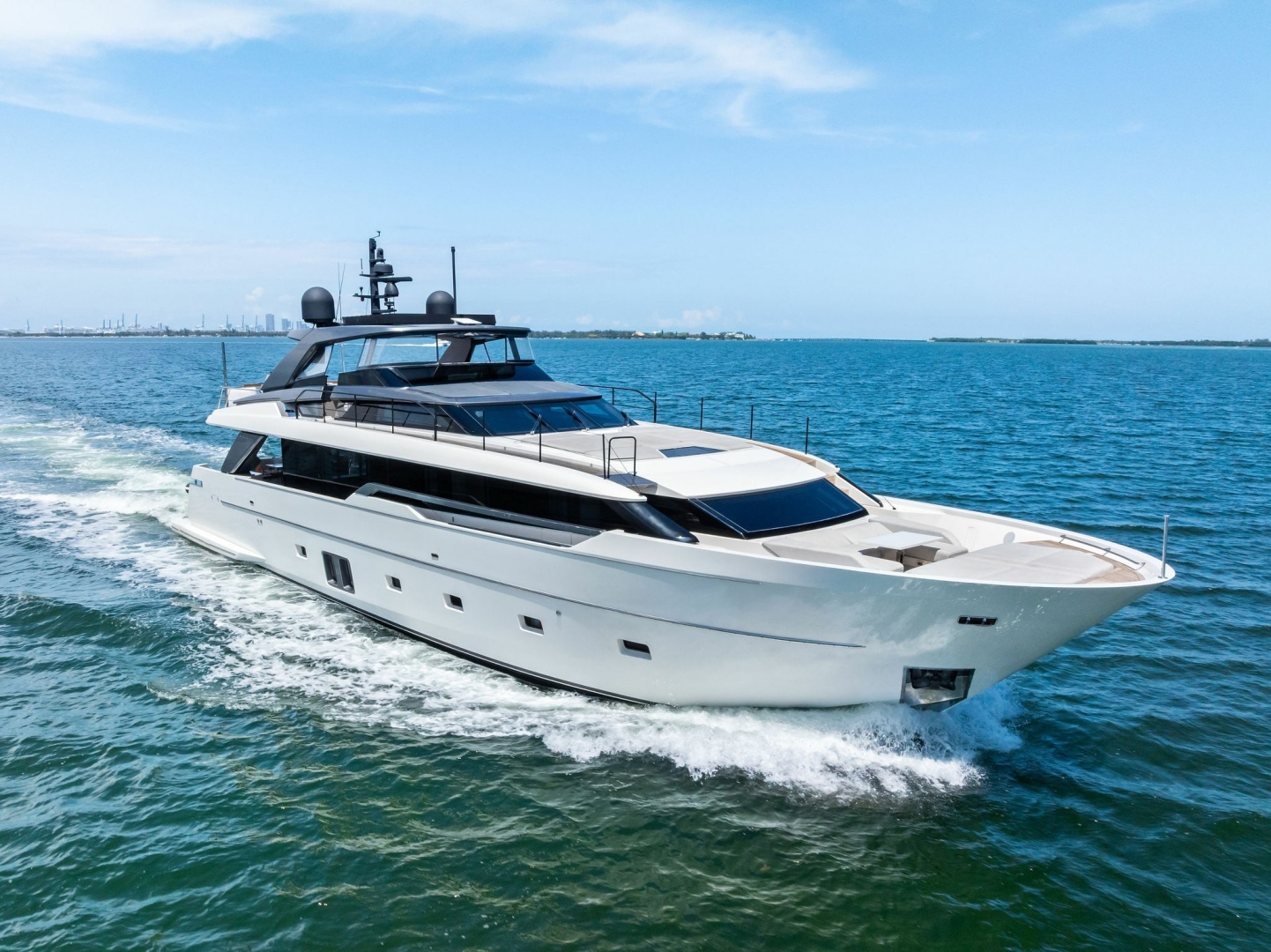
2021 Sanlorenzo GATSBY
$6,795,000
96
Miami Beach Florida

1999 Northern Marine OFF LINE
$2,495,000
84
Ft Lauderdale Florida
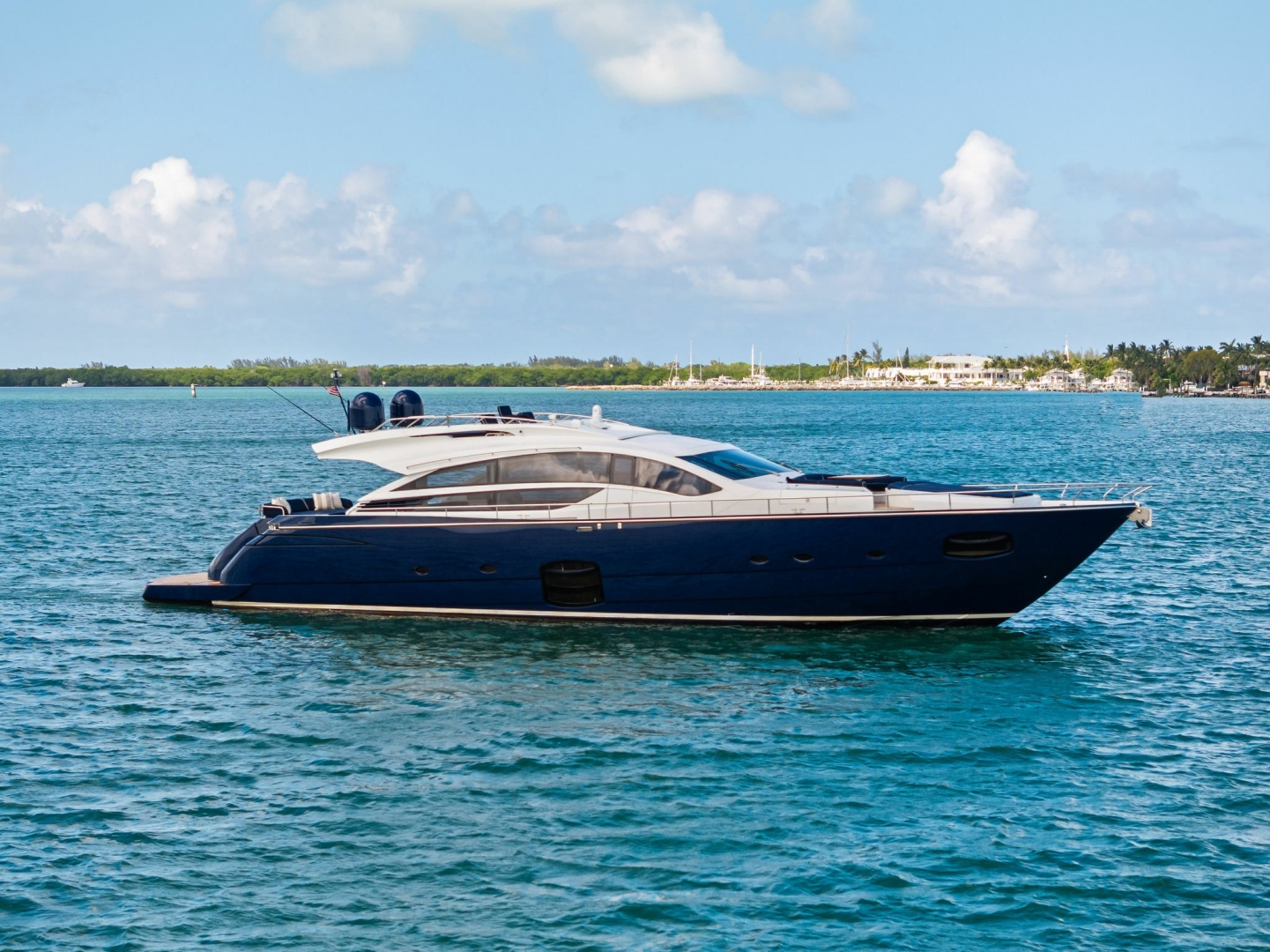
2013 Pershing DOROTHY ANN
$1,750,000
82
Miami Beach Florida

1997 Ferretti Yachts
$850,000
80
La Paz
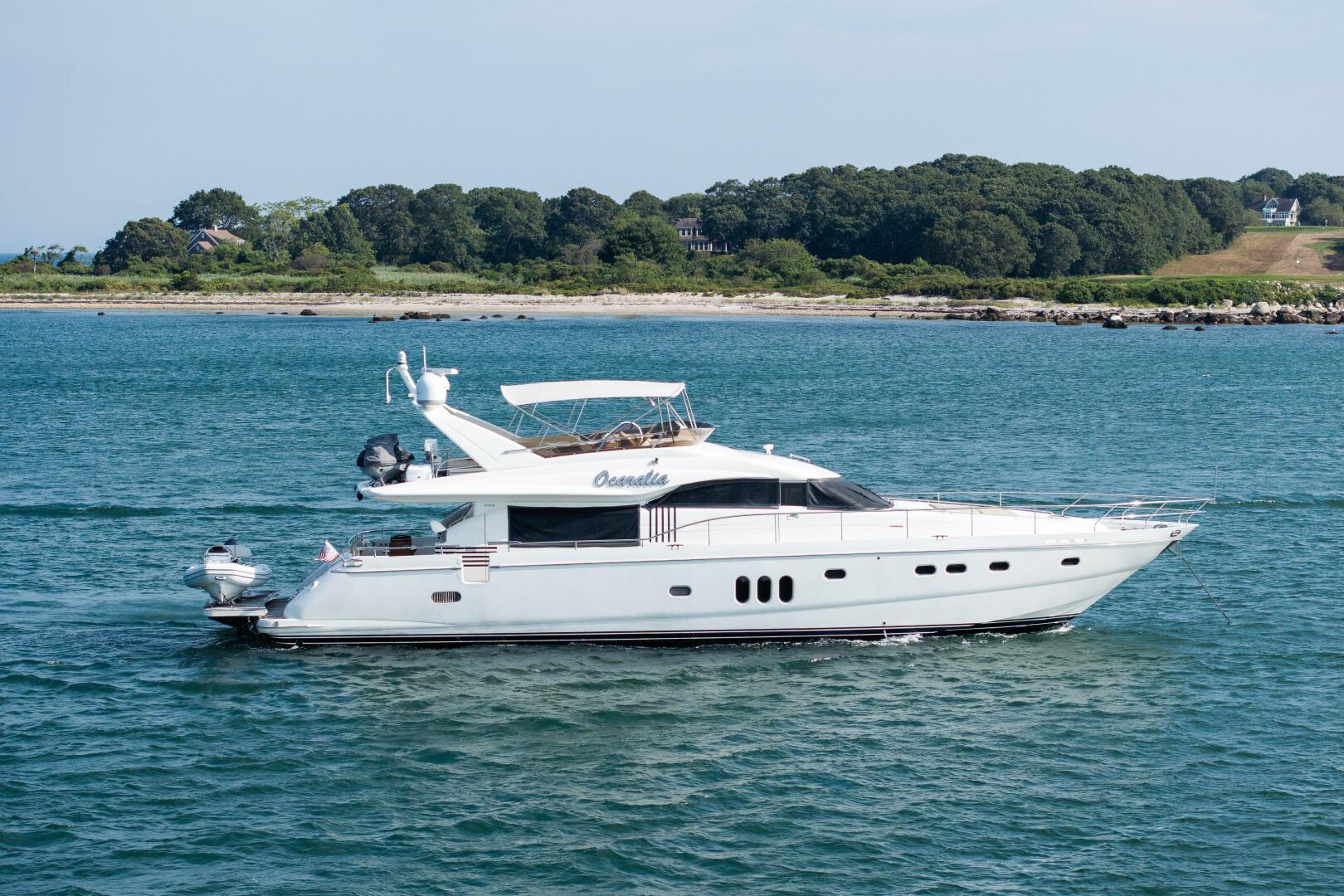
2008 Princess Yachts OCARALIA
$1,095,000
75
Charleston South Carolina
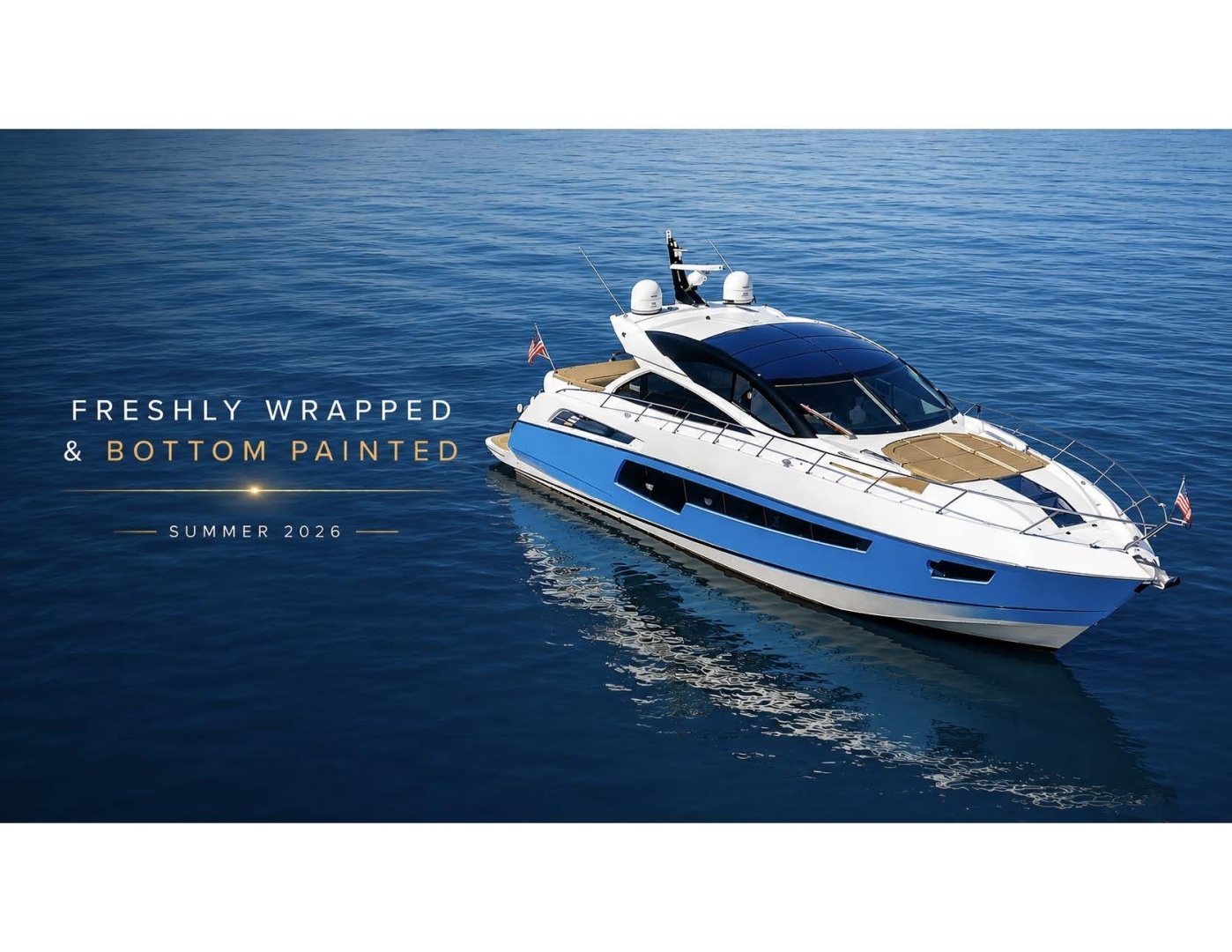
2014 Sunseeker
$1,400,000
68
New York New York

2024 Fairline
$2,750,000
68
Ft. Lauderdale Florida

2024 Sunreef Catallaxi
$3,700,000
60
Newport Rhode Island
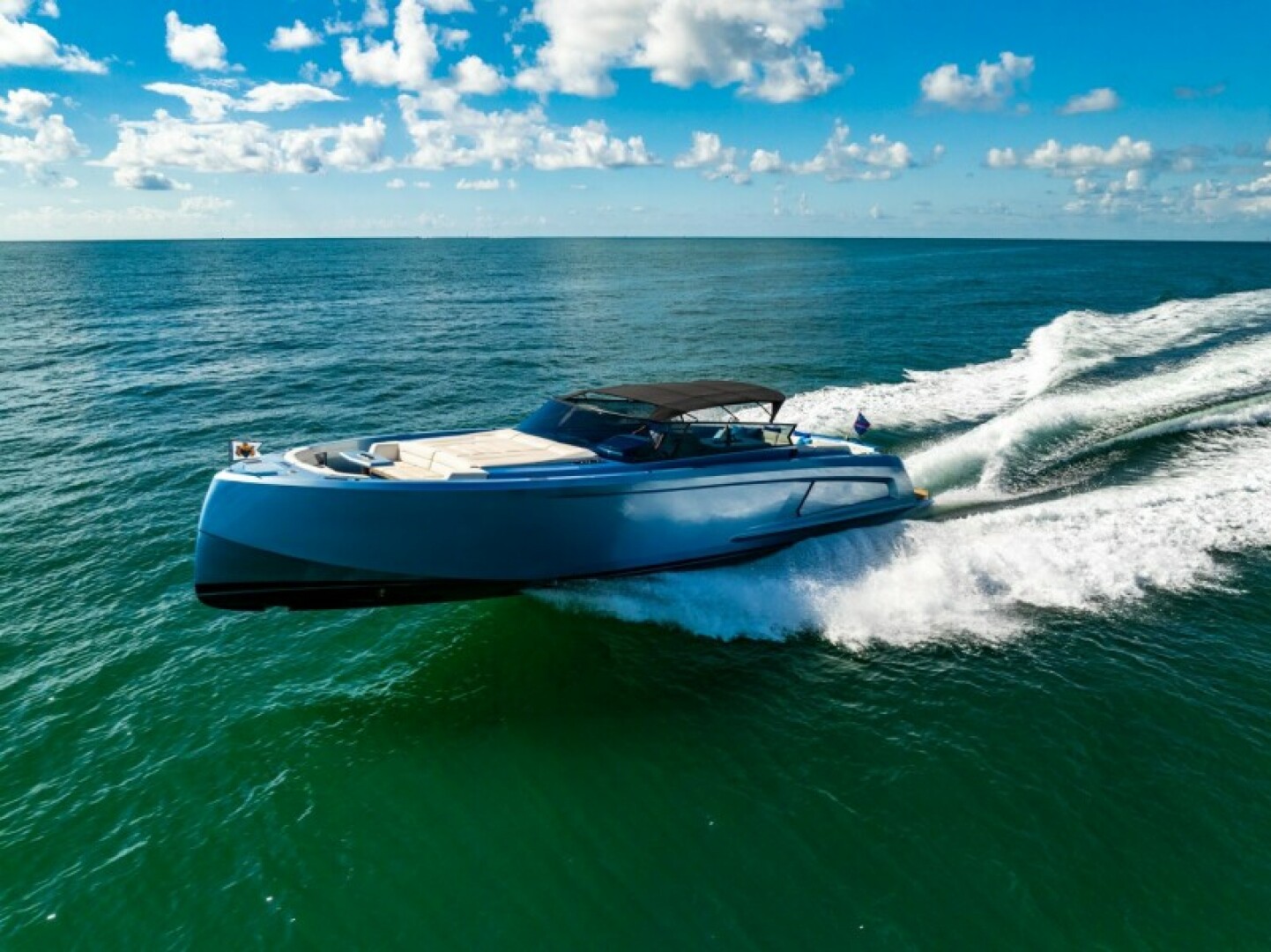
2019 Vanquish Yachts IMPULSIVE
$1,799,000
58
Miami Beach Florida
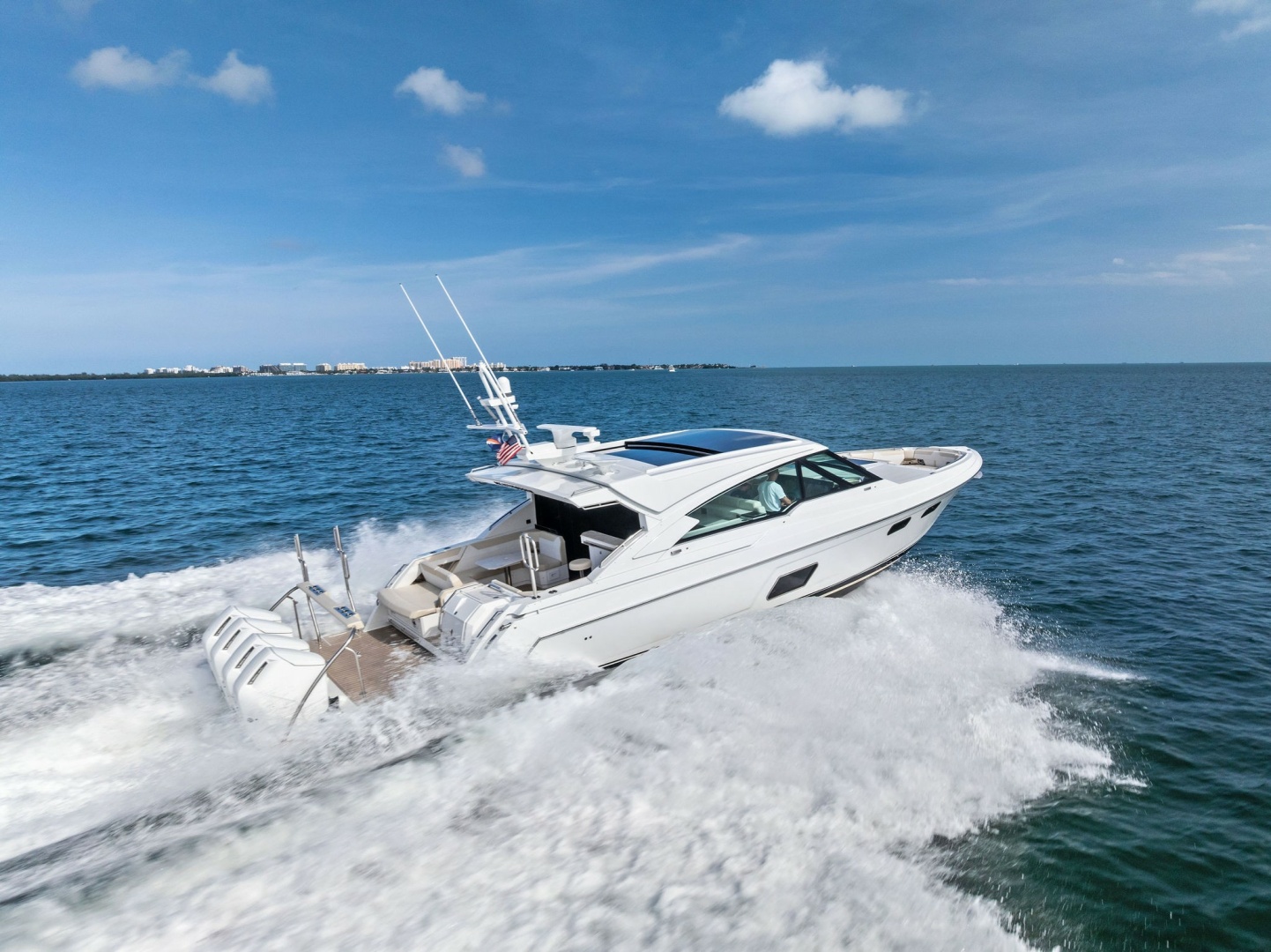
2025 Formula BREAKTHROUGH III
$1,895,000
53
Miami Beach Florida

2023 Fairline
$900,000
45
Fort Lauderdale Florida
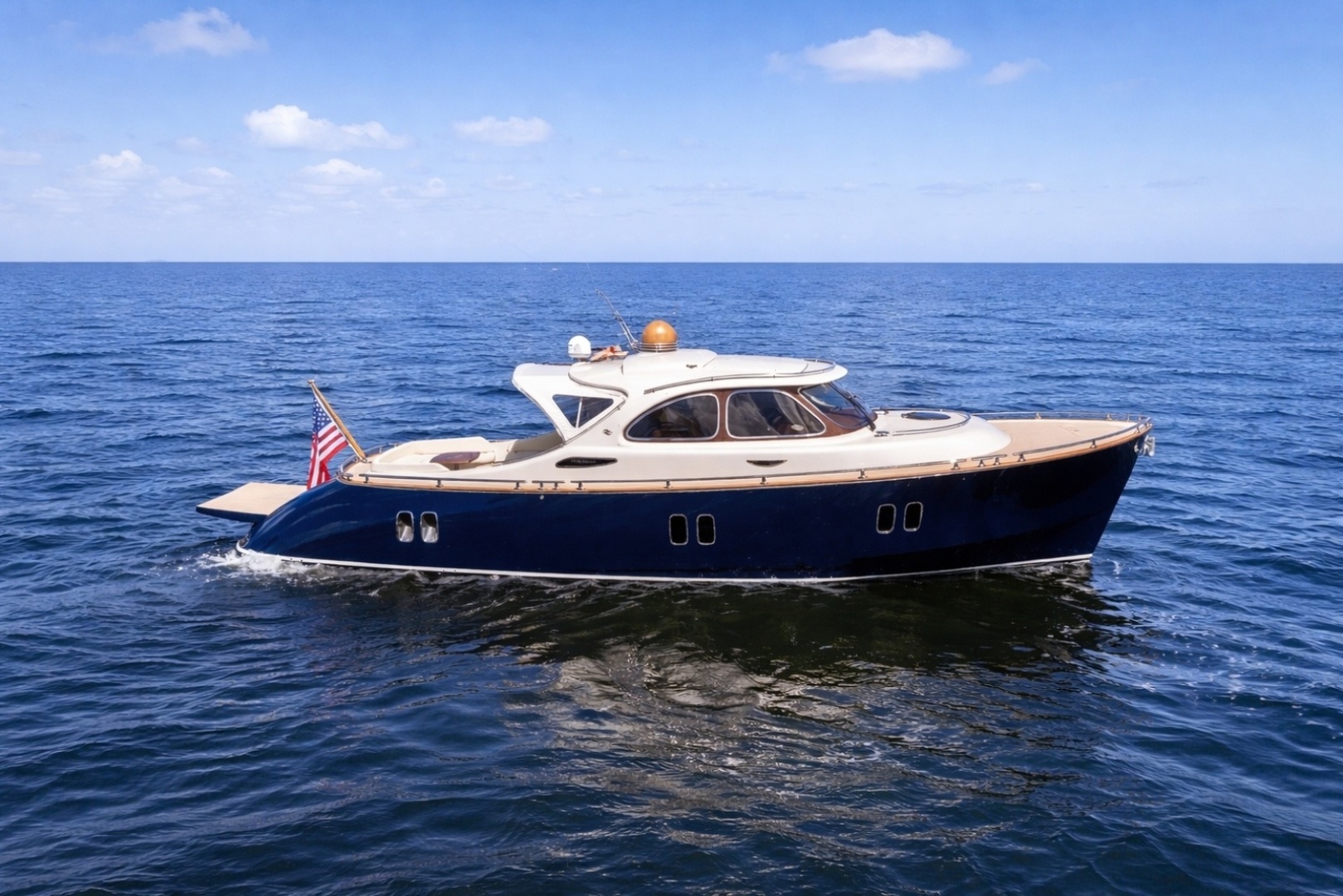
2012 Zeelander Mississippi Queen
$575,000
44
West Palm Beach Florida
2019 Bilgin 156'
$21,404,500
2028 Columbus Yachts 137'
$22,900,008
2012 Benetti 132'
$10,975,000
2024 Silver Yachts 117'
$25,400,000
2009 Hargrave 114'
$2,995,000
2028 Extra Yachts 100'
$21,404,500
2028 Extra Yachts 96'
$9,495,000
2021 Sanlorenzo 96'
$6,795,000
1999 Northern Marine 84'
$2,495,000
2013 Pershing 82'
$1,750,000
1997 Ferretti Yachts 80'
$850,000
2008 Princess Yachts 75'
$1,095,000
2014 Sunseeker 68'
$1,400,000
2024 Fairline 68'
$2,750,000
2024 Sunreef 60'
$3,700,000
2019 Vanquish Yachts 58'
$1,799,000
2025 Formula 53'
$1,895,000
2023 Fairline 45'
$900,000
2012 Zeelander 44'
$575,000